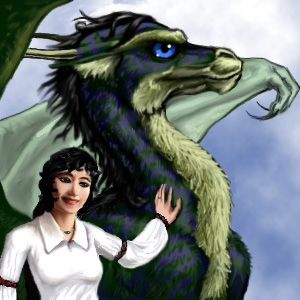
Palladium Books Presents ® A Supplement for After the Bomb ® RPG
By Laura “Tamara” Henson
SUITABLE FOR USE WITH THEAFTER THE BOMB® RPG
Also compatible with Teenage Mutant Ninja Turtles ®, Heroes Unlimited™, & Rifts™
“Copyright © (1983, 1985, 1986, 1998, 2001 and 2009) Palladium Books Inc. & Kevin Siembieda; all
rights reserved world wide. No part of this work may be sold, distributed or reproduced in part or whole, in
any form or by any means, without written permission from the publisher. All incidents, situations,
institutions, governments and people are fictional and any similarity to characters or persons living or dead
is strictly coincidental."
“Rifts®, The Rifter®, RECON®, Splicers®, Palladium Books®, Phase World®, The Palladium Fantasy
Role-Playing Game®, Megaverse®, Nightbane®, The Mechanoids®, The Mechanoid Invasion®, Coalition
Wars® and After the Bomb® are Registered Trademarks of Palladium Books Inc. Heroes Unlimited,
Beyond the Supernatural, and other published book titles, names, slogans and likenesses are trademarks of
Palladium Books Inc. and Kevin Siembieda.”
Warning: The fictional world of After the Bomb® is violent and deadly. Supernatural monsters with
strange powers as well as superheroes, mutants, aliens, and vile criminals threaten, rob, torment, and prey
on humanity. These monsters, demons, and villains as well as mutations, psychic powers, insanity, and war
are all elements in this book. Some people may find this element of the game inappropriate so parental
discretion is advised. No one at Palladium Books® condones or encourages the practice of the occult or
magic, the use of drugs, vigilantism or violence. After the Bomb® is a work of fiction. NONE of the
monsters, villains, super humans, powers or depictions in this book are real.
Disclaimer: This document is not associated in any way with Vicky Wyman. It is not an official RPG
version of Vicky Wyman’s comic book Xanadu. However there may be some similarities to that comic
series as well as the many other works of fiction that inspired this work. This work is also not a cannon
After the Bomb™ setting but is a fan-written work compatible with the game published by Palladium and
you need at least the core rulebook to play this game. You are encouraged to make copies and print-outs of
this work as needed. You may also make modifications for your own use but such copies must be
distributed free of cost and with all the rules of Palladium’s Licensing agreement obeyed. This PDF has
been published as a free download – if you are asked to pay for than you have been a victim of fraud!
Printing Instructions: Print the front page and this page single sided. Print the remainder of the document
double sided. The last page should be used printed singly and used as the back cover.
The art used in this book comes from a number of copyright free sources including copyright expired art,
art from Wikimedia Commons, Hemera™ Clipart, the Dimer art of Dee Dreslough 1996-2010, and
illustrations by the author. However the majority of the new art is from Simply Software’s Sci-Fi &
Fantasy Clipart 3 and Wizards & Witches, edited by Jon Gustafson, © 1997-2008, No Hassle Home.
Simply Software art may be used in a project provided that project is distributed for free. A few images are
from Corel Clipart (from WordPerfect Family Pack, 1999). In some cases changes have been done to the
original image.
2
Table of Contents
Introduction Changes to the Basic 5 The Nobles Horse, Throwback: 50
Creating a Rules 6 Eohippus
Character Step1: The Eight Hypsilophodont 51
Xanadu Style Attributes 6 Iguanodont 52
Step 2: Animal Type Indricotherium 52
New Animal Step 3: Mutation 8 Mammoth 53
Descriptions Background & S.R. Megatherium 54
Common 8 Ornithomimosaur 55
Animals Anoa 10 Pachycephalosaur 56
Antelope Phorousrhacos 57
The Long-Ku Ape: Gibbon 24 Plesiosaur 57
Argali Pterosaur 58
Bat: Flying Fox 24 Saber Toothed Cat 59
Bear: Sun 24 Sauropod 60
Chevrotain & Musk Deer 25 Stegosaur 61
Civet 25 Teratorn 62
Dhole 26 Thylacoleo 63
Flying Lemur 27 Tyrannosaur 64
Giant Salamander 27 66
Giraffe 28 Alphyn 67
Goat Antelope 28 Amphisien 67
Horse, Purebred: Akhal- 29 Anzu 68
teke 30 Baku 69
Horse, Purebred: Arabian 30 Basilisk 70
Horse, Purebred: Takhi 31 Bixie 70
Hyena 31 Bonnocon 71
Ibex Caladrus 72
Jackal 32 Catoblepas 73
Kubin 33 Centaur 73
Loris 33 Conopini 74
Mongoose 34 Couatl 75
Panda: Giant 34 Dragon 76
Panda: Red 35 Dragon, Purebred: Faerie 77
Raccoon Dog 35 Dragon, Purebred: Guivre 77
Shark 36 Dragon, Purebred: 78
Snow Leopard 37 Knucker
Tarsier 37 Dragon, Purebred: Long 78
Tree Shrew 38 Dragon, Purebred: Star 79
39 Dragon, Purebred: 79
Andrewsarchus 40 Wyvern
Ankylosaur 40 Gargoyle 80
Ceratopsian 41 Griffin 81
Coelurosaur 42 Harpy 81
Deinonychosaur 43 Hippocampus 82
Glyptodont 43 Hippogriff 83
Hadrosaur 44 Hsaio 83
46 Human Mutant, Purebred: 84
47 Dwarf
48 Human Mutant, Purebred: 85
49 Elf
Human Mutant, Purebred 85
Gremlin
Human Mutant, Purebred: 86
3
Rokuro-kubi 87 Bestiary Unicorn 99
Human Mutant, Purebred: The Setting Vampire 100
Satyr 87 Wolpertinger 101
Human Mutant, Purebred: Technology Yale 101
Sprite 88 Magic Yeti 102
Kamaitaci 88 103
Kappa 89 Characters Xanadu 112
Leocrota 90 Glossaries Zhongguo 114
Manticore 91 Bibliography Nihon 119
Mermaid 91 OGL Ganesh 124
Oni 92 Other Lands & Cultures 131
Opinicus 93 134
Panthalops 93 Equipment & Weapons 139
Pegasus 94 140
Peryton 95 Shamanistic Magic 144
Phoenix 95 Sorcerer (Wizard) Magic 144
Qi-lin 96 147
Shedu 97 150
Simurgh 98 158
Sphinx 98 161
Roc 164
4
Introduction to the Second Edition
In late 1989 I wrote a role playing game supplement for Palladium Books ™ After the Bomb ® role playing
game based (very loosely) on the Xanadu comic books by Vicky Wyman. I did this because I had several
players who enjoyed playing the original After the Bomb and they wanted magical beasts as well. Since
Asia was not described in the game, Xanadu seemed the perfect fit. Years later I took my ragged old
notebook, typed it up for prosperity, added some nice pictures and converted, it to a PDF which I shared on
the net in case anyone else wished to use it.
In the 2001 Palladium wrote a second edition of After the Bomb that was much more adult in tone than the
previous addition. This 2nd edition briefly described Asia, and to my surprise it was compatible with my
Xanadu campaign. It has now been nearly eight years since the 2nd edition of After the Bomb was published
and it seems that Palladium is not going to update its original sourcebooks or publish a book for those
countries not covered in the first edition. I therefore believe a second edition of Mutants in Xanadu is
needed, one compatible with Palladium’s Internet policy, with the new rules and with more detail than the
first edition. In this way the entire world will be available to After the Bomb players.
This version of Mutants in Xanadu differs from its predecessor is several ways. First it adds over 50 new
mutant animals to the 45 in the first edition, including two purebred horses, 24 prehistoric throwbacks
(including many dinosaurs), several new nobles, the shark and the giraffe! It is also an independent setting
from Vicky Wyman’s comics, contains a table of contents, corrects some mistakes, adds all new
illustrations, and brings the information contained within in line with the 2nd edition After the Bomb™
rules. I hope you enjoy this book, as I think it is a vast improvement over my first attempt and will make a
valid addition to Palladium’s Mutant Animal system.
What other Sourcebooks are needed to use this book:
Mutants in Xanadu needs at least three other books to be used to its full advantage. The first, and most
important, is a copy of the 2nd edition of After the Bomb. This book gives all the rules necessary for creating
animal characters, all the game rules, and a detailed history of the game world. If After the Bomb is
unavailable the original Teenage Mutant Ninja Turtles and Other Strangeness ® can be used in a pinch. In
addition the 1st edition After the Bomb ® supplement Mutants in Avalon ® is necessary for creating a
character in this setting as I will refer specifically to many of the rules published in that volume in order to
avoid needless repetition. A copy of the newest edition of Heroes Unlimited™ is also needed for statistics
for mutant Tiger characters and for a list of Wizard Spells. All of these books are published by Palladium
Books ® and are available in PDF form from most shops specializing in Role Playing Games.
Mutants in Xanadu is different from all other books in the After the Bomb® series in that it contains
magical characters in addition to mutant animals. The Nobles, a group of humanoid unicorns, dragons,
griffons, and other mythical beasts rule both of the main countries in this setting. While it is possible to use
creatures from either Rifts ™, or Palladium Role-Playing Game ® I think it would be more appropriate to
use the Noble rules from this paper in order to produce characters less disruptive to game balance. Unlike
in the first edition, Noble Characters in this work are chimeras. This not only puts them in line with the 2nd
edition rules but with history as well. Both the druid rules from Mutants in Avalon™ and the magic rules
from Transdemensional Teenage Mutant Ninja Turtles™ will add needed flavor to this setting and are
recommended.
Laura “Tamara” Henson
5
Creating a Character: Xanadu Style!
While it is best to create a character from Asia, you can
easily bring in characters from other After the Bomb ®
settings. Two mutant hating human kingdoms border the two
main mutant animal empires in Asia. In the west is the
Societie A Eliminer les Creations Sauvages et Nuisibles
(SAECSNs) which is detailed in Mutants in Avalon ™. The
government of Jakarta, described in Mutants Down Under
™, on the other hand controls the south. It would thus be
natural for characters from Britain or Australia to try to make
an allegiance with Xanadu and/or Zhongguo to defeat these
enemies.
You start Mutants in Xanadu characters the same way as you
would any other Teenage Mutant Ninja Turtles and Other
Strangeness ® or After the Bomb ® characters. Start with the
usual Steps detailed below.
Changes to the Basic Rules:
I have used certain house rules when designing the horses, aquatic animals, and prehistoric beasts in this
book. The changes are easy to fix if you prefer the original rules but I used them because to me they made
more sense than the rules in the core book. These changes are:
Revised Equine Human Feature Cost: The core rules state that horses have to pay 10 points for partial
features and 15 for full. No other animal has this restriction, including the ponies in Mutants in Avalon™
and the donkeys in Road hogs™. To keep the rules consistent I recommend that the Bio-E cost for all
equines should be a standard 5/10 as in most other mutant animals.
New Swim Skill: Hold Breath (5 Bio-E) and Natural Swimming Ability (10 Bio-E) should be available to
the various sea mammals given in Road Hogs ™.
Revised Size Chart After Size Level 20: Looking over the expanded size chart I noticed that the size
levels given for certain animals did not match the weights given for the animals in question. The biggest
oddities concerned animals past size level 18. For example Palladium points out that elephants commonly
reach 5 tons (that’s 10,000 lbs) and African Elephants can reach 16,000 lbs yet they place them at size level
20 which is only 2,500 lbs. Indeed using Palladiums own expanded size chart an elephant should be Size
Level 23. This is inconsistent and makes little sense and as a result I use this revised Expanded Size chart.
Growth Sample New Weight New Weight Bio-E IQ PS PP Spd SDC
Steps Animal (in Pounds) (in tons)
19 Buffalo To 8,000 1-4 90 - +13 +11 -9 75
5-8 95 - +14 +12 -10 80
20 Elephant To 16,000 9-16 100 -2 +15 +13 -12 90
17-24 105 -4 +16 +14 -13 100
21 Diplodicus To 32,000 25- 32 110 -6 +17 +15 -14 120
33-50 115 -8 +18 +16 -15 150
22 Titanosaurus To 48,000 49-100 120 -10 +19 +17 -16 200
To 200 125 -12 +20 +18 -17 220
23 Apatosaurus To 64,000
24 Brachiosaurus To 100,000
25 Argentinosaurus To 200,000
26 Blue Whale To 400,000
6
Revised Damage rolls based on Size: No offense to the wonderful writers at Palladium Books but I think
it is ridiculous that a size level 2 Chihuahua and a size level 6 Doberman would both do 1d6 points of
damage with a bite. Common sense alone says that the larger dog would do more damage. To be fair
Palladium does cover the additional damage caused by large creatures by adding a bonus to characters with
exceptional strength attributes of 16 or more. However there is no corresponding chart for creatures with
exceptionally low strength scores. As a result I have added the following column to the Physical Size Chart
located on page 10 of TMNT® and page 21 of the 2nd edition of After the Bomb®. No mater the modifier a
creature will always cause at least one point of damage if it successfully attacks an opponent.
Size Level Damage Modifier Size level Damage Modifier Size Level Damage Modifier
1 -4 6-11 0 22-23 +4
2 -3 12-16 +1 24 +5
3 -2 17-19 +2 25 +6
4-5 -1 20-21 +3 26 +7
7
Step 1: The Eight Attributes
See the core rulebook for details, there are no changes to the basic rules.
STEP 2: Animal Type
The following table should be used to generate new characters for adventures set in Asia. Animals
described in this book are in bold Type. All others can be found in other Palladium products. To find the
original source for already described animals the following symbols are used for first edition products, for
second edition see the After the Bomb 2nd edition rulebook:
* Teenage Mutant Ninja Turtles and Other Strangeness ®
** Road Hogs ™ (see above for errata).
# Mutants of the Yucatan ™
^ Mutants Down Under ™
“Mutants in Avalon ™
Asian Mammals (01-50) 44 Feline: Clouded Leopard (use Puma*) (c)
45 Feline: Golden Cat (use Puma) (c)
1 Anoa (d) 46 Feline: Leopard (c)
2 Antelope: Oryx (b) 47 Feline: Leopard Cat (use Bobcat *) (c)
3 Antelope: Nilgai (b) 48 Feline: Lion * (b)
4 Antelope: Chausinga (c) 49 Feline: Lynx (see Cat: Wild, Lynx)* (c)
5 Antelope: Blackbuck (c) 50 Feline: Snow Leopard (c)
6 Antelope: Gazelle or Saiga) (c) 51 Feline: Tiger * (b)
7 Ape (Gibbon and Siamang) (c) 52 Ferret Badger (use Skunk *) (d)
8 Ape (orangutan) * (c) 53 Flying Lemur (c)
9 Badger * (c) 54 Giraffe (d)
10 Bat: common* (d) 55-56 Goat * (e)
11 Bat: False vampire # (c) 57 Goat Antelope (c)
12 Bat: Flying Fox (c) 58 Hedgehog “(e)
13 Beaver * (d) 59 Horse
14 Bear: Black * (d)
15 Bear: Brown* (c) 01-25 Horse, Purebred: Akhal-teke (b)
16 Bear: Polar * (c) 26-50 Horse, Purebred: Arabian (b)
17 Bear: Sun (d) 51-75 Horse: Common * (d)
18 Bighorn or Argali (c) 76-100 Horse: Purebred: Takhi (c)
19-20 Boar * (d) 60 Hyena (d)
21-22 Buffalo * (b) 61 Ibex (c)
23-24 Camel * (d) 62 Jackal (d)
25-26 Canine: Dog * (e) 63 Loris (d)
27 Canine: Fox * (b) 64 Marten* (c)
28 Canine: Wolf* (c) 65 Mink * (d)
29 Chevrotain (b) 66 Mole * (d)
30 Civet (c) 67 Mongoose (d)
31-32 Cow and Bull *(e) 68 Monkey * (d)
33 Deer * (c) 69 Moose* (c)
34 Dhole (c) 70 Muskrat * (d)
35 Dolphin ** (b) 71 Onager or Kiang (use Donkey **) (c)
36-37 Donkey ** (e) 72 Otter * (c)
38 Dugong (see Manatee #) (c) 73 Panda: Giant (b)
39 Elephant * (b) 74 Panda: Red (b)
40 Elk * (b) 75 Pangolin (use Armadillo *) (d)
41-42 Feline: Cat (Domestic) * (e) 76-77 Pig * (e)
43 Feline: Cheetah * (d) 78 Pony “(e)
79 Porcupine * (c)
80-81 Rabbit * (e)
8
82-83 Raccoon Dog (b) 97-00 Turtle * (c)
84 Rhinoceros * (d)
85-86 Rodent: Mouse, Hamster, & Rat* (d) Throwback (71-80) all social class E
87 Seal ** (c)
98 Sea Lion** (c) 01-03 Andrewsarchus
89-90 Sheep * (e) 04-07 Ankylosaur
91 Squirrel * (d) 08-11 Carnosaur (use Allosaurus from the 2nd
92 Tapir # (c) edition of After the Bomb ™)
93 Tarsier (c) 12-14 Ceratopsian
94 Tree Shrew (c) 15-19 Coelurosaur
95 Walrus ** (c) 20-23 Glyptodont
96 Water-Vole “(d) 24-27 Eohippus
97 Weasel * (d) 28-31 Hadrosaur
98 Whale ** (b) 32-36 Hypsilophodont
100 Wolverine * (c) 37-40 Iguanodont
41-45 Indricotherium
Asian Birds (51-60) 46-48 Mammoth
49-52 Megatherium
01-05 Duck * (e) 51-56 Ornithomimosaur
06-10 Chicken * (e) 55-61 Pachycephalosaur
11-15 Coot “(c) 62-65 Saber-toothed cat
16-20 Crow or Raven * (b) 66-69 Deinonychosaur
21-25 Goose “(e) 70-74 Plesiosaur
26-30 Gull “(d) 75-79 Pterosaur
31-35 Heron or Crane“(d) 80-83 Sauropod
36-40 Magpie “(c) 84-87 Stegosaur
41-45 Owl * (b) 88-90 Terror Bird
46-50 Parrot * (d) 91-95 Thylacoleo
51-55 Peacock “(b) 96-100 Tyrannosaur
56-60 Pigeon * (e)
61-65 Sparrow * (e) Zoo Animal (81-90)
66-70 Swallow “(b)
71-75 Swan “(b) 01-10 Aardvark *(e)
76-80 Vulture ** (e) 11-20 Ape: Chimpanzee or Gorilla (d)
81-85 Wild Birds * (c) 21-30 Hippopotamus* (e)
86-90 Wild Fowl * (d) 31-40 Giraffe (d)
91 Wild Predatory Birds: Eagle* (b) 41-50 Guinea Pig * (e)
92-93 Wild Predatory Birds: Falcon* (b) 51-60 Kangaroo ^ (e)
94-95 Wild Predatory Birds: Hawk (c) 61-70 Octopus ** (e)
96-00 Woodpecker “(d) 71-80 Ostrich (use Emu^) (c)
81-90 Platypus^ (e)
Reptiles, Amphibians, & Fish (61-70) 91-00 Turkey* (e)
01-10 Amphisbaena (use Slow-worm “) (b) Noble (91-100) all social class A
11-20 Alligator/crocodile * (c)
21-30 Frog or Toad * (e) 01-02 Alphyn
31-40 Giant Salamander (e) 03-04 Amphisien
41-45 Komodo Dragon ^ (b) 05-06 Anzu
46-55 Kubin (b) 07-08 Baku
56-70 Lizard: Typical ** (e) 09-10 Basilisk
71-79 Lizard: Chameleon **(d) 11-12 Bixie (True Chimera)
80-82 Newt “ (e) 13-14 Bonnacon
83-84 Sea turtle ** (d) 15-16 Caladrus
85-86 Shark (b) 17-18 Catoblepas
87-90 Snake: Boa Constrictor # (c) 19-21 Centaur
91-93 Snake: Cobra ^ (b) 22-24 Conopini
94-96 Snake: Viper (as Rattlesnake #) (d) 25-26 Couatl
9
27- 29 Dragon 96-100 Human, Purebred: Sprite
01-50 Dragon: Typical 52-53 Kamaitachi
51-55 Dragon, Purebred: Faerie 54-55 Kappa
56-70 Dragon, Purebred: Guivre 56-57 Leocrota
71-75 Dragon, Purebred: Knucker 58-59 Manticore
76-80 Dragon, Purebred: Long 60-62 Mermaid
85-90 Dragon Purebred: Star 63-64 Oni
91-100 Dragon, Purebred: Wyvern 65-66 Opinicus
67-68 Panthalops
30-31 Feng Hwang 69-71 Pegasus
32-34 Gargoyle 72-73Peryton
35-38 Griffin 74-76 Qi-lin
39-40 Harpy 77-79 Shedu
41-42 Hippocampus 80-82 Simurgh
43-45 Hippogriff 83-85 Sphinx
46-48 Hsaio 86-87 Roc
49-51 Human 88-90 Unicorn
91-94 Vampire
01-69 Human: Normal 95-96 Wolpertinger
70-75 Human, Purebred: Dwarf 97-98 Yale
76-80 Human, Purebred: Elf 99-00 Yeti
81-85 Human, Purebred: Gremlin
86-90 Human, Purebred: Rokuro-kubi
91-95 Human, Purebred: Satyr
STEP 3: Mutation Background & Social Rating
The first edition of Mutants in Xanadu was written using the Backgrounds and Social Ratings found in
Mutants in Avalon™. However as I began to convert character’s to 2nd Edition I realized that Avalon’s skill
system was incompatible with the new edition. This chapter is thus a complete rewrite of the social rating
and profession rules tailored specifically for Asian campaigns
Most of the societies in Asia are divided into castes. Each caste has a social rating (S.R.) ranging from the
lowest domestique slave (e) to the noble class (a) itself. The first thing one needs to realize is that the
higher one’s social rating is the more money and better the education due to the influence of rank, status,
and money in finding the best possible teachers. As a result of this unequal status each social rating gives a
one time bonus to Primary and Secondary Skills as well as a number which is multiplied with the
character’s starting money from his profession to determine the actual amount of money in Bucks (note
however that name of the standard coin varies by kingdom) the character has at the beginning of play.
Example: a Nomad gets 1d6 x 20 dollars at the start of the game. A snow leopard chieftain of a nomad tribe
in the Himalayas (social rating c) would multiply 4 to this total so if he rolled a 3 he would have $180
worth of goods or: 3 x20 = 60 x 4= 180. This money may be in actual cash but it is more likely to consist of
equipment. This chieftain will also have a 5% bonus on all his skills.
One big difference from Mutants in Avalon® is that in Asia ones accent does not place one’s social rating.
The way they dress is also not a good indicator for Asia is a vast continent with temperate woodland,
streaming jungles, desert dunes and arctic tundra often all in the same kingdom! For this reason species is
the main indicator for S.R.
(e) Lowborn Domestique: these mutant animals are descended from domesticated livestock or pets that
had no wild representatives in Asia. Members of this class are usually uneducated serfs (or slaves).
Lowlifes, outlaws and pirates are also considered to be this S.R. If possible, a noble will not even speak to a
member of this S.R. This S.R. is also used for races that are outside Asian civilization, including foreigners
and the throwback Long-Ku of the Southern Sea. Members of this social rating get no bonuses to Primary
skills, Secondary skills, or Money.
10
(d) Common Domestique: mutant animals that were domesticated but had feral or semi-wild populations
or are mainly small belong to this S.R. Most members of this S.R. are working class commoners who tend
to be uneducated laborers, farmers, soldiers, or unskilled workers. Members of this social rating get a 5%
bonuses to Primary skills, no bonus to Secondary skills, and an x 2 multiple to Money.
(c) Freeborn: this S.R. includes most mutant animals of wild stock. Their position in society is that of the
“middle class” worker. Most are traders, crafters, innkeepers, and artisans. Members of this social rating
get a 5% bonus to Primary skills, a 5% bonus to Secondary skills, and an x 4 multiple to Money.
(b) Highborn: this social class consists of animals that were considered sacred in Asia. Such animals as
tigers, elephants, buffalo, and mouse deer belong to this S.R. Highborn characters will be upper class
successful merchants, business people, and officers in the army, skilled craftsmen, landowners and court
attendants to the noble class. Members of this social rating get a 10% bonus to Primary skills, a 5% bonus
to Secondary skills, and an x 6 multiple to Money.
(a) Nobles: only mutant chimera created to resemble mythical animals and a few mutant human purebreds
belong to this S.R. To most of Asia’s people the Nobles are representatives of the spirits themselves, the
kami made flesh and thus are born into a life of privilege. Most have so much money they have no need for
jobs and just hang about the court. Others have duties in the palace as captains, generals, court advisers,
jesters, ambassadors and as royal couriers. Members of this social rating get a 10% bonus to Primary skills,
a 10% bonus to Secondary skills, and an x 10 multiple to Money.
Professional and Educational Background
As in England one’s profession and education depends on the character’s Social Rating. To determine a
character’s profession roll on the following table.
Social Rating e 08-14 Laborer
00-10 Ashigaru (Soldier) 14-21 Scout
11-20 Shaman 22-28 Ashigaru (Soldier)
21-30 Raised by Bandits 29-35 Town Militia
31-40 Feral Background 36-42 Traveling Trader
41-50 Laborer 43-49 Shaman
51-60 Raised on the Frontier 50-56 Feral Background
61-70 Villager of Townie 57-63 Raised on the Frontier
71-80 Border Area 64-70 Villager or Townie
81-90 Nomad 71-77 Border Area
91-00 Freed Slave 78-84 Nomad
85-91 Bushi (Mercenary)
Social Rating d 92-00 Monk
01-07 Bard
11
Social Rating c 51-60 Land Owner
01-07 Engineer 61-70 Sorcerer
08-14 Laborer 71-80 Shaman
14-21 Scout 81-90 Monk
22-28 Ashigaru (Soldier) 91-00 Town Militia
29-35 Town Militia
36-42 Traveling Trader Professions from After the Bomb™ 2nd edition
43-49 Shaman Border Area
50-56 Bard Feral background
57-63 Raised on the Frontier Freed Slave
64-70 Villager or Townie Raised By Bandits
71-77 Border Area Raised on the Frontier
78-84 Nomad Villager of Townie
85-91 Bushi (Mercenary)
92-00 Monk New Professions
Ashigaru (Soldier)
Social Rating b Bard
01-10 Samurai or Ronin (Army Officer) Bushi (Mercenary)
11-20 Court Attendant Court Attendant
21-30 Land-owner Courtier
31-35 Bushi (Mercenary) Dragon Knight
36-45 Dragon Knight Engineer
46-50 Villager or Townie Idle Rich
51-60 Town Militia Laborer
61-70 Border Area Land Owner
70-75 Sorcerer Monk
76-80 Shaman Nomad
81-90 Monk Royalty
91-00 Engineer Samurai or Ronin (Army Officer)
Scout
Social Rating a Shaman
01-10Royalty Sorcerer
11-20 Idle Rich Town Militia
21-30 Dragon Knight Travelling Trader
31-40 Courtier
41-50 Samurai or Ronin (Army Officer)
Forbidden Skills
As in Britain, the Crash destroyed most of the technology that made man dominant. In addition to an
electromagnetic pulse that destroyed nearly all communications equipment there was the release of the
Anti-metal Virus (actually a nanotechnological weapon that has by now ran amuck reducing any ferrous
metal it infects to rusty slag within days of infection). Even gasoline and oil, once the main export of the
east, is gone thanks to an oil eating bacterium. This bacterium, originally released into the sea to prevent oil
spills, mutated after the Crash to live on land and as a result petrol is now worth its weight in gold. The
result of all this devastation is that several of the skills given in the core rulebook are unavailable in this
setting.
Unavailable skills:
Clinical Genetics (replace with the new skill Genealogy), Computer Operation, Computer Repair,
Helicopter, Jet, Military Vehicle, Laser Systems, Radio Communications, Radio: Satellite Relay, and Radio
Scramblers.
Modified Skills:
12
Airplane and Aircraft Mechanics: Aircraft is very rare in this setting and is limited to simple plastic and
fiberglass biplanes whose engines run on electricity or steam. Only the richest people (social rating a) in
Ganesh or Mechanics (see below) have such items and characters from any other country or social rating
must choose the new skill Ride Flying Beast instead.
Automobile, Automobile Mechanics, Motorcycle, and Truck: Same as in Airplane above except Ride
Bounder or Ride Dray instead.
Optic systems and Surveillance Systems: simple alarms and lenses using cameras do exist, only systems
that used computerized circuitry (like modern cell phones and digital cameras) are useless. Basically any
surveillance system that existed before the mid 1960’s can be used in Xanadu but all metal parts must be
iron or nonferrous metals.
Television and Video Systems: Television (especially the digital TV that existed after 2009) does not exist
in this setting but old fashioned moving pictures using reels and cell animation are still being made and
shown at local theaters.
New Skills:
On the other hand several new skills (or rather variations on old skills) have developed in Asia. Some of
these new skills are detailed in Mutants in Avalon®, these are: Dialect, Folklore, Heraldry, History,
Leadership, Ride Mutant Insects, Steam Mechanics, Tactics, W.P. Axe, and W.P. Lance. In addition add
these four skills to the game.
Genealogy: Because of the electromagnetic pulse and the lack of computers knowledge of genetics is
limited to carefully documented family trees. Someone with this skill is thus skilled at tracing obscure
documents in order to verify someone’s bloodline and in proscribing herbal supplements to promote
fertility. (35% +5% per level)
Ride Bounder. This is the ability to ride most types of two legged riding animal. In Xanadu this is the
bounder, a huge kangaroo-like unintelligent rodent. Bounders are the thoroughbred horses of Xanadu and
are known for their nervous temperament, quick movements, and high jumps. With this skill you can stay
in the saddle no matter how spirited your steeds becomes. Anyone with the Animal Husbandry skill gets a
one-time 20% bonus to this skill. Base Skill: 25% + 5% per level of experience.
Ride Dray. This is the ability to ride most types of four legged riding animal. In Xanadu this is usually the
dray, a huge unintelligent agama lizard. Dray are the oxen and donkeys of Xanadu and those with this skill
also know how to hitch the animals up to carts, plows, and wagons for use as beasts of burden. Dray are
strong, placid, stupid and stubborn animals that may be hard to control by those without this skill. Anyone
with the Animal Husbandry skill gets a one-time 20% bonus to this skill. Base Skill: 30% + 5% per level of
experience.
Ride Flying Beast. This is the ability to ride most types of winged creature. In Xanadu this could be a giant
silk moth or other insect but it also applies to staying aboard a flying dragon, Pegasus, or other winged
noble who resolve to give one a ride. With this skill you can stay in the saddle no mater the strength of the
wind or how your steed dips and dives, Anyone with the Animal Husbandry skill gets a one-time 20%
bonus to this skill. Base Skill: 20% + 5% per level of experience
13
New Professions
Ashigaru (Soldier)
The character is a member of the royal army, air force, or navy.
Standards of training differ among the various kingdoms and
empires but usually involve basic weapon use and stealth.
Soldiers range from untried farm kids given weapons to well
trained seasoned warriors and if the former lives long enough he
may become the later.
Apprenticeship: Choose from Farrier, Mariner, Weaponsmith,
or Teamster
Primary Skills: Camouflage (+10%), Hand-to-Hand: Expert,
Swimming (+10%), Ride Bounder, and 4 Weapon Proficiencies.
Secondary Skills: Select 8
Special Bonuses: + 2 P.S., +2 to P.E. and +10 S.D.C.
Money: $60 – 240 (3D4 times 20).
Equipment: Full set of clothing, traveling equipment, 3 ancient
weapons, one riding animal and its tack, a weeks rations, and a
suit of quilted armor.
Relatives & Connections: The character will have a 10% chance of recognizing an old friend or military
buddy when visiting the residence of a noble.
Bard
The bard is a traveling musician or performer whose knowledge of
history, current events, and literature is unparalleled. More than
just wandering minstrels the bard is responsible for bringing news
and carrying messages throughout the kingdoms. Towns and
villages always welcome a bard and offer free food and lodging in
exchange for news, entertainment, and teaching of the young.
Often a bard will carry messages for a small fee and are usually
allowed free passage across the boundaries between provinces and
even across the borders of the Empire.
Apprenticeship: Select one from Artisan, Farrier, or Teamster.
Primary Skills: Dance (+10%), First Aid (+10%), History (+20%),
2 Languages (+10%), Literacy (+20%), Musical Instrument
(+20%), Public Speaking (+20%), one Physical skill (at +15%),
Read Music (+15%), Sing (+20%), and Writing (+20%).
Secondary Skills: Select any 6 domestic Skills, 4 Technical Skills,
2 Scientific/Scholastic skills, and 4 Rouge Skills.
Special Bonuses: + 2 M.A., +1 to I.Q., +1 to P.B. and +5 S.D.C.
Money: $60 – 240 (3D4 times 20).
Equipment: Full set of clothing, traveling equipment, 1 firearm, 1 ancient weapon, one musical instrument,
one artist case (contains paper, pen, India ink, a selection of brushes and a tray of watercolor cakes), and
one suit of fancy performing clothing.
Relatives & Connections: The character will have a 15% chance of recognizing a friend or acquaintance
whenever visiting any town, village, or palace.
Bushi (Mercenary)
The bushi is a masterless warrior who wanders the land offering his services to the highest bidder. Both
respected and feared the bushi can be found assisting bandits one day and protecting the king the next.
14
Bushi can also be found working as bounty hunters, spies,
assassins, and as army grunts under the command of a samurai.
Bushi may be nobles or highborn who have fallen upon hard
times but the majority are of low birth who have chosen the way
of the warrior.
Apprenticeship: Select one from Armorer, Farrier, Mariner, or
Teamster.
Primary Skills: Camouflage (+20%), General Repair and
Maintenance (+10%), First Aid (+20%), land navigation
(+20%), Tailing (+15%), Tracking (+20%), Wilderness Survival
(+10%), 2 physical skills, 2 ancient weapon proficiencies and 2
modern weapon proficiencies.
Secondary Skills: Select any Ride skill, 3 domestic Skills, 2
Technical Skills, and 5 Rouge Skills, and 3 skills of your choice
from any category.
Special Bonuses: + 2 P.S., +1 to P.E., +1 to P.P. and +10 S.D.C.
Money: $10 – 1,000 (10d10)
Equipment: Full set of clothing, traveling equipment, 1 firearm,
2 ancient weapons, rations for a week.
Relatives & Connections: The character will have a 10% chance of recognizing a buddy or former
employer whenever visiting any town, village, or palace.
Court Attendant
The court attendant is the person who assists a noble in carrying
out the duties of the court. The responsibilities of this profession
include tax collecting, negotiating with other kingdoms,
inspecting goods and services to ensure they are up to standard,
and solving minor problems in the kingdom. Like most
bureaucrats the court attendant tends to be knowledgeable,
quick-witted, and sneaky.
Apprenticeship: Select any one: this will be the character’s area
of expertise.
Primary Skills: Identify Plants & Fruits (+15%), Intelligence
(+20%), 3 Languages (+20%), Photography (+10%), Writing
(+20%), one science skill of your choice (+10%), and 1 weapon
proficiency.
Secondary Skills: Select any Ride skill, 5 domestic Skills, 4
Technical Skills, and 5 skills of your choice from any category.
Special Bonuses: + 2 M.A., +2 to M.E., and + 1 to I.Q.
Money: $30 – 180 (3d6 x 10)
Equipment: Full set of clothing, traveling equipment, 1 weapons,
rations for a week, official robes, official stationary (paper, ink,
pens, and brushes), official papers and seal.
Relatives & Connections: The character will have a 10% chance of recognizing a friend or business partner
whenever visiting any town, village, or palace.
Courtier
Courtiers are the people who like to hang around the throne room of a king or other royal figure.
Sometimes courtiers have a purpose for their position as tasters, advisors, jesters, attendants such as ladies
15
in waiting, royal chefs, and governors. Others may simply be nobles attracted to the high society and
political intrigues that always surrounds royalty.
Apprenticeship: Select from any one to reflect the real job the courtier once did
before coming to court.
Primary Skills: Dance (+15%), 3 Languages (+20%), Writing (+20%), 4 skill of
your choice (+10%), 2 physical skills, and 1 weapon proficiency.
Secondary Skills: Select any Ride skill and 10 skills of your choice from any
category but Physical.
Special Bonuses: + 2 M.A., +2 to M.E., and + 5 to Spd.
Money: $4,000– 40,000 (4d10 x 1000)
Equipment: Full set of fancy clothing, best jewelry or expensive accessories, 1
weapon, stationary case (paper, ink, pens, and brushes), official flag or
medallion to identify home province or country.
Relatives & Connections: The character will have a 20% chance of recognizing
a friend or enemy at court.
Dragon Knight
The elite dragon knights are the winged defenders of Zhongguo. They are always a partnership between a
human or mutant animal and a dragon. The dragons chosen for knighthood are usually Star Dragons but
any dragon with no human features (except speech), fire breath, and wings may be chosen. The partner is
always of a small enough size level to ride upon his dragons back where he defends his partner with bow,
lance, or sword.
The knight’s main purpose is to use their great flying speed and fiery breath to combat Jakatan air ships. In
inland areas they deliver messages and news as well as protect the borders of the provinces.
A dragon knight is similar to the Messenger Knights of Mutants in Avalon ™. The rider however is given a
Field Radio or Walkie-talkie and his dragon partner. The knights are also given a special saddle, which
both keeps the rider in place and has two weapon mounts, one for a lance and another to brace a crossbow
or other firearm.
Apprenticeship: Select one from Armorer,
Artisan, Healer, or Weaponsmith.
Primary Skills: Ride Flying Beast (for the Rider at
+30%) or Athletics (for the Dragon), First Aid,
Radio-Basic Communications, General Repair and
Maintenance, three Weapon Proficiencies, and
four Physical or Technical Skills.
Secondary Skills: Select any eight. Special
Bonuses: + 1 P.E., + 1 P.P., +3 to Spd. and +6
S.D.C. Money: 200 to 1,200 $ (2D6 times 100).
Equipment: Full set of clothing and traveling
equipment including your dragon saddle and
harness, a two way field radio (or Walkie-Talkie)
to talk with other knights in your unit or your
superiors, one firearm or bow and one ancient
weapon.
Relatives & Connections: The character will have a 5% chance of recognizing an old buddy in any mutant
animal military unit or noble population.
16
Engineer
The Crash destroyed most of the machines in Asia but some made of plastic
and nonferrous metals survived as have various manuals on how to
manufacture certain items. Today the engineers are the only ones who
know how these old machines work or who can repair them. Mechanics of
the highest order a good engineer can convert a gas car into one that runs
on steam or electricity and (if his skill rating in mechanical engineering is
over 70%) he can even build a new machine from scratch.
Apprenticeship: Select from Electrician or Mechanic with a 5% bonus in all
skills!
Primary Skills: Carpentry (+5%), General Repair and Maintenance (+30%),
Literacy (+15%), Optic Systems (+10%), Recognize Weapon Quality
(+10%), Automotive or Aircraft Mechanics (choose one at +30%), Steam
Mechanics (see Mutants in Avalon™ +30%), one Science skill of your
choice at +15%), 1 Physical skill, and 1 weapon proficiency.
Secondary Skills: Select any 5
Special Bonuses: + 2 I.Q., +2 to M.E., and + 5 to S.D.C.
Money: $80 – 480 (4d6 x 20)
Equipment: Full set of ordinary clothing, toolbox (containing hammers, wrenches, screwdrivers, nuts and
bolts, soldering iron etc.), 1 weapon, stationary case (paper, ink, pens, and brushes), and larger tools such as
jacks and sledgehammers which can be kept in a vehicle or a garage.
Relatives & Connections: The character will have a 5% chance of recognizing a friend at any new town or
village where he has done work before.
Idle Rich
Usually the children of “old money” (very wealthy land owners, the
sons of dukes and cousins of the royal family) the idle rich have enough
money in their inheritance that they need no job, though they may be
forced to get one in order to prove their worth to their parents. The idle
rich spend most of their time hanging about the court, attending parties,
going to the theatre, and shopping for fancy clothes. They tend to
believe that money solves all their problems.
Apprenticeship: none (work is for poor people!) but may have an
interest in some skill. Choose one apprenticeship at -15% to all skills.
Primary Skills: Dance (+10%), Heraldry (+5%), 2 Languages (+10%),
Literacy (+5%), Musical Instrument (+10%), writing (+15%), one
physical skill, and one1 weapon proficiency.
Secondary Skills: Select any 8
Special Bonuses: + 2 P.E., +2 to M.A., and + 5 to Spd.
Money: $4000 – 16,000 (4d4 x 1000)
Equipment: Full set of fancy clothing, best jewelry, expensive purse or other accessories, 1 weapon in a
fancy scabbard, stationary case (paper, ink, pens, and brushes), and a wallet full of cash.
Relatives & Connections: The character will have a 20% chance of recognizing a friend at any shopping
center, place of business, bank, or royal court.
Laborer
17
The majority of the domestiques belong to the laborer
profession. They are the backbone of society who are able and
willing to do almost any unskilled or semi-skilled job from
stocking store shelves to cleaning sewers. Most have never held
a formal education but the various jobs have given them a wide
variety of skills.
Apprenticeship: none
Primary Skills: Carpentry (+5%), Construction and Farming
Equipment (+10%), General Repair and Maintenance (+20%),
Masonry (+5%), Plumbing (+20%), Hand-to-Hand: Basic, and
one weapon proficiency.
Secondary Skills: Select 8 from any category except Medical,
Military, and Scientific Scholastic.
Special Bonuses: + 2 P.E., +2 to P.S., and + 5 to S.D.C.
Money: $40 – 240 (4d6 x 10)
Equipment: Full set of clothing, toolbox with basic tools
(wrench, screwdriver, pliers, hammer. screws and nails), and one
ancient weapon (a knife).
Relatives & Connections: The character will have a 20% chance
of recognizing a friend or relative whenever he is in his home town
Land Owner
More than just simple farmers, land owners control large estates and
plantations covering hundreds of acres of land. This land grows
expensive crops such as silk (a lot of land is needed for the amount of
mulberry trees needed to feed giant silkworms), grapes (for wine), and
huge herds of meat animals. Land owners must ensure that the business
and property is managed correctly and to do so he usually hires an
overseer to keep the workers in line while the owner spends time at
court hawking his wares to the nobility.
Apprenticeship: Choose Farrier or Teamster
Primary Skills: Animal Husbandry (+20%), Breed and Control Insects
(+20%), Farming and Gardening (+20%), Hand-to-Hand: Basic, 2
Languages (+10%), Mathematics: Basic (+15%), Writing (+15%),
Veterinary Medicine (+10%), any one Ride skill (+20%), and one
weapon proficiency.
Secondary Skills: Select 8 from any category except Medical, Military,
and Scientific Scholastic.
Special Bonuses: + 2 P.E., +1 to P.S. +1 to I.Q., and + 10 to S.D.C.
Money: Money: $4000 – 16,000 (4d4 x 1000)
Equipment: Full set of fancy clothing, Full set of work clothing, one
riding animal, expensive purse or other accessories, 1 weapon,
stationary case (paper, ink, pens, and brushes), and a wallet full of cash.
Relatives & Connections: The character will have a 15% chance of recognizing a friend at any place of
business, bank, or royal court.
Monk
Monks are ascetics who received their spiritual training from a Master in one of the many monastic
enclaves found throughout the Himalayan Mountains and Japanese Alps. Trained to master both the body
and the mind the monk is taught discipline through the art of Kung-Fu and the contemplation of spiritual
matters in order to reach enlightenment. The fully trained monk can perform incredible martial art feats
18
and perform almost magical feats by focusing their
minds and bodies. Unlike priests monks do not preach
religion but show by example the gifts the gods
naturally give to all who study the ways of the
Universe.
Apprenticeship: Select one from Artisan, Healer, or
Farrier.
Primary Skills: Athletics (+30%), Hand-to-Hand
Martial Arts or Assassin (pick one), First Aid (+20 %),
three Ancient Weapon Proficiencies, and three
Military/Espionage Skills (+10%).
Secondary Skills: Select any ten.
Special Bonuses: + 1 P.E., + 3 P.P., +3 to Spd. and +6
S.D.C.
Money: 300 to 1,800 $ (3D6 times 100).
Equipment: Full set of clothing, traveling equipment,
and two ancient weapons.
Relatives & Connections: The character will have a 5%
chance of recognizing a fellow student or Master in any monastery.
Nomad
Nomadic Tribes have existed in Asia since time began. After
the Crash the people ride bounders and dray instead of horses
and camels (and herd jackalope with nezumi instead of sheep
with dogs) but the lifestyle is much the same. The Nomad
travels throughout the wilderness with no permanent home
save a tent that he erects every night and no crops except
what is found on their endless wandering.
Often considered barbarians by the civilizations of the great
Empires Nomads have strict customs and laws that cannot be
violated without great loss of status or even banishment from
the tribe. One of their most cherished beliefs is that anyone
seeking shelter from the desert (even a hated enemy) will be
given aid and treated like a member of the family for three
days. The Nomad profession covers the barbarians of the
borderlands, the horse nomads of Mongolia, and the Ainu of
Japan.
Apprenticeship: Select one from Artisan, Farrier, or
Weaponsmith.
Primary Skills: Ride Bounder (+20, First Aid (+20 %), Wilderness Survival (+20 %), Hunting, Trapping,
Tracking, Land Navigation (=15%), three Ancient Weapon Proficiencies, and two Physical Skills.
Secondary Skills: Select any 10 domestic Skills and 4 Technical Skills.
Special Bonuses: + 2 P.E., +2 to Spd. and +10 S.D.C.
Money: 20 to 120 $ (1D6 times 20).
Equipment: Full set of clothing, traveling equipment, one firearm, one ancient weapon, 1d4 domestic
animals (bounder, dray, jackalope, or tame nezumi) and tack for the animals. The character will also have
2d6 more livestock with his native tribal group.
Relatives & Connections: The character will have a 10% chance of recognizing an old friend or trading
partner when encountering another group of Nomads.
19
Royalty
The character is a minor member of one of the royal families of
Asia. He may be a prince or princess, a close cousin, an uncle, or
other immediate family member or either the Emperor/Empress
or one of the Kings of a provincial territory of the Empire. While
probably not in line for the throne anyone around a member of
royalty will treat them with respect and courtesy. Members of
the royal family are easily recognized by the public – which may
end up being more trouble than it is worth. Members of the royal
family usually stay in court but may often go on missions of
goodwill for their superiors.
Apprenticeship: Choose from Artisan, Healer, or Weaponsmith.
Primary Skills: Art (+20%), Dance (+30%), Fencing,
Intelligence (+10%), Interrogation (+20%), 3 Languages
(+10%), Leadership (see Mutants in Avalon™), Literacy
(+30%), Mathematics: Basic (+15%), Ride (choose any Ride
Skill), Writing (+20%), and any 2 weapon proficiencies.
Secondary Skills: Select 6, Heraldry and Tactics (see Mutants in
Avalon™).
Special Bonuses: + 1 I.Q., +1 to M.A. +1 to M.E., and + 10 to
S.D.C.
Money: Money: $10,000 – 100,000 (10d10 x 1000)
Equipment: Full set of fancy clothing, one riding animal, expensive purse or other accessories, 2 weapons,
stationary case (paper, ink, pens, and brushes), and a wallet full of cash.
Relatives & Connections: The character will have a 50% chance of recognizing a friend or relative at any
royal court.
Samurai or Ronin (Army Officer)
This is a warrior whose prime duty is to serve and protect his
lord, usually a noble. By serving his master to the best of his
ability a Samurai gains honor and experience and may
eventually be rewarded with a rise in Social Rating. In many
ways they are like the knights of England and even follow a
code (called Bushido) which is similar to the Chivalry of
western legend. Because of their reputation as the best of
warriors samurai are often put in charge of the royal armies.
Some Samurai have had the misfortune of losing their lord due
to the extinction of the family line or the lord being removed
from office and his lands confiscated due to some crime. These
samurai are called Ronin and many will rather commit seppuku
rather than live with the disgrace of being ronin.
Apprenticeship: Select one from Armorer, Artisan, or Weapon-
smith.
Primary Skills: Ride (choose any Ride Skill at +20), Literacy
(+20 %), Writing (+20 %), Art: Drawing (Calligraphy and
Painting +10%), Tactics (see Mutants in Avalon™ +15%), 5
Weapon Proficiencies (four are always Katana, Wakizashi,
Daisho, and Daikyu Bow) and two Physical Skills of your choice.
Secondary Skills: Select any 6 Domestic Skills, 4 Technical Skills, 3 Military skills, and 2 Rouge Skills.
Special Bonuses: + 2 P.S., +2 to P.E. and +10 S.D.C.
20
Money: $120 – 720 (6D6 times 20).
Equipment: Full set of clothing, traveling equipment, 3 ancient weapons, one riding animal and its tack, a
weeks rations, and a suit of quilted armor.
Relatives & Connections: The character will have a 10% chance of recognizing an old friend or military
buddy when visiting the residence of a noble.
Scout
Scouts vary from explorers seeking new lands for their country to
conquer to people sent to sneak in and out of enemy kingdoms (or
strongholds) to discover information on troop numbers and movement.
Others a pure spies sent to infiltrate and gain the confidence of an
enemy in order to learn his plans. Being a scout is a dangerous job that
often involves working in disguise as a traveling merchant, blacksmith,
or bard.
Apprenticeship: Choose from Artisan, Farrier, Mariner, or Teamster.
Primary Skills: Disguise (+30%), Escape Artist (+20%), Intelligence
(+30%), Heraldry (+15%), Impersonation (+25%), Interrogation
(+20%), 3 Languages (+30%), Literacy (+20%), Mathematics: Basic
(+15%), Prowl (+20%), Ride (choose any Ride Skill), tailing (+20%),
Writing (+20%), Hand-to-Hand: Assassin, and any 2 weapon
proficiencies.
Secondary Skills: Select 6
Special Bonuses: + 1 I.Q., +1 to M.A. +1 to M.E., +1 to P.P. , +5 to
Spd, and + 5 to S.D.C.
Money: Money: $300– 1,200 (3d4 x 100)
Equipment: Full set of fancy clothing, one set of traveling clothing, a chest containing various items for
disguise and impersonation (makeup, wigs, and various accessories), 2 weapons, vial of poison, and a
stationary case (paper, ink, pens, and brushes).
Relatives & Connections: The character will have a 20% chance of recognizing a friend or enemy at any
royal court.
Shaman
The Shaman is the religious head of the old tribal religions of the
nomadic tribes. It is very similar to (and possibly having) a common
origin with both British Druidism and Native American Animism. Like
many ancient religions it sees spirits in everything and magic can be
created by calling upon these spirits for aid. Shamans are seen as minor
priests with backwards ways by followers of the newer faiths but they
respect shamanism as a valid way to communicate with the spirits.
Unlike druids Shamans may be of either sex.
Apprenticeship: Select one from Artisan, Healer, or Farrier.
Primary Skills: Tribal History (the shamans of the tribe are expected to
memorize the tribes history and lore 45% + 5% per level of
experience), Knowledge Sacred Sites (Sacred sites in Asia vary from
famous shrines to unusual rock formations or sacred lakes, certain
rituals can only be done at particular sacred sites so knowing where
they are is important to the tribe. 35% +5% per level of experience),
Druidic Magic Powers (same as in Mutants in Avalon™, 1st level
characters start out with Mind Block and See Aura which work just like
the psionic powers of the same name found in the core rulebooks)
21
Secondary Skills: 3 Domestic Skills, 3 Technical Skills, Land Navigation (+15%), Wilderness Survival
(+15%), First Aid (+5%), 5 Physical Skills, Ride Bounder, Ride Dray, and 3 Ancient Weapon
Proficiencies.
Special Bonuses: + 5 Bio-E, + 1 P.E., +3 to Spd. and +10 S.D.C.
Money: 30 to 130 $ (1D6 times 30).
Equipment: Full set of clothing, traveling equipment, Medicine Bag, one firearm, one ancient weapon,
Riding Animal (bounder or dray) and tack for the animals.
Relatives & Connections: The character will have a 20% chance of recognizing an old patient or another
Shaman when encountering another group of Nomads.
Sorcerer
The Sorcerer is a master in focusing his mind in order to
command the particles of matter and energies that make up
the Universe. They are true magic users who weave the
mystic energies of the world into a useful force which is
then activated by a spoken incantation and hand gestures
backed by force of will. A sorcerer is trained from
childhood in a special apprenticeship with another sorcerer
and those with this talent are both feared and loved for their
power.
Apprenticeship: Sorcery (at least 10 years spent learning 14
Wizard spells, a first level sorcerer can cast eight spells per
day. Literacy (+30%), Writing (+30%), 1Ancient Language
(+10%), and Folklore (+30%, see Mutants in Avalon™).
Primary Skills: 6 Domestic skills (+5%), Drawing and
Painting (+10%), 4 Scientific/Scholastic Skills (+10%)
Secondary Skills: Land Navigation, Wilderness Survival,
First Aid, Recognize Enchantment (60% +4% per level),
Sense Magic (24% + 4% per level), Ride (bounder, dray, or
flying), 4 Rouge Skills, 1 physical skill, and 2 Ancient Weapon Proficiencies.
Special Bonuses: + 5 Bio-E, + 3 M.A.., +3 M.E.
Money: 100 to 600 $ (1D6 times 100).
Equipment: Full set of clothing, traveling equipment, Spell Book, one ancient weapon, Pouches and
Pockets containing spell components, Wand, Pointy Hat (optional).
Relatives & Connections: The character will have a 5% chance of recognizing an old friend, fellow student,
or teacher whenever he meets another sorcerer.
Town Militia
Almost every town or city has a small force of militia who act as the police and
security guards for the town. These guards spend their time investigating crimes,
quelling disturbances, directing traffic, and keeping the peace. While not as well
trained as soldiers in the art of combat the town militia sees its share of battle.
Apprenticeship: Choose from Farrier, Mechanic, Weaponsmith, or Teamster
Primary Skills: Tracking (+15%), First Aid (+10%), Intelligence (+10%), 2
Languages (+20%), Literacy (+20%), any 3 Physical skills, (+15%), Ride (choose
any at +15%), and one ancient and one modern weapon proficiency.
Secondary Skills: Select 3 domestic skills, 2 science skills, 3 Rouge or thief skills
and 2 Technical skills.
Special Bonuses: +1 I.Q., + 1 P.S., +2 to P.E. and +10 S.D.C.
Money: $60 – 360 (3D6 times 20).
Equipment: Full set of clothing, traveling equipment, 1 ancient weapons, 1
22
firearm, and a badge.
Relatives & Connections: The character will have a 20% chance of recognizing another cop or a known
criminal while on the beat.
Travelling Trader
The travelling trader is an ubiquitous throughout the four empires.
They buy silk, jewelry, and rare spices and loading them up on a
team of dray (or ships) they form caravans that bring these luxuries
to the farthest outposts of the empire. Many regions depend on
these caravans for goods and materials and are willing to pay large
sums for items that will get only a small price in more populated
areas. In addition the traveling trader roams hundreds of miles so
often finds adventure.
Apprenticeship: Choose from Artisan, Farrier, Mariner, or
Teamster
Primary Skills: Animal Husbandry (+10%), First Aid (+15%),
General Repair and Maintenance (+20%), Land Navigation or
Sailing (choose one at +30%), 3 Languages (+20%), Literacy
(+15%), Preserve Food (+20%), Ride Dray (+30%), Wilderness
Survival (+10%), Teamster/Wagoner (+30%), and one weapon
proficiency.
Secondary Skills: Select any 6
Special Bonuses: +2 I.Q., +2 to P.E. and +10 S.D.C.
Money: $500 – 3,000 (5D6 times 100).
Equipment: Full set of clothing, traveling equipment, 2 ancient weapons (one must be a whip), 1 firearm, a
dray with wagon and harness, food and tack for the dray, and enough preserved food and water to last a
week of strict rations.
Relatives & Connections: The character will have a 10% chance of recognizing a friend whenever he stops
at any village, town, or city.
23
New Animal Descriptions
Common Animals
There are many animals unique to Asia and Eastern Europe, from the famous Panda bear to the little known
Mouse Deer. In this chapter are the most common species native to this vast continent. In addition I am
including one non-native animal: the Giraffe.
ANOA
ORIGINAL ANIMAL CHARACTERISTICS
Description: Anoa are the smallest of all wild cattle and are native only to the islands of southern Asia. In
appearance, they resemble miniature water buffalos with small horns and deer-like faces.
Size Level: 14
Length: 4-8 ‘long
Weight: 330-660 lbs.
Build: medium
Social Rating: d
MUTANT CHANGES AND COSTS
Total Bio-E: 20
Attribute Bonuses: none
HUMAN FEATURES
Hands: 5 Bio-E for partial, 10 Bio-E for full
Biped: 5 Bio-E for partial, 10 Bio-E for full
Speech: 5 Bio-E for partial, 10 Bio-E for full
Looks: 5 Bio-E for partial, 10 Bio-E for full
Natural Weapons: 5 Bio-E for 1d6 horns
Powers:
5 Bio-E for Advanced Hearing
10 Bio-E for 10 S.D.C
Vestigial Disadvantages: Color Blindness (-5 Bio-E), Diet: Herbivore (-5 Bio-E), Diet: Ruminant (-10
Bio-E), Ears (-5 Bio-E), Hooves (-5 Bio-E), Prey Eyes (-10 Bio-E), Reptile Brain: Prey (-10 Bio-E).
ANTELOPE
ORIGINAL ANIMAL CHARACTERISTICS
Description: there are many species of Antelope in the world ranging from smaller than a cat to as large as
a horse. All resemble deer with spiraled horns like a goat and tails like a cow. India is home to three types
of antelope: the regal blackbuck, the four-horned chausinga, and the nilgai or “blue bull” in which the
males have blue fur and the females are tawny. Arabia and western Asia are home to the regal white furred
Oryx and the graceful gazelle, while Mongolia and Siberia is home to the trunk nosed saiga.
Size Level: Blackbuck - 6, Chousinga - 5, Gazelle and Saiga - 7, Nilgai - 16, and Oryx - 13.
Length: 32” to 7’ depending on species
Weight: 26 to 660 lbs depending on species
Build: medium
Social Rating: b (Orex & Nilgai) or c (Chausinga, Blackbuck, Gazelle, and Saiga)
MUTANT CHANGES AND COSTS
Total Bio-E: Blackbuck - 45, Chousinga - 50, Gazelle and Saiga - 40, Nilgai - 0, and Oryx - 10.
HUMAN FEATURES
24
Hands: 5 Bio-E for partial, 10 Bio-E for full
Biped: 5 Bio-E for partial, 10 Bio-E for full
Speech: 5 Bio-E for partial, 10 Bio-E for full
Looks: 5 Bio-E for partial, 10 Bio-E for full
Natural Weapons:
5 Bio-E for small horns 1d6
10 Bio-E for medium horns 1d8
15 Bio-E for long horns 1d10
20 Bio-E for four horns (two small and two medium) that do 2d6
points of damage. Only Chousingas may take this type of horn.
Powers:
5 Bio-E for Advanced Smell
5 Bio-E for Advanced Hearing
5 Bio-E for Standard Leaping Ability
10 Bio-E for Rodent Leaping Ability
5 Bio-E for Extraordinary Speed (adds 2d6+15)
10 Bio-E for Extraordinary Speed (adds 3d6+30)
Vestigial Disadvantages: Color Blindness (-5 Bio-E), Diet: Herbivore (-5 Bio-E), Diet: Ruminant (-10
Bio-E), Ears (-5 bio-E), Hooves (-5 bio-E), Prey Eyes (-10 Bio-E), Reptile Brain: Prey (-10Bio-E).
APE (GIBBON)
ORIGINAL ANIMAL CHARACTERISTICS
Description: Gibbons and their larger cousin the Siamang are small, very long armed apes that spend most
of their lives in trees. They differ from the great apes in being completely bipedal, monogamous and in
being the only primate besides man that can sing.
Size Level: 4
Length: 16-36” tall
Weight: 10-33 lbs.
Build: medium
Social Rating: c
MUTANT CHANGES AND COSTS
Total Bio-E: 25
Attribute Bonuses: I.Q.: +5 ME.: +2 M.A.: +2 P.P.: +4 P.E.: +2
HUMAN FEATURES
Hands: Partial automatic, 5 Bio-E for Full
Biped: Full Automatic
Speech: 5 Bio-E for Partial, 10 for Full
Looks: Partial automatic, 5 Bio-E for Full
Natural Weapons: none
Powers: 5 Bio-E for +30% to Sing Skill.
10 Bio-E for feet as partial hands
Vestigial Disadvantages: Diet: Herbivore (-5 Bio-E).
ARGALI
ORIGINAL ANIMAL CHARACTERISTICS
Description: The Argali or Marco Polo’s Sheep is the largest sheep in the world and is famous for its huge
spiraled horns which have made it a rare prize for sportsmen ever since its discovery. Like the Bighorns
(which are also found in Asia), they have fur instead of wool.
25
Size Level: 11
Length: to 5 ½ ‘long
Weight: 250 lbs.
Build: medium
Social Rating: c
MUTANT CHANGES AND COSTS
Total Bio-E: 25
Attribute Bonuses: P.S. +3, P.E. +3, P.P: +4, Spd +24
HUMAN FEATURES
Hands: 5 Bio-E for partial, 10 Bio-E for full
Biped: 5 Bio-E for partial, 10 Bio-E for full
Speech: 5 Bio-E for partial, 10 Bio-E for full
Looks: 5 Bio-E for partial, 10Bio-E for full
Natural Weapons:
5 Bio-E for 2d8 horns
10 Bio-E for 2d10 horns
5 Bio-E for 2d6 hooves
Powers:
5 Bio-E for Advanced Hearing
5 Bio-E for Advanced Smell
5 Bio-E for: Perfect Balance, Just like bighorns, argali can balance their bodies perfectly, on a wire, a
teacup, or at the top of a church spire, even with gusts of wind, and never fall.
10 BIO-E for Beastly Strength.
15 B10-E for Extra Physical Prowess.
5 BIO-E for Leaping: Standard.
10 BIO-E for Leaping: Rodent.
Vestigial Disadvantages: Color Blindness (-5 Bio-E), Diet: Herbivore (-5 Bio-E), Diet: Ruminant (-10
Bio-E), Ears (-5 Bio-E), Hooves (-5 Bio-E), Prey Eyes (-10 Bio-E), Reptile Brain: Prey (-10 Bio-E).
BAT: FLYING FOX
ORIGINAL ANIMAL CHARACTERISTICS
Description: Flying foxes are the largest bats in the world and get their name because they really do look
like a short tailed winged vulpine. Unlike most bats, flying foxes have no sonar and depend on their owl-
like eyes and keen sense of smell to detect the overripe fruit that they eat.
Size Level: 2
Length: 2-6 foot wingspan
Weight: to 3 lbs.
Build: medium
Social Rating: c
MUTANT CHANGES AND COSTS
Total Bio-E: 55
Attribute Bonuses:
I.Q +1 M.E. +1 M.A. +1 P.B. +2 Spd. +2
HUMAN FEATURES
Hands:
5 Bio-E for partial hands at the end of wings
10 Bio-E for full hands at the end of wings
20 Bio-E for extra limbs
Biped: 5 Bio-E for partial, 10 Bio-E for full
Speech: 5 Bio-E for partial, 10 Bio-E for full
26
Looks: None, fox like face with long snout and pointed ears, membranous wings attached to the arms, and
thick reddish brown, golden or yellow fur.
5 Bio-E for partial, 10 Bio-E for full
Natural Weapons: 5 Bio-E for 1d6 teeth
Powers:
5 Bio-E for Glide
10 Bio-E for Flight
5 Bio-E for Night vision (60’)
Vestigial Disadvantages: Diet: Herbivore (-5 Bio-E), Nocturnal (-10 Bio-E), and Wings (-10 Bio-E).
BEAR: SUN
ORIGINAL ANIMAL CHARACTERISTICS
Description: The sun or honey bear resemble s a small American black bear with very short fur, long claws
and a yellow-orange V on the chest. These tropical bears inhabit the jungles of southern Asia where they
are famous for using their very long tongues for licking honey out of tree crevices and for their intelligence.
Size Level: 7
Length: 3 ½ to 4 ½’ tall.
Weight: 110-145 lbs.
Build: short
Social Rating: d
MUTANT CHANGES AND COSTS
Total Bio-E: 30
Attribute Bonuses: I.Q.: +3, P.S.: +4, P.P.: +3, P.E. +4
HUMAN FEATURES
Hands: 5 Bio-E for Partial, 10 Bio-E for Full
Biped: Partial automatic, 5 Bio-E for Full
Speech: 5 Bio-E for Partial, 10 Bio-E for Full
Looks: 5 Bio-E for Partial, 10 Bio-E for Full
Natural Weapons:
5 Bio-E for 1d6 bite
5 Bio-E for 1d8 claws (climbing)
10 Bio-E for 2d6 claw (climbing)
Powers:
5 Bio-E for Advanced Hearing
15 Bio-E for Advanced Smell
5 Bio-E for prehensile tongue (as partial hand)
Vestigial Disadvantages: Nearsighted (-5 Bio-E)
CHEVROTAIN & MUSK DEER
ORIGINAL ANIMAL CHARACTERISTICS
Description: Chevrotain or mouse deer are tiny deer-like mammals from Asia and Africa. Unlike true deer,
chevrotains lack a ruminating stomach. Instead of antlers mouse deer have long “saber-tooth” canine teeth
that resemble the fangs of movie vampires. Musk deer are similar and have the same statistics.
Size Level: 4
Length: To 23” - Chevrotain
To 39” musk deer
Weight: 4-29 lbs - Chevrotain
15-37 lbs - Musk Deer
Build: short
27
Social Rating: b
MUTANT CHANGES AND COSTS
Total Bio-E: 55
Attribute Bonuses: I.Q.: + 2, M.E.: +3, Spd: +2
HUMAN FEATURES
Hands: 5 Bio-E for partial, 10 Bio-E for full
Biped: 5 Bio-E for partial, 10 Bio-E for full
Speech: 5 Bio-E for partial, 10 Bio-E for full
Looks: 5 Bio-E for partial, 10 Bio-E for full
Natural Weapons:
5 Bio-E for 1d6 teeth
Powers:
5 Bio-E for Advanced Hearing
Vestigial Disadvantages: Diet: Herbivore (-5 Bio-E),
Musk Glands (musk deer only -5 Bio-E), Nocturnal (-10 Bio-E), and Reptile Brain: Prey (-10 Bio-E).
CIVET
ORIGINAL ANIMAL CHARACTERISTICS
Description: Civets are spotted or striped nocturnal mammals resembling cats with long muzzles. There are
several species of civet but all are ring-tailed tree climbing omnivores that have the same ecological niche
in Asia and Africa that the raccoon family does in the Americas.
Size Level: 4
Length: 14-38”
Weight: 29-44 lbs.
Build: medium
Social Rating: c
MUTANT CHANGES AND COSTS
Total Bio-E: 55
Attribute Bonuses:
M.A.: +2
M.E.: +1
P.P: +3
HUMAN FEATURES
Hands: 5 Bio-E for Partial, 10 Bio-E for
Full
Biped: 5 Bio-E for Partial, 10 Bio-E for Full
Speech: 5 Bio-E for Partial, 10 Bio-E for Full
Looks: 5 Bio-E for Partial, 10 Bio-E for Full
Natural Weapons:
5 Bio-E for 1d6 teeth
10 Bio-E for retractable 1d8 climbing claws
Powers:
5 Bio-E for Night vision (50’)
10 Bio-E for Prehensile Tail (as partial hand, binturong only)
Vestigial Disadvantages: Musk Glands (-5 Bio-E) and Nocturnal (-10 Bio-E).
DHOLE
ORIGINAL ANIMAL CHARACTERISTICS
28
Description: The red furred dholes are Asia’s version of the African wild dog and like it; they have large
round ears, live in large packs and are famous for eating their prey alive.
Size Level: 5
Length: 38” long with an additional 18” of tail.
Weight: to 37 lbs.
Build: medium
Social Rating: c
MUTANT CHANGES AND COSTS
Total Bio-E: 50
Attribute Bonuses: I.Q.: +3 P.E.: +2 Spd: +3
HUMAN FEATURES
Hands: 5 Bio-E for Partial, 10 for Full
Biped: 5 Bio-E for Partial, 10 for Full
Speech: 5 Bio-E for Partial, 10 for Full
Looks: 5 Bio-E for Partial, 10 for Full
Natural Weapons:
5 Bio-E for 1d8 teeth
10 Bio-E for 2d6 teeth
Powers:
5 Bio-E for Advanced smell
15 Bio-E for Extraordinary Speed (2d6 +15 to Speed rating)
15 Bio-E for reputation bonus: dholes are feared, so much so that even tigers will flee a hunting dhole. In
game terms this power gives a + 30 % bonus to Interrogation skills.
Vestigial Disadvantages: Diet: Carnivore (-10 Bio-E) and Reptile Brain: Predator (-10 Bio-E).
FLYING LEMUR
ORIGINAL ANIMAL CHARACTERISTICS
Description: Flying Lemurs or colugos are related to both bats and primates and resemble a flying squirrel
with the head of a fruit bat. Colugos hang upside down from trees like a sloth and feed upon flowers and
leaves.
Size Level: 2
Length: 13-16 ½” with a wingspan of 26-30”
Weight: 2-4 lbs.
Build: medium
Social Rating: c
MUTANT CHANGES AND COSTS
Total Bio-E: 75
Attribute Bonuses: P.P.: +2
HUMAN FEATURES
Hands: 5 Bio-E for Partial, 10 for Full
Biped: 5 Bio-E for Partial, 10 for Full
Speech: 5 Bio-E for Partial, 10 for Full
Looks: 5 Bio-E for Partial, 10 for Full
Natural Weapons:
5 Bio-E for 1d4 climbing claws
Powers:
5 Bio-E for Advanced Smell
10 Bio-E for natural acrobatics 45%
10 Bio-E for Glide
29
Vestigial Disadvantages: Diet: Herbivore (-5 Bio-E) and Wings (-10 Bio-E).
GIANT SALAMANDER
ORIGINAL ANIMAL CHARACTERISTICS
Description: the Chinese and Japanese giant salamander is a larger relative of the American hellbender.
They are giant newts with spotted pinkish gold or bluish grey skin and crocodilian habits.
Size Level: 6
Length: up to 5 feet long
Weight: 50 lbs
Build: long
Social Rating: e
MUTANT CHANGES AND COSTS
Total Bio-E: 50
Attribute Bonuses: P.S.: +2 P.E.: +2
HUMAN FEATURES
Hands: 5 Bio-E for Partial, 10 for Full
Biped: 5 Bio-E for Partial, 10 for Full
Speech: 5 Bio-E for Partial, 10 for Full
Looks:` 5 Bio-E for Partial, 10 for Full
Natural Weapons:
5 Bio-E for 1d6 bite
Powers:
5 Bio-E for Night vision (25’)
5 Bio-E for Advanced Smell
10 Bio-E for swim skill 90% with double endurance while swimming.
10 Bio-E for Hold Breath
10 Bio-E for Cold Resistance. Unlike reptiles, giant salamanders prefer cold water and can even tolerate
runoff from glaciers: + 6 to P.E. when saving against cold weather or freeze attacks.
Vestigial Disadvantages: Nearsighted (-5 Bio-E), Tail (-5 Bio-E), Webbed hands and feet (-10 Bio-E).
GIRAFFE
ORIGINAL ANIMAL CHARACTERISTICS
Description: The Giraffe or Camel Leopard is the tallest mammal on earth. Giraffe’s are famous for their
extremely long neck that is used to reach the leaves of thorny trees. They also have long purple tongues,
skin-covered horns, and a cream to orange hide with darker spots. Giraffes were found in prehistoric Asia
but during the time of man they were found only in Africa. Any Asian mutants will be descended from zoo
animals or will be foreigners.
Size Level: 19
Length: 11-16 ‘long, including 5-8 feet of neck.
Weight: 992-4254 lbs.
Build: long
Social Rating: d
MUTANT CHANGES AND COSTS
Total Bio-E: 0
Attribute Bonuses: P.S:+4, M.A: +3, P.B: +3, Spd: +1
HUMAN FEATURES
Hands: 5 Bio-E for partial, 10 bio-e for full
Biped: 5 Bio-E for partial, 10 bio-e for full
30
Speech: 5 Bio-E for partial, 10 bio-e for full
Looks: 5 Bio-E for partial, 10 bio-e for full
Natural Weapons: 5 Bio-E for 1d4 horns
Powers:
5 Bio-E for long neck, will have a neck 1/3 the character’s height. This adds a
height and gives a +2 bonus to any roll to notice anything in the distance.
10 Bio-E for very long neck, will have a neck ½ the character’s height. This adds
height and gives a +3 bonus to any roll to notice anything in the distance.
5 Bio-E for Advanced Hearing
5 Bio-E for Extra Physical Beauty
15 Bio-E for Extra Physical Endurance
15 Bio-E for Extraordinary Speed (2d6 +15 to Speed rating)
20 Bio-E for Extraordinary Speed (3d6+30 to Speed rating)
Vestigial Disadvantages: Color Blindness (-5 Bio-E), Diet: Herbivore (-5 Bio-E),
Diet: Ruminant (-10 Bio-E), Ears (-5 Bio-E), Hooves (-5 Bio-E), Prey Eyes (-10
Bio-E), Reptile Brain: Prey (-10 Bio-E).
GOAT ANTELOPE
ORIGINAL ANIMAL CHARACTERISTICS
Description: Goat antelopes are a group of ungulates related to both antelopes and sheep. They include the
rocky mountain goat of North America, the chamois of Europe, and the serow, takin and tahr of Asia. They
are all characterized by having thick fur and nimble hooves.
Size Level: 7
Length: 3-4 ½ feet
Weight: 53-300 lbs.
Build: Short
Social Rating: c
MUTANT CHANGES AND COSTS
Total Bio-E: 40
Attribute Bonuses:
I.Q.: +1 P.P.: +4 Spd: +1
HUMAN FEATURES
Hands: 5 Bio-E for Partial, 10 for Full
Biped: 5 Bio-E for Partial, 10 for Full
Speech: 5 Bio-E for Partial, 10 for Full
Looks: 5 Bio-E for Partial, 10 for Full
Natural Weapons:
5 Bio-E for 1d6 horns
Powers:
5 Bio-E for Advanced Hearing
5 Bio-E for: Perfect Balance (Special). Goat Antelopes can balance their bodies perfectly, on a wire, a
teacup, or at the top of a church spire, even with gusts of wind, and never fall.
15 B10-E for Extra Physical Prowess.
5 BIO-E for Leaping: Standard.
10 BIO-E for Leaping: Rodent.
15 Bio-E for Extraordinary Speed (2d6 +15 to Speed rating)
Vestigial Disadvantages: Color Blindness (-5 Bio-E), Diet: Herbivore (-5 Bio-E), Diet: Ruminant (-10
Bio-E), Ears (-5 Bio-E), Hooves (-5 Bio-E), Prey Eyes (-10 Bio-E), Reptile Brain: Prey (-10 Bio-E).
HORSE: AKHAL-TEKE (PUREBRED)
31
Description: The Akhal-teke (once known as the Turkmene) is the oldest known breed of horse, said to be
descended from the man eating mares of Diomedes. Because grass only grows for a few months each year
in the Turkish steppes the nomads fed their horses on mutton and camel’s meat and milk. In ancient China
this breed was called the Celestial Horse and described as having the body of a dog. Indeed the stomach of
this breed is as thin as a greyhound, completely unlike the big bellies found in other equines. In addition to
diet the Ahhal-teke is known for its unusual coloring (metallic gold, red, silver, or blue black) and its
incredible speed and endurance. An Akhal-teke can cross 900 miles of desert without water and can travel
225 miles in three days. The modern mutant Akhal-teke resembles the kelpies and pookas of European
myth, a thin horse-like creature able to walk on two or four legs, with hand-like hooves, sharp fang-like
teeth, and fiery red eyes.
Size Level: 11
Build: Medium
Social Rating: b
Mutant Changes & Cost Total BIO-E: 5 for whatever
Attribute bonus: +3 P.S., +2 P.E., + 27, and (+2d6) Spd.
Human Features: Hands: Partial (5 Bio-E), Biped: Partial (5 Bio-E), Speech: Partial (5 Bio-E), Looks:
none: a skeletally thin horse with metallic fur and hands instead of front hooves. The mane and tail is thin
with no forelock while the canine teeth are pointed like those of a carnivore (0 Bio-E).
Natural Weapons: Hoofed Feet 2d6+2 (5 Bio-E)
Powers: Automatically gets Extra Physical Endurance (15 Bio-E) and Extraordinary speed (5 bio-E), both
already calculated in the attribute bonuses given above.
Vestigial Disadvantage: All mutant Akhal-teke have hooves (-5 Bio-E). Other possible disadvantages are:
Diet: Carnivore (-10 Bio-E), Prey Eyes (-10 Bio-E), Tail (-5 Bio-E), and Domestication (-10 Bio-E).
HORSE: ARABIAN (PUREBRED)
Description: The second oldest horse breed, the Arab was the horse of the Bedouin tribes of Arabia. In the
14th century the breed was widely exported and crossed with native horses to make other breeds. However
the original asil (pure) line was kept untouched by the Bedouin tribes to which the Arab was a treasure. The
Bedouin’s considered these horses family; they ate with his children, slept in his tent, and carried him in
times of war. No mere beast of burden (that was the camel) the Arab was one of the tribe. When the crash
came these horses resemblance to the “elven steeds” of legend was noted and many of them became the
personal steeds and advisors of the elven nobles. The mutant Arab looks like the most perfect
representatives of the breed, differing only in their ability to speak, extraordinary abilities, and psionic
powers. All Arabians have a dished face, delicate muzzle, graceful long legs, and a mane and tail that flow
nearly to the ground. The skin is dark and the fur is a solid color. Common colors are grey, black, chestnut,
and roan. Purple roan (a color unique to the Arabian and created by a mixture of blue and red hairs)
occurred in pre-crash Arabians but the color always faded to grey upon maturity. Mutant Arabians may
retain this color for their entire life.
Size Level: 15
Build: Medium
Social Rating: b
Mutant Changes & Cost Total BIO-E: 20 Can be used to
purchase up to 3 points of size (to level 18), for leaping: normal
(10 Bio-E), Leaping: Rodent (20 Bio-E), Extra Intelligence (10
Bio-E), Extra Mental Affinity (10 Bio-E), Extra Mental
Endurance (10 Bio-E), Extra speed 2 (15 Bio-E), or Animal
Psionics only.
Attrubute bonus: +3 P.S, + 4 (+1d4) P.B., and + 27, and (+2d6)
Spd.
Human Features: Hands: None (0 Bio-E), Biped: None (0 Bio-
E), Speech: Full (10 Bio-E), Looks: None the mutant Arabian
looks like an amazingly beautiful pre-crash horse (0 Bio-E).
32
Natural Weapons: Hoofed Hands 2d4 +2 (5 Bio-E) and Hoofed Feet 2d6+2 (5 Bio-E).
Powers: Automatically gets Extraordinary Physical Beauty (5 Bio-E) and Extraordinary speed (5 Bio-
E):both already calculated in the attribute bonuses given above), as well as Brute Strength (5 Bio-E).
Vestigial Disadvantage: All mutant Arabians have Hooves (-5 Bio-E), Domestication (-10 Bio-E), Tail (5
Bio-E), Prey Eyes -10 Bio-E), and Diet: Herbivore (-5Bio-E).
HORSE: TAKHI (PUREBRED)
Description: The Takhi or Prezwalski’s horse of Mongolia was
the last truly wild horse in the world. Never domesticated it has
roamed the steppe and deserts of Asia since the Ice Age. Takhi
are smaller than domesticated riding horses and have upright,
Mohawk-like manes. Takhi are always golden dun in color and
both sexes have goat-like beards in the winter. African zebras
are about the same size so can share the same statistics. Most
Takhi live in nomadic barbarian tribes who roam the deserts of
Mongolia.
Size Level: 15 (7-8 ½ feet long and 440-660 lbs)
Build: Medium
Social Rating: c
Mutant Changes & Cost Total BIO-E: 5 but may sell of size
levels to gain points.
Attrubute bonus: +2 P.S., +2 P.E., + 5 Spd.
Human Features: Hands: full (10 Bio-E), Biped: Partial (5
Bio-E), Speech: full (10 Bio-E), Looks: none: a stocky yellow
dun pony with an upright Mohawk-like mane and goat-like
beard in the winter (0 Bio-E).
Natural Weapons: Hoofed Feet 2d6+2 (5 Bio-E)
Powers: none
Vestigial Disadvantage: All mutant takhi have hooves (-5 Bio-E), Diet: herbivore (-5 Bio-E), Prey Eyes (-
10 Bio-E), and Tail (5 Bio-E).
HYENA
ORIGINAL ANIMAL CHARACTERISTICS
Description: Hyenas are dog-like animals with a sloping
back, short tail and jaws powerful enough to crack bone.
There are four species; the spotted, the striped, the brown,
and the aardwolf. Only the striped is found in Asia, all the
rest are African. While usually thought of as scavengers
hyenas are good hunters and live in large clans led by a
dominant female “queen” and her sisters.
Size Level: 9
Length: 3 ½ - 4 ½ ‘
Weight: to 176 lbs.
Build: short
Social Rating: d
MUTANT CHANGES AND COSTS
Total Bio-E: 30
Attribute Bonuses:
I.Q.: +2 P.S.: +2 P.E.: +4
HUMAN FEATURES
33
Hands: 5 Bio-E for Partial, 10 for Full
Biped: 5 Bio-E for Partial, 10 for Full
Speech: 5 Bio-E for Partial, 10 for Full
Looks: 5 Bio-E for Partial, 10 for Full
Natural Weapons:
5 Bio-E for 2d6 bite
10 Bio-E for 2d8 bite
Powers:
5 Bio-E for Advanced Hearing
5 Bio-E for Advanced Smell
10 Bio-E for Toxin Resistance, +5 vs. poisons and +3 to drugs.
Vestigial Disadvantage: Diet: Carnivore (-10 Bio-E), Ears (-5 Bio-E), Reptile Brain: Predator), and Tail (-
5 Bio-E).
IBEX
ORIGINAL ANIMAL CHARACTERISTICS
Description: Ibex and Markhors are large wild goats native to the mountains of Europe and Central Asia.
They differ from domestic goats by having Mohawk-like manes on the neck (often much longer than in the
image below) and truly massive horns; hook shaped in Ibex and corkscrew shaped in markhors.
Size Level: 10
Length: to 6’
Weight: 70-330 lbs.
Build: medium
Social Rating: c
MUTANT CHANGES AND COSTS
Total Bio-E: 20
Attribute Bonuses:
I.Q.: +2 P.E.: +4 P.P.: +2 Spd: +1
HUMAN FEATURES
Hands: 5 Bio-E for Partial, 10 for Full
Biped: 5 Bio-E for Partial, 10 for Full
Speech: 5 Bio-E for Partial, 10 for Full
Looks: 5 Bio-E for Partial, 10 for Full
Natural Weapons:
5 Bio-E for 1d10 horns
10 Bio-E for 2d6 horns
Powers:
5 Bio-E for Advanced Hearing
15 B10-E for Extra Physical Prowess.
5 BIO-E for Leaping: Standard.
10 BIO-E for Leaping: Rodent.
10 Bio-E for Toxin Resistance (see Hyena, above)
Vestigial Disadvantage: Diet: Herbivore (-5 Bio-E), Horns (-5 Bio-E), Diet: Ruminant (-10 Bio-E), Prey
Eyes (-10 Bio-E), Tail (-5 Bio-E), and Reptile Brain: Prey (-10 Bio-E).
JACKAL
ORIGINAL ANIMAL CHARACTERISTICS
Description: Jackals are coyote-like canines, slightly larger than a fox, found in Africa and Asia. They are
known for their cowardly disposition and scavenging diet.
34
Size Level: 4
Length: 23 ½ to 43”
Weight: 15-33 lbs.
Build: medium
Social Rating: d
MUTANT CHANGES AND COSTS
Total Bio-E: 50
Attribute Bonuses:
I.Q.; +4 M.E.: +2 M.A.: +2 P.P.: +2
HUMAN FEATURES
Hands: 5 Bio-E for Partial, 10 for Full
Biped: 5 Bio-E for Partial, 10 for Full
Speech: 5 Bio-E for Partial, 10 for Full
Looks: 5 Bio-E for Partial, 10 for Full
Natural Weapons:
5 Bio-E for 1d8 teeth
Powers:
5 Bio-E for Advanced Smell
Vestigial Disadvantage: Diet: Carnivore (-10 Bio-E) and Ears (5 Bio-E).
KUBIN
ORIGINAL ANIMAL CHARACTERISTICS
Description: The Kubin (Draco volens) is the most common of a wide variety of brightly colored flying
lizards native to Southeast Asia. They are insect eaters whose ribs form colorful bat-like wings for gliding.
Tree dwellers, these lizards sit still with folded wings until startled. They then leap into the air to escape
and are often mistaken for poisonous butterflies by predators.
Size Level: 1
Length: to 6 inches
Weight: to 8 oz.
Build: long
Social Rating: b
MUTANT CHANGES AND COSTS
Total Bio-E: 70
Attribute Bonuses: P.P.: +3 Spd: +3
HUMAN FEATURES
Hands: Extra limbs with full hands automatic
Biped: 5 Bio-E for Partial, 10 Bio-E for Full
Speech: 5 Bio-E for Partial, 10 Bio-E for Full
Looks: 5 Bio-E for Partial, 10 Bio-E for Full
Natural Weapons:
5 Bio-E for 1d6 bite
5 Bio-E for 1d4 claws (climbing)
Powers:
15 Bio-e for Light Natural Body Armor, A.R.: 9 and S.D.C; +20
30 Bio-E for Medium Natural Body Armor; A.R.: 13 and S.D.C.: +35
25 Bio-E for Accelerated Dodge: +4 to Dodge and +6 to speed.
10 Bio-E for Glide
Vestigial Disadvantages: Diet: Insectivore (-5 Bio-E), Tail (-5 Bio-E), and Wings (-10 Bio-E).
LORIS
35
ORIGINAL ANIMAL CHARACTERISTICS
Description: Lorises are small slow-moving nocturnal primates related to the African lemurs that are native
to tropical Asia and Africa. Lorises have large eyes and dense wooly fur. The Asian slow loris has no tail
but the African Potto has a short busy tail and spikes under the fur on its neck. All lorises extrude a
poisonous secretion with a foul odor from their armpits that they use to coat their fur in order to deter
predators.
Size Level: 2
Length: 7-16 inches
Weight: to 2 ½ lbs.
Build: Short
Social Rating: d
MUTANT CHANGES AND COSTS
Total Bio-E: 55
Attribute Bonuses:
I.Q.: +2 M.E.: +1 P.P.: +1 P.E.: +1
HUMAN FEATURES
Hands: Partial automatic, 5 for Full
Biped: 5 Bio-E for Partial, 10 for Full
Speech: 5 Bio-E for Partial, 10 for Full
Looks: 5 Bio-E for Partial, 10 for Full
Natural Weapons: none
Powers:
5 Bio-E for Night Vision (60”) eyes glow in the dark as if they were flashlights with this power.
15 Bio-E for prehensile feet (as partial hand)
10 Bio-E for Quill Defense: a kind of natural body armor (A.R.: 6) that results in anyone striking at the
back of the character to come into contact with the quills and taking 3d4 points of damage. Unlike
porcupine quills, potto quills are extensions of the vertebrae and cannot be removed for throwing.
20 Bio-E for poison glands: when the liquid from these glands is rubbed onto an object (or person) than any
creature that tries to eat or bite that object must save vs. poison or take 2d6 points of damage.
Vestigial Disadvantage: None
MONGOOSE
ORIGINAL ANIMAL CHARACTERISTICS
Description: Mongooses are weasel-like animals with lightning fast reflexes that are famous for attacking
snakes though they are omnivorous and will actually eat a wide variety of foods. There are many species
native to Africa and Eurasia. The Indian species was imported to South America in the 1800’s to control
snakes but as mongooses hunt cobras instead of vipers, they became pests by eating the eggs of the local
birds instead.
Size Level: 3
Length: 7-18”, with an additional 5-12” tail
Weight: 11 lbs.
Build: long
Social Rating: d
MUTANT CHANGES AND COSTS
Total Bio-E: 60
Attribute Bonuses:
I.Q.: +1 P.P.: +4 Spd: +5
HUMAN FEATURES
36
Hands: 5 Bio-E for Partial, 10 for Full
Biped: 5 Bio-E for Partial, 10 for Full
Speech: 5 Bio-E for Partial, 10 for Full
Looks: 5 Bio-E for Partial, 10 for Full
Natural Weapons:
5 Bio-E for 1d6 climbing claws
5 Bio-E for 1d8 teeth
Powers:
5 Bio-E for Advanced Hearing
20 Bio-E for Increased metabolic Rate (see weasel in the basic rulebook)
Vestigial Disadvantage: Color Blindness (-5 Bio-E) and Tail (-5 Bio-E).
PANDA, GIANT
ORIGINAL ANIMAL CHARACTERISTICS
Description: Giant pandas are the famous black and white bears from China. They have six digits on their
forepaws, five fingers and an opposable “thumb” made from a modified wrist bone. They have extremely
powerful jaws used to crush bamboo, their favorite food.
Size Level: 10
Length: 5 ½ to 6 ½ feet tall
Weight: 150-330 lbs.
Build: Short
Social Rating: b
MUTANT CHANGES AND COSTS
Total Bio-E: 0
Attribute Bonuses:
P.S.: +5 P.P.: +2 P.E.: +4
HUMAN FEATURES
Hands: Partial automatic
5 for Full (two thumbs)
Biped: Partial automatic, 5 for Full
Speech: 5 Bio-E for Partial, 10 for Full
Looks: 5 Bio-E for Partial, 10 for Full
Natural Weapons:
5 Bio-E for 1d10 bite
5 Bio-E for 1d8 claw (climbing)
Powers:
5 Bio-E for Advanced Hearing
15 Bio-E for Advanced Smell
Vestigial Disadvantage: -5 BIO-E for Color Blindness (-5 Bio-E), Nearsightedness (-5 Bio-E), Diet:
Herbivore (-5 Bio-E), BIO-E for Diet: Bamboo (-15 Bio-E: Giant pandas depend almost exclusively on
bamboo as a food source, however, the panda's digestive system cannot easily break down the cellulose in
bamboo, so pandas must eat huge amounts - as much as 83 pounds or about 40 kg, and for up to 14 hours,
each day), Crippled "pseudo thumb" (-10 Bio-E: Your sixth finger just gets in the way and reduces your
manual dexterity by -10%).
PANDA, RED
ORIGINAL ANIMAL CHARACTERISTICS
Description: The red panda (also known as the Cat-bear or Wah) is a long tailed relative of the giant panda
found throughout Asia. Because of its appearance, it was once thought to be raccoon but it is actually the
last surviving “dog-bear” (family Ursidae, subfamily Amphicyoninae). Red pandas have the same six
37
fingered paws and massive bamboo cracking teeth of the giant panda but the fur is fiery red with black
limbs. It also has red eye markings on a white face, and with a long tail ringed in darker red or black.
Size Level: 4
Length: 20-25” with another 11-20” of tail
Weight: to 12 lbs.
Build: Short
Social Rating: b
MUTANT CHANGES AND COSTS
Total Bio-E: 40
Attribute Bonuses:
P.S.: +3 P.P.: +3 P.E.: +3
HUMAN FEATURES
Hands: Partial automatic
5 for Full (two thumbs)
Biped: Partial automatic, 5 for Full
Speech: 5 Bio-E for Partial, 10 for Full
Looks: 5 Bio-E for Partial, 10 for Full
Natural Weapons:
5 Bio-E for 1d8 bite
5 Bio-E for 1d6 claw (climbing)
Powers:
5 Bio-E for Advanced Hearing
15 Bio-E for Advanced Smell
Vestigial Disadvantage: -5 BIO-E for Color Blindness (-5 Bio-E), Nearsightedness (-5 Bio-E), Diet:
Herbivore (-5 Bio-E), BIO-E for Diet: Bamboo (-15 Bio-E: Giant pandas depend almost exclusively on
bamboo as a food source, however, the panda's digestive system cannot easily break down the cellulose in
bamboo, so pandas must eat huge amounts - as much as 83 pounds or about 40 kg, and for up to 14 hours,
each day), Crippled "pseudo thumb" (-10 Bio-E: Your sixth finger just gets in the way and reduces your
manual dexterity by -10%), and Tail (-5 Bio-E).
RACCOON DOG
ORIGINAL ANIMAL CHARACTERISTICS
Description: the raccoon dog (or tanuki) is an Asian canine that ranges from western Russia to Japan. It is a
not a raccoon but rather a relative of the South American Bush Dog and North American Grey Fox and,
like the later, is one of the few foxes that climbs trees. It is a playful and omnivorous little canine that gets
its name from the mask of dark fur over its eyes and dark ringed tail.
Size Level: 4
Length: 20-32 inches with a 7-inch tail.
Weight: 16 ½ lbs.
Build: short
Social Rating: b
MUTANT CHANGES AND COSTS
Total Bio-E: 60
Attribute Bonuses:
I.Q.: +2 M.E.: +4 P.P.: +4 Spd: +2
HUMAN FEATURES
Hands: 5 Bio-E for Partial, 10 for Full
Biped: 5 Bio-E for Partial, 10 for Full
Speech: 5 Bio-E for Partial, 10 for Full
Looks: 5 Bio-E for Partial, 10 for Full
38
Natural Weapons:
5 Bio-E for 1d6 teeth
10 Bio-E for 1d8 teeth
Powers:
5 Bio-E for Advanced Hearing
5 Bio-E for Advanced Smell.
Vestigial Disadvantage: Color Blind (-5 Bio-E), Ears (-5 Bio-E), Tail (-5 Bio-E).
SHARK
ORIGINAL ANIMAL CHARACTERISTICS
Description: Dolphin-like fish with huge jaws full of several rows of teeth, sharks are the oceans apex
predators. Ranging in size from only a few feet to the sixty foot whale shark these fish are a variable group
that only rarely mutates into a land form. The statistics below are for the Mako shark, an average sized
species known for its fast swimming speed, intelligence (they are as smart as many mammals), and warm
blooded metabolism. Hammerheads are the same size and have the same characteristics.
Size Level: 12
Length: 12 feet
Weight: to 300 lbs.
Build: Medium
Social Rating: b
MUTANT CHANGES AND COSTS
Total Bio-E: 75
Attribute Bonuses: none
HUMAN FEATURES
Hands: 5 Bio-E for Partial, 10 for Full
Biped: none (a fluked tail), 5 Bio-E for Partial (like a sea lion), 10 for Full
Speech: 5 Bio-E for Partial, 10 for Full
Looks: None: Triangular face dominated by a fang filled maw, no ears, small eyes, and only holes for a
nose. The muscular body has no neck and is covered with sandpaper-like scales and a triangular dorsal fin
protrudes from the back. The arms and legs are short and end in large flat hands and feet.
5 Bio-E for Partial: A muscular, short necked humanoid covered in scales, a fin runs down the
back, and the earless head is round with a large mouth filled with sharp teeth: looks a bit like the
creature from the black lagoon.
10 for Full: A muscular man with tiny ears and hardly any nose, rough skin, and no body hair.
Natural Weapons:
5 Bio-E for 2d6 teeth
10 Bio-E for 2d10 teeth
15 Bio-E for 3d10 teeth
Powers:
5 Bio-E for Advanced Smell
5 Bio-E for Advanced Hearing
5 Bio-E for Brute Strength
10 Bio-E for Beastly Strength
15 Bio-E for Extra Physical Prowess
15 Bio-E for Extra Physical Endurance
10 Bio-E for Natural Swimming Ability
5 Bio-E Extra Speed (2d6 +15) when swimming only
10 Bio-E for Gills (can breathe under water)
15 Bio-E for Predator Burst
15 Bio-E for Light Natural body armor; A.R: 6 and S.D.C: +20
Vestigial Disadvantage: Color Blindness (-5 Bio-E), Diet: Carnivore (-10 Bio-E), Nearsighted (-5 Bio-E),
Reptile Brain: Predator (-10 Bio-E), Tail (-5 Bio-E), Webbed Hands & Feet (-10 Bio-E).
39
SNOW LEOPARD
ORIGINAL ANIMAL CHARACTERISTICS
Description: The Snow leopard (or ounce) is a feline predator from the Himalayan mountains of Asia.
Though it looks like a long haired white leopard fossils show that its closest relatives are the African
cheetah and American Puma. It is a beautiful cat with silvery white fur marked with charcoal-colored spots
that is famed for its extraordinary leaping abilities.
Size Level: 11
Length: 3-4 feet long, not counting a 3-4 foot tail.
Weight: to 200-300 lbs
Build: medium
Social Rating: c
MUTANT CHANGES AND COSTS
Total Bio-E: 20
Attribute Bonuses:
P.S: +2, P.P: +4, P.B: +3
HUMAN FEATURES
Hands: 5 for partial, l0 for full
Biped: 5 for partial, 10 for full
Speech: 5 for partial, 10 for full
Looks: 5 for partial, 10 for full
Natural Weapons:
5 Bio-E for 1d8 Retractable climbing claws
10 Bio-E for 2d6 Retractable climbing claws
5 Bio-E for 1d8 teeth
10 bio-E for 2d6 teeth
Powers:
5 Bio-E for Night vision (60’)
5 Bio-E for Advanced Smell
5 Bio-E for Advanced Hearing
5 Bio-E for Leaping Ability (Feline)
10 Bio-E for Leaping Ability (standard)
15 for Leaping Ability (Rodent)
5 Bio-E for Brute Strength
10 Bio-E for Beastly Strength
15 Bio-E for Extra Physical Prowess
15 Bio-E for Extra Physical Endurance
5 Bio-E for Extra Physical Beauty
5 Bio-E Extra Speed (2d6 +15)
15 Bio-E for Predator Burst
15 Bio-E for Insulating Fur: Cold does ½ damage; +10 S.D.C.
Vestigial Disadvantage: Diet: Carnivore (-10 Bio-E), Reptile brain: Predator, and Tail (-5 Bio-E).
TARSIER
ORIGINAL ANIMAL CHARACTERISTICS
Description: Tarsiers (called Ink Monkeys in Chinese and Yara-ma-yha-whos in Australian myth) are tiny
nocturnal primates with large eyes, long feet and fingers and toes ending in suction pads. Tarsiers are
carnivorous and have the unusual owl-like ability to swivel their heads around almost 360 degrees.
Size Level: 1
40
Length: 4-6 inches tall
Weight: to 4 oz.
Build: short
Social Rating: c
MUTANT CHANGES AND COSTS
Total Bio-E: 45
Attribute Bonuses:
I.Q.: +4 M.E.: +2 M.A.: +2 P.P.: +6
HUMAN FEATURES
Hands: Partial automatic, 5 for full
Biped: Full automatic
Speech: 5 for partial, 10 for full
Looks: Partial automatic, 5 for full
Natural Weapons: 5 Bio-E for 1d6 teeth
Powers:
5 Bio-E for Night vision (60’)
5 Bio-E for Leaping Ability (standard)
10 Bio-E for Leaping Ability (Rodent)
10 Bio-E for suction cups on fingers and toes (see Disk-Winged Bat in Mutants of the Yucatan for details
on this power).
Vestigial Disadvantage: Diet: Insectivore (-5 Bio-E), Nocturnal (-10 Bio-E), and Tail (-5 Bio-E).
TREE SHREW
ORIGINAL ANIMAL CHARACTERISTICS
Description: Tree Shrews (also known as pen-tails) are omnivorous tree-dwellers with long bushy tails that
look like long nosed squirrels but are actually primates related to Purgatorius of the Cretaceous period.
Size Level: 1
Length: 4-8 inches long (+ a 5-7” tail)
Weight: to 5 ½ oz.
Build: long
Social Rating: c
MUTANT CHANGES AND COSTS
Total Bio-E: 75
Attribute Bonuses:
I.Q.: +2 P.P.: +3
HUMAN FEATURES
Hands: 5 Bio-E for Partial, 10 for Full
Biped: 5 Bio-E for Partial, 10 for Full
Speech: 5 Bio-E for Partial, 10 for Full
Looks: 5 Bio-E for Partial, 10 for Full
Natural Weapons:
5 Bio-E for 1d4 climbing claws
Powers:
5 Bio-E for advanced hearing
Vestigial Disadvantage: Diet: Insectivore (-5 Bio-E), Nocturnal (-10 Bio-E), and Tail (-5 Bio-E).
41
The Long-ku: A Society of Throwbacks
The Long-ku are a race that inhabits a large island located in the Southern Sea south of the Empire of
Zhongguo. This Island is the one refereed to on pre-crash maps as Taiwan and it is considered to be its own
nation. Long-ku means “dragon-bones” an ancient Chinese term for fossil bones so it is a surprisingly apt
name for this group which has no other feature in common. The Long-ku race doesn’t have much to do
with the other nations other than to protect their island from pirates and intruders. They are best known for
their huge wooden ships. These ships are without masts; instead they are pulled by mutant plesiosaurs.
The Long-ku all look like prehistoric animals so most believe that before the crash the island had contained
a park for genetically engineered dinosaurs, similar to the one created in Cuba. This theory is supported by
the discovery of an ancient book dating to 2009 that gave specific instructions on how to modify chicken
eggs to produce a baby dinosaur. (No Joke, see the bibliography). Because they are outside Asian society
the Long-ku all have a social rating of e when interacting with characters from the other kingdoms of Asia.
Note: Palladium once had a game supplement called Transdemensional Teenage Mutant Ninja Turtles by
Erick Wujcik that contained many prehistoric mutants. Unfortunately this book is both out of print and
inaccurate. Many of the animals are given the wrong name or size level. Part of the reason for this
inaccuracy was the time period; we know a lot more about dinosaurs now in the year 2009 than we did
back in 1989. As a result here are some revised prehistoric mutants for After the Bomb ™. I am giving the
statistics in the normal instead of the throwback format for most entries so the player has maximum choice
of species.
42
ANDREWSARCHUS
ORIGINAL ANIMAL CHARACTERISTICS
Description: Andrewsarchus was the largest meat eating mammal to ever live. While often mistaken for the
creodont Hyenadon, Andrewsarchus was actually closest related to modern whales. In appearance
Andrewsarchus resembled a gigantic hyena with a huge head, crocodilian jaws, hoofed feet, and a long tail.
It lived during the Eocene period in Asia.
Size Level: 19
Length: 12’ not including another three feet of tail.
Weight: to 8,000 lbs.
Build: medium
MUTANT CHANGES AND COSTS
Total Bio-E: 0
Attribute Bonuses:
M.A: +1, P.S: +2, P.E: +2, Spd: +1
HUMAN FEATURES
Hands: 5 for partial, 10 for full
Biped: 5 for Partial, 10 for Full
Speech: 5 for partial, 10 for full
Looks: None: Hyena-like with a huge head dominated by large rounded ears and a long muzzle filled with
sharp teeth. The body is covered in fur, the nails are thick and hoof-like, and a long, thin, tail lashes the air
behind.
5 Bio-E for partial: Huge head with a short muzzle, slanted eyes, and rounded ears. The neck is
thick, while the humped back tapers to a narrow chest. The arms are longer than the legs and end in thick
nails. A short tail extends from the rear.
10 Bio-E for full: Large head with prominent nose, slanted eyes, and large ears. Long arms and
broad shoulders contrast with the narrow hips and short legs.
Natural Weapons:
5 Bio-E for 1d6 hoof-claws
5 Bio-E for 1d10 teeth
5 Bio-E for 2d10 teeth
Powers:
5 Bio-E for Advanced Smell
5 Bio-E for Advanced Hearing
5Bio-E for Beastly Strength
10 Bio-E for Brute Strength
15 Bio-E for Crushing Strength
10 Bio-E for Extra Physical Endurance
15 Bio-E for Extraordinary Speed (2d6 +15 to Speed rating)
Vestigial Disadvantage: Diet: carnivore (-10 Bio-E), Ears (-5 Bio-E), Hooves (-5 Bio-E), Tail (-5 Bio-E),
Reptile Brain: Predator
ANKYLOSAUR
ORIGINAL ANIMAL CHARACTERISTICS
Description: Ankylosaurs were “reptilian tanks”, short, squat, dinosaurs covered with bony armor plating
that bristled with spikes and horns. The armor was so extensive it was found even on the eyelids! Slow
moving plant eaters, ankylosaurs came in two major families: the nodosaurids and the ankylosaurids. The
two families differed in diet and method of defense. Nodosaurs had narrow snouts, large shoulder spikes,
and a long tail; they browsed on leaves and would thrash their bodies from side to side when a predator
appeared in order to stab them with its spikes. In contrast ankylosaurs were grazers with tails that ended in
heavy clubs of bone, when confronted they would hunker down to protect their underside while lashing
their tails about to strike the attacker. Ankylosaurs lived worldwide throughout the Cretaceous period.
43
Ankylosaurs ranged in size from the 6’ long Dracopelta and 13’ long Polacanthus all the way up to the 30’
long Ankylosaurus.
Size Level: 20
Length: 30’ including the tail
Weight: 16,000 lbs.
Build: short
MUTANT CHANGES AND COSTS
Total Bio-E: 0
Attribute Bonuses:
P.E: +7
HUMAN FEATURES
Hands: 5 for partial, 10 for full
Biped: 5 for Partial, 10 for Full
Speech: 5 for partial, 10 for full
Looks: None: Triangular head with tiny eyes opposite a broad, flat nose ending in a horny beak. The body
is wide and flat, like a turtles with massive arms and legs. A tail as long as the body snakes along behind
and armored flesh decorates the back.
5 for partial: A triangular face featuring lumpy bone projections and widely spaced eyes and
nostrils. The stout body is powerfully built with thick skin and a short, thick tail protrudes from the rump.
10 for full: Wide flat face covered with pockmarks. The eyes and ears are small contrasting with a
large, flat nose and mouth. A wide neck connects the head with a chunky, but powerfully built body.
Natural Weapons:
5 Bio-E for 1d6 beak
5 Bio-E for 1d8 horns
5 Bio-E for armored forehead: does 1d6 damage in a head butt and acts as a natural helmet with an A.R of
14 and S.D.C. of +25.
10 Bio-E for 1d8 Small Tail Mace, provides an extra attack per melee round to the rear of the character.
15 Bio-E for 2d10 Large Tail Mace, as above just more damage.
20 Bio-E for Horny Spikes: this represents the large spines found along the sides and backs of some
ankylosaurs. The horns are a type of natural body armor that has an A.R. of 12 and an S.D.C. of +45. Any
physical attack directed at the character with a strike roll of 12 or less means that the attacker will hit one of
the spikes. The spikes can also be used in a bash or body block to inflict 1d10 points of damage.
Powers:
5 Bio-E for Advanced Smell
5Bio-E for Beastly Strength
10 Bio-E for Brute Strength
15 Bio-E for Crushing Strength
10 Bio-E for Extra Physical Endurance
15 Bio-E for Light Natural Body Armor; A.R: 8 and S.D.C: +40
30 Bio-E for Medium Natural Body Armor; A.R: 12 and S.D.C: +60
45 Bio-E for Heavy Natural Body Armor; A.R: 15 and S.D.C: +75
60 Bio-E for Extra-heavy Natural Body Armor; A.R: 17 and S.D.C: +120
Vestigial Disadvantage: Diet: herbivore (-5 Bio-E), Diet, Ruminant (-10 Bio-E), Tail (-5 Bio-E, cannot
purchase with Small or large tail Mace), Horns (-5 Bio-E), and Nearsighted (-5 Bio-E).
CERATOPSIAN
ORIGINAL ANIMAL CHARACTERISTICS
Description: Ceratopsians are the horned dinosaurs.
44
Ceratopsians were a mostly a Cretaceous North American group of dinosaurs similar in form to modern
rhinos. The best known (and largest) member of the group is Triceratops with its massive beak, neck frill,
and three horns: one on the nose and two above the brows. However this was a diverse group that included
species with no horns (Psittacosaurus), species with one nose horn (most species of Protoceratops), two
nose horns (the recently discovered Protoceratops hellenikorhinus), species with only two brow horns
(Zuniceratops), and various combinations in the size and shape of the nose and brow horns (most other
genera). Ceratopsians also came in a wide variety of sizes and shapes, from the bipedal and turkey-sized
Chaoyangosaurus to the quadrupedal and elephant-sized Triceratops.
Long thought to have long scaled tails, recent finds show that ceratopsians had short tails with a ridge of
quill-like feathers along the top. Scientists are uncertain if these quills were used to brush away flies, were
poisonous, were sharp like those of a porcupine, or all three.
Size Level: 20
Length: 30’ including the tail
Weight: 5-8 tons (to 15,000 lbs.)
Build: short
MUTANT CHANGES AND COSTS
Total Bio-E: 0
Attribute Bonuses:
M.A: +2, P.S: +2, P.E: +4
HUMAN FEATURES
Hands: 5 for partial, 10 for full
Biped: 5 for Partial, 10 for Full
Speech: 5 for partial, 10 for full
Looks: None: Enormous beaked head with bumps on the snout and eyebrows and a frill that extends over
the neck. There is thick scaled skin and a tail that is about half as long as the body. A Mohawk of bristly
hair grows along the spine and thick tail. The limbs are muscular with stubby hands and feet
5 Bony features with tiny eyes under overhanging brows and above a wide, beaked, mouth. Thick
powerful body with short arms and legs and a thick, short, tail.
10 for full: Wide face with a pronounced overbite and stout build.
Natural Weapons:
5 Bio-E for 1d8 beak
5 Bio-E for 1d6 single nose horn
10 Bio-E for 2d4 double nose horn
5 Bio-E for 1d8 short forehead horns
10 bio-E for 1d10 long forehead horns
15 Bio-E for solid neck frill, adds +2 to butting/horn damage and
acts as a natural helmet protecting the head with A.R: 17 and +45
S.D.C.
Powers:
5 Bio-E for Advanced Smell
5 Bio-E for Advanced Hearing
5Bio-E for Beastly Strength
10 Bio-E for Brute Strength
15 Bio-E for Crushing Strength
10 Bio-E for Extra Physical Endurance
15 Bio-E for Quill Defense: The character has a ridge of
porcupine-like quills along the back that give A.R:10 towards any
blow from behind and which do 3d6 points of damage to anyone
who rolls 10 or less on a strike to the character’s back. These
quills may be pulled out and used as a dagger for 1d4 points of
damage but cannot be used in a grapple attack because of their location.
45
30 Bio-E: Poisonous Quills: the character has quills as in the above power but in this case the quills also
carry a mild toxin. Anyone injured by the quills must make a saving throw of 14 or better or take an
additional 1d4 points of hit point (not S.C.D.) damage.
15 Bio-E for Light Natural Body Armor; A.R: 7 and S.D.C: +40
30 Bio-E for Medium Natural Body Armor; A.R: 10 and S.D.C: +60
45 Bio-E for Heavy Natural Body Armor; A.R: 12 and S.D.C: +75
60 Bio-E for Extra-heavy Natural Body Armor; A.R: 14 and S.D.C: +120
Vestigial Disadvantage: Diet: herbivore (-5 Bio-E), Diet, Ruminant (-10 Bio-E), Tail, Horns (-5 Bio-E),
and Nearsighted (-5 Bio-E).
COELUROSAUR
ORIGINAL ANIMAL CHARACTERISTICS
Description: I am going to use this entry in the old sense of the word as any small, unspecialized theropod
that is not an ornithomimid, tyrannosaur, or direct bird ancestor that takes the ecological niche of a jackal
or fox in the Mesozoic. In this sense it includes a varied assemblage of bipedal carnivorous dinosaurs with
long necks and tails, long legs, and four to three fingered paws that lacked fully opposable thumbs. This
includes the ceratosaurs Coelurophysis (size level 6) and Dilophosaurus (size level 16), compsognathids
like Sinosauropteryx (size-level 3) and the ornitholestians Ornitholestes (size level 6) and Proceratosaurus
(size level 7). A fluffy coat of proto-feathers covered the body and tail of compsognathids and
ornitholestids, Proceratosaurus had a small horn on the nose and some coelophysids had paired crests. All
had arms that were shorter than the legs and sharp toothed snouts.
Size Level: 7
Length: 2-6 feet long not including an equal length
of tail
Weight: to 100 lbs.
Build: long
MUTANT CHANGES AND COSTS
Total Bio-E: 40
Attribute Bonuses:
I.Q: +1, P.P: +2, Spd: +1
HUMAN FEATURES
Hands: 5 for partial, 10 for full
Biped: 5 for Partial, 10 for Full
Speech: 5 for partial, 10 for full
Looks: None: Flattened head with a narrow snout and large eyes. A long neck grades into a rounded body
with long legs ending in three toed feet. Narrow shoulders with short arms tipped with three clawed hands
and a long tail the same length as the body.
5 for partial: Triangular head with large eyes and prominent snout, a flexible neck, narrow
shoulders, long legs and short arms. A short tail hangs from the rear.
10 for full: triangular face with big eyes and a wide mouth, narrow shoulders, large hips, arms
noticeably shorter than the legs.
Natural Weapons:
5 Bio-E for 1d4 claws
5 Bio-E for 1d 6 teeth
10 Bio-E for 2d4 teeth
Powers:
5 Bio-E for Advanced Smell
5 Bio-E for Advanced Hearing
5Bio-E for Beastly Strength
10 Bio-E for Brute Strength
15 Bio-E for Extraordinary Speed (2d6 +15 to Speed rating)
5 Bio-E for Extra Physical Beauty (fluffy proto-feathers)
46
15 Bio-E for Insulating Feathers: Cold does ½ damage; +10 S.D.C.
Vestigial Disadvantage: Diet: carnivore (-10 Bio-E), Tail (-5 Bio-E), Reptile Brain: Predator
DEINONYCHOSAUR
ORIGINAL ANIMAL CHARACTERISTICS
Description: Deinonychosaurs are a group of bird relatives from the Late Jurassic and Cretaceous with a
distinctive second toe that carried a huge retractable claw. Once thought to carnosaurs, new finds suggest
that deinonychosaurs were actually early birds with perching feet, beaked (but toothed) jaws, and bodies
covered in feathers.
While all deinonychosaurs had retractable claws, details varied according to species. The early genera
Archaeopteryx (size level 4), Microraptor (size level 5), and Rahonavis (size level 3) are all believed to
have been able to glide, if not actually fly, and use their claws for climbing as they searched for insects
among the branches of trees. Epidendrosaurus (size level 2) was similar but flightless. Larger flightless
forms with the straight claws of a climber were Unenlagia (size level 5) and Troodon (size level 7) both of
which may have eaten fruit as well as meat. More familiar is the pack hunting forms with slashing claws;
Velociraptor (size level 5), Deinonychus (size level 6), Achillobator (size level 14) and Utahraptor (size
level 16).
Size Level: 7 (average)
Length: 6 inches to 14 feet (average 6 feet) not
including a tail about as long as the body.
Weight: to 100 lbs. (average)
Build: Medium
MUTANT CHANGES AND COSTS
Total Bio-E: 35
Attribute Bonuses:
I.Q: +2, P.P: +2, M.E: +1, M.A: +1, Spd: +2
HUMAN FEATURES
Hands: Partial automatic (hands at end of wings), 5
for full (hands at end of wings), 10 for extra limbs
with full hands.
Biped: Full automatic
Speech: 5 for partial, 10 for full
Looks: None: Large head with beaked snout full of
sharp teeth, slim upper body with long arms, and the
legs are powerful and a long stiff tail extends from
behind.
5 for partial: Triangular head with a prominent snout, long arms and short, stiff tail.
10 for full: triangular face with widely spaced eyes and a wide mouth, narrow shoulders, large
hips, and arms the same length as the legs.
Natural Weapons:
5 Bio-E for 1d6 climbing claws on hand
10 Bio-E for 1d8 hand claws
15 Bio-E for 2d6 hand claws
5 Bio-E for 1d 10 teeth
5 Bio-E for 1d8 climbing claws on feet (does damage during kicks)
10 Bio-E for 2d6 scythe claw on feet (does damage during kicks)
15 Bio-E for 2d10 scythe claw on feet (does damage during kicks)
Powers:
5 Bio-E for Advanced Smell
5 Bio-E for Advanced Hearing
47
5 Bio-E for Standard Leaping Ability
10 Bio-E for Rodent Leaping Ability
15 Bio-E for feline Leaping Ability
15 Bio-E for Extraordinary Speed
(2d6 +15 to Speed rating)
20 Bio-E for Extraordinary Speed
(3d6+30 to Speed rating)
5Bio-E for Beastly Strength
10 Bio-E for Brute Strength
5 Bio-E for Stiffened tail; character
has a tail as long as he is tall that can
be lowered or raised but not bent
from side to side, this tail allows the
character to perform rapid turns when
running . +6 to Dodge while running and +4 to Dodge, +1 to Strike and +1 to Parry when in hand to hand
combat.
15 Bio-E for Predator Burst
5 Bio-E for Extra Physical Beauty (colorful feathers)
15 Bio-E for Insulating Feathers: Cold does ½ damage; +10 S.D.C.
10 Bio-E for Glide (large arm and leg feathers)
20 Bio-E for Flight (very long arm feathers)
Vestigial Disadvantage: Diet: carnivore (-10 Bio-E), Nocturnal (-10 Bio-E), Tail (-5 Bio-E, cannot take
with Stiffened Tail), Reptile Brain: Predator (-10 Bio-E), Predatory Bloodlust (- 10 bio-E; this character has
a problem with the smell of blood; The scent of blood makes the character anxious and aggressive while
the scent of blood in combat drives the mutant into a frenzy with + 1 on initiative and + 1 to strike, a roll to
save vs. insanity of 15 or higher is required to get the character to stop attacking, in addition, once an
opponent has been defeated, the character will have to roll a save vs. insanity to keep from eating his
victim), and Wings (-10 bio-E).
GLYPTODONT
ORIGINAL ANIMAL CHARACTERISTICS
Description: During the Ice Age several mammals mimicked the shape possessed by the long extinct
dinosaurs and none are so obvious than the animals of family Glyptodontidae. Looking like a furry turtle,
glyptodonts were the mammalian equivalent of ankylosaurs. Not only did this monstrous armadillo have a
shell of spiked bone on its head and back but the tail was also armored with rings of bone; and in some
species a spiked mace of bone tipped the end of the tail for use as a club.
Size Level: 19
Length: 18’ including 8 feet of tail
Weight: 8,000 lbs
Build: short
MUTANT CHANGES AND COSTS
Total Bio-E: 0
Attribute Bonuses:
P.E: +3
HUMAN FEATURES
Hands: 5 for partial, 10 for full
Biped: 5 for Partial, 10 for Full
Speech: 5 for partial, 10 for full
48
Looks: None: Wide head with large cheeks, tiny eyes, a broad, flat nose and a horny cap between two
donkey-like ears. The body is wide and the back is rounded like a turtle’s shell, with massive arms and
legs ending in stubby hoofed feet. A tail as long as the protrudes to the rear.
5 for partial: wide, turtle-like head with large jowls and ears, the stout body is powerfully built
with thick skin and a short, thick tail.
10 for full: Wide round face with protruding forehead and wide features. The eyes are small while
the ears are large. A wide neck connects the head with rounded body with short limbs that end in stubby
fingers and toes.
Natural Weapons:
5 Bio-E for Horny cap; does 1d6 damage with a head butt.
5 Bio-E for 1d8 armored tail provides an additional tail attack to the rear during melee.
10 Bio-E for 1d10 spiked tail mace; as above just more damage
Powers:
5 Bio-E for Advanced Smell
5Bio-E for Beastly Strength
10 Bio-E for Brute Strength
15 Bio-E for Crushing Strength
10 Bio-E for Extra Physical Endurance
10 Bio-E for Light Natural Body Armor; A.R: 6 and S.D.C: +25
20 Bio-E for Medium Natural Body Armor; A.R: 8 and S.D.C: +50
30 Bio-E for Heavy Natural Body Armor; A.R: 12 and S.D.C: +75
40 Bio-E for Extra-heavy Natural Body Armor; A.R: 14 and S.D.C: +100
Vestigial Disadvantage: Diet: herbivore (-5 Bio-E), Tail (-5 Bio-E, cannot purchase with armored tail or
tail mace), and Nearsighted (-5 Bio-E).
HADROSAUR
ORIGINAL ANIMAL CHARACTERISTICS
Description: The Cretaceous Hadrosaurs were the most advanced herbivores of the Mesozoic era. Often
called duckbills, in life they looked more like a large moose than a duck. These animals roamed in vast
herds across the fern prairies of the northern hemisphere, walking on all fours when grazing or running full
out on their hind legs when alarmed. Once thought to be aquatic we now know that they were land living
animals (though like moose and elephants they would not turn down a bath if they found one) that migrated
hundreds of miles to their nesting grounds. Once there the various crests sported by the males were used to
amplify their musical calls and roars in order to impress the females. The females then guarded their nest
and cared for their coke-can sized helpless hatchlings for the month or so it took them to become strong
enough to migrate with the herd.
Dozens of hadrosaur species are known including Claosaurus (size level 14), Parasaurolophus (size-level
19), Anatotitan (AKA: “Trachodon” at size level 20), and Lambaeosaurus (size level 21).
Size Level: 21
Length: to 50’ including the tail
Weight: 18,000 lbs.
Build: medium
MUTANT CHANGES AND
COSTS
Total Bio-E: 0
Attribute Bonuses:
M.A: +1
HUMAN FEATURES
Hands: 5 for partial, 10 for full
Biped: Partial automatic, 5 for Full
Speech: 5 for partial, 10 for full
49
Looks: None: Large deer or moose-like head with the lips covered with a horny beak (the duck-like snout
bones are covered with muscle and horn in the living animal), flexible neck grading into a rounded body
with short front legs and long hind legs. The feet have three hoofed toes while the hands look as if they are
wearing mittens with a tiny thumb and padded camel-like hoof. A long tail extends stiffly from the rear and
a mane of flesh (like a rooster’s comb) runs down the neck and back. May had a decorative crest on the
skull whose shape depends on the species.
5 for partial: Long face with a duck-like flattened muzzle, thin neck and shoulders on a massive
body ending in a short, thick tail. The arms are noticeably shorter than the legs and end in webbed fingers.
10 for full: Large nose and eyes, with small ears and delicate arms that contrast with large legs and
feet.
Natural Weapons:
5 Bio-E for 1d4 beak
Powers:
5 Bio-E for Advanced Smell
5 Bio-E for Advanced Hearing
20 Bio-E for Echoing Call: a hadrosaur may channel its voice through its crest creating a musical bellow
that may carry for miles. In close contact (within 15 feet) this roar can be literally deafening and all within
the radius of the call (except the hadrosaur) make a saving throw of 16 or better or automatically lose
imitative and be - 3 to all attempts to parry or dodge (- 6 to attacks from behind) for the next 5 minutes.
5Bio-E for Beastly Strength
10 Bio-E for Brute Strength
15 Bio-E for Crushing Strength
15 Bio-E for Extraordinary Speed (2d6 +15 to Speed rating)
10 Bio-E for Light Natural body armor; A.R: 6 and S.D.C: +20
Vestigial Disadvantage: Diet: herbivore (-5 Bio-E), Diet, Ruminant (-10 Bio-E), Tail (-5 Bio-E), Horns (-
5 Bio-E), and Nearsighted (-5 Bio-E).
HORSE: EOHIPPUS (THROWBACK)
Description: Seventy million years ago the
first horses appeared on the Earth. These
horses differed from those of modern times
by being much smaller and in having paws
instead of hooves. Even in modern times a
horse would occasionally be born with the
pawed feet of this ancestral horse (for
example the steed of Julius Caesar had three
toed feet) and sometime before the crash
someone decided to recreate the eohippus
for the pet trade. Today the neo-eohippus
have mutated much as the other horses have
and the result has become part Long-ku
society (see page 27), where they are
considered first class Sorcerers and Psychics.
Size Level: 5
Build: Medium
Mutant Changes & Cost Total BIO-E: 45 for anything but size and natural weapons.
Attribute bonus: +4 M.A., +2 P.S., +2 P.E., + 5 Spd.
Human Features: Hands: full (10 Bio-E), Biped: Full (10 Bio-E), Speech: Full (10 Bio-E), Looks: none: a
tiny horse a spotted coat, upright mane, deer-like face and with hands that have four fingers and toes with
four toes (0 Bio-E).
Natural Weapons: 0
Powers: All Mutant Eohippus have 10 Bio-E for Advanced Hearing and 10 Bio-E for Extra M.A. (included
above).
50
The words you are searching are inside this book. To get more targeted content, please make full-text search by clicking here.
Mutants in Xanadu is a supplement I wrote for Palladium's After the Bomb and Teenage Mutant Ninja Turtles and other Strangeness role playing games describing Asia.
Discover the best professional documents and content resources in AnyFlip Document Base.
Search