Vestigial Disadvantage: All mutant eohippus have Diet: Herbivore, Hooves (-5 Bio-E), Prey Eyes (-10
Bio-E), Tail (-5 Bio-E), and Domestication (-10 Bio-E).
HYPSILOPHODONT
ORIGINAL ANIMAL CHARACTERISTICS
Description: These primitive ornithopods were the antelope of the dinosaur world, fast, nimble herbivores
that relied on speed to avoid predators. In appearance hypsilophodonts resembled ear-less kangaroos with
beaked snouts and eagle-like eyes. There are many species in this category, some closer related to the
Iguanodonts, some to the pachycephalosaurs, and still others belonging to their own linage. All closely
resemble one another, differing mainly in skeletal details not appearance (much like African Antelope and
Pronghorns do in our time). At least some, especially arctic species, had furry protofeathers. Dinosaurs of
this general type could be found throughout the Mesozoic.
Examples of hypsilophodonts include Gasparinosaurus (size level 3), Leaellynasauria (size level 5),
Hypsilophodon (size level 6), and Dryosaurus (size level 7).
Size Level: 5 (average)
Length: 1 to 6 feet (3 feet average) not
including a tail as long as the body
Weight: 40 pounds (average).
Build: medium
MUTANT CHANGES AND COSTS
Total Bio-E: 50
Attribute Bonuses:
Spd: +6
HUMAN FEATURES
Hands: 5 for partial, 10 for full
Biped: Full automatic
Speech: 5 for partial, 10 for full
Looks: None: Narrow bird-like head with a toothy beak, large slanted eyes under ridges of bone, slim body
with short arms, five fingered hands, and long legs ending in three toed feet. A long tail extends from the
rear and “fur” may be present.
5 for partial: triangular head with pointed snout and beaked mouth, eyes inset under bony ridges,
flexible neck, big belly, wide hips, and muscular legs.
10 for full: Narrow face with bony features, long neck, athletic body, and well developed arms and
legs.
Natural Weapons:
5 Bio-E for 1d4 beak
5 Bio-E for 1d4 hand claws
5 Bio-E for 1d8 foot claws (used in kick attacks)
Powers:
5 Bio-E for Advanced Hearing
5Bio-E for Beastly Strength
5 Bio-E for Standard Leaping Ability
10 Bio-E for Rodent Leaping Ability
15 Bio-E for Extraordinary Speed (2d6 +15 to Speed rating)
20 Bio-E for Extraordinary Speed (3d6+30 to Speed rating)
5 Bio-E for Stiffened tail; character has a tail as long as he is tall that can be lowered or raised but not bent
from side to side, this tail allows the character to perform rapid turns when running . +6 to Dodge while
running and +4 to Dodge, +1 to Strike and +1 to Parry when in hand to hand combat.
15 Bio-E for Light Natural body armor; A.R: 8 and S.D.C: +20
Vestigial Disadvantage: Diet: herbivore (-5 Bio-E), Diet, Ruminant (-10 Bio-E), and Tail (-5 Bio-E).
51
IGUANODONT
ORIGINAL ANIMAL CHARACTERISTICS
Description: Iguanodonts are a variety of large Jurassic and Cretaceous herbivores intermediate between
hypsilophodonts and hadrosaurs. In appearance they resembled hadrosaurs but had horse-like heads (albeit
with beaks) and unusual five fingered hands in which the little finger was opposable like a thumb, the three
middle fingers formed hooves to walk on, and the thumb was a stiffened dagger used to dig up roots and
stab predators. Iguanodonts include such dinosaurs as Valdosaurus (size level 7), Tenontosaurus (size level
18), Camptosaurus (size level 8-19), Ouranosaurus size level 19), and Iguanodon (size level 20).
Size Level: 20
Length: to 42’ including a tail as long as the body
Weight: to 16,000 lbs.
Build: medium
MUTANT CHANGES AND COSTS
Total Bio-E: 0
Attribute Bonuses: none
HUMAN FEATURES
Hands: Partial automatic, 5 for full
Biped: Partial automatic, 5 for Full
Speech: 5 for partial, 10 for full
Looks: None: Large horse-like head with the lips
covered with a horny beak, flexible neck grading
into a muscular body with short front legs and long
hind legs. The feet have three hoofed toes while the
hands have tree hooves, a gripping pinkie and a
dagger-like thumb claw. A long tail extends stiffly from the rear.
5 for partial: Long face with a rounded muzzle, thin neck and shoulders on a massive body ending
in a short, thick tail. The arms are noticeably shorter than the legs and end in three hoofed fingers, a
prehensile pinkie, and a stiffened thumb.
10 for full: Large nose and eyes, with small ears and delicate arms that contrast with large legs and
feet. The hands have two opposable digits, the thumb and the pinkie.
Natural Weapons:
5 Bio-E for 1d4 beak
5 Bio-E for 2d8 thumb dagger
Powers:
5 Bio-E for Advanced Smell
5 Bio-E for Advanced Hearing
5Bio-E for Beastly Strength
10 Bio-E for Brute Strength
15 Bio-E for Crushing Strength
15 Bio-E for Extraordinary Speed (2d6 +15 to Speed rating)
10 Bio-E for Light Natural body armor; A.R: 6 and S.D.C: +20
Vestigial Disadvantage: Diet: herbivore (-5 Bio-E), Diet, Ruminant (-10 Bio-E), Tail (-5 Bio-E), and
Nearsighted (-5 Bio-E).
INDRICOTHERIUM
ORIGINAL ANIMAL CHARACTERISTICS
Description: The largest mammal that has ever lived, Indricotherium (also known as Baluchitherium and
Paraceratherium) was an immense, long necked, hornless rhinoceros 26 feet tall from head to hoof. It was
the only attempt by the mammals to occupy the niche abandoned by the Mesozoic Sauropods.
52
Size Level: 24
Length: 20’ tall at the shoulder
Weight: 30 tons (60,000 lbs)
Build: long
MUTANT CHANGES AND COSTS
Total Bio-E: 0
Attribute Bonuses: P.S: +4, P.E: +2
HUMAN FEATURES
Hands: 5 for partial, 10 for full
Biped: 5 for Partial, 10 for Full
Speech: 5 for partial, 10 for full
Looks: 5 for partial, 10 for Full
Natural Weapons:
5 Bio-E for 1d6 bite
10 Bio-E for 1d10 bite
Powers:
5 Bio-E for Advanced Smell
5 BIO-E for Advanced Hearing.
15 BIO-E for Light Natural Armor: A.R. 7, +30 S.D.C.
30 BIO-E for Medium Natural Armor: A.R. 10, +60 S.D.C.
45 BIO-E for Heavy Natural Armor: A.R. 12, +90 S.D.C.
60 BIO-E for Extra Heavy Natural Armor: A.R. 14, +120 S.D.C.
5Bio-E for Beastly Strength
10 Bio-E for Brute Strength
15 Bio-E for Crushing Strength
10 Bio-E for very long neck will have a neck ½ the character’s height. This adds height and gives a +3
bonus to any roll to notice anything in the distance.
Vestigial Disadvantages: Nearsightedness (-5 BIO-E), Color Blindness (-5 Bio-E), and Diet: Herbivore (-5
Bio-E).
MAMMOTH
ORIGINAL ANIMAL CHARACTERISTICS
Description: Elephants were once much more diverse than they are today, starting as hippo-like animals in
the Eocene they quickly developed the great size, tusks, and trunks they are best known for. By the
Pliocene elephants could be found all around the world (except for Australia, and even it had a marsupial
version: Palorchestes), and in every climate from tropical jungles to freezing tundra. Some of the most
famous were the mastodons that fed on the leaves of trees and the great Mammoths (Mammuthus) that fed
upon grass. Both these genera ranged in size from that of a pig (the dwarf mammoths of Catalina Island) to
as larger than an African elephant. The most famous species, the wooly Mammoth (Mammuthus
primigenius) lived until only 400 years ago and was the same size as its close cousin, the living Indian
elephant.
Size Level: 20
Length: 13’ tall at the shoulder
Weight: 10,000 lbs
Build: short
MUTANT CHANGES AND COSTS
Total Bio-E: 0
Attribute Bonuses: P.S: +1, P.E: +2
53
HUMAN FEATURES
Hands: 5 for partial, 10 for full
Biped: 5 for Partial, 10 for Full
Speech: 5 for partial, 10 for full
Looks: 5 for partial, 10 for Full
Natural Weapons:
5 Bio-E for 2d6 tusks
10 Bio-E for 3d6 tusks
15 Bio-E for 5d6 tusks
Powers:
5 Bio-E for Advanced Smell
5 BIO-E for Advanced Hearing.
5 BI0-E for Advanced Touch.
10 Bio-E for Prehensile Trunk; Prehensile
Trunk; serves as an additional partial hand long
enough for the character to touch the ground
with the tip of the trunk without bending over.
P.S. is that of the character
15 Bio-E for Extra Limb: Advanced Prehensile Trunk. At the end of the trunk are the equivalent of two
fingers, on top and a single thumb on the bottom. The end of the trunk thus works as a full Hand at full
Strength.
5 Bio-E for Padded Feet: The feet of elephants are padded with fat: nature's version of gel-filled running
shoes. These feet distribute the character's weight and reduce walking noise. Characters with Human
Hands: None will have four Padded Feet, but all others will have them only on their two legs. Enables the
massive creature to take the Prowl skill without penalty, otherwise, walks softly despite its size.
10 Bio-E for Low-Frequency Wave Detection: Specialized pads in the Trunk, Fingers or Padded Feet allow
for the detection of low-frequency vibrations. Touching objects, the character will be able to 'feel' different
kinds of sounds. For example, when touching a living creature the character can feel the heartbeat, muscle
spasms, and any irregularities in blood flow. By touching a pipe or faucet the character can feel the
vibrations of engines, water flow or dripping, even hundreds of feet away. Finally, if the character has both
Low-Frequency Wave Detection and Padded Feet, then it's possible to act like a living seismograph, with
the feet full on the ground absorbing minuscule vibrations, and feeling earthquakes, thunder, explosions
and even the rumble of heavy vehicles, or stampeding animals, up to twenty-five miles away.
5 BIO-E for Natural Armor (Thick Skin): A.R. 8, +25 S.D.C.
5Bio-E for Beastly Strength
10 Bio-E for Brute Strength
15 Bio-E for Crushing Strength
15 Bio-E for Insulating Fur: Cold does ½ damage; +10 S.D.C.
Vestigial Disadvantages: Nearsightedness (-5 BIO-E), Color Blindness (-5 Bio-E), Vestigial Tail (-5 Bio-
E), Musk Glands (-5 Bio-E, special: see Elephant in After the Bomb 2nd edition), Diet: Herbivore (-5 Bio-
E), and Horns (-10 Bio-E or in this case, Tusks).
MEGATHERIUM
ORIGINAL ANIMAL CHARACTERISTICS
Description: Megatherium was a South American Ground Sloth. A herbivorous xenathran that resembling
a long tailed bear with shaggy greenish fur. At a full 20 feet long Megatherium was the largest of its kind.
Smaller ground sloths included Hapalops (2 feet tall and size level 4) of South America and Glossotherium
of California (10 feet tall and Size level: 19).
Size Level: 20
Length: 17’ tall plus a three foot tail
Weight: 10,000 lbs
Build: Medium
54
MUTANT CHANGES AND COSTS
Total Bio-E: 0
Attribute Bonuses: P.S: +2, P.E: +4
HUMAN FEATURES
Hands: 5 for partial, 10 for full
Biped: 5 for Partial, 10 for Full
Speech: 5 for partial, 10 for full
Looks: 5 for partial, 10 for Full
Natural Weapons:
5 Bio-E for 1d6 climbing Claws
10 Bio-E for 2d6 claws
Powers:
5 Bio-E for Advanced Smell
5 BIO-E for Natural Armor (Thick fur): +15 S.D.C.
5Bio-E for Beastly Strength
10 Bio-E for Brute Strength
15 Bio-E for Crushing Strength
Vestigial Disadvantages: Nearsightedness (-5 BIO-E), Color
Blindness (-5 Bio-E), Vestigial Tail (-5 Bio-E), Diet:
Herbivore (-5 Bio-E).
ORNITHOMIMOSAUR
ORIGINAL ANIMAL CHARACTERISTICS
Description: the ornithomimosaurs were the dinosaur equivalents of ostriches and other flightless birds.
They had long necks, long legs, a rounded body, and proto-feathers covering their bodies. Most species
were toothless or had tiny teeth suited for snatching up lizards, eating fruit, picking leaves and straining
waterweeds from ponds. True ornithomimids (such as Ornithomimus and Struthiomimus) averaged size
level 9 and 13 feet long. These statistics may also be used for the similar omnivorous therizinosaurs (size
level 3 to 20) and the Oviraptors (size levels 3-6) but reduce the speed bonus to +1.
Size Level: 9
Length: 6 feet long not including an equal length of tail
Weight: to 175 lbs.
Build: medium
MUTANT CHANGES AND COSTS
Total Bio-E: 40
Attribute Bonuses:
I.Q: +1, P.P: +2, Spd: +2
HUMAN FEATURES
Hands: 5 for partial, 10 for full
Biped: 5 for Partial, 10 for Full
Speech: 5 for partial, 10 for full
Looks: None: Flattened head with a narrow
snout and large eyes. A long neck grades
into a rounded body with long legs ending in
three toed feet. Narrow shoulders with long
arms tipped with hook-shaped three clawed hands and a long tail the same length as the body.
5 for partial: Triangular head with large eyes and prominent snout, a flexible neck, narrow
shoulders, long legs and long arms. A short tail hangs from the rear.
10 for full: triangular face with big eyes and a wide mouth, narrow shoulders, large hips, arms
noticeably long but not as long as the legs.
55
Natural Weapons:
5 Bio-E for 1d6 claws
10 Bio-E for 1d8 claws
15 Bio-E for 2d6 claws (therizinosaurs only)
5 Bio-E for 1d4 bite
10 Bio-E for 1d6 bite
Powers:
5 Bio-E for Advanced Hearing
5 Bio-E for Nightvision
15 Bio-E for Extraordinary Speed (2d6 +15 to Speed rating, Ornithomimids or Oviraptors only)
20 Bio-E for Extraordinary Speed (3d6+30 to Speed rating, Ornithomimids only)
5Bio-E for Beastly Strength
10 Bio-E for Brute Strength
Vestigial Disadvantage: Diet: herbivore (-5 Bio-E), Tail (-5 Bio-E), and Reptile Brain: prey
PACHYCEPHALOSAUR
ORIGINAL ANIMAL CHARACTERISTICS
Description: Pachycephalosaurs (or bone heads) were Mesozoic mountain dwelling herbivorous dinosaurs
that were the Mesozoic equivalent to sheep and goats. All pachycephalosaurs were bipedal animals with
short forelegs, fat bellies, and thickened skull roofs decorated with horns and bumps of bone. The males
used these thick skulls to butt heads in order to impress the females and both sexes used them to head butt
predators. Bone heads varied considerably in size depending on species: Micropachycephalosaurus (size
level 5), Goyocephale (size level 6), Dracorex (size level 7), Stygimoloch (size level 14), and
Pachycephalosaurus (size level 16).
Size Level: 10
Length: 1 to 12 feet (6 feet average) not
including a tail as long as the body
Weight: 200 pounds (average).
Build: medium
MUTANT CHANGES AND COSTS
Total Bio-E: 15
Attribute Bonuses:
P.S: +1, P.E: + 3, Spd: + 1
HUMAN FEATURES
Hands: 5 for partial, 10 for full
Biped: Full automatic
Speech: 5 for partial, 10 for full
Looks: None: Bird-like head with large, domed skull decorated with bony lumps, a toothy beak, large
round eyes under ridges of bone, wide body with short arms, four fingered hands, and long legs ending in
three toed feet. A long tail extends from the rear and “fur” may be present on the body.
5 for partial: Bald, bumpy head with wide mouth and nose, flexible neck, big belly, wide hips, and
muscular legs.
10 for full: Narrow face with bony features and a huge lumpy bald skull, thick neck, athletic but
wide body, and well developed arms and legs.
Natural Weapons:
5 Bio-E for 1d4 beak
5 Bio-E for 1d6 hand claws
5 Bio-E for 1d6 thick flat skull (use in head butts)
10 Bio-E for 3d6 thick round skull (use in head butts, also adds +8 to roll with punch or impact)
15 Bio-E for 6d6 thick skull with horns (use in head butts, also adds +8 to roll with punch or impact)
Powers:
56
5 Bio-E for Advanced Smell
5Bio-E for Beastly Strength
5 Bio-E for Standard Leaping Ability
10 Bio-E for Rodent Leaping Ability
15 Bio-E for Light Natural body armor; A.R: 6 and S.D.C: +20
Vestigial Disadvantage: Diet: herbivore (-5 Bio-E), Diet, Ruminant (-10 Bio-E), horns, and Tail (-5 Bio-
E).
PHORUSRHACUS
ORIGINAL ANIMAL CHARACTERISTICS
Description: Phorusrhacids or Terror Birds were a group American flightless predatory birds from the
Pliocene and Pleistocene. These birds were related to cranes and had ostrich-like bodies, huge eagle-like
beaks, and short wings that ended in two curved claws. Unlike most birds phorusrhacids could not fly but
instead ran after its prey which it then hooked with its claws while kicking with its feet and chopping with
it’s axe-like beak. Phorusrhacids varied in size from 6 to 10 feet tall and ranged throughout South America
and as far north as Texas and Florida. A similar, but unrelated bird was Gastornis (better known as
Diatryma) of Europe.
Size Level: 10
Length: 7 feet tall
Weight: 200 pounds
Build: medium
MUTANT CHANGES AND COSTS
Total Bio-E: 25
Attribute Bonuses: P.S: +1, P.P: +2, Spd: +3
HUMAN FEATURES
Hands: 0 for none (two fingered paws), 5 for partial (three fingered
hands), 10 full (three fingered hands)
Biped: full automatic
Speech: 5 for partial, 10 for full
Looks: 5 for partial, 10 for full (as an eagle in the face but emu-like
in the body with muscular arms)
Natural Weapons:
5 Bio-E for 2d4 beak
10 Bio-E for 2d6 beak
5 Bio-E for 1d4 claws on hands
10 Bio-E for 1d6 claws on hands
5 Bio-E for 1d8 talons on feet
Powers:
5 Bio-E for Advanced vision
5Bio-E for Beastly Strength
10 Bio-E for Brute Strength
15 Bio-E for Extraordinary Speed (2d6 +15 to Speed rating)
20 Bio-E for Extraordinary Speed (3d6+30 to Speed rating)
Vestigial Disadvantage: Diet: carnivore (-10 Bio-E) and Reptile-Brain: Predator (-10 Bio-E).
PLESIOSAUR
ORIGINAL ANIMAL CHARACTERISTICS
Description: Plesiosaurs were long necked fish eating sea reptiles that looked like a sea turtle with the head
and neck of a snake. Long thought to row slowly along the surface of the water with the head submerged
new findings confirm that the neck was more flexible than once supposed and that the flippers were
57
designed to allow the animal to fly through the water like a penguin. Species vary in size from the 7’ long
Plesiosaurus (size level 9) to the 46’ long Elasmosaurus (size level 22). The Long-Ku of Xanadu employ
mutant plesiosaurs with no human features except for speech to pull their ships, the smallest individuals
pulling rowboat-sized craft and the largest pulling full sized ships of the line.
Size Level: 22
Length: 7 to 46 feet (30 feet average) including a neck and tail at least ½ as long as the body
Weight: 40,000 pounds (average).
Build: long
MUTANT CHANGES AND COSTS
Total Bio-E: 0
Attribute Bonuses: P.S: +1, P.E: + 3
HUMAN FEATURES
Hands: 0 (flippers), 5 for partial, 10 for full
Biped: 0 (flippers), 5 for partial, 10 for full
Speech: 5 for partial, 10 for full
Looks: None: snake-like head on a long, thin neck, wide body with
short flappers for limbs, and a short tail.
5 for partial: reptilian head with a wide mouth and nose, a
long flexible neck, wide body, and short muscular limbs.
10 for full: Narrow face with bony features and long neck,
athletic body, and short arms and legs.
Natural Weapons:
5 Bio-E for 1d6 teeth
5 Bio-E for 1d8 teeth
Powers:
5 Bio-E for Advanced Smell
5Bio-E for Beastly Strength
10 Bio-E for Brute Strength
15 Bio-E for Crushing Strength
5 Bio-E for Hold Breath
10 Bio-E for Natural Swimming Ability equal to a basic swim skill of 70%
15 Bio-E for Light Natural body armor; A.R: 6 and S.D.C: +20
10 Bio-E for very long neck will have a neck ½ the character’s height. This adds height and gives a +3
bonus to any roll to notice anything in the distance.
Vestigial Disadvantage: Color Blindness (-5 Bio-E), Diet: carnivore (-10 Bio-E), Reptile Brain: predator
(-10 Bio-E), Webbed hands and feet (-10 Bio-E) and Tail (-5 Bio-E).
PTEROSAUR
ORIGINAL ANIMAL CHARACTERISTICS
Description: The first flying vertebrates were the pterosaurs, sophisticated relatives of the dinosaurs with
leathery bat-like wings attached to three fingered hands. Pterosaurs came in an astonishing variety from
sparrow-sized nocturnal insect eaters like Anurognathus (size level 1) to the immense stork-like azdarchids
(such as Quetzalcoatlus) some of which had 50 foot wingspans (size level 10). Some had teeth, others
toothless beaks, some were crested and some were not, others had stubby tails while others had long tails
ending in a diamond-shaped fin like that of a dragon, some ate insects, others fruit, fish, or small animals.
Contrary to popular belief pterosaurs were mainly quadrupeds that used their wings, instead of their legs, to
launch themselves into flight. All had warm blooded bodies covered in insulating fur and ruled the sky
from the Triassic to the very end of the Cretaceous. The statistics below are for a large Pteranodon or small
Azdarchid.
Size Level: 6
58
Length: 6 feet tall with a wingspan of 25-30 feet
Weight: 45-50 pounds
Build: medium
MUTANT CHANGES AND COSTS
Total Bio-E: 50
Attribute Bonuses: none
HUMAN FEATURES
Hands: partial automatic, 5 for full
10 for extra limbs with full hands
Biped: partial automatic, 5 for full
Speech: 5 for partial, 10 for full
Looks: None: long, narrow crested head
with a long beak, long neck, compact
body, skinny arms, wings attached to the upper thighs (or tail in some species) and tipped with three
fingered hands, short but thin legs, stubby tail.
5 for partial: bird-like head with a pointed beak and short crest, flexible neck, short, compact body
with long arms and short legs.
10 for full: Narrow face with pointed chin, nose and ears, short body, long arms and short legs.
Natural Weapons:
5 Bio-E for 1d4 climbing claws on hands
10 Bio-E for 1d6 climbing claws on feet
5 Bio-E for 1d8 beak
Powers:
5 Bio-E for Advanced vision
5Bio-E for Beastly Strength
10 Bio-E for Brute Strength
10 Bio-E for Glide
20 Bio-E for Flight
10 Bio-E for very long neck will have a neck ½ the character’s height. This adds height and gives a +3
bonus to any roll to notice anything in the distance (can only be taken by azdarchid pterosaurs).
Vestigial Disadvantage: Diet: herbivore or insectivore (choose one, -5 Bio-E), Diet: carnivore (-10 Bio-
E), Nocturnal (-10 Bio-E), Reptile-Brain: Prey or Predator (choose one, -10 Bio-E), Webbed hands and feet
(-10 Bio-E), and Tail (-5 Bio-E).
SABER-TOOTHED CAT
ORIGINAL ANIMAL CHARACTERISTICS
Description: Saber-toothed cats were a group of feline predators best known for their protruding canine
teeth which they used to cut open the blood vessels of their prey. Saber-toothed cats first appear in the
Oligocene and died out in the Pleistocene when the large animals they had preyed upon died off. Saber-
toothed cats have evolved several times; North America was home to the Nimravids and South America
was inhabited by Thalacosmilids until the true saber-tooths outcompeted them in the Pliocene. Both of
these animals looked remarkably like true saber-toothed cats, however the nimravids were closer related to
dogs while thalacosmilids were marsupials! Various species of saber-tooths ranged in size from that of a
puma to larger than a Siberian tiger. Some examples are: Nimravus (size level 5), Megantereon (size level
9), Thylacosmilus and Dinofelis (both size level 11), Eusmilus (size-level 12), Homotherium (size level 14),
and the famous Smilodon (size level 14 to 16 depending on species) of the tar pits.
Size Level: 14
Length: to 5 feet not including a short tail.
Weight: to 400 lbs.
Build: short
59
MUTANT CHANGES AND COSTS
Total Bio-E: 0
Attribute Bonuses:
P.S: +4, P.E: +2
HUMAN FEATURES
Hands: 5 for partial, 10 for full
Biped: 5 for partial, 10 for Full
Speech: 5 for partial, 10 for full
Looks: 5 for partial, 10 for full
Natural Weapons:
10 Bio-E for 1d10 retractable claws
5 Bio-E for 2d4 “dirk” teeth
10 Bio-E for 3d6 “sword” teeth
Powers:
5 Bio-E for Advanced Smell
5 Bio-E for Nightvision
5Bio-E for Beastly Strength
10 Bio-E for Brute Strength
15 Bio-E for Crushing Strength
5 Bio-E for Leaping Ability (Feline)
15 Bio-E for Predator Burst
Vestigial Disadvantage: Diet: Carnivore (-10 Bio-E), Nocturnal (-10 Bio-E), Reptile brain: Predator, and
Tail (-5 Bio-E).
SAUROPOD
ORIGINAL ANIMAL CHARACTERISTICS
Description: A huge bulky animal with a long neck, four pillar-like legs, and a long tail, sauropods (or
brontosaurs) are the most familiar of all dinosaurs. The sauropods combined the niches held today by both
the giraffe and the elephant: like a giraffe they grazed from the tops of trees and like an elephant they had
massive bodies with padded feet. Unlike elephants they had no tusks, instead having an elongated thumb
claw that was used to uproot plants and steady the animal as it reared upright against trees to reach the
highest vegetation. There were a great variety of sauropods, titanosaurs had ankylosaur-like armor,
diplodocids had whip-like tails, Amargasaurus had spikes on its neck, and at least one species had an
armored club at the end of its tail. In size sauropodomorphs ranged from the tiny Mussasaurus (size level 5)
to the immense Argentinosaurus which was as big as a blue whale (120 feet long and size level 25). Other
common sauropods were Titanosaurus (size level 20), Diplodicus (size level 21), Apatosaurus (size level
23) and Brachiosaurus (size level 24).
Size Level: 23 (average)
Length: 86’ long including a tail and neck
as long as the body
Weight: 30 tons (60,000 lbs)
Build: long
MUTANT CHANGES AND COSTS
Total Bio-E: 0
Attribute Bonuses: none
HUMAN FEATURES
Hands: 5 for partial, 10 for full
Biped: 5 for Partial, 10 for Full
Speech: 5 for partial, 10 for full
60
Looks: None: Small head with a blunt muzzle, extremely long neck (as long as the body), massive torso
and hips supported on pillar-like legs, whip-like tail at least as long as the body.
5 for partial: snouted head with the nostrils set between the eyes, long neck, thick arms and legs,
bulky body and thick tail.
10 for full: Large nose and wide mouth on a small head with an unusually long neck, massively
muscled body with thick arms and legs.
Natural Weapons:
5 Bio-E for 1d8 claw on hand
5 Bio-E for 1d10 whip tail (gives an extra melee attack per round towards the rear)
10 Bio-E for 2d6 club tail (as above, just more damage)
Powers:
5 Bio-E for Advanced Sight
5 BIO-E for Advanced Smell
5 Bio-E for Thick Skin: +20 S.D.C.
10 BIO-E for Light Natural Armor: A.R. 6, +30 S.D.C.
20 BIO-E for Medium Natural Armor: A.R. 9, +60 S.D.C.
35 BIO-E for Heavy Natural Armor: A.R. 12, +90 S.D.C.
5Bio-E for Beastly Strength
10 Bio-E for Brute Strength
15 Bio-E for Crushing Strength
10 Bio-E for very long neck will have a neck ½ the character’s height. This adds height and gives a +3
bonus to any roll to notice anything in the distance.
5 Bio-E for Padded Feet: see mammoth above
Vestigial Disadvantages: Diet: Herbivore (-5 Bio-E), Diet: Ruminant (-10 Bio-E), Reptile Brain: Prey (-10
Bio-E), and Tail (-5 Bio-E).
STEGOSAUR
ORIGINAL ANIMAL CHARACTERISTICS
Description: Stegosaurs are a group of herbivorous Jurassic dinosaurs with armored plates on the back and
spikes on the tail. The plates on the back were covered with razor-sharp horn (not skin, the theory so often
repeated in children’s dinosaur books: that the plates were used as heat exchangers has been known to be
incorrect since 1987) which was imbedded in the muscle of the back. In this way the plates could be turned
towards an attacker to slice them if they came to close. To increase their prickliness some species had sharp
spikes protruding from the shoulders and armored throats. All had at least two pairs of sharp spines at the
end of the tail (called a thagomizer) to swing at attackers. Stegosaurs included Chungkingosaurus (size
level 16), Kentrosaurus (size level 18), Dacentrurus (size level 19), and Stegosaurus (size level 20).
Size Level: 20
Length: 30’ long including a tail as long as the
body
Weight: 7 tons (to 14,000 lbs)
Build: medium
MUTANT CHANGES AND COSTS
Total Bio-E: 0
Attribute Bonuses: none
HUMAN FEATURES
Hands: 5 for partial, 10 for full
Biped: 5 for Partial, 10 for Full
Speech: 5 for partial, 10 for full
Looks: None: Small head with a pointed
muzzle, thin neck gradually thickening into a
massive torso in which the back has upright
61
plates protruding from it, the hips are wide and the whole body is supported on pillar-like legs, a long tail
tipped with spikes hangs behind.
5 for partial: narrow snouted head with small ears and eyes, a massive body with a humped back
and thick neck, massive arms and legs, short, thick tail.
10 for full: narrow and long face with a thick neck, narrow shoulders, wide hips and muscular
limbs.
Natural Weapons:
5 Bio-E for 1d4 beak
10 Bio-E for 2d4 thagomizer (gives an extra melee attack per round towards the rear)
15 Bio-E for 3d6 thagomizer (as above, just more damage)
10 Bio-E for Razor Edged Plates: Plates do 1d6 damage to anyone making a grappling attack or attacking
from behind
Powers:
5 Bio-E for Advanced Hearing
5 BIO-E for Advanced Smell
5 Bio-E for Thick Skin: +20 S.D.C.
15 BIO-E for Light Natural Armor: A.R. 9, +30 S.D.C.
30 BIO-E for Medium Natural Armor: A.R. 12, +45 S.D.C.
45 BIO-E for Heavy Natural Armor: A.R. 14, +60 S.D.C.
5Bio-E for Beastly Strength
10 Bio-E for Brute Strength
15 Bio-E for Crushing Strength
Vestigial Disadvantages: Diet: Herbivore (-5 Bio-E), Diet: Ruminant (-10 Bio-E), Reptile Brain: Prey (-10
Bio-E), and Tail (-5 Bio-E).
TERATORN
ORIGINAL ANIMAL CHARACTERISTICS
Description: The largest flying birds of prehistoric earth were the teratorns, Ice Age relatives of the
condors with wingspans of over 15 feet. While traditionally illustrated as looking like an immense vulture,
recent finds indicate that they were more eagle-like in appearance and were probably the original
Thunderbirds of American Indian mythology. These birds ruled the skies of North and South America and
may even have ranged as far as Siberia during their heyday. The largest species was Argentavis
magnificens (the magnificent bird from Argentina) that was as large as a man and had a 30 foot
wingspread.
Size Level: 11
Length: 5 feet tall with a wingspan of 24-30 feet
Weight: 245 pounds
Build: medium
MUTANT CHANGES AND COSTS
Total Bio-E: 25
Attribute Bonuses: P.S: +3
HUMAN FEATURES
Hands: partial automatic, 5 for full 10 for extra limbs
with full hands
Biped: full automatic
Speech: 5 for partial, 10 for full
Looks: 5 for partial, 10 for full (as an eagle)
Natural Weapons:
5 Bio-E for 1d6 beak
5 Bio-E for 1d8 talons
Powers:
62
5 Bio-E for Advanced vision
5Bio-E for Beastly Strength
10 Bio-E for Brute Strength
10 Bio-E for Glide
20 Bio-E for Flight
Vestigial Disadvantage: Diet: carnivore (-10 Bio-E) and Reptile-Brain: Predator (-10 Bio-E).
THYLACOLEO
ORIGINAL ANIMAL CHARACTERISTICS
Description: In Ice Age Australia the marsupials developed their own version of a big cat. Thalacoleonids
were a diverse group of Lynx to Lion sized predators related to the wombats and koalas. Unlike their
cousins, thalacoleonids were carnivores with a powerful feline body and huge teeth. Unlike true cats these
animals were marsupials (pouched) with a huge thumb claws and fangs that were formed from the incisor
teeth instead of the canines. These teeth could slice through flesh and bone like bolt cutters and were the
most powerful jaws possessed by any mammal. Cave drawing show that the last known genus, Thalacoleo,
was a striped animal similar to a puma in build. While often believed to have died out during the last ice
age reports of settlers in the 18th century reported a striped marsupial feline that sometimes killed sheep. A
specimen of this cat was never collected by scientists but it may have been a small species of Thalacoleo.
Size Level: 13
Length: to 6 feet not including the tail.
Weight: to 350 lbs.
Build: Long
MUTANT CHANGES AND
COSTS
Total Bio-E: 15
Attribute Bonuses:
P.S: +3, P.P: +3
HUMAN FEATURES
Hands: 5 for partial, 10 for full
Biped: 5 for partial, 10 for Full
Speech: 5 for partial, 10 for full
Looks: 5 for partial, 10 for full
Natural Weapons:
10 Bio-E for 1d6 claws
5 Bio-E for 2d4 teeth
10 Bio-E for 2d6 teeth
15 Bio-E for 4d6 Bolt-Cutter teeth able to slice through thin objects made of wood, bone, metal, or plastic
(such as wire, rope, chains, and bars).
Powers:
5 Bio-E for Advanced Smell
5 Bio-E for Nightvision
5Bio-E for Beastly Strength
10 Bio-E for Brute Strength
15 Bio-E for Crushing Strength
5 Bio-E for Leaping Ability (Feline)
15 Bio-E for Predator Burst
Vestigial Disadvantage: Diet: Carnivore (-10 Bio-E), Nocturnal (-10 Bio-E), Reptile brain: Predator, and
Tail (-5 Bio-E).
63
TYRANNOSAUR
ORIGINAL ANIMAL CHARACTERISTICS
Description: The most famous of the large carnivorous dinosaurs were the tyrannosaurs. Bipedal
carnivores with large heads and short arms they dominated the Cretaceous period with forms that varied in
size from that of a beaver to larger than an elephant. Long thought to be related to Allosaurus, new finds
have shown that tyrannosaurs are actually the descendants of small Coelurosaurs like Ornitholestes. Like
the coelurosaurs the first tyrannosaurs were small, fast moving, feathered animals with three fingered paws.
As time went on the tyrannosaurs grew ever larger, the arms became reduced to stubs ending in two claws
(probably used as aids when mating), and the head became huge and filled with dagger-like teeth up to
eight inches long.
A large number of tyrannosaurs are now known including Dilong (5’ long and size level 6), Guanlong (10’
long and size level 7), Eotyrannus (15’ long and Size level 14), Nanotyrannus (19’ long and size level 18),
Albertosaurus (20-30’ long and size level 19), and Tyrannosaurus rex (40-50’ long and size level 20).
Size Level: 20 (for T. rex)
Length: to 20 feet tall and 50 feet long, including a tail that was about half the body length.
Weight: to 15,000 lbs.
Build: medium
MUTANT CHANGES AND COSTS
Total Bio-E: 0
Attribute Bonuses:
P.S: +4, P.P: +2, P.E: +1
HUMAN FEATURES
Hands: 5 for partial (two fingered hands), 10 for full (three fingered hands)
Biped: Full automatic
Speech: 5 for partial, 10 for full
Looks: None: Enormous square head with huge jaws filled with knife-like teeth, a thick “bull” neck, thick
body, tiny forelegs, hugely muscled bird-like hind legs, and a long tail.
5 for partial: Large head with a long snout full of teeth, narrow shoulders tapering into thick hips,
scrawny arms contrast with muscular legs and feet, thick tail that is as long as the legs.
10 for full: Large, square-jawed head with a projecting chin, tiny ears, small eyes, wide and flat
nose, thick neck, narrow shoulders, short arms (with tiny, delicate hands), muscular legs and large feet.
Natural Weapons:
5 Bio-E for 1d4 claws
5 Bio-E for 1d10 teeth
10 Bio-E for 2d10 teeth
Powers:
5 Bio-E for Advanced Smell
5 Bio-E for Nightvision
5Bio-E for Beastly Strength
10 Bio-E for Brute Strength
15 Bio-E for Crushing Strength
15 Bio-E for Extraordinary Speed (2d6 +15 to Speed rating)
20 Bio-E for Extraordinary Speed (3d6+30 to Speed rating)
15 Bio-E for Predator Burst
10 Bio-E for Thick Skin: +20 S.D.C.
15 Bio-E for Insulating Feathers: Cold does ½ damage; +10 S.D.C.
15 BIO-E for Light Natural Armor: A.R. 6, +30 S.D.C.
30 BIO-E for Medium Natural Armor: A.R. 8, +60 S.D.C.
45 BIO-E for Heavy Natural Armor: A.R. 10, +90 S.D.C.
Vestigial Disadvantage: Diet: Carnivore (-10 Bio-E), Reptile brain: Predator (-10 Bio-E), Predatory
Bloodlust (- 10 bio-E; this character has a problem with the smell of blood; The scent of blood makes the
64
character anxious and aggressive while the scent of blood in combat drives the mutant into a frenzy with +
1 on initiative and + 1 to strike, a roll to save vs. insanity of 15 or higher is required to get the character to
stop attacking, in addition, once an opponent has been defeated, the character will have to roll a save vs.
insanity to keep from eating his victim)and Tail (-5 Bio-E).
65
The Nobles
Magical beasts have long pranced, swam, crawled, or flew through man’s imagination so it was no surprise
that creatures known only from mythology, legend, or stories was one of the first products of the early
genetic engineers. The very first legendary beast to be reconstructed was the unicorn. The first batch of
unicorns were created and patented by the showman Oberon Zell-Ravenheart in the early 1980’s. These
unicorns were created by a surgical procedure performed on specially bred goats and were shown at various
places, including the Ringling Brothers circus, until the last one died in the late 1990’s. (For more on the
first unicorns see the bibliography).
By 2050 genetic engineering had become commonplace and engineers had done Oberon Zell-Ravenheart
one better, instead of simple goats with one horn they combined horse, goat, and antelope DNA with a gene
modifier that allowed a single horn to grow naturally from the animals forehead. Heartened by this success
many other mythical beasts were constructed including dragons, mermaids, and centaurs. Most of these
chimeras were created for Dreamland, a Japanese theme park in which people could dress up in medieval
armor and immerse themselves into a real life Fantasy Role Playing Game. Many people spent thousands of
dollars to slay a genuine fire-breathing dragon or to pretend to be a favorite character from a fiction.
Then the Crash happened and these chimeras mutated along with all the other animals. Their powers, given
to them to recreate myths gave them an edge and these mythical beasts soon took over mutant society,
setting themselves up as the nobility (thus all nobles are social rating a).
Below is a selection of Noble races for Xanadu. It is by no means exhausted as there are almost as many
mythical beasts as there are real animals but I have chosen a good selection from various mythologies. If
the G. M. allows nobles from other sources can be created using the rules here for inspiration. A good
example would be an Eye-killer from Native American mythology designed by replacing the chicken
components of the Basilisk with those of an owl and giving it powers (such as nightvision) found in owls.
The Bio-E possessed by various nobles is given below. This Bio-E can be used to buy Psionics or the
Optional Mutant Powers given in that entry. Powers marked automatic and Natural Weapons are already
part of the basic racial template and do not need to ne bought. One can get more Bio-E by reducing size,
taking vestigial disadvantages or (if the character is size level 18 or more) taking one of the options for
giant characters as normal. In addition the character may decide to omit a normally occurring Attribute
Bonus, Mutant Power or Natural Weapon and add the cost to Bio-E (attribute bonuses give 5 Bio-E per
attribute omitted); however the character will be considered handicapped by others of his species.
66
ALPHYN
Description: This chimera was created by splicing together the genes of a wolf, a bat, and some sort of
lizard. The result was a lupine creature with scaled bat-like wings. They were also given the ability to howl
at a sonic range that literally caused chills in a victim’s nervous system. For all intents and purposes their
howls literally freeze their victims with terror. These “dragon wolves” were based on creatures from
European myth and today they mainly serve as soldiers or palace guards.
Size Level: 6
Build: Medium
Mutant Changes & Cost Total BIO-E: 10 for
whatever
Attribute bonus: +3 I.Q., +2 M.E., M.A: +1
Human Features:
Hands: Extra Limbs with full hands (automatic)
Biped: Partial (automatic), 5 Bio-E for Full
Speech: None (automatic), 5 Bio-E Partial, 10 for full
Looks: none (automatic): all alphyn have a head like a
wolf with bat-like wings and a long tail. Coloring varies
from white to brown and black just like wolves. Scales
mark the underside of the body and wings but fur covers
the rest of the body. Some individuals have a long
reptilian tail as long as the body instead of a canine tail.
Stubby reptilian horns mark some individuals.
Natural Weapons: 1d6 Claws on hands, 1d8 Teeth
automatic (both 5 Bio-E)
Automatic Mutant Animal Powers: Extra Limbs: Wings, Basic Flight, and Freezing Howl (Special).
Freezing Howl (15 Bio-E): The alphyn can howl at a special sonic pitch up to three times per day. This
howl is a form of psionic attack that shoots out to a basic range 160 feet and causes the cells in the body to
become ice cold for a short amount of time. This caused frostbite to the affected tissues causing 3d6 points
of cold damage. For each extra 5 bio-E points spent on this power the user receives one additional use per
day.
Optional Mutant Animal Powers: 10 BIO-E for Soaring Flight, 5 Bio-E for Advanced Smell, 5 Bio-E for
Sonar, 15 Bio-E for Extra Physical Endurance 5Bio-E for Beastly Strength, 10 Bio-E for Brute Strength, 15
Bio-E for Crushing Strength, 15 Bio-E for Predator Burst
Vestigial Disadvantage: none required, can take: Diet: carnivore (-10 Bio-E), Horns (-5 Bio-E), Paws (no
full hands, the character has normal canine paws and wings, -10 Bio-E), Reptile Brain: Predator (-10 Bio-
E), Tail (-5 Bio-E), and Wings (-10 Bio-E).
AMPHISIEN
Description: This chimera was created to imitate a monster from Asian and American mythology by
splicing together the genes of an amphisbaena (a close relative of the European Slow Worm), a viper, and a
bird. In addition gene doubling was used to copy the hox genes for the skull and graft it to the tail. The
result was the mythical amphisien or “hoop snake”, a feathered dragon with two heads, one in the usual
place and another growing out of the tip of its tail.
Size Level: 4
Build: Long
Mutant Changes & Cost Total BIO-E: 20 for whatever
67
Attribute bonus: none
Human Features:
Hands: full hands at the end of the wings (automatic), 5
Bio-E for Extra Limbs
Biped: full (automatic)
Speech: none (automatic), 5 Bio-E for partial, 10 for Full
Looks: none (automatic): all amphisien have a feathered
body and wings similar to that of a hawk, a long scaled
neck and tail extends from the body both ending in a
snake-like head. Coloring varies from ash grey to dark
green striped with a darker color on the serpentine parts
and on the tips of the wings.
Natural Weapons: 1d6 Claws on feet (for kick
damage), 1d4 fangs
Automatic Mutant Animal Powers: Wings, Basic
Flight and Paralytic Poison (20 Bio-E). Because they have two heads amphisiens also receive a +20%
bonus to the skills Detect Ambushes and Detect Concealment automatically for free.
Optional Mutant Animal Powers: 10 BIO-E for Soaring Flight, 5 Bio-E for Advanced Smell, 30 Bio-E
for Deadly Poison, 5 Bio-E for Infrared Vision, 25 Bio-E for Accelerated Strike, 10 Bio-E for Hooping
Gait (the amphisien can grasp one head in the mouth of the other and roll at 60 mph like an old tire for one
turn per every 5 points of P.P.
Vestigial Disadvantage: none required, can take: Diet: carnivore (-10 Bio-E), Horns (-5 Bio-E), Reptile
Brain: Predator (-10 Bio-E), Tail (-5 Bio-E), and Wings (-10 Bio-E).
Note: Poison (both sorts) and Accelerated Strike can be found in both Mutants of the Yucatan and Mutants
Down Under in the entry for Rattlesnake and Snake respectively.
ANZU
Description: Like the griffin, this chimera was created by splicing
together the genes of an eagle and a lion. Unlike the griffin, the anzu is
an eagle with the head of a lion. Anzu are based on creatures from
Sumerian myth and, like griffins they tend to be professional soldiers
and guards for they like action.
Size Level: 12
Build: Medium
Mutant Changes & Cost Total BIO-E: 0
Attribute bonus: none
Human Features:
Hands: Full hands at end of wings (automatic), 5 Bio-E for Extra
Limbs (wings and full human hands)
Biped: Full (automatic)
Speech: None (automatic), 5 Bio-E for partial, 10 for Full
Looks: none (automatic): all alphyn have the head of a lion and the
body of an eagle. Those with Extra Limbs have a lion’s body and arms
with the wings, rear legs, and tail of an eagle.
Natural Weapons: 1d8 talons on feet (used with kick attacks), 1d8 Teeth (Bio-E cost of 5 each)
68
Automatic Mutant Animal Powers: Wings and Basic Flight.
Optional Mutant Animal Powers: 10 Bio-E for 1d10+2 Retractable Claws on hands (must have extra
limbs), 10 BIO-E for Soaring Flight, 5 Bio-E for Advanced Smell, 5 Bio-E for Nightvision, 5Bio-E for
Beastly Strength, 10 Bio-E for Brute Strength, 15 Bio-E for Crushing Strength, 5 Bio-E for Leaping Ability
(Feline), and 15 Bio-E for Predator Burst
Vestigial Disadvantage: Diet: Carnivore required, can also take: Paws (no full hands if he buys Extra
Limbs, instead the character has normal feline paws: -10 Bio-E), Reptile Brain: Predator (-10 Bio-E), Tail
(-5 Bio-E), and Wings (-10 Bio-E).
BAKU
Description: The baku was a creature from oriental mythology
that resembled a cross between a dragon, an elephant, and a
tiger. It was based on the Malayan tapir and were considered
good luck because they were said to feed on bad dreams. The
chimerical baku of Xanadu is a mixture or elephant, alligator,
and tiger genes who are famed scholars and doctors, especially
in the areas of dream analysis, fortunetelling, and sleep
disorders.
Size Level: 14
Build: Medium
Mutant Changes & Cost Total BIO-E: 0
Attribute bonus: +3 P.S., +2 P.E.
Human Features:
Hands: none (automatic), 5 Bio-E for partial, 10 for Full
Biped: none (automatic), 5 Bio-E for Partial, 10 Bio-E for Full
Speech: None (automatic), 5 Bio-E for partial, 10 for Full
Looks: none (automatic): a cat shaped animal with a short
elephantine trunk and tusks, four cat-like legs, pointed ears,
and a long alligator-like tail. The coloring is a deep blue grey
marked with darker stripes.
Natural Weapons: 1d8 Retractable Claws on hands, 2d6 short Tusks (Bio-E cost of 5/5 respectively)
Automatic Mutant Animal Powers: Short prehensile trunk (used as a partial hand) and the Psionic
powers of Detect Nightmares and Devour Nightmares (special):
Detect Nightmares (5 Bio-E): this psionic ability works just like Detect Psionics
except that it detects people having bad dreams or people suffering from the Mind Trap psionic power.
Devour Nightmares (15 Bio-E): touching someone suffering from bad dreams or from a Mind Trap fantasy
with his trunk the Baku can banish the vision, replacing it with a similar good dream. In the case of Mind
Trap victims, the Baku must win a saving throw with the psionic giving the nightmare before he can banish
it. Let us say a Baku is going to modify a variation on the sample mind trap given in the basic rulebook.
Let’s say that the mutant cat Tabbe is placed into a Mind Trap in which he is in a cage with two hungry
giant preying mantises. A Baku touches the hero and uses Devour Nightmares. Being psionic the Baku
must roll 10 or more to save. He makes his save and changes the vision to a dream where the hero is a
famous mantis tamer in the circus.
Optional Mutant Animal Powers: 5 BIO-E for Advanced Hearing, 5 Bio-E for Advanced Smell, 5
Bio-E for Nightvision, 5Bio-E for Beastly Strength, 10 Bio-E for Brute Strength, 15 Bio-E for Crushing
Strength, 10 Bio-E for Swim equal to competitive swim skill: 80%, 15 BIO-E for Light Natural Armor
69
(Thick rhino-like skin): A.R: 6 and +20 S.D.C., 30 BIO-E for Medium Natural Armor (Thick scaled
skin): A.R: 8 and +40 S.D.C., 45 Bio-E for Heavy Natural Armor (plated scales) A.R. 10 and +60
S.D.C.
Vestigial Disadvantage: Diet: herbivore (-5 Bio-E), Ears (-5 Bio-E), Nearsighted (-5 Bio-E), Nocturnal (-
10 Bio-E) are required and already added into the Bio-E, can also take: Horns (for tusks, -5 Bio-E), Reptile
Brain: Predator (-10 Bio-E), and Tail (-5 Bio-E).
BASILISK
Description: Basilisks (or cockatrices) are a bizarre mixture of cobra and chicken genes created to mimic a
monster from Egyptian mythology. The basilisk resembles a chicken with the tongue and tail of a serpent.
Basilisks are feared for their potent paralyzing venom which can be bottled and sold as poison. In Xanadu
most basilisks serve as scouts, alchemists or sorcerers.
Size Level: 3
Build: Long
Mutant Changes & Cost Total BIO-E: 25
Attribute bonus: +3 M.E., +2 P.P.
Human Features:
Hands: Partial hands at end of wings (automatic), 5 bio-E
for full hands at end of wings, 10 Bio-E for Extra Limbs
with Human Hands.
Biped: Full (automatic)
Speech: None (automatic), 5 Bio-E for partial, 10 for Full
Looks: none (automatic): A chicken with dirty yellow
feathers, yellowish pink legs, red wattles and comb, and a
black ruff around a scrawny neck. The tongue is forked
and a snake-like tail, bright yellow tail striped with
chartreuse green, lashes the air behind the bird.
Natural Weapons: 1d4 peck
Automatic Mutant Animal Powers: Glide, +20 % to all
Tracking Skills, and Paralytic Poison (as snake, see
amphisien above, cost is 10/5/20/ respectively).
Optional Mutant Animal Powers: 5 Bio-E for Advanced Smell, 5 Bio-E for Infrared Vision, 20 Bio-E for
Ultraviolet Vision, 30 Bio-E for Deadly Poison (see above), 5 Bio-E for Leaping Ability (normal).
Vestigial Disadvantage: none required; may choose Tail (5 Bio-E) or Wings (-10 Bio-E).
BIXIE (True Chimera)
Description: The bixie is the Chimera of Greek and Oriental legend. Like its namesake the chimerical
chimera was created using lion, goat, bat and reptile genes. The mutant descendants of this mythical
monster come to life have a feline body, bat’s wings, goat-like horns, hoofed feet, and a long scaled tail.
Size Level: 14
Build: Medium
Mutant Changes & Cost Total BIO-E: 0
Attribute bonus: none
Human Features:
70
Hands: Extra limbs with full hands (automatic)
Biped: none (automatic), 5 Bio-E for Partial, 10 Bio-E for Full
Speech: None (automatic), 5 Bio-E for partial, 10 for Full
Looks: none (automatic): all bixie have the head of a lion with backward-curving horns and a muscular
tawny furred body and arms. Bat-like wings sprout from the shoulders and the feet end in cloven hooves.
The tail is long and scaled like that of a snake. Males have manes as in lions that may be golden, brown, or
black.
Natural Weapons: 1d8 Teeth and 1d8 Horns (Bio-E 5
each)
Automatic Mutant Animal Powers: Extra Limbs:
Wings, and Basic Flight.
Optional Mutant Animal Powers: 10 BIO-E for Soaring
Flight, 5 Bio-E for Advanced Smell, 5 Bio-E for
Nightvision, 5Bio-E for Beastly Strength, 10 Bio-E for
Brute Strength, 15 Bio-E for Crushing Strength, 5 Bio-E
for Leaping Ability (Feline), 15 Bio-E for Predator Burst,
and 15 Bio-E for Fire Breath: (special) The Bixie can emit
a blast of stomach gas and ignite it by chemical means.
The result is a jet of fire that shoots out of the chimera’s
mouth and extends to a basic range 160 feet. The flames
cause 3d6 points of damage and (at the GM’s discretion)
may set any flammable objects in its path alight. For each
extra 5 bio-E points spent on this power the user receives
one additional use per day.
Vestigial Disadvantage: Hooves automatic (-5 Bio-E, added into the total Bio-E already), can also take:
Diet: carnivore (-10 Bio-E), Paws (no full hands, the character has normal feline paws and wings, -10 Bio-
E), Reptile Brain: Predator (-10 Bio-E), Horns (-5 Bio-E), Tail (-5 Bio-E), and Wings (-10 Bio-E).
BONNACON
Description: European legend told of a
monster shaped like a bull that could expel
the foulest liquid from its hindquarters, a
liquid that could set trees on fire many
yards away. The real bonnacon of Xanadu
was designed to mimic this legend by
mixing the genes for a bison with that of a
skunk. This noble usually works as a police
enforcer or guard, as few criminals want to
antagonize a cop that can make one stink to
high heaven. On the other hand few nobles
want to be near them either because many
bonnacon have a strong musky scent that
can not be hid no mater how much perfume
one puts on.
Size Level: 19
Build: Medium
Mutant Changes & Cost Total BIO-E: 0
Attribute bonus: None
71
Human Features:
Hands: none (automatic), 5 Bio-E for Partial, 10 Bio-E for Full
Biped: none (automatic), 5 Bio-E for Partial, 10 Bio-E for Full
Speech: None (automatic), 5 Bio-E for partial, 10 for Full
Looks: none (automatic): A big shaggy bison with a skunk-like tail. The fur is mostly blackish brown but
two stripes of pure white extends from a sort of widows peak on the top of the head, down the back, and
across the sides of the tail. Odd, crooked horns that point inward mark the top of the head.
Natural Weapons: 1d8 Horns
Automatic Mutant Animal Powers: Stink Spray (15 Bio-E, as in a skunk).
Optional Mutant Animal Powers: 10 BIO-E for 10 extra S.D.C. points, 5 Bio-E for Advanced Hearing,
5Bio-E for Beastly Strength, 10 Bio-E for Brute Strength, 15 Bio-E for Crushing Strength, and 5 Bio-E for
Leaping Ability (normal).
Vestigial Disadvantage: required Musk Glands (-10 Bio-E) and Hooves (-5 Bio-E); can also take: Diet:
Herbivore (-5 Bio-E), Diet: Ruminant (-10 Bio-E), Color Blindness (-5 Bio-E), Horns (-5 Bio-E),
Nearsighted (-5 Bio-E),Reptile Brain: Prey (-10 Bio-E), and Tail (-5 Bio-E).
CALADRUS
Description: European myth told of a magical white bird that could cure any sickness. The genetically
engineered caladrus is not quite as powerful as its mythical counterpart but this mix of crow and pheasant
genes can heal most injuries instantly. While not the most powerful of nobles, caladrus are always in
demand as doctors both at court and on the field.
Size Level: 5
Build: Medium
Mutant Changes & Cost Total BIO-E: 0
Attribute bonus: +4 M.A.
Human Features:
Hands: partial hands at end of wings (automatic), 5 Bio-E for
Full hands, 10 Bio-E for Extra Limbs
Biped: full (automatic)
Speech: partial (automatic), 5 Bio-E for Full
Looks: none (automatic): all caladrus look like large ravens
with pure white feathers and a long neck and tail.
Natural Weapons: none
Automatic Mutant Animal Powers: Wings and Basic Flight. Because of their nature, caladrus get a bonus
of +15% to all medical skills and the psionic power of Bio-Manipulation: Heal (special).
Bio-Manipulation: Heal (20 Bio-E). This power works just like Bio-Manipulation except that instead of
harming a target it cures 2d6 points of damage per minute of duration. This power cures hit point damage
before affecting S.D.C.
Optional Mutant Animal Powers: 10 BIO-E for Soaring Flight
Vestigial Disadvantage: none required, can take: Diet: herbivore (-5 Bio-E), webbed hands and feet (-5
Bio-E), and Wings (-10 Bio-E).
72
CATOBLEPAS
Description: This chimera is a mix of hippopotamus, crocodile, and warthog DNA. Based on African myth
the catoblepas was a gnu-like creature that could turn a victim to stone with just one look. The chimerical
catoblepas has a hippo-like body and legs, a warthog’s head and a long crocodilian tail. Shaggy hair hangs
into the eyes and bumpy hide covers the body.
Size Level: 13
Build: long
Mutant Changes & Cost Total BIO-E: 0
Attribute bonus: None
Human Features:
Hands: none (automatic), 5 Bio-E for Partial, 10
Bio-E for Full
Biped: none (automatic), 5 Bio-E for Partial, 10
Bio-E for Full
Speech: None (automatic), 5 Bio-E for partial, 10
for Full
Looks: none (automatic): A big humpbacked bull with the short legs of a hippo and head of a warthog,
bumpy scales cover the body and a long tail extends from the rear. A Mohawk-like mane extends down a
thin neck and shaggy bangs hide the eyes.
Natural Weapons: 1d6 Tusks, 1d6 Tail lash (adds an extra attack to the rear), cost: 5 Bio-E each.
Automatic Mutant Animal Powers: Bio-Manipulation: Paralysis (20 Bio-E) and Thick skin +20 S.D.C,
(5 Bio-E).
Optional Mutant Animal Powers: 10 BIO-E for 10 extra S.D.C. points, 5 Bio-E for Advanced Hearing, 5
Bio-E for Beastly Strength, 10 Bio-E for Brute Strength, 15 Bio-E for Crushing Strength, 15 BIO-E for
Light Natural Armor: A.R. 6, +20 S.D.C., 30 BIO-E for Medium Natural Armor: A.R. 8, +40 S.D.C.,
45 BIO-E for Heavy Natural Armor: A.R. 10, +60 S.D.C.
Vestigial Disadvantage: required Diet: Herbivore (-5 Bio-E), Hooves (-5 Bio-E) and Nearsighted (-5 Bio-
E) already calculated in the Bio-E; can also take: Diet: Ruminant (-10 Bio-E), Color Blindness (-5 Bio-E),
Horns (-5 Bio-E), Reptile Brain: Prey (-10 Bio-E), and Tail (-5 Bio-E).
CENTAUR
Description: This chimera was created by splicing together human and equine genes. A combination of the
head, arms and torso of a man mixed with the body of a horse gives the centaur the hands and intelligence
of a human being with the agility, speed, and powerful strength of a horse. Centaurs pride themselves on
their knowledge and many become scholars and teachers, still others seek to regain the technology lost
during the Crash.
Size Level: 13
Build: Medium
Mutant Changes & Cost Total BIO-E: 0
Attribute bonus: Spd: +2d6
Human Features:
Hands: full hands with extra limbs (automatic, the extra limbs being a pair of equine forelimbs)
Biped: none (automatic)
73
Speech: full (automatic)
Looks: Partial (Special, automatic): all centaurs have
perfectly human heads (though those with advanced hearing
will have the ears of a horse), necks, shoulders, arms, and
torsos. From the waist down however the centaur has the
front legs, body, rear limbs, and tail of an equine. Note that
there are various types of centaur, hippocentaurs have a
Caucasian look and bodies like a domestic horse,
onocentaurs have an Asian appearance and the body of a
donkey or onager, while hippotigercentaurs have an African
appearance and the body of a zebra. The differences in these
races are purely cosmetic and they all have the same
statistics.
Natural Weapons: 2d6 hoofed feet automatic (5 Bio-E)
Automatic Mutant Animal Powers: Extra Limbs: special,
Extraordinary Speed (in attributes above), Spectacular Aim
(+1 to strike with W.P. Bow), and Brute Strength.
Optional Mutant Animal Powers: Leaping: normal (10
Bio-E), Leaping: Rodent (20 Bio-E), Extra Intelligence (10
Bio-E), Extra Mental Affinity (10 Bio-E), Extra Mental
Endurance (10 Bio-E), Extra speed 2 (15 Bio-E), or Animal
Psionics.
Vestigial Disadvantage: Hooves automatic, can take: No arms (-10 Bio-E: some centaurs are depicted as
having a human head on an equine body with no arms), No hooves (-10 Bio-E, all four legs end in human
feet instead of hooves: no natural weapons or speed bonus), Tail (-5 Bio-E).
CONOPINI
Description: The Conopini (or nightmare) was created by
splicing together the genes of a bat, a reptile and a horse. The
result is a scaled equine with the wings of a bat and the tail of
a lizard. The animal is also able to belch forth its stomach
gasses (mainly methane) and ignite it in order to breathe fire.
These “demon horses” can be any equine color.
Size Level: 18
Build: Medium
Mutant Changes & Cost Total BIO-E: 0
Attribute bonus: none
Human Features:
Hands: Extra limbs with full hands (automatic)
Biped: none (automatic), 5 Bio-E for Partial, 10 Bio-E for
Full
Speech: None (automatic), 5 Bio-E for partial, 10 for Full
Looks: none (automatic): all conopini look like horses with
armored scales covering their bodies, their faces have beak-
like muzzles and the ears tend to be large and ass-like. Instead
of hooves, conopini have talons like a alligator. The tail is
also crocodilian but the wings are those of a vast bat.
74
Natural Weapons: 1d6 Claws on hands. 1d6 talons on feet (used with kick attacks), 1d8 Teeth (Bio-E cost
of 5 each)
Automatic Mutant Animal Powers: Extra Limbs: Wings and Basic Flight. Fire Breath: (special) The
mutant can emit a blast of stomach gas and ignite it by chemical means. The result is a jet of fire that shoots
out of the chimera’s mouth and extends to a basic range 160 feet. The flames cause 3d6 points of damage
and (at the GM’s discretion) may set any flammable objects in its path alight. For each extra 5 bio-E points
spent on this power the user receives one additional use per day.
Optional Mutant Animal Powers: 10 BIO-E for Soaring Flight, 5 Bio-E for Advanced Smell, 5 Bio-E for
Advanced Vision, 5Bio-E for Beastly Strength, 10 Bio-E for Brute Strength, 15 Bio-E for Crushing
Strength, 5 Bio-E for Leaping Ability (Standard), and 15 Bio-E for Extra Physical Prowess.
Vestigial Disadvantage: none required, can take: Diet: Ruminant (-10 Bio-E), Paws (no full hands, the
character has normal equine hooves and wings, -10 Bio-E), Reptile Brain: Predator (-10 Bio-E), Tail (-5
Bio-E), and Wings (-10 Bio-E).
COUATL
Description: This Couatl is a chimera created from a mixing of rattlesnake and quetzal bird DNA. The
result was the feathered flying serpents of American, Egyptian, and Oriental myth. Couatls are haughty
nobles who usually prefer jobs as priests, sorcerers, and sages.
Size Level: 4
Build: Long
Mutant Changes & Cost Total BIO-E: 10
Attribute bonus: +3 M.A., +1 P.B.
Human Features:
Hands: full hands at the end of the wings (automatic), 5 Bio-E for
Extra Limbs
Biped: none (body has no legs, only a snake tail: slither at half
speed), 10 Bio E for Full
Speech: full (automatic)
Looks: none (automatic): Couatl are green vipers with parrot-like
wings, a crest of feathers on the head and a long tail tipped with a fan
of golden green tail feathers.
5 Bio-E for partial: long and sleek as in a mutant snake but with
feathers for hair and bird-like scales on the limbs. A short tail tipped
with feathers waves behind the character.
10 Bio-E for full: Resembles a muscular Mesoamerican with smooth
olive skin and hair which is colorful feathers.
Natural Weapons: 1d6 fangs
Automatic Mutant Animal Powers: Wings, Basic Flight and Paralytic Poison (20 Bio-E)
Optional Mutant Animal Powers: 10 BIO-E for Soaring Flight, 5 Bio-E for Advanced Smell, 30 Bio-E
for Deadly Poison, 5 Bio-E for Infrared Vision, 25 Bio-E for Accelerated Strike.
Vestigial Disadvantage: none required, can take: Diet: carnivore (-10 Bio-E), Reptile Brain: Predator (-10
Bio-E), Tail (-5 Bio-E), and Wings (-10 Bio-E).
Note: Poison (both sorts) and Accelerated Strike can be found in both Mutants of the Yucatan and Mutants
Down Under in the entry for Rattlesnake and Snake respectively.
75
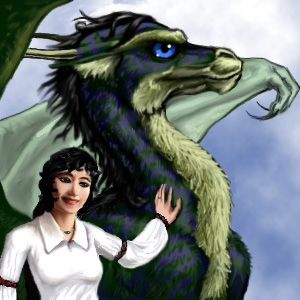
DRAGON
Description: The masterpiece of the ancient gene-techs, the dragon is a mixture of DNA from several
animals (mainly big cats, birds, and various dinosaurs) modified to have air sacks that store methane from
the digestive system. The result is a sleek, scaled reptile up to 30 feet long with wings, taloned feet, and the
ability to belch out its stomach gas which (when ignited with the chemical diphosphane) comes out as a jet
of fire. After the Crash dragons became intelligent and have become one of the most common and
respected of the Noble Class. Dragons come in a variety of breeds with different characteristics, each
designed to mimic a dragon from ancient pre-crash mythology. Dragons of all sorts may be any color.
Size Level: 21
Build: Long
Mutant Changes & Cost Total BIO-E: 0
Attribute bonus: +3 P.P., +2 P.S., +3 M.A., +2 I.Q., +2 P.B.
Human Features:
Hands: partial (automatic), 5 Bio-E for full, 10 for Extra Limbs
Biped: Partial (automatic), 5 Bio-E for Full
Speech: None (automatic), 5 Bio-E Partial, 10 for full
Looks: none (automatic): A long necked reptile with a graceful build, wedge shaped head, long neck,
muscular body, four powerful legs, and a long tail. Many (but not all) dragons have wings. A dragon with
this appearance and Full Hands and Biped is basically a humanoid lizard with clawed hands, slanted eyes,
long tails, and a muzzled face, much like the dragonborn of the 4th edition D&D game.
5 Bio-E for Partial: Dragons with this appearance have scaled skin, angular features, slanted eyes, pointed
ears, no tails, and clawed hands. They look like the half dragons of the 1st edition D&D game.
10 Bio-E for Full: Dragons of this type look like thin and striking oriental people with only the piercing
eyes, pointed ears, and abnormally long fingernails, and scales (if they have natural body armor) giving
them away.
Natural Weapons: 1d6 Claws on hands, 1d8 Teeth automatic (both 5 Bio-E)
Automatic Mutant Animal Powers: Fire Breath (15 Bio-E): The dragon can emit a blast of stomach gas
and ignite it by chemical means. The result is a jet of fire that shoots out of the chimera’s mouth and
extends to a basic range 160 feet. The flames cause 3d6 points of damage and (at the GM’s discretion) may
set any flammable objects in its path alight for 2d4 melees. For each extra 5 bio-E points spent on this
power the user receives one additional use per day. Some dragons have different types of breath but
damage and rules are the same as in Fire Breath.
Optional Mutant Animal Powers: 10 Bio-E for a clubbed or bladed tail (adds an extra attack that inflicts
2d6 points of damage to an opponent behind the dragon), 20 Bio-E for Paralytic Poison (see above), 10
Bio-E for Glide, 15 Bio-E for basic flight, 20 Bio-E for Soaring Flight, 5 Bio-E for Advanced Smell, 5 Bio-
E for Nightvision, 10 Bio-E for Infrared Vision, 10 Bio-E for Advanced Vision, 15 Bio-E for Extra
Physical Endurance 5Bio-E for Beastly Strength, 10 Bio-E for Brute Strength, 15 Bio-E for Crushing
Strength, 15 Bio-E for Predator Burst, 15 Bio-E for Light Natural Body Armor (A.R: 9 and + 20 S.D.C), 30
Bio-E for Medium Natural Body Armor (A.R: 13 and + 35 S.D.C), 45 Bio-E for Heavy Natural Body
Armor (A.R: 17 and + 60 S.D.C), and 20 Bio-E for Chameleon Camouflage Power (5% chance of being
detected if motionless and +20% to Prowl Skill, see Road Hogs ™ for more on this power.
Vestigial Disadvantage: none required, can take: Diet: carnivore or Diet: Ruminant (only one at -10 Bio-
E), Ears (-5 Bio-E), Horns (-5 Bio-E), Nearsighted (-5 Bio-E), Reptile Brain: Predator (-10 Bio-E), Tail (-5
Bio-E), Webbed Hands and Feet (-10 Bio-E), and Wings (-10 Bio-E).
76
DRAGON, FAERIE (Purebred)
Description: Based on the many tiny dragons of folklore (like the
Russian Puk and the European Firedrake) as well as those of
popular fiction, faerie dragons are miniature winged dragons in
every way. They tend to inhabit areas of forests where they live
with tribes of mutant humans (especially of the Noble Sort) or
mutant birds, deer, or rabbits. Faerie dragons are mischievous by
nature and they enjoy using their special abilities to camouflage
themselves while using psionics or sorcery to annoy
unsuspecting travelers.
Size Level: 3
Build: Long
Total BIO-E: 15
Attribute bonus: +3 P.P., +2 P.S., +3 M.A., +2 I.Q., +2 P.B
Human Features:
Hands: full with Extra Limbs (automatic)
Biped: Partial (automatic)
Speech: Full (automatic)
Looks: none (automatic): A cat-sized reptile with a long neck and graceful build. It has the wedge shaped
head, long neck, muscular body, four powerful legs, and a long tail of a typical dragon. Coloring may be
anything from bright red to purple in hue with every color in between.
Natural Weapons: 1d6 Claws on hands, 1d8 Teeth
Mutant Animal Powers: Fire breath, bladed tail with Paralytic Poison, Basic Flight, and Chameleon
Camouflage Power.
Vestigial Disadvantage: Diet: Ruminant (only at -10 Bio-E)
DRAGON, GUIVRE (Purebred)
Description: The proud guivre think of themselves as the pinnacle of
the draconic race, after all they are the most physically evolved of all
dragons with full hands, extra limbs, flame breath, and armored
scales. They look like the dragons of European myth with metallic
scales and a haughty attitude. No guivre would even think of
lowering himself enough to get his hands dirty at such a simple job
as farming or teaching (that is what the domestiques are for) and
even the freeborn are only good enough to be servants to the nobility.
No, a job at court is the only job for an aristocrat like a guivre.
Size Level: 14
Build: Long
Total BIO-E: 0
Attribute bonus: +3 P.P., +2 P.S., +3 M.A., +2 I.Q., +2 P.B
Human Features:
Hands: full with extra limbs (automatic)
Biped: Full (automatic)
Speech: Full (automatic)
Looks: none (automatic): A long necked reptile with a graceful build, wedge shaped head, long neck,
muscular body, powerful arms and legs, and a long tail. Two bat-like wings extend from the shoulders and
the coloring usually brilliant or metallic in hue.
Natural Weapons: 1d6 Claws on hands, 1d8 Teeth automatic
77
Mutant Animal Powers: Fire Breath, Basic Flight, Brute Strength, Bladed Tail, Light Natural Body
Armor (A.R: 9 and + 20 S.D.C).
Vestigial Disadvantage: Diet: carnivore, Ears, Horns, Reptile Brain: Predator, Tail.
DRAGON, KNUCKER (Purebred)
Description: The knuckers resemble the wingless dragons
of British lore. Basically an overgrown lizard with
armored scales and a heavy tail that ends in an arrow-
shaped blade, the knuckers tend to be gruff, down to earth
people as likely to own a farm as to be an advisor to the
royal court.
Size Level: 10
Build: Long
Total BIO-E: 20
Attribute bonus: +3 P.P., +2 P.S., +3 M.A., +2 I.Q., +2
P.B
Human Features:
Hands: Full (automatic)
Biped: full (automatic)
Speech: full (automatic)
Looks: none (automatic): A bulky long necked reptile with a wedge shaped head, powerful arms and legs,
and a long tail.
Natural Weapons: 1d6 Claws on hands, 1d8 Teeth automatic (both 5 Bio-E)
Mutant Animal Powers: Fire Breath (as described above), Bladed tail, Brute Strength, 30 Bio-E for
Medium Natural Body Armor (A.R: 13 and + 35 S.D.C).
Vestigial Disadvantage: Diet: carnivore (-10 Bio-E), Diet Herbivore (-5 bio-E), Ears, Horns (-5 Bio-E),
Nearsighted (-5 Bio-E), Reptile Brain: Predator (-10 Bio-E).
DRAGON, LONG (Purebred)
Description: This dragon breed was designed to look
like the dragons of the Orient. Longs have elongated
bodies, short arms and legs, branched horns like a
deer, no wings, and colorful scales. In the males a
pair of purple whiskers, like those of a catfish, adorn
the snout.
Size Level: 10
Build: Long
Total BIO-E: 45
Attribute bonus: +3 P.P., +2 P.S., +3 M.A., +2 I.Q., +2 P.B
Human Features:
Hands: full (automatic)
Biped: Partial (automatic)
Speech: Full (automatic)
Looks: none (automatic): A typical Chinese Dragon with blue scales and no wings.
Natural Weapons: 1d6 Claws on hands, 1d8 Teeth
78
Mutant Animal Powers: Mist Breath: The Lung cannot ignite its breath so the blast of methane is treated
as a cloud of poison gas with a range of 160 feet. The gas causes 3d6 points of damage, and Brute Strength,
Light Natural Body Armor (A.R: 9 and + 20 S.D.C),.
Vestigial Disadvantage: Ears, Horns, Nearsighted, Webbed Hands and Feet.
DRAGON, STAR (Purebred)
Description: These dragons were based on the fantastic
beasts ridden by the brave heroes of such books as Anne
McCaffrey’s Pern or Naomi Novik’s Temeraire series.
Dragons like the ones in the legends but friendly and
capable of flying aloft with a rider on their back. As star
dragons were bred to be eternally patient and gentile with
their chosen human partner they have a placid nature that
blossoms into fury if they think their home is in danger.
Today star dragons are exclusively used as the
partners/mounts of the aerial corps of the Dragon
Knights.
Size Level: 18
Build: Long
Mutant Changes & Cost Total BIO-E: 0
Attribute bonus: +3 P.P., +2 P.S., +3 M.A., +2 I.Q., +2
P.B.
Human Features:
Hands: Full with extra limbs (automatic)
Biped: partial
Speech: Partial or Telepathic Transmission (automatic)
Looks: none (automatic): A long necked reptile with a graceful build, wedge shaped head, long neck,
muscular body, four powerful legs, a long tail, and bat-like wings.
Natural Weapons: 1d6 Claws on hands, 1d8 Teeth automatic
Mutant Animal Powers: Fire Breath, Soaring Flight, Advanced Vision, Crushing Strength.
Vestigial Disadvantage: Diet: carnivore -10 Bio-E), Domestication (-10 Bio-E), Ears (-5 Bio-E), Horns (-5
Bio-E), Reptile Brain: Predator (-10 Bio-E), Tail (-5 Bio-E).
DRAGON, WYVERN (Purebred)
Description: The wyverns are based on the dragons of Eurasian
myth that had wings but only two legs. They are somewhat bat or
pterodactyl-like with hands at the end of the wings and long tails.
Wyverns are warriors by nature and often take training in the Martial
Arts (including Ninjitsu) specialize in traditional weapons.
Size Level: 11
Build: Long
Total BIO-E: 10
Attribute bonus: +3 P.P., +2 P.S., +3 M.A., +2 I.Q., +2 P.B.
Human Features:
Hands: full at end of wings (automatic)
Biped: full (automatic)
79
Speech: full (automatic)
Looks: none (automatic): A long necked bipedal reptile with a graceful build, wedge shaped head, beaked
snout, long neck, muscular body, powerful legs, two bat-like wings with hands attached, and a long tail
tipped with a diamond-shaped rudder.
Natural Weapons: 1d6 Claws on hands, 1d8 Teeth automatic (both 5 Bio-E)
Mutant Animal Powers: Fire Breath, 15 Bio-E for Basic Flight, 15 Bio-E for Light Natural Body Armor
(A.R: 9 and + 20 S.D.C).
Vestigial Disadvantage: Reptile Brain: Predator
GARGOYLE
Description: A gargoyle resembles a classical demon with skin
textured like stone. They often resemble apes with long reptilian
tails, bat-like wings, pointed ears, and clawed hands. Some also
have horns and bird-like beaks. It is most likely that gargoyles
are chimeras that incorporate the DNA of bats, primates, goats,
and reptiles. These chimeras were apparently created to mimic
creatures seen in a 1990’s animated cartoon and were later used
nocturnal watchdogs for companies. Today Gargoyles are still
protective beings that usually choose a profession involving
protecting others, be it body guarding or being security for the
palace.
Size Level: 10
Build: medium
Mutant Changes & Cost Total BIO-E: 10
Human Features:
Hands: full at end of wings (automatic), 5 for Extra Limbs
Biped: Partial (automatic), 5 Bio-E for Full
Speech: Full (automatic)
Looks: partial (automatic): A humanoid being with coarse features, large brow ridges, a powerful build and
clawed hands and feet. A long tail swishes behind and small horns crown the skull.
5 Bio-E for Full: Looks like a winged human with bumpy ridges on the forehead.
Natural Weapons: 1d6 Claws on hands, 1d6 Teeth automatic (both 5 Bio-E)
Automatic Mutant Animal Powers: Wings and Glide, Camouflage (5 Bio-E special: a gargoyles stony
hide gives it a 20% bonus on its Prowl skill whenever it can hide among normal statues).
Optional Mutant Animal Powers: 10 Bio-E for a clubbed tail (adds an extra attack that inflicts 1d8 points
of damage to an opponent behind the gargoyle), 5 Bio-E for basic flight, 10 Bio-E for Soaring Flight, 5
Bio-E for Advanced Smell, 5 Bio-E for Nightvision,, 10 Bio-E for Advanced Vision, 15 Bio-E for Extra
Physical Endurance, 15 Bio-E for Extra Physical Prowess, 5Bio-E for Beastly Strength, 10 Bio-E for Brute
Strength, 15 Bio-E for Crushing Strength, 15 Bio-E for Light Natural Body Armor (A.R: 9 and + 20
S.D.C), 30 Bio-E for Medium Natural Body Armor (A.R: 13 and + 35 S.D.C).
Vestigial Disadvantage: Domestication, Horns and Nocturnal required (already calculated into Bio-E), can
also take: Color Blindness (-5 Bio-E), Diet: carnivore (-10 Bio-E), Ears (-5 Bio-E),Hooves (-5 Bio-E),
Nearsighted (-5 Bio-E), Partial Hands (-5 Bio-E), Partial Speech (-5 Bio-E), Reptile Brain: Predator (-10
Bio-E), Tail (-5 Bio-E), Webbed Hands and Feet (-10 Bio-E),Wings (-10 Bio-E), Wingless (-15 Bio-E: the
gargoyle has no wings at all and cannot fly, he is also -1 to P.B. as a wingless gargoyle is not considered as
attractive to members of the opposite sex).
80
GRIFFIN
Description: The griffin is a chimera was created by splicing
together the genes of a large raptor (usually an eagle) and some
species of cat (usually a lion). The griffin has the head, front limbs,
and wings of a bird of prey and the hind legs, tail, and ears of a
feline. The most common type of griffin is half eagle and half lion
but other breeds of griffin exist that incorporate other types of bird
or big cat. Among the most common of these other breeds are the
Axex (half hawk, half domestic cat), the Chamrosh (half Falcon,
half wolf), the Heliodromos (Half Vulture, half lion), the Epimachus
(half eagle, half leopard), and the Japanese Kirni (half eagle, half
tiger). There is little difference other than cosmetic in these breeds
so I am making only a single entry.
Size Level: 13
Build: Medium
Mutant Changes & Cost Total BIO-E: 0
Attribute bonus: none
Human Features:
Hands: Extra limbs with full hands (automatic)
Biped: none (automatic), 5 Bio-E for Partial, 10 Bio-E for Full
Speech: None (automatic), 5 Bio-E for partial, 10 for Full
Looks: none (automatic): all Griffins have the head of a bird of prey (hawk, eagle or vulture) with feline (or
lupine) ears protruding from the feathers. They also have arms and hands resembling the feet of the bird
half and the wings as well. The body, hips, legs, and tail however is that of a feline (or lupine) with the
exact species depending on breed.
Natural Weapons: 1d8 Talons on hands. 1d8 Retractable Claws on feet (used with kick attacks), 1d10
beak (Bio-E cost of 5 each)
Automatic Mutant Animal Powers: Extra Limbs: Wings and Basic Flight.
Optional Mutant Animal Powers: 10 BIO-E for Soaring Flight, 5 Bio-E for Advanced Vision, 5 Bio-E
for Nightvision, 5Bio-E for Beastly Strength, 10 Bio-E for Brute Strength, 15 Bio-E for Crushing Strength,
5 Bio-E for Leaping Ability (Feline), and 15 Bio-E for Predator Burst
Vestigial Disadvantage: none required, can take: Diet: carnivore (-10 Bio-E), Paws (no full hands, the
character has normal feline or canine paws and wings, -10 Bio-E), Reptile Brain: Predator (-10 Bio-E), Tail
(-5 Bio-E), and Wings (-10 Bio-E, a griffin with this feature is known as a keythong).
HARPY
Description: The Harpy was created by combining human genes with
those of a vulture. The result has a human head and breast with the
body, wings, and tail of a scavenging bird. Harpies are famed for their
hypnotic song which they can use to force others to do their bidding.
Size Level: 4
Build: Medium
Mutant Changes & Cost Total BIO-E: 0
Attribute bonus: none
Human Features:
Hands: full hands at end of wings (automatic), 5 Bio-E for Extra
81
Limbs
Biped: Full (automatic)
Speech: Full (automatic)
Looks: partial (automatic): A human face and torso grafted onto the feathered rump and legs of a bird. The
arms (unless there are extra limbs) are feathered wings. The coloring is of the feathers is a brassy yellow
and bronze brown while the human parts are characterized by their hunched shoulders, wrinkled faces,
huge hooked nose, and lank, greasy hair.
Natural Weapons: 1d6 talons on feet (used with kick attacks), 1d8 beak (Bio-E cost of 5/10)
Automatic Mutant Animal Powers: Wings and Basic Flight, Hypnotic Song (15 Bio-E: special: this
power is the psionic power Hypnotic Suggestion but it can only be activated by the harpy while it is singing
and which affects anyone within 20 feet of the singing harpy).
Optional Mutant Animal Powers: 10 BIO-E for Soaring Flight, 5 Bio-E for Advanced Smell, 5Bio-E for
Beastly Strength,5 Bio-E for Extra Physical Beauty (the harpies human features become comparable to
those of an incredibly beautiful or handsome human while the bird parts resemble those of an eagle), 15
Bio-E for Extra Physical Endurance.
Vestigial Disadvantage: none required, can take: Diet: carnivore (-10 Bio-E), Reptile Brain: Predator (-10
Bio-E), and Wings (-10 Bio-E).
HIPPOCAMPUS
Description: The Hippocampus is a genetic chimera of horse and dolphin genes that have an equine head
and front legs (though instead of hooves there are webbed hands) combined with the body and tail of a
dolphin. The coloring varies from blue grey to pure white with manes like sea foam. These chimera work
with mermaids and the other aquatic nobles to govern aquatic mutants and protect Xanadu’s sea shores
from invaders.
Size Level: 16
Build: Medium
Mutant Changes & Cost Total BIO-E: 0
Attribute bonus: none
Human Features:
Hands: partial (automatic), 5 Bio-E for full
Biped: none (automatic, a fish-like tail), 5 Bio-E for partial (like a
sea lion), 10 Bio-E for full (webbed feet)
Speech: none (automatic), 5 Bio-E for partial, 10 Bio-E for full.
Looks: none (automatic): A horse-like head and neck, long arms
ending in webbed hands, and a body that tapirs into a fish-like tail.
Natural Weapons: none
Automatic Mutant Animal Powers: Hold Breath (5 Bio-E) and
Natural Swimming Ability (10 Bio-E: gives an automatic 70 % to
basic swim skill).
Optional Mutant Animal Powers: 5 Bio-E for Sonar, 5 Bio-E for Extra Physical Beauty, 15 Bio-E for
Extra Physical Endurance, 15 Bio-E for Extra Physical Prowess, 5Bio-E for Beastly Strength, 10 Bio-E for
Brute Strength, 15 Bio-E for Crushing Strength, 5 Bio-E for thick blubber (½ damage from cold and +20
S.D.C.), 15 Bio-E for Light Natural Body Armor (A.R: 9 and + 20 S.D.C).
82
Vestigial Disadvantage: Webbed hands and feet (-10 bio-E, already calculated into Bio-E) required, can
also take: Diet: carnivore (fish only-10 Bio-E), Diet: Herbivore (-5 Bio-E), Hooves (-5 Bio-E), and Reptile
Brain: Prey (-10 Bio-E).
HIPPOGRIFF
Description: The hippogriff is a chimera similar to the griffin only with the mammal half being that of a
horse instead of a lion. The falcon-like head has equine ears and flowing manes, the wings are feathered,
and the equine body can be any color horses normally come in.
Size Level: 14
Build: Medium
Mutant Changes & Cost Total BIO-E: 0
Attribute bonus: none
Human Features:
Hands: Extra limbs with full hands (automatic)
Biped: none (automatic), 5 Bio-E for Partial, 10 Bio-E for Full
Speech: None (automatic), 5 Bio-E for partial, 10 for Full
Looks: none (automatic): all hippogriffs have the head of a falcon
with equine ears protruding from the feathers. They also have arms
and hands resembling the feet of the bird half and the wings as well.
The body, hips, legs, and tail however is that of a horse.
Natural Weapons: 1d8 Claws on hands. 1d8 hooves on feet (used
with kick attacks), 1d10 beak (Bio-E cost of 5 each)
Automatic Mutant Animal Powers: Extra Limbs: Wings and Basic Flight.
Optional Mutant Animal Powers: 10 BIO-E for Soaring Flight, 5 Bio-E for Advanced Vision, 5 Bio-E
for Nightvision, 5Bio-E for Beastly Strength, 10 Bio-E for Brute Strength, 15 Bio-E for Crushing Strength,
and 5 Bio-E for Leaping Ability (normal).
Vestigial Disadvantage: Hooves required (already calculated in the Bio-E cost), can also take: Diet:
herbivore (-5 Bio-E), Paws (no full hands, the character has equine hooves and wings, -10 Bio-E), Reptile
Brain: Prey (-10 Bio-E), Tail (-5 Bio-E), and Wings (-10 Bio-E).
HSAIO
Description: The Hsaio is creature from Indonesian and
Oriental mythology that is half monkey and half owl. The
chimera created using this genetic combination was a winged
monkey, similar to those in the movie The Wizard of Oz. The
wings and feet however are those of an owl. The combination
of genes also had an unexpected side effect, the intelligence of
the monkey made them truly seem as wise as an owl. Today
the hsaio of Xanadu are mainly scholars who spend their time
researching rare tomes and gathering lost knowledge.
Size Level: 4
Build: Long
Mutant Changes & Cost Total BIO-E: 10
Attribute bonus: +3 I.Q., +1 M.E., +4 P.P., +1 Spd
Human Features:
83
Hands: Extra limbs with full hands (automatic)
Biped: partial (automatic), 5 Bio-E for Full
Speech: partial (automatic), 10 Bio-E for Full
Looks: partial (automatic): all Hsaio are winged monkeys. The eyes are large and round like an owl and the
feet end in cruel talons.
Natural Weapons: 1d4 talons on feet (used with kick attacks), 1d6 teeth (Bio-E cost of 5 each)
Automatic Mutant Animal Powers: Extra Limbs: Wings and Basic Flight, Prehensile tail
Optional Mutant Animal Powers: 10 BIO-E for Soaring Flight, 15 Bio-E for Silent Flight, and 5 Bio-E
for Nightvision.
Vestigial Disadvantage: none required, can take: Diet: herbivore (5 Bio-E), Diet: carnivore (-10 Bio-E),
Nocturnal (-10 bio-E), Reptile Brain: Predator or Prey (choose one -10 Bio-E), Tail (-5 Bio-E), and Wings
(-10 Bio-E)
HUMAN MUTANT, HSIEN
Perhaps due to influence from the Dreamland Park, all mutant humans in Asia are called Hsien, an ancient
term for a humanoid supernatural being. In addition to “normal hsien” this group also includes the
monstrous bakemono (see the bestiary) and the kamuii, an old name for the nobles of the hsien. Below are
the five most common kamuii in Asia, all form a major Noble family in the Empire of Xanadu and belong
to the royal court.
HUMAN, KAMUII: DWARF (PUREBRED)
Description: The Dwarves are perhaps the most stereotypical of these races for they are a short people
(typically only four feet tall) with long beards in the men. Said to be the descendants of a family of miners
and metal smiths, the dwarf community prides itself on making the best weapons and armor in the
kingdom. Thinks to the anti-metal virus the dwarves invented admantium, a crystalline substance harder
than iron yet as light as aluminum which can be smelted and shaped like metal yet is resistant to the virus.
The formula for creating this substance is a secret known only to the dwarven elders and they guard it
jealously.
Size Level: 10
Build: Short
Mutant Changes & Cost Total BIO-E: 0
Attribute bonus: +2 I.Q., +2 M.E., and +2 P.B.
Human Features:
Hands: full (automatic)
Biped: full (automatic)
Speech: Full (automatic)
Looks: Partial (automatic): Resembles an extremely short and
compact human at first glance. A closer inspection one can see
that the eyes are set under a sloping brow, the nose is huge and
potato-like, the ears are slightly pointed, and a very long and
shaggy beard (which starts growing at the age of three) covers
the lower part of the face. Eyebrows are often shaggy as well
(to match the beard) and the feet have webbed toes.
Natural Weapons: none
Automatic Mutant Animal Powers: Nightvision
84
Optional Mutant Animal Powers: see the core rulebook.
Vestigial Disadvantages: none required, may choose: Large pointed ears (-5), Webbed hands and Feet
(more so than normal, -5 Bio-E), Color Blindness (-5 Bio-E), Nearsighted (-5 Bio-E), and Nocturnal (-10
Bio-E).
HUMAN, KAMUII: Elf (PUREBRED)
Description: These people are the descendants of the nomadic camel and reindeer herders of Siberia. They
are a tall, thin people with uncommonly good looks and angular features. Elves are a pastoral people who
revere nature. They dress in silk or the skins of animals killed only for food (they do not believe in killing
animals purely for sport) and use stone or admantium weapons (traded by the dwarves) instead of metal.
Elves (just like their nomadic ancestors) are shamanistic and are the only noble house to contain both
shamans and sorcerers (if the sorcerer Profession was rolled, the character can change it to Shaman for
free). Elves also love animals and have a close relationship with Arabian horses, Bactrian Camels, Hawks,
and Wolves, all animals that they keep as court attendants and palace guards.
Size Level: 9
Build: Long
Mutant Changes & Cost Total BIO-E: 15 for Animal Psionics or
Mutant Human Powers
Attribute bonus: +2 I.Q., +2 M.E., and +2 P.B.
Human Features:
Hands: full (automatic)
Biped: full (automatic)
Speech: full (automatic)
Looks: Partial (automatic): Elves have a special form of Full Looks.
They look like normal humans at first glance but are much slimmer in
build, with high cheekbones, slanted eyes, pale cream skin, and
pointed ears. During the 20th Century a Trekkie would say that they
look like a supermodel Vulcan or a Japanese anime character.
Natural Weapons: none
Automatic Mutant Animal Powers: none
Optional Mutant Animal Powers: see the core rulebook.
Vestigial Disadvantages: Large Pointed Ears required, may choose any other from the core rulebook.
HUMAN, KAMUII: GREMLIN
(PUREBRED)
Description: These are a race of small people mutated to such an
extent that they barely seem human anymore. Disparagingly called
Hobgoblins or Imps by some, Gremlins are only 2 ½ to 3 feet tall
with huge bat-like ears, long arms and greenish skin covered in
course brown hair. Despite their odd appearance gremlins are
respected for their mechanical knowledge as all members of this
race have the psionic power of Natural Mechanical Genius.
Gremlins tend to have mischievous and playful natures with a love
of practical jokes (they may also have other psionic or sorcerous
powers) so people that call them disrespectful names do so at their
own risk.
85
Size Level: 4
Build: Medium
Mutant Changes & Cost Total BIO-E: 20 for anything but size
Attribute bonus: +2 I.Q., +2 M.E., and +2 P.B.
Human Features:
Hands: full (automatic)
Biped: Full (automatic)
Speech: Partial (automatic)
Looks: Partial (automatic): Gremlins have monkey-like faces with large eyes, bat-like ears and pointed
teeth. They also have short legs and long arms. The skin is usually greenish with short, course body hair.
There may or may not be head hair. Gremlins may also have horns or tails.
Natural Weapons: 1d6 claws, 2d4 teeth (5/10 Bio-E)
Automatic Mutant Animal Powers: Natural Mechanical Genius
Optional Mutant Animal Powers: see the core rulebook.
Vestigial Disadvantages: Large Pointed Ears required, may choose any other from the core rulebook.
HUMAN, KAMUII: ROKURO-KUBI (PUREBRED)
Description: The Rokuro-kubi is a mutant race unique to the eastern lands of Xanadu and the Golden
Realm. In appearance they look exactly like normal humans except that their teeth are slightly pointed and
their necks are as long and as flexible as a serpent’s coils. Rokuro-kubi are vampires and need to drink
blood to survive, they usually live with an extensive stable of servants who donate blood regularly for their
lieges.
Size Level: 10
Build: Medium
Mutant Changes & Cost Total BIO-E: 0
Attribute bonus: +2 I.Q., +2 M.E., and +2 P.B.
Human Features:
Hands: full (automatic)
Biped: Full (automatic)
Speech: Full (automatic)
Looks: Full (automatic): a Rokuro-kubi looks perfectly human at first
glance. On a closer look one sees that they have canine teeth that are
slightly longer than normal and that their necks are unbelievably long.
The neck of a Rokuro-kubi is as long as the character is tall and is
easily bent into flexible coils that can constrict with the strength of a
python. Normally these long necks are kept coiled around the torso
under the characters clothing (usually a loose fitting robe or kimono)
and whipped out only when needed.
Natural Weapons: 1d6 constriction with neck (5 Bio-E)
Automatic Mutant Animal Powers: Long prehensile neck (15 Bio-E, treat as extra limb)
Optional Mutant Animal Powers: see the core rulebook.
Vestigial Disadvantages: Diet: Carnivore (blood) Ears (large and pointed) required, may choose any other
from the core rulebook.
86
HUMAN, KAMUII: SATYR (PUREBRED)
Description: Satyrs are a race of kamuii that closely resemble the Greek god Pan. Unlike mutant sheep and
goats, true satyrs have a completely human face and five fingered hands. Satyrs are a fun loving race who
want little more than to dance, play music, grow grapes, make wine, drink wine, and try to attract the
opposite sex.
Size Level: 7
Build: Medium
Mutant Changes & Cost Total BIO-E: 0
Attribute bonus: +2 I.Q., +2 M.E., +2 P.B., and +2 P.P.
Human Features:
Hands: full (automatic)
Biped: partial-animal (automatic)
Speech: Full (automatic)
Looks: Full (automatic): Satyrs look like short humans with
the legs and tail of a goat. Two horns grow from between
the pointed ears and the skin of the legs is very hairy.
Otherwise the character looks perfectly human.
Natural Weapons: 1d6 horns (5 Bio-E)
Automatic Mutant Animal Powers: Extra Physical Prowess (15 Bio-E, included in attributes above),
Leaping: Standard (5 Bio-E)
Optional Mutant Animal Powers: see the core rulebook.
Vestigial Disadvantages: Ears (large and pointed) required, may choose any other from the core rulebook.
HUMAN, KAMUII: SPRITE (PUREBRED)
Description: Sprites are the stereotypical winged faeries of popular imagining. Whether they are some
natural mutation or the result of some chimerical experiment is unknown but they look like tiny humans
with pointed ears and the wings of a giant insect. Sprites are not the brightest of nobles (no doubt due to
their small size) and they like being out and exploring over being cooped up in a Castile. As a result most
sprites work for the other nobles as spies. They also have a natural talent for controlling mutant insects so
many noble owners of silk moth or giant beetle farms employ sprites to manage their beasts.
Size Level: 3
Build: Medium
Mutant Changes & Cost Total BIO-E: 10 for
any other than size
Attribute bonus: +2 I.Q., +2 M.E., +2 P.B.
Human Features:
Hands: Extra limbs with full hands (automatic)
Biped: Full (automatic)
Speech: Full (automatic)
Looks: Full (automatic): Look just like a normal
human except for the pointed ears and insect
wings. The wings may resemble those of a
dragonfly or be brightly colored like that of a
butterfly.
Natural Weapons: none
87
Automatic Mutant Animal Powers: Wings and flight, Communicate with Mutant Insects (Psionic Power)
Optional Mutant Animal Powers: see the core rulebook.
Vestigial Disadvantages: Ears (large and pointed) required, may choose any other from the core rulebook.
KAMAITACI
Description: The kamaitaci is a mixture of ermine and preying mantis genes based on a monster from
oriental myth. The mythical kamaitaci was said to run in packs of three, the first knocked down an
unsuspecting victim, the second cut him with its claws, and the third healed the victim. The chimera created
to mimic this myth looks exactly like a mutant weasel except that the hands are armed with razor sharp
sickle-like claws.
Size Level: 1
Build: Long
Mutant Changes & Cost Total BIO-E: 50
Attribute bonus: P.P. +4, Spd: +5
Human Features:
Hands: none (automatic, hands are sickle shaped like the claws of a preying mantis)
5 Bio-E for Partial (three fingers protrude from the base of the “blade”)
10 Bio-E for Full (hands have long curved claws, like Freddy Kruger)
Biped: none (automatic), 5 Bio-E for Partial, 10 Bio-E for Full
Speech: None (automatic), 5 Bio-E for partial, 10 for Full
Looks: none (automatic): Looks like a mutant weasel with the forepaws of a preying mantis.
Natural Weapons: 1d10 claws (5 Bio-E), 1d8 Teeth (5 Bio-E)
Automatic Mutant Animal Powers: The character can choose one of the following:
1. Increased Metabolic Rate (20 Bio-E: adds +5 to Strike, +4 to Parry and Dodge, +2 to Damage, and +2
attacks per melee; see Weasel for more on this power) and the Animal Speech Psionic Power (5 Bio-E).
2. Heal (20 Bio-E: This power works just like Bio-Manipulation except that instead of harming a target it
cures 2d6 points of damage per minute of duration. This power cures hit point damage before affecting
S.D.C.) and the Cell Reader Psionic Power (5 Bio-E).
Or
3. Psionic Claws (25 Bio-E) as the Psionic power.
Optional Mutant Animal Powers: 10 Bio-E for Advanced Smell.
Vestigial Disadvantage: Diet Carnivore (-10 Bio-E) required, can also take: Color Blindness (-5 Bio-E),
Musk Glands (-5 or -10 Bio-E), Nocturnal (-10 Bio-E), Reptile Brain: Predator (-10 Bio-E), tail (-5 Bio-E).
KAPPA
Description: The kappa, based on an entity from Japanese folklore is a mixture of monkey, platypus, and
turtle genes. In appearance a kappa looks like a scaled green monkey with the beak and shell of a turtle.
Kappas are immensely strong for their size and legend states this is because the water that floats in a
depression in the top of the head gives them magic. It actually doesn’t but the legend is so ingrained many
kappa believe it and the effect has become psychosomatic: a kappa who loses the water in his head actually
88
thinks he is weak until he can refill the depression with water, much like the Popeye Crazy Hero effect
form Rifts. Many Kappa use their natural healing bonus to become physicians while others prefer lives in
the army or as martial artists.
Size Level: 5
Build: Medium
Mutant Changes & Cost Total BIO-E: 5
Attribute bonus: none
Human Features:
Hands: Full hands (automatic)
Biped: Full (automatic)
Speech: Full (automatic)
Looks: none (automatic): all kappa have the body of a humanoid
monkey with a beaked face, webbed hands and feet, green scales, and a
shell on the back like a turtles. A saucer-like depression surrounded by
stringy black hair crowns their skull. This dish is kept filled with water
at all times or the character will believe that he is as weak as a kitten.
Kappas also have a kangaroo-like pouch on the abdomen which they
use to carry their eggs or belongings.
Natural Weapons: none
Automatic Mutant Animal Powers: Beastly Strength (5 Bio-E, applies only when the skull dish is filled
with water), 10% bonus to all Medical Skills (5 Bio-E), Bio-Regeneration (20 Bio-E: the kappa can heal
any damage to himself at a rate of 2d6 points of damage, healing hit points before S.D.C., this power can
even heal severed limbs but it only works if the kappa is immersed in water and concentrating so is useless
in combat), Light Natural Body Armor (15 Bio-E: A.R: 8, +20 S.D.C.)
Optional Mutant Animal Powers: 10 BIO-E for Crushing Strength (useful only if head dish is filled with
water), 5 Bio-E for Hold Breath, 10 Bio-E for Natural Swimming Ability (gives an automatic 70 % to basic
swim skill), 30 Bio-E for Medium Natural Body Armor (A.R: 10, +40 S.D.C.), 45 Bio-E for Heavy Natural
Body Armor (A.R: 12, + 60 S.D.C.), 60 Bio-E for Extra heavy Natural Body Armor (A.R: 14, + 80 S.D.C.)
Vestigial Disadvantage: Psychosomatic strength (-10 Bio-E) and Webbed hands and Feet (-10 Bio-E)
required, can also take: Diet: Sangivore (-15 Bio-E, is a vampire who must drink blood to survive), Musk
Glands (-5 Bio-E), Nocturnal (-10 Bio-E), Shell (-15 bio-E, the kappa has no shell and thus cannot have
Natural Body Armor), Reptile Brain: Predator (-10 Bio-E), and Tail (-5 Bio-E).
LEOCROTA
Description: The leocrota is a mixture of badger,
hyena, cheetah, and antelope DNA. It looks like a
hyena with the body of a gazelle. The fur is a dull white
with a dark, badger-like stripe on each side of the face
and a black tuft at the end of its long cheetah-like tail.
The strangest feature of this creature however is its very
wide mouth that is filled with teeth that resemble
horizontal bony ridges. Leocrota are also notable for
their laugh that sounds like a room full of people all
talking at once.
Size Level: 12
Build: long
Mutant Changes & Cost Total BIO-E: 10
Attribute bonus: Spd: 2d6+15
89
Human Features:
Hands: none (automatic), 5 Bio-E for Partial, 10 Bio-E for Full
Biped: none (automatic), 5 Bio-E for Partial, 10 Bio-E for Full
Speech: None (automatic), 5 Bio-E for partial, 10 for Full
Looks: none (automatic): all leocrota look something like a cheetah with the long legs of an antelope or
deer and the head of a giant badger. The face has a hyena-like jaw structure and unique teeth that can chew
bone to powder.
Natural Weapons: 1d6 hooves on feet (5 Bio-E, used with kick attacks), 4d6 Bolt-Cutter teeth
(Bio-E cost of 15, and see Powers below)
Automatic Mutant Animal Powers: Bolt Cutter teeth (see above: able to slice through thin objects made
of wood, bone, metal. or plastic such as wire, rope, chains, and bars at a rate of three inches per melee),
Brute Strength (5 Bio-E), Extra Speed (5 Bio-E, see above).
Optional Mutant Animal Powers: 10 Bio-E for Extra Speed (3d6 +30), 5 Bio-E for Advanced Smell,
5Bio-E for Beastly Strength, 10 Bio-E for Crushing Strength, 5 Bio-E for Leaping Ability (Standard), and
15 Bio-E for Extra Physical Prowess.
Vestigial Disadvantage: Diet: Carnivore (-10 Bio-E, bones only) and Hooves (-5 Bio-E) required, can also
take: Ears (-5 Bio-E), Prey Eyes -10 Bio-E), Reptile Brain: Predator (-10 Bio-E), and Tail (-5 Bio-E).
MANTICORE
Description: The manticore is chimera composed of human, tiger, porcupine, and shark DNA. It has the
body of a tiger, the head of a man, and the teeth of a shark. The tiger’s tail ends in a tuft of porcupine quills
that can be lashed at foes. Some manticores also have bat DNA mixed in their makeup, these manticores
are easily identified due to their bat-like wings.
Size Level: 14
Build: Medium
Mutant Changes & Cost Total BIO-E: 0
Attribute bonus: none
Human Features:
Hands: none (automatic),
5 Bio-E for Partial
10 Bio-E for Full
15 Bio-E for Extra limbs (Wings
plus Full human hands)
Biped: None (automatic), 5 Bio-E for
Partial, 10 Bio-E for Full
Speech: Partial (automatic), 5 Bio-E for Full
Looks: Partial (automatic): a manticore with this level of appearance has a human on a feline body
Natural Weapons: 1d8 Retractable Claws on hands, 2d8 teeth (5 and 10 Bio-E respectively, see also
Automatic Powers below).
Automatic Mutant Animal Powers: Quills on tip of tail like a porcupine. Anyone struck by the tail takes
3d6 points of damage and by lashing the tail, any loose quills (1d4 per lash) can be thrown at an attacker
like a dagger for 1d4 damage each. A manticore has enough quills to do this 8 times a day. (Worth 15 Bio-
E).
90
Optional Mutant Animal Powers: 10 Bio-E for Glide, 20 bio-E for basic Flight, 30 BIO-E for Soaring
Flight, 5Bio-E for Beastly Strength, 10 Bio-E for Brute Strength, 15 Bio-E for Crushing Strength, 5 Bio-E
for Leaping Ability (Feline), 20 Bio-E for Paralytic poison (as rattlesnake) on tail quills only, 35 Bio-E for
Deadly poison (as rattlesnake) on tail quills only), and 15 Bio-E for Predator Burst
Vestigial Disadvantage: Diet Carnivore (-10 Bio-E) and Reptile Brain: Predator (-10 Bio-E) required, can
also take: Nocturnal (-5 Bio-E), Tail (-5 Bio-E), and Wings.
MERMAID
Description: A mermaid (or merman if male) is a chimera
composed of human and fish DNA. They look perfectly human
from the waist up and from the waist down they have the tail of
a large fish. Mermaids are the most common aquatic noble and
own many underwater palaces off the coast of Asia.
Size Level: 9
Build: Medium
Mutant Changes & Cost Total BIO-E: 0
Attribute bonus: none
Human Features:
Hands: Full (automatic)
Biped: none (automatic, a fish-like tail)
5 Bio-E for partial (two big flippered feet a sea lion)
10 Bio-E for full (full human feet with five toes)
Speech: Full (automatic)
Looks: partial (automatic): A humanoid head and torso with an ape-like face, scraggly hair like seaweed,
and fin-like ears. The humanoid chest and arms combine at the waist to a fish-like tail and the hands are
webbed.
5 For Full: Looks perfectly human except for the fish-like tail.
Natural Weapons: none
Automatic Mutant Animal Powers: Hold Breath (5 Bio-E) and Natural Swimming Ability (10 Bio-E:
gives an automatic 70 % to basic swim skill). Hypnotic song: treat as the psionic gift Hypnotic suggestion
but affects everybody within a 20-foot radius who hear the song (15 Bio-E).
Optional Mutant Animal Powers: 5 Bio-E for Sonar, 5 Bio-E for Extra Physical Beauty, 5Bio-E for
Beastly Strength, 10 Bio-E for Brute Strength, 5 Bio-E for thick blubber (½ damage from cold and +20
S.D.C.), 15 Bio-E for Light Natural Body Armor (scales: A.R: 6 and + 20 S.D.C).
Vestigial Disadvantage: Webbed Hands and Feet (-10 Bio-E) required, can also take: Diet: carnivore (fish
only -10 Bio-E) and Ears (-5 Bio-E)
ONI
Description: The oni of legend was a Japanese ogre described as looking like a giant man with only two
clawed toes on each foot and with the eyes and teeth of a tiger. The chimerical variety of Xanadu is a
mixture of gorilla, goat, and tiger DNA. The result is an 800 lb, 7 ½ foot tall, massively muscled humanoid
covered with dark fur everywhere but on the face and hands. The oni also has pointed teeth, retractable
claws on the hands, split toes, and horns on the head.
Size Level: 14
Build: Medium
91
Mutant Changes & Cost Total BIO-E: 0
Attribute bonus: P.S: +4
Human Features:
Hands: Partial (automatic), 5 Bio-E for Full
Biped: Partial (automatic), 5 Bio-E for Full
Speech: None (automatic), 5 Bio-E for partial, 10 for Full
Looks: Partial (automatic): An Oni resembles a giant humans covered in dark hair. The bare face, hands,
and feet are usually covered with leathery reddish skin, though oni with greenish and purplish skin are not
unknown. The eyes and teeth are feline, as are the retractable claws that extend from the fingers, but the
horns on the head are pure goat. In addition the feet have only two toes that end in horny hoof-like claws.
Like gorillas, oni weigh more than their height would indicate (add 1d4 x 100 lbs to weight) - look at the
cover to see an oni in full samurai armor).
Natural Weapons: 1d8 Retractable Claws on hands, 1d8 teeth, and 1d6 horns (all cost 5 Bio-E).
Automatic Mutant Animal Powers: Brute Strength (10 Bio-E)
Optional Mutant Animal Powers: 5 Bio-E for Advanced Smell, 5 Bio-E for Crushing Strength, 5 Bio-E
for Leaping Ability (Feline), and 15 Bio-E for Predator Burst
Vestigial Disadvantage: Diet: Carnivore (-10 Bio-E) and Reptile Brain: Predator (-10 Bio-E) required, can
also take: Horns (-5 Bio-E), Hooves (-5 Bio-E), and Tail (a tiger’s tail -5 Bio-E).
OPINICUS
Description: The opinicus is a chimera similar to a griffin in form. Like a griffin it was created by splicing
together the genes of an eagle and a lion. Unlike the griffin it also dragon and camel DNA added to the
mix. The result is a creature with the head of an eagle, the body and tail of a camel, and the legs of a lion,
and the neck and wings of a dragon. Opinicus love desert areas where they build their palaces near oases
stocked with trees and plants for these nobles are pure vegetarians.
Size Level: 13
Build: Medium
Mutant Changes & Cost Total BIO-E: 0
Attribute bonus: none
Human Features:
Hands: Extra limbs with full hands (automatic)
Biped: none (automatic), 5 Bio-E for Partial, 10 Bio-E for
Full
Speech: None (automatic), 5 Bio-E for partial, 10 for Full
Looks: none (automatic): All opinicus have the head of an
eagle with the ears of a camel. They also have hairy arms
and hands (like those of a monkey) and the feet of a big
cat. The body and tail is that of a dromedary camel while
the long neck and bat-like wings are those of a dragon.
Natural Weapons: 1d8 Retractable Claws on hands, 1d8 talons on feet (used with kick attacks), and 1d8
teeth (all 5 Bio-E each).
Automatic Mutant Animal Powers: Extra Limbs: Wings and Basic Flight.
92
Optional Mutant Animal Powers: 10 BIO-E for Soaring Flight, 5 Bio-E for Advanced Vision, 5Bio-E for
Beastly Strength, 10 Bio-E for Brute Strength, 15 Bio-E for Crushing Strength, 5 Bio-E for Leaping Ability
(Feline), and 15 Bio-E for Predator Burst
Vestigial Disadvantage: Diet: Herbivore (-5 Bio-E) required, can also take: Diet: Ruminant (-10 Bio-E),
Paws (no full hands, the character has normal leonine paws and wings, -10 Bio-E), Reptile Brain: Predator
(-10 Bio-E), Tail (-5 Bio-E), and Wings.
PANTHALOPS
Description: The panthalops is a chimera created from mixing the DNA of a deer with that of a chameleon.
The result is an animal similar to a small grey reindeer but with the ability to change its coloring like a
chameleon. The mythical panthalops was also famous for their multi-tined antlers that are said to be made
out solid silver. Hunters would chase the deer into thickets in the hope that their antlers would get caught in
the trees, thus trapping the panthalops until the hunter arrived. The real panthalops does not have actual
silver antlers (only silver colored) but its antlers are very large and may accidently catch on things.
Size Level: 10
Build: Medium
Mutant Changes & Cost Total BIO-E: 10
Attribute bonus: P.S: +1, P.E: +1, Spd: +3
Human Features:
Hands: none (automatic), 5 Bio-E for Partial, 10
Bio-E for Full
Biped: none (automatic), 5 Bio-E for Partial, 10
Bio-E for Full
Speech: None (automatic), 5 Bio-E for partial, 10
for Full
Looks: none (automatic): panthalops look like a
small reindeer with huge multi-tined antlers in both
sexes. The fur is a neutral brownish grey but can be changed at will.
Natural Weapons: 3d6 huge antlers (15 Bio-E)
Automatic Mutant Animal Powers: Extra Limbs: Chameleon Skin (5 Bio-E, as the Chameleon Mouse
power on page 130 of After the Bomb® 2nd edition.
Optional Mutant Animal Powers: 15 Bio-E for Extra Physical Prowess, 15 Bio-E for Extra Physical
beauty, 10 Bio-E for Extraordinary Speed (2d6+15), 15 Bio-E for Extraordinary Speed (3d6+15), 5Bio-E
for Beastly Strength, 10 Bio-E for Brute Strength, 15 Bio-E for Crushing Strength, and 5 Bio-E for Leaping
Ability (Standard).
Vestigial Disadvantage: Big Antlers required (-5 Bio-E, antlers have a 65% chance of catching on any
protruding object including tree limbs, chandeliers, and rope if the character is moving hurriedly, the
character can minus his level from this total: so a 5th level panthalops character has only a 60% chance of
catching his horns), can also take: Cervid Antlers (-5 Bio-E), Color Blindness (-5 Bio-E), Diet: herbivore (-
5 Bio-E), Diet: Ruminant (-10 Bio-E), Horns (-5 Bio-E), Hooves (-5 Bio-E), Reptile Brain: Prey (-10 Bio-
E), Tail (-5 Bio-E).
PEGASUS
Description: The Pegasus is a horse with the wings of a swan. They were found in any culture that had
horses and were one of the staples of pre-crash fantasy fiction. As a result of this interest pegasi were
among the first chimera deliberately created for Dreamland.
93
Size Level: 18
Build: Medium
Mutant Changes & Cost Total BIO-E: 0
Attribute bonus: P.B: + 1d4+4, Spd: +2d6+15
Human Features:
Hands: Extra limbs with full hands (automatic)
Biped: none (automatic), 5 Bio-E for Partial, 10 Bio-E for
Full
Speech: None (automatic), 5 Bio-E for partial, 10 for Full
Looks: None (automatic): all pegasi look like winged
horses. The fur may be any equine color (though black,
white, and palomino are the most common) while the
feathered wings may be white, black, golden, chestnut, or
the same color as the fur.
Natural Weapons: 2d4+2 Hooves on hands, 2d4+2 hooves on feet (used with kick attacks): Bio-E cost of
5 each.
Automatic Mutant Animal Powers: Extra Limbs: Wings and Basic Flight, Extraordinary Physical Beauty
(5 Bio-E), and Extraordinary speed (5 Bio-E): already calculated in the attribute bonuses given above).
Optional Mutant Animal Powers: 10 BIO-E for Soaring Flight, 5 Bio-E for Advanced Smell, 5 Bio-E for
Advanced Vision, 5Bio-E for Beastly Strength, 10 Bio-E for Brute Strength, 15 Bio-E for Crushing
Strength, 5 Bio-E for Leaping Ability (Standard), and 15 Bio-E for Extra Physical Prowess.
Vestigial Disadvantage: none required, can take: Diet: Herbivore (-5 Bio-E), Diet: Ruminant (-10 Bio-E),
Domestication (-10 Bio-E), Hooves (-5 Bio-E), Paws (no full hands, the character has normal equine
hooves and wings, -10 Bio-E), Prey Eyes (-10 Bio-E), Reptile Brain: Prey (-10 Bio-E), Tail (-5 Bio-E), and
Wings (-10 Bio-E).
PERYTON
Description: The Peryton is a chimera composed of the DNA of a
deer and a bird of prey. There are two types of peryton. The true
peryton, which was based on a monster from Greek mythology, is a
fearsome carnivorous predator. The second type is the snafus, based
on a creature from Canadian Lumberjack myth the snafus is a gentle
herbivore. Other than in behavior the two types are identical and have
the head and legs of a deer combined with the body and wings of a
falcon.
Size Level: 13
Build: Medium
Mutant Changes & Cost Total BIO-E: 10
Attribute bonus: P.S: + 1, Spd: +3
Human Features:
Hands: Extra Limbs with wings and full hands (automatic)
Biped: none (automatic), 5 Bio-E for partial, 10 Bio-E for Full
Speech: None (automatic), 5 Bio-E for partial, 10 for Full
Looks: None (automatic): all peryton look like a bird of prey with the head and feet of a deer. The coloring
is a dead black with blue feathers on the breast of the male and green feathers on the female.
94
Natural Weapons: 2d6 antlers (10 Bio-E)
Automatic Mutant Animal Powers: Wings and Basic Flight
Optional Mutant Animal Powers: 10 BIO-E for Soaring Flight, 5 Bio-E for Advanced Smell, 5 Bio-E for
Advanced Vision, 5Bio-E for Beastly Strength, 10 Bio-E for Brute Strength, 15 Bio-E for Crushing
Strength, 5 Bio-E for Leaping Ability (Standard), and 15 Bio-E for Extra Physical Prowess.
Vestigial Disadvantage: Hooves (5 Bio-E) required (already calculated into the Bio-E), can also take:
Cervid Antlers (-5 Bio-E), Diet: Carnivore or Diet: Ruminant (choose one: -10 Bio-E), Paws (no full hands,
the character has normal equine hooves and wings, this option can only be taken if the character has extra
limbs, -10 Bio-E), Prey Eyes (-10 Bio-E), Reptile Brain: Prey or Predator (choose one: -10 Bio-E), and
Wings (-10 Bio-E).
PHOENIX
Description: Based on the firebirds of Russia and the Fung-Hwang of the Orient the phoenix is a beautiful
peacock-like bird with golden-red feathers and a hooked beak like a falcon. It is a chimera, perhaps of
raptor and peacock genes in which the bioluminescent genes that were used for the chameleon mouse and
the fire-proof secretions found in some insects have been inserted.
Size Level: 4
Build: Medium
Mutant Changes & Cost Total BIO-E: 0
Attribute bonus: +3 M.A., +4 P.B.
Human Features:
Hands: partial at end of wings (automatic), 5 Bio-E for full, 10
for Extra Limbs
Biped: full (automatic)
Speech: full (automatic)
Looks: none (automatic): A long necked peacock-like bird with
a hooked beak and plumage of fiery reds, violet and gold.
Natural Weapons: none
Automatic Mutant Animal Powers: Wings and Basic Flight,
Immunity to Flames (special: 10 Bio-E: the phoenix takes only
half damage from flame due to its fire-retardant feathers),
Generate Light and Light Pulse (special, 20 Bio-E, the same as
the Chameleon mouse abilities, see After the Bomb® 2nd edition page 130.
Optional Mutant Animal Powers: 20 Bio-E for Soaring Flight, 10 Bio-E for Advanced Vision, 5 Bio-E
for Extra Physical beauty.
Vestigial Disadvantage: none required, can take: Diet: herbivore (-5 Bio-E), Reptile Brain: Prey (-10 Bio-
E), Tail (-5 Bio-E), and Wings (-10 Bio-E).
QI-LIN
Description: The qi-lin is a chimera based on the magical chi-lin (also spelled ki-lin, ki-rin, and ri-rin) of
the Orient. While often called the “oriental unicorn” this is incorrect. The oriental unicorn (or zhi) was
originally a very different creature than the qi-lin. It is more correct to call the qi-lin a dragon horse as
several myths call it just that. It is a mixture of deer, horse, and lizard genes that looks like a small horse
covered in glittering scales with a flowing mane and tail, two antlers on the head, and a dragon-like snout.
95
It is said that all qi-lin are sorcerers of the highest power who are taught how to control this magical talent
at a monastery high in the Himalayas.
Size Level: 10
Build: Medium
Mutant Changes & Cost Total BIO-E: 20
Attribute bonus: M.A: + 6
Human Features:
Hands: none (automatic), 5 Bio-E for Partial, 10 Bio-E
for Full
Biped: none (automatic), 5 Bio-E for Partial, 10 Bio-E
for Full
Speech: None (automatic), 5 Bio-E for partial, 10 for
Full
Looks: none (automatic): all qi-lin look like scale
covered horses with a flowing mane and tail. Unlike a
horse the hooves are cloven and the head is like a
dragons. Color is either gold with a reddish gold mane/tail and blue eyes or silver blue with a white
mane/tail and violet eyes. The horns and hooves are pinkish gold and the body is marked with white spots.
Natural Weapons: 1d6 hands, 1d6 hooves on feet (used with kick attacks), 1d8 Teeth (Bio-E cost of 5
each)
Automatic Mutant Animal Powers: Psychic Walk (10 Bio-E, automatic psionic power).
Optional Mutant Animal Powers: 10 Bio-E for Psychic Flight (as psychic walk but allows the character
to fly like Superman at the same speed as basic flight), 5 Bio-E for Extra Speed (2d6 +15), 15 Bio-E for
Extra Speed (3d6 +30), 5 Bio-E for Advanced Smell, 5 Bio-E for Advanced Vision, 5 bio-E for Brute
Strength, 10 Bio-E for Beastly Strength, 15 Bio-E for Crushing Strength, 5 Bio-E for Leaping Ability
(Standard), and 15 Bio-E for Extra Physical Prowess.
Vestigial Disadvantage: Diet: Herbivore (-5 Bio-E) Horns (-5 Bio-E), and Hooves (-5 Bio-E) required,
can also take: Diet: Ruminant (-10 Bio-E), Cervid Antlers (-5 Bio-E), Ears (-5 Bio-E), Prey Eyes -10 Bio-
E), Reptile Brain: Prey (-10 Bio-E), and Tail (-5 Bio-E).
SHEDU
Description: A buffalo with the head of a man and the wings of a bird, Shedu were originally creatures of
Babylonian and Chinese myth that were said to guard temples. In modern times a famous role playing
game has (ever since its 3rd edition) mistaken the shedu for the human headed horse Al-Borak of Arabia.
Luckily the genetic engineers of Dreamland were better read and the shedu of Xanadu is a chimera of man,
cow, and eagle just like its ancient namesake.
Size Level: 17
Build: Short
Mutant Changes & Cost Total BIO-E: 0
Attribute bonus: 0
Human Features:
Hands: Extra Limbs with no human hands: see below
(automatic), 5 Bio-E for Extra limbs with Partial hands, 10
Bio-E for Extra Limbs and Full Hands.
Biped: none (automatic), 5 Bio-E for Partial, 10 Bio-E for
Full
96
Speech: Full (automatic)
Looks: partial (automatic): all shedu look like normal cattle but have the head of a human being (albeit with
horns) and the wings of a bird.
Natural Weapons: 1d4 horns (see below)
Automatic Mutant Animal Powers: Wings and Basic Flight
Optional Mutant Animal Powers: 5 BIO-E for Soaring Flight, 10 Bio-E for Brute Strength, 15 Bio-E for
Crushing Strength, 5 Bio-E for Leaping Ability (Standard), 10 Bio-E for Extraordinary Speed (2d6 +15),
and 15 Bio-E for Extra Physical Endurance.
Vestigial Disadvantage: Horns (-5 Bio-E), Hooves (-5 Bio-E) and Paws (no full hands, the character has
normal equine hooves and wings, -10 Bio-E) required (already calculated into the Bio-E), can also take:
Diet: Herbivore (-5 Bio-E), Diet: Ruminant (-10 Bio-E), Domestication (-10 Bio-E),Tail (-5 Bio-E), and
Wings (-10 Bio-E).
SIMURGH
Description: The Simurgh or cynogriffin was a creature
from Alaskan, Persian and Russian mythology that
resembled a hybrid of dog and bird. This magical beast
was said to have feathers that could heal any wound and
was said to nest upon the Tree of Life. In Asia there is
no magical tree but there is a chimera composed of the
DNA of a canine and a peacock. This winged canine is
best known for its loyalty and good nature as well as a
healing enzyme produced by the feathers in its wings.
Size Level: 5
Build: medium
Mutant Changes & Cost Total BIO-E: 21
Attribute bonus: 0
Human Features:
Hands: Extra Limbs with wings and full hands
(automatic)
Biped: none (automatic), 5 Bio-E for Partial, 10 Bio-E for Full
Speech: None (automatic), 5 Bio-E for partial, 10 for Full
Looks: none (automatic): All simurgh look like a wolf or German shepherd dog with the wings and tail of a
bird or paradise. The fur varies from a silvery white to black or brown while the feathers are a bright silver,
golden brown and golden red.
Natural Weapons: 1d4 talons on feet (used with kick attacks), and 1d6 teeth (both 5 Bio-E each).
Automatic Mutant Animal Powers: Wings and Basic Flight, Healing feathers (20 Bi0-E): by removing a
flight feather and soaking it in wine, the simurgh can make a potion that will cure 1d8 Points of damage or
automatically become an antidote for any poison. Each feather causes one point of damage to the simurgh
when removed and will make enough potion for one dose. A simurgh has 12 flight feathers on each wing
and cannot fly if more than three are removed from a wing.
Optional Mutant Animal Powers: 10 BIO-E for Soaring Flight, 5 Bio-E for Advanced Smell, 5Bio-E for
Beastly Strength, 10 Bio-E for Brute Strength, 15 Bio-E for Crushing Strength, 5 Bio-E for Leaping Ability
(Standard), and 15 Bio-E for Predator Burst
97
SPHYNX
Description: The sphinx (also known as a lamassu), is a mixture of human, feline and eagle DNA. Most
sphinxes are basically winged cats and flying panthers, lions, and tigers exist. Some have more human
genes than others and these sphinxes have human heads on the body of a winged cat. Generally both types
of sphinxes have the same characteristics and appearance is the only difference.
Size Level: 14
Build: Medium
Mutant Changes & Cost Total BIO-E: 0
Attribute bonus: none
Human Features:
Hands: Extra limbs with full hands (automatic)
Biped: none (automatic), 5 Bio-E for Partial, 10 Bio-E for
Full
Speech: Full (automatic)
Looks: none (automatic): a sphinx with this level of
appearance looks just like a winged lion, leopard, panther or
tiger.
5 Bio-E for Partial: a sphinx with this level of
appearance has human DNA mixed in with the feline and
eagle. It has a human head instead of a feline.
10 Bio-E for Full: as a feline with human looks but
will have a perfectly human face and wings.
Natural Weapons: 1d8 Retractable Claws on hands, 1d8 teeth (Bio-E cost of 5 each)
Automatic Mutant Animal Powers: Extra Limbs: Wings and Basic Flight.
Optional Mutant Animal Powers: 10 BIO-E for Soaring Flight, 5 Bio-E for Advanced Vision, 5Bio-E for
Beastly Strength, 10 Bio-E for Brute Strength, 15 Bio-E for Crushing Strength, 5 Bio-E for Leaping Ability
(Feline), and 15 Bio-E for Predator Burst
Vestigial Disadvantage: none required, can take: Diet: carnivore (-10 Bio-E), Paws (no full hands, the
character has normal feline paws and wings, -10 Bio-E), Reptile Brain: Predator (-10 Bio-E), Tail (-5 Bio-
E), and Wings.
ROC
Description: The Roc or Thunderbird of legend was a gigantic bird whose silhouette could block out the
sun and whose wings beat like thunder. Birds of this sort were found in the myths of Arabia, North
America, Madagascar, China, and Siberia and were always described as immense eagles with powerful
talons and the ability to summon lightning. The chimerical roc is a hybrid of condor, pterosaur, and electric
eel DNA created to mimic the legend.
Size Level: 20
Build: Medium
Mutant Changes & Cost Total BIO-E: 0
Attribute bonus: none
Human Features:
Hands: None (automatic), 5 Bio-E for partial, 10 Bio-E for Full, 15 Bio-E for Extra Limbs
Biped: Full (automatic)
Speech: None (automatic), 5 for partial, 10 for Full
98
Looks: None (automatic): a roc looks like a giant eagle with a 70 foot wingspan. There is a crest on the
head and the body is covered with golden red feathers with a darker marking on the abdomen resembling a
human face.
Natural Weapons: 1d8 Talons on feet (5 Bio-E, used in kick attacks), 1d10 beak (10 Bio-E)
Automatic Mutant Animal Powers: Wings and Basic Flight, Natural Energy Blast: lightning (15 Bio-E:
A roc can generate an electric discharge up to 3 times a day. This electricity shoots out of the body to a
basic range of 15 feet and does 3d6 points of damage to anyone within range), Thunder flap (10 Bio-E: by
clapping its wings together the roc can create a shockwave that will cause 1d10 points of damage to anyone
directly in front of the roc and up to 100 feet away from the bird.
Optional Mutant Animal Powers: 10 BIO-E for Soaring Flight, 5 Bio-E for Advanced Vision, 5Bio-E for
Beastly Strength, 10 Bio-E for Brute Strength, 15 Bio-E for Crushing Strength, and 15 Bio-E for Predator
Burst
Vestigial Disadvantage: Diet: carnivore (-10 Bio-E), Horns (or in this case: Crest, -5 Bio-E), Reptile
Brain: Predator (-10 Bio-E) required, can also take: Tail (-5 Bio-E), and Wings (-10 Bio-E).
UNICORN
Description: The unicorn is a creature that originated in Indian mythology that resembled a slim white
horse with the grace of a deer, the hooves of a goat, the tail of a lion, and a single spiral horn in the center
of the forehead. Unicorns were the first mythical animal to be recreated in modern times and genetic
engineers were eventually able to fix the traits by combining antelope, horse, and narwhale DNA.
Size Level: 13
Build: long
Mutant Changes & Cost Total BIO-E: 0
Attribute bonus: P.B: +1d4+4, Spd: + 2d6 +15
Human Features:
Hands: none (automatic), 5 Bio-E for Partial, 10 Bio-E for Full
Biped: none (automatic), 5 Bio-E for Partial, 10 Bio-E for Full
Speech: None (automatic), 5 Bio-E for partial, 10 for Full
Looks: none (automatic): all unicorns look like very graceful and
elongated Arabian horses with long legs ending in cloven hooves, a
long tail that ends in a tuft of flowing hair, and a single spiral horn
made of ivory on the forehead.
5 Bio-E for Partial: as in a horse with partial looks but with long
flowing hair, a delicate build, and four fingered hands.
10 Bio-E for Full: looks human in every way except for flowing silky
hair, pointed ears, hoofed feet, and a horn in the center of the forehead.
Natural Weapons: 1d6 hooves on feet (used with kick attacks), 1d6
small horn (Bio-E cost of 5 each)
Automatic Mutant Animal Powers: Antidote horn (5 Bio-E): a
unicorn can cure any poison by shaving off a small sliver of horn and
mixing it with pure water to make an antidote that must be drank by the
victim, Extra Physical Beauty and Extraordinary Speed (both 10 Bio-E
and already added into the attribute bonuses above).
99
Optional Mutant Animal Powers: 5 Bio-E for Extra Speed (3d6 +30), 5 Bio-E for Advanced Smell, 5
Bio-E for Advanced Hearing, 5 bio-E for Brute Strength, 10 Bio-E for Beastly Strength, 15 Bio-E for
Crushing Strength, 5 Bio-E for Leaping Ability (Standard), 10 Bio-E for Leaping ability (rodent), and 15
Bio-E for Extra Physical Prowess.
5 Bio-E for large horn: 2d6 damage
5 Bio-E for Springy Horn: by landing upon its horn (a successful P.P. roll) the unicorn takes no damage
from falling - the horn absorbs all the damage but if the damage exceeds the S.D.C of the horn (which is
equal to the P.E. of the character plus the maximum damage inflicted by the horn) the horn will break. It
takes one melee to extract a horn embedded in mud or earth, two melees to extract one stuck in wood or
plaster and three melees to remove one stuck in rock.
15 Bio-E for Unicorn Pool: this is a pool of clear spring water that the unicorn must bathe in at least once a
week. These pools are famous for their healing ability and anyone immersed in its waters will heal 2d6
points of damage one time per 24 hours. Unicorn water also has two other special abilities, first it increases
the percentage chance +10% on any attempt to use divination magic by gazing into its depths and it acts as
a non lethal poison (it quenches their fire) when drank by a dragon or other fire-breathing creature.
Vestigial Disadvantage: Diet: Herbivore (-5 Bio-E) and Hooves (-5 Bio-E) required, can also take:
Colorblind (-5 Bio-E), Diet: Ruminant (-10 Bio-E), Horn (-5 Bio-E, cannot take large horn or springy
horn), Ears (-5 Bio-E), Prey Eyes -10 Bio-E), Reptile Brain: Prey (-10 Bio-E), and Tail (-5 Bio-E).
VAMPIRE
Description: The vampire of myth was an undead corpse, the vampire of the world after the bomb is a
chimera created by mixing the genes of a human with those of a vampire bat. Like their mythical
namesakes vampires are nocturnal bloodsuckers, but unlike the myth chimerical vampires are not harmed
by sunlight and cannot change their form. Most of the vampires in Xanadu have a special group of servants
who donate blood for their master.
Size Level: 10
Build: medium
Mutant Changes & Cost Total BIO-E: 0
Attribute bonus: none
Human Features:
Hands: Extra limbs with full hands (automatic)
Biped: full (automatic)
Speech: full (automatic)
Looks: full (automatic): all vampires look like normal
humans with the wings of a bat and elongated canine
teeth.
Natural Weapons: 1d4 bite (5 Bio-E)
Automatic Mutant Animal Powers: Wings, Basic
Flight, and Animal Control (bats)
Optional Mutant Animal Powers: 5 Bio-E for Extra Speed (3d6 +30), 5 Bio-E for Advanced Smell, 5
Bio-E for Advanced Hearing, 5 bio-E for Brute Strength, 10 Bio-E for Beastly Strength, 15 Bio-E for
Crushing Strength, 5 Bio-E for Leaping Ability (Standard), 10 Bio-E for Leaping ability (rodent),15 Bio-E
for Extra Physical Prowess
100