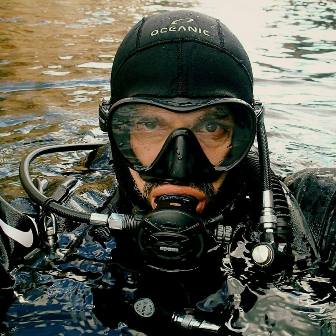
NOAA Diving Standards & Safety Manual Approvals
Effective Date: 05 April 2017
April 2017 i
NOAA Diving Standards & Safety Manual Revision History & Foreword
REVISION HISTORY
15 August 2008: Original document approved.
18 November 2011: Major revision. 49 sections revised. 101 new sections added.
(Current version) Major revision and merger with NOAA Working Diving Standards
25 August 2016: and Safety Manual approved by NOAA Diving Control and Safety
Board. All sections revised. 0300 policies incorporated.
FOREWORD
This document represents the minimum safety standards for diving under the auspices of the
National Oceanic and Atmospheric Administration (NOAA) as of the approval date of this
manual. As best practices in the diving industry evolve, so shall this standard and it is the
responsibility of every NOAA diver to ensure that it continues to reflect the latest information on
safe diving.
ACKNOWLEDGEMENTS
The NOAA Diving Control and Safety Board expresses deep gratitude to the following for their
contributions in producing this Manual: Steve Urick, Doug Schleiger, Mitchell Tartt, Aitana de la
Jara, Mark Pickett, LCDR Ben Evans, Joe Hoyt, and Brian Degan. The Board would also like to
thank Nancy Briscoe for legal review of the Manual.
COVER PHOTO: Greg McFall / NOAA
April 2017 ii
NOAA Diving Standards & Safety Manual Table of Contents
TABLE OF CONTENTS
REVISION HISTORY ..................................................................................................................ii
FOREWORD ..............................................................................................................................ii
ACKNOWLEDGEMENTS ...........................................................................................................ii
Section 1: ADMINISTRATION............................................................................................... 1
1.1 General Provisions ................................................................................................... 1
1.1.1 Purpose. ................................................................................................................................ 1
1.1.2 Definition of Scientist and Scientist-In-Training. ................................................................... 1
1.1.3 OSHA Scientific Exemption................................................................................................... 1
1.1.4 Scope and Application. ......................................................................................................... 2
1.1.5 Obligations, Restrictions, and Conditions. ............................................................................ 3
1.1.6 Substitutions for Required Equipment, Materials, Apparatuses, Arrangements, Procedures,
or Tests. ............................................................................................................................................ 4
1.1.7 Deviations in Emergencies.................................................................................................... 4
1.1.8 Manual Revisions. ................................................................................................................. 5
1.1.9 Reference Material. ............................................................................................................... 5
1.2 Program Mission, Goals, Core Products, Services and Management....................... 5
1.2.1 Program Mission. .................................................................................................................. 5
1.2.2 Goals, Core Products, and Services of the NDP. ................................................................. 5
1.2.3 Management. ........................................................................................................................ 6
Section 2: PERSONNEL ....................................................................................................... 7
2.1 Director, Office of Marine and Aviation Operations ................................................... 7
2.1.1 General.................................................................................................................................. 7
2.1.2 Responsibilities. .................................................................................................................... 7
2.2 NOAA Diving Program Manager............................................................................... 7
2.2.1 General.................................................................................................................................. 7
2.2.2 Responsibilities. .................................................................................................................... 7
2.2.3 Management and Administration. ......................................................................................... 8
2.2.4 Training and Certification. ..................................................................................................... 8
2.2.5 Qualifications......................................................................................................................... 8
2.3 NOAA Diving Center Manager (NDCM).................................................................... 9
2.3.1 General.................................................................................................................................. 9
2.3.2 Responsibilities. .................................................................................................................... 9
2.3.3 Management and Administration. ......................................................................................... 9
2.3.4 Training and Certification. ..................................................................................................... 9
2.3.5 Qualifications......................................................................................................................... 9
2.4 NOAA Diving Control and Safety Board...................................................................10
2.4.1 General................................................................................................................................ 10
2.4.2 Composition and Qualifications........................................................................................... 10
2.4.3 Selection of NDCSB Members............................................................................................ 11
2.4.4 Chairperson......................................................................................................................... 11
April 2017 iii
NOAA Diving Standards & Safety Manual Table of Contents
2.4.5 Decision Making Process.................................................................................................... 11
2.4.6 Term Limits.......................................................................................................................... 11
2.4.7 Responsibilities. .................................................................................................................. 12
2.5 NOAA Diving Safety Officer.....................................................................................14
2.5.1 General................................................................................................................................ 14
2.5.2 Responsibilities. .................................................................................................................. 14
2.5.3 Qualifications....................................................................................................................... 14
2.6 Line Office Diving Officers .......................................................................................15
2.6.1 General................................................................................................................................ 15
2.6.2 Responsibilities. .................................................................................................................. 15
2.6.3 Qualifications....................................................................................................................... 16
2.7 Deputy Line Office Diving Officers ...........................................................................16
2.7.1 General................................................................................................................................ 16
2.7.2 Responsibilities. .................................................................................................................. 16
2.7.3 Qualifications....................................................................................................................... 17
2.8 Unit Diving Supervisors ...........................................................................................17
2.8.1 General................................................................................................................................ 17
2.8.2 Responsibilities. .................................................................................................................. 17
2.8.3 Qualifications....................................................................................................................... 19
2.9 Technical Diving Supervisor (TDS)..........................................................................19
2.9.1 General................................................................................................................................ 19
2.9.2 Responsibilities ................................................................................................................... 20
2.9.3 Qualifications....................................................................................................................... 21
2.10 Divemaster and Lead Diver .....................................................................................21
2.10.1 General............................................................................................................................ 21
2.10.2 Responsibilities. .............................................................................................................. 22
2.10.3 Qualifications................................................................................................................... 23
2.11 Ship Diving Officer...................................................................................................23
2.11.1 General............................................................................................................................ 23
2.11.2 Responsibilities. .............................................................................................................. 24
2.11.3 Qualifications................................................................................................................... 24
2.12 Oversight of NOAA Diving Operations by Non-NOAA Personnel.............................24
2.12.1 General............................................................................................................................ 24
2.12.2 Responsibilities ............................................................................................................... 25
2.13 NOAA Diver.............................................................................................................26
2.13.1 General............................................................................................................................ 26
2.13.2 Responsibilities. .............................................................................................................. 26
2.13.3 Qualifications................................................................................................................... 27
2.14 NOAA Advanced and Master Divers........................................................................27
April 2017 iv
NOAA Diving Standards & Safety Manual Table of Contents
2.14.1 General............................................................................................................................ 27
2.14.2 Responsibilities. .............................................................................................................. 27
2.14.3 Qualifications................................................................................................................... 28
2.14.4 Equipment. ...................................................................................................................... 28
2.15 Observer Diver ........................................................................................................29
2.15.1 General............................................................................................................................ 29
2.15.2 Eligibility. ......................................................................................................................... 29
2.15.3 Minimum Requirements. ................................................................................................. 29
2.15.4 Limitations. ...................................................................................................................... 30
2.15.5 Manning Requirements. .................................................................................................. 30
2.15.6 Equipment. ...................................................................................................................... 31
2.16 Reciprocity Diver .....................................................................................................31
2.16.1 General............................................................................................................................ 31
2.16.2 Request for Reciprocity with a Non-NOAA Organization................................................ 32
2.16.3 Letters of Reciprocity for NOAA Divers........................................................................... 32
2.16.4 Letters of Reciprocity for Non-NOAA Divers................................................................... 33
2.16.5 Equipment. ...................................................................................................................... 33
2.17 Volunteer Diver........................................................................................................33
2.17.1 General............................................................................................................................ 33
2.17.2 Eligibility. ......................................................................................................................... 34
2.17.3 Authority for Accepting Volunteers.................................................................................. 34
2.17.4 Minimum Requirements. ................................................................................................. 35
2.17.5 Limitations. ...................................................................................................................... 35
2.17.6 Equipment. ...................................................................................................................... 35
2.17.7 Responsibilities. .............................................................................................................. 36
2.18 Fellowship / Scholarship Diver.................................................................................37
2.18.1 General............................................................................................................................ 37
2.18.2 Requirements for Fellowship and Scholarship Recipients from Programs with NOAA
Diving Reciprocity ........................................................................................................................... 37
2.18.3 Requirements for Fellowship and Scholarship Recipients who are unaffiliated with a
recognized diving program or who are from programs without NOAA Diving Reciprocity ............. 38
2.18.4 Minimum Requirements, Limitations, Equipment and Responsibilities. ......................... 38
2.19 Special Task Endorsement......................................................................................38
2.19.1 General............................................................................................................................ 38
2.19.2 Responsibilities. .............................................................................................................. 39
2.19.3 Limitations. ...................................................................................................................... 39
2.20 Recognition of Non-NOAA Diving Certifications.......................................................39
2.20.1 General............................................................................................................................ 39
2.20.2 Responsibilities. .............................................................................................................. 39
2.21 NOAA Diving Medical Officer...................................................................................40
2.21.1 General............................................................................................................................ 40
2.21.2 Qualifications................................................................................................................... 40
April 2017 v
NOAA Diving Standards & Safety Manual Table of Contents
2.21.3 Responsibilities. .............................................................................................................. 40
2.22 Other Diving Medical Officers within NOAA .............................................................41
2.22.1 General............................................................................................................................ 41
2.22.2 Qualifications................................................................................................................... 41
2.22.3 Responsibilities. .............................................................................................................. 41
2.23 NOAA Diving Medical Review Board .......................................................................41
2.23.1 General............................................................................................................................ 41
2.23.2 Responsibilities. .............................................................................................................. 42
2.23.3 Qualifications................................................................................................................... 43
2.24 NOAA Diving Technical Advisory Committee ..........................................................43
2.24.1 General............................................................................................................................ 43
2.24.2 Responsibilities. .............................................................................................................. 43
2.23.3 Qualifications................................................................................................................... 44
Section 3: DIVER CERTIFICATION AND TRAINING ..........................................................45
3.1 Diver Candidate Requirements................................................................................45
3.1.1 Safety Training. ................................................................................................................... 45
3.1.2 Medical Clearance............................................................................................................... 45
3.1.3 Swim Test............................................................................................................................ 45
3.1.4 Training Authorization. ........................................................................................................ 46
3.2 NOAA Dive Training Topics.....................................................................................46
3.2.1 Academic Topics. ................................................................................................................ 46
3.2.2 Pool or Confined Water Skills. ............................................................................................ 47
3.2.3 Open Water Skills................................................................................................................ 47
3.2.4 Additional Considerations. .................................................................................................. 48
3.3 NOAA Dive Training Modalities ...............................................................................48
3.3.1 NOAA Dive Center Training ................................................................................................ 48
3.3.2 Local NOAA Dive Unit Training........................................................................................... 50
3.4 Depth Limitations.....................................................................................................51
3.4.1 Initial Depth Limitations. ...................................................................................................... 51
3.4.2 Certification to Dive Deeper than 130 fsw........................................................................... 52
3.5 Maintaining Certification ..........................................................................................52
3.5.1 General................................................................................................................................ 52
3.5.2 Dive Proficiency Requirements. .......................................................................................... 52
3.5.3 Medical Standards (See Section 6)..................................................................................... 52
3.5.4 Emergency Care Training. .................................................................................................. 52
3.5.5 Annual Watermanship Assessment. ................................................................................... 53
3.5.6 Physical Conditioning Training............................................................................................ 54
3.5.7 Annual Training Requirement. ............................................................................................ 54
3.6 Recertification .........................................................................................................55
April 2017 vi
NOAA Diving Standards & Safety Manual Table of Contents
3.6.1 General................................................................................................................................ 55
3.6.2 Requirements. ..................................................................................................................... 55
3.7 Suspension and Revocation of Dive Certifications...................................................56
3.7.1 General................................................................................................................................ 56
3.7.2 Temporary Suspension. ...................................................................................................... 56
3.7.3 Permanent Revocation........................................................................................................ 57
3.7.4 Suspension or Revocation Appeal Process........................................................................ 57
Section 4: DIVING STANDARDS AND PROCEDURES ......................................................58
4.1 General ...................................................................................................................58
4.1.1 Qualification Requirements. ................................................................................................ 58
4.1.2 Diving experience or training............................................................................................... 58
4.1.3 Activities Authorized. ........................................................................................................... 59
4.1.4 Diver Responsibility............................................................................................................. 59
4.1.5 Application of OSHA Commercial Diving Standards........................................................... 60
4.1.6 Restrictions.......................................................................................................................... 60
4.1.7 Participation in Non-NOAA Diving Operations.................................................................... 61
4.1.8 Unit Inspections................................................................................................................... 61
4.1.9 Pay for Performing Dive Duties........................................................................................... 62
4.2 Pre-Dive Procedures ...............................................................................................62
4.2.1 General................................................................................................................................ 62
4.2.2 Dive Planning and Approval................................................................................................ 62
4.2.3 Diving Emergency Assistance Plan (DEAP). ...................................................................... 63
4.2.4 Pre-Dive Safety Briefings. ................................................................................................... 63
4.2.5 Fitness to Dive..................................................................................................................... 64
4.2.6 Pre-Dive Checklist............................................................................................................... 64
4.2.7 Emergency Equipment and Supplies. ................................................................................. 65
4.2.8 Equipment Inspection.......................................................................................................... 65
4.2.9 Warning Signals. ................................................................................................................. 66
4.2.10 Hyperbaric Chamber Requirement. ................................................................................ 66
4.2.11 Diver Recall Capability. ................................................................................................... 66
4.3 Diving Procedures and Requirements .....................................................................67
4.3.1 Water Entry and Exit. .......................................................................................................... 67
4.3.2 Communications.................................................................................................................. 67
4.3.3 Supervisor Dive Log. ........................................................................................................... 67
4.3.4 Decompression Tables. ...................................................................................................... 67
4.3.5 Buddy System for Scuba Diving.......................................................................................... 67
4.3.6 Safety Stops. ....................................................................................................................... 68
4.3.7 Reserve Air Supply System Requirement........................................................................... 68
4.3.8 Cylinder Pressure Requirement. ......................................................................................... 70
4.3.9 Topside Support. ................................................................................................................. 70
4.3.10 Standby Diver(s).............................................................................................................. 71
4.3.11 Termination of Dive. ........................................................................................................ 71
4.4 Post-Dive Procedures..............................................................................................72
April 2017 vii
NOAA Diving Standards & Safety Manual Table of Contents
4.4.1 Precautions. ........................................................................................................................ 72
4.4.2 Post-Dive Debriefing and Checklist..................................................................................... 72
4.4.3 Dive Incident Reporting and Investigation. ......................................................................... 73
4.4.4 Post-Dive Health Considerations. ....................................................................................... 73
4.5 Open Circuit Scuba Diving ......................................................................................73
4.5.1 General................................................................................................................................ 73
4.5.2 Manning Requirements. ...................................................................................................... 74
4.5.3 Limits. .................................................................................................................................. 74
4.5.4 Breathing Gas Supplies. ..................................................................................................... 75
4.5.5 Use of Dive Computers. ...................................................................................................... 75
4.5.6 Line Tenders. ...................................................................................................................... 76
4.6 Drysuit Diving ..........................................................................................................76
4.6.1 General................................................................................................................................ 76
4.6.2 Training. .............................................................................................................................. 76
4.6.3 Equipment. .......................................................................................................................... 77
4.6.4 Emergency Procedures....................................................................................................... 78
4.7 Line-Tended Scuba Diving ......................................................................................78
4.7.1 General................................................................................................................................ 78
4.7.2 Manning Requirements (Refer to Section 4.5.2)................................................................. 78
4.7.3 Limits. .................................................................................................................................. 78
4.7.4 Equipment Requirements.................................................................................................... 78
4.7.5 Training Requirements........................................................................................................ 79
4.7.6 Tender Responsibilities....................................................................................................... 79
4.8 Tethered Scuba with Voice Communications ..........................................................79
4.8.1 General................................................................................................................................ 79
4.8.2 Manning Requirements. (Refer to Section 4.5.2)................................................................ 79
4.8.3 Limits. .................................................................................................................................. 80
4.8.4 Equipment Requirements.................................................................................................... 80
4.8.5 Training. .............................................................................................................................. 80
4.8.6 Tender Responsibilities....................................................................................................... 81
4.8.7 Emergency Procedures....................................................................................................... 81
4.8.8 Proficiency Requirements. .................................................................................................. 81
4.9 Diving in Low Visibility .............................................................................................82
4.9.1 General................................................................................................................................ 82
4.9.2 Requirements. ..................................................................................................................... 82
4.9.3 Equipment. .......................................................................................................................... 82
4.9.4 Responsibilities. .................................................................................................................. 82
4.10 Blue-Water and Over-Bottom Diving........................................................................83
4.10.1 General............................................................................................................................ 83
4.10.2 Equipment Requirements................................................................................................ 83
4.10.3 Training. .......................................................................................................................... 83
4.10.4 Emergency Procedures................................................................................................... 84
April 2017 viii
NOAA Diving Standards & Safety Manual Table of Contents
4.11 Overhead Obstruction Diving...................................................................................84
4.11.1 General............................................................................................................................ 84
4.11.2 Equipment Requirements................................................................................................ 84
4.11.3 Training and Proficiency.................................................................................................. 85
4.12 Cold-Water Diving ...................................................................................................85
4.12.1 General............................................................................................................................ 85
4.12.2 Required Procedures. ..................................................................................................... 85
4.13 Snorkeling/Breath-Hold Diving.................................................................................86
4.13.1 Scope. ............................................................................................................................. 86
4.13.2 Limits. .............................................................................................................................. 86
4.13.3 Requirements. ................................................................................................................. 86
4.14 Diving Near Unexploded Ordinance ........................................................................87
4.14.1 General............................................................................................................................ 87
4.14.2 Safety Buffer Zones. ....................................................................................................... 87
4.14.3 Reporting......................................................................................................................... 87
4.15 Contaminated Water Diving.....................................................................................87
4.16 Surface Supplied Diving Mode ................................................................................87
4.16.1 General............................................................................................................................ 87
4.16.2 Limits. .............................................................................................................................. 88
4.16.3 Minimum Personnel. ....................................................................................................... 88
4.16.4 Procedures. ..................................................................................................................... 88
4.17 Decompression Diving.............................................................................................89
4.18 Other Techniques....................................................................................................89
4.18.1 Hand-Held Pneumatic and Hydraulic Power Tools......................................................... 89
4.18.2 Spear Guns and Powerheads ......................................................................................... 89
4.18.3 Welding and Burning. ...................................................................................................... 89
4.19 Hyperbaric Chamber Operations .............................................................................90
4.19.1 General............................................................................................................................ 90
4.19.2 Manning Levels. .............................................................................................................. 90
4.19.3 Personnel Responsibilities and Qualifications. ............................................................... 90
4.19.4 Operating Requirements. ................................................................................................ 93
Section 5: DIVING AND SUPPORT EQUIPMENT ...............................................................95
5.1 General Policy.........................................................................................................95
5.1.1 Operation and Maintenance................................................................................................ 95
5.1.2 Oxygen Safety..................................................................................................................... 95
5.2 Standardized Equipment Program...........................................................................96
5.2.1 Eligibility. ............................................................................................................................. 96
5.2.2 Equipment. .......................................................................................................................... 96
April 2017 ix
NOAA Diving Standards & Safety Manual Table of Contents
5.2.3 Servicing.............................................................................................................................. 96
5.2.4 Fees. ................................................................................................................................... 97
5.2.5 Equipment Return. .............................................................................................................. 97
5.3 Support Equipment..................................................................................................97
5.3.1 Emergency Oxygen Kits...................................................................................................... 97
5.3.2 First Aid Kits. ....................................................................................................................... 98
5.3.3 Automated External Defibrillator (AED)............................................................................... 98
5.3.4 Air Compressor Systems. ................................................................................................... 99
5.3.5 Air Quality Standards. ....................................................................................................... 100
5.3.6 Breathing Gas Supply Hose Connectors. ......................................................................... 100
5.4 Open-Circuit Scuba Diving Equipment ..................................................................101
5.4.1 Minimum Equipment Requirements. ................................................................................. 101
5.4.2 Regulators. ........................................................................................................................ 102
5.4.3 Buoyancy Compensator Devices. ..................................................................................... 102
5.4.4 Gauges and Timekeeping Devices. .................................................................................. 102
5.4.5 Scuba Cylinders and Cylinder Valves ............................................................................... 103
5.4.6 Other Maintenance Requirements. ................................................................................... 103
5.4.7 Use of NOAA-Owned Diving Equipment Off-Duty. ........................................................... 104
5.5 Tethered Scuba Diving Equipment ........................................................................106
5.5.1 Servicing and Testing........................................................................................................ 106
5.5.2 Documentation. ................................................................................................................. 106
5.6 Surface Supplied Diving Equipment ......................................................................106
5.6.1 Hookah Diving. .................................................................................................................. 106
5.6.2 Masks and Helmets........................................................................................................... 106
5.6.3 Breathing Gas Supply Hoses. ........................................................................................... 107
5.6.4 Weights and Harnesses. ................................................................................................... 107
5.6.5 Buoyancy Control. ............................................................................................................. 108
5.6.6 Gauges and Timekeeping Devices. .................................................................................. 108
5.7 Hyperbaric Chamber Equipment and Systems ......................................................108
5.7.1 General.............................................................................................................................. 108
5.7.2 Multi-lock chambers. ......................................................................................................... 108
Section 6: MEDICAL STANDARDS ...................................................................................111
6.1 Medical Standards and Procedures for NOAA Diving ............................................111
6.1.1 General.............................................................................................................................. 111
6.1.2 Purpose. ............................................................................................................................ 111
6.1.3 Scope. ............................................................................................................................... 111
6.2 Medical Examinations............................................................................................112
6.2.1 General Information. ......................................................................................................... 112
6.2.2 Examination Types, Timing and Frequency of Medical Examinations. ............................ 112
6.2.3 Reciprocity Divers. ............................................................................................................ 112
6.2.4 Observer Divers. ............................................................................................................... 113
April 2017 x
NOAA Diving Standards & Safety Manual Table of Contents
6.2.5 Recordkeeping. ................................................................................................................. 113
6.3 Reporting Changes in Medical Condition...............................................................113
6.3.1 Requirements. ................................................................................................................... 113
6.3.2 Consequences of Non-Disclosure..................................................................................... 114
6.4 Lapsed Diving Physicals........................................................................................114
6.4.1 Expiration of Diving Physicals. .......................................................................................... 114
6.4.2 Annual Medical Status Report........................................................................................... 114
6.5 Funding for NOAA Diving Physical Examinations ..................................................114
6.5.1 General.............................................................................................................................. 114
6.5.2 Eligibility. ........................................................................................................................... 115
6.5.3 Authority for Approving Funding of NOAA Diving Physical Exams................................... 115
6.5.4 Responsibilities. ................................................................................................................ 115
Section 7: NITROX DIVING................................................................................................116
7.1 General .................................................................................................................116
7.2 Prerequisites .........................................................................................................116
7.3 Requirements for Authorization to Use Nitrox........................................................116
7.3.1 Approval. ........................................................................................................................... 116
7.3.2 Minimum Activity to Maintain Authorization. ..................................................................... 116
7.4 Nitrox Training Requirements ................................................................................116
7.4.1 General.............................................................................................................................. 116
7.4.2 Classroom Instruction. ...................................................................................................... 116
7.4.3 Practical Training............................................................................................................... 117
7.4.4 Written Examination. ......................................................................................................... 117
7.4.5 Open-Water Dives............................................................................................................. 118
7.5 Diving Personnel Requirements ............................................................................118
7.5.1 Diver. ................................................................................................................................. 118
7.5.2 Divemaster / Lead Diver.................................................................................................... 118
7.6 Nitrox Diving Parameters.......................................................................................119
7.6.1 Oxygen Exposure Limits. .................................................................................................. 119
7.6.2 Bottom Time Limits............................................................................................................ 119
7.6.3 Dive Tables and Gases..................................................................................................... 119
7.6.4 Nitrox Dive Computers. ..................................................................................................... 119
7.6.5 Repetitive Diving. .............................................................................................................. 120
7.6.6 Oxygen Parameters. ......................................................................................................... 120
7.6.7 Diver Responsibility for Gas Analysis. .............................................................................. 121
7.7 Nitrox Diving Equipment ........................................................................................121
7.7.1 General.............................................................................................................................. 121
7.7.2 Oxygen Cleaning and Maintenance Requirements. ......................................................... 121
April 2017 xi
NOAA Diving Standards & Safety Manual Table of Contents
7.7.3 Scuba Cylinder Identification............................................................................................. 121
7.7.4 Other Support Equipment. ................................................................................................ 122
7.7.5 Nitrox Mixing Equipment and Procedures......................................................................... 122
Section 8: AIR OR NITROX DECOMPRESSION DIVING ..................................................123
8.1 Introduction and Scope..........................................................................................123
8.2 Qualifications.........................................................................................................123
8.2.1 Certification and Authorization. ......................................................................................... 123
8.2.2 Proficiency Requirements. ................................................................................................ 123
8.3 ‘Tech Lite’ - Decompression Operations ................................................................123
8.3.1 General Requirements. ..................................................................................................... 123
8.3.2 Approval Process. ............................................................................................................. 124
8.3.3 Prerequisites. .................................................................................................................... 124
8.3.4 Equipment – Dive Computers. .......................................................................................... 124
8.3.5 Breathing Gases and Gas Management........................................................................... 124
8.3.6 Manning Requirements. .................................................................................................... 125
8.3.7 Operational Considerations............................................................................................... 125
8.3.8 Proficiency......................................................................................................................... 126
8.4 Equipment .............................................................................................................126
8.4.1 General.............................................................................................................................. 126
8.4.2 Scuba Cylinders. ............................................................................................................... 126
8.4.3 Scuba Regulators.............................................................................................................. 127
8.4.4 Buoyancy Control. ............................................................................................................. 127
8.4.5 Depth and Cylinder Pressure Gauges. ............................................................................. 128
8.4.6 Dive Timing Devices. ........................................................................................................ 128
8.4.7 Signaling Devices.............................................................................................................. 128
8.4.8 Lift Bags and Line Reels. .................................................................................................. 128
8.4.9 Support Boat(s). ................................................................................................................ 128
8.4.10 Hyperbaric Chamber. .................................................................................................... 129
8.5 Breathing Gases and Gas Management................................................................129
8.5.1 General.............................................................................................................................. 129
8.5.2 Oxygen. ............................................................................................................................. 130
8.5.3 Air. ..................................................................................................................................... 130
8.6 Manning Requirements .........................................................................................130
8.6.1 Minimum Diving Positions and Capabilities. ..................................................................... 130
8.6.2 Minimum Topside Support. ............................................................................................... 131
8.7 Operational Requirements.....................................................................................131
8.7.1 Dive Planning. ................................................................................................................... 131
8.7.2 Decompression Calculation. ............................................................................................. 131
8.7.3 Maximum Depth and Bottom Time.................................................................................... 131
8.7.4 Diving Procedures. ............................................................................................................ 132
8.7.5 Contingency Protocols. ..................................................................................................... 132
April 2017 xii
NOAA Diving Standards & Safety Manual Table of Contents
8.8 Dive Plan...............................................................................................................136
8.8.1 General.............................................................................................................................. 136
8.8.2 Submission and Review Requirements. ........................................................................... 136
Section 9: MIXED GAS DECOMPRESSION DIVING.........................................................138
9.1 General .................................................................................................................138
9.2 Qualifications.........................................................................................................138
9.2.1 Certification and Authorization. ......................................................................................... 138
9.2.2 Proficiency Requirements. ................................................................................................ 138
9.3 Training Requirements ..........................................................................................139
9.3.1 Classroom Training. .......................................................................................................... 139
9.3.2 Practical Training............................................................................................................... 139
9.4 Equipment .............................................................................................................140
9.4.1 General.............................................................................................................................. 140
9.4.2 Scuba Cylinders. ............................................................................................................... 140
9.4.3 Scuba Regulators.............................................................................................................. 141
9.4.4 Buoyancy Control. ............................................................................................................. 141
9.4.5 Depth and Cylinder Pressure Gauges. ............................................................................. 141
9.4.6 Dive Timing Devices. ........................................................................................................ 142
9.4.7 Signaling Devices.............................................................................................................. 142
9.4.8 Lift Bags and Line Reels. .................................................................................................. 142
9.4.9 Support Boat(s). ................................................................................................................ 142
9.4.10 Hyperbaric Chamber. .................................................................................................... 143
9.5 Breathing Gases and Gas Management................................................................143
9.5.1 General.............................................................................................................................. 143
9.5.2 Oxygen. ............................................................................................................................. 144
9.5.3 Air. ..................................................................................................................................... 144
9.5.4 Inert Gas............................................................................................................................ 144
9.6 Manning Requirements .........................................................................................144
9.6.1 Minimum Diving Positions and Capabilities. ..................................................................... 144
9.6.2 Minimum Topside Support. ............................................................................................... 145
9.7 Operational Requirements.....................................................................................145
9.7.1 Dive Planning. ................................................................................................................... 145
9.7.2 Decompression Calculation. ............................................................................................. 146
9.7.3 Maximum Depth and Bottom Time.................................................................................... 146
9.7.4 Depth Progressions........................................................................................................... 146
9.7.5 Diving Procedures. ............................................................................................................ 146
9.7.6 Contingency Protocols. ..................................................................................................... 147
9.8 Dive Plan...............................................................................................................151
9.8.1 General.............................................................................................................................. 151
9.8.2 Submission and Review Requirements. ........................................................................... 151
April 2017 xiii
NOAA Diving Standards & Safety Manual Table of Contents
Section 10: REBREATHERS .............................................................................................153
10.1 General .................................................................................................................153
10.1.1 Scope and Application. ................................................................................................. 153
10.1.2 Approval Process. ......................................................................................................... 153
10.2 Minimum Experience and Training Requirements .................................................153
10.2.1 Prerequisites. ................................................................................................................ 153
10.2.2 Academic Training......................................................................................................... 154
10.2.3 Practical Training........................................................................................................... 155
10.2.4 Practical Evaluations. .................................................................................................... 156
10.2.5 Written Examination. ..................................................................................................... 157
10.2.6 Previously Certified or “Crossover” Rebreather Divers................................................. 157
10.2.7 Operational, No-decompression, Air Diluent Rebreather Dives. .................................. 157
10.2.8 Extended Range Diving. ............................................................................................... 158
10.2.9 Maintenance of Proficiency. .......................................................................................... 159
10.3 ‘Tech Lite’ – Rebreather Operations ......................................................................160
10.3.1 General Requirements. ................................................................................................. 160
10.3.2 Approval Process. ......................................................................................................... 160
10.3.3 10.3.3 Prerequisites. ..................................................................................................... 160
10.3.4 10.3.4 Equipment – Dive Computers. ........................................................................... 160
10.3.5 Breathing Gases and Gas Management....................................................................... 160
10.3.6 Manning Requirements. ................................................................................................ 161
10.3.7 Operational Considerations........................................................................................... 162
10.3.8 Proficiency..................................................................................................................... 162
10.4 Equipment Requirements ......................................................................................162
10.4.1 General Requirements. ................................................................................................. 162
10.4.2 Minimum Equipment. .................................................................................................... 163
10.5 Operational Requirements.....................................................................................164
10.5.1 General Requirements. ................................................................................................. 164
10.5.2 Buddy Qualifications for Teams with Mixed Equipment................................................ 164
10.5.3 Oxygen Exposures. ....................................................................................................... 165
10.5.4 Decompression Management. ...................................................................................... 165
10.5.5 Logs and Checklists. ..................................................................................................... 166
10.5.6 Alternate Life Support System. ..................................................................................... 168
10.5.7 Carbon Dioxide Absorbent Material. ............................................................................. 168
10.5.8 Consumables. ............................................................................................................... 168
10.5.9 Disinfecting Units........................................................................................................... 168
10.5.10 Safety Equipment Configuration. .................................................................................. 169
10.6 Oxygen Rebreathers .............................................................................................170
10.6.1 Depth Limits. ................................................................................................................. 171
10.6.2 Flushing of Breathing Loop. .......................................................................................... 171
10.7 Semi-Closed Circuit Rebreathers ..........................................................................171
10.7.1 Oxygen Parameters and Considerations. ..................................................................... 171
April 2017 xiv
NOAA Diving Standards & Safety Manual Table of Contents
10.7.2 Flushing of Breathing Loop. .......................................................................................... 171
10.8 Mixed Gas Closed-Circuit Rebreathers .................................................................171
10.8.1 Oxygen Parameters and Considerations. ..................................................................... 171
10.8.2 Monitoring of Oxygen Parameters. ............................................................................... 172
10.8.3 CCR Contingency Protocols. ........................................................................................ 172
Section 11: EMERGENCY PROCEDURES........................................................................179
11.1 Diving Accident Management ................................................................................179
11.1.1 General.......................................................................................................................... 179
11.1.2 Diving Emergency Procedures...................................................................................... 179
11.1.3 Medical Consultation. .................................................................................................... 180
11.2 Emergency Protocols ............................................................................................180
11.2.1 General Procedures for Treatment of Diving Maladies................................................. 180
11.2.2 Medical Instructions for Conscious Patients. ................................................................ 181
11.2.3 Medical Instructions for Unconscious Patients. ............................................................ 181
11.2.4 No Hyperbaric Chamber at Diving Location.................................................................. 181
11.2.5 Hyperbaric Chamber at Diving Location. ...................................................................... 182
11.2.6 Guidelines for Non-Standard Scenarios. ...................................................................... 183
11.2.7 Post-Treatment Procedures. ......................................................................................... 184
11.2.8 Temporary Suspension from Diving.............................................................................. 184
11.2.9 Other Emergency Considerations. ................................................................................ 184
Section 12: RECORDKEEPING AND REPORTING REQUIREMENTS .............................185
12.1 Recordkeeping ......................................................................................................185
12.1.1 General.......................................................................................................................... 185
12.1.2 Unit Training Log. .......................................................................................................... 185
12.1.3 Availability of Records. .................................................................................................. 185
12.1.4 Retention of Records. ................................................................................................... 186
12.1.5 Logging of Dives............................................................................................................ 187
Section 13: DIVING ACCIDENT NOTIFICATION AND INVESTIGATION..........................189
13.1 General .................................................................................................................189
13.2 Accident Classification...........................................................................................189
13.2.1 Class A Accident. .......................................................................................................... 189
13.2.2 Class B Accident. .......................................................................................................... 189
13.2.3 Class C Accident. .......................................................................................................... 190
13.2.4 Class D Accident. .......................................................................................................... 190
13.2.5 Near Miss. ..................................................................................................................... 191
13.2.6 SECO Definition ............................................................................................................ 191
13.2.7 Elevation of Accident Classification .............................................................................. 191
13.3 SECO Notification and Investigation......................................................................191
13.3.1 General.......................................................................................................................... 191
13.3.2 SECO Notification Timelines......................................................................................... 192
April 2017 xv
NOAA Diving Standards & Safety Manual Table of Contents
13.3.3 SECO Investigation Procedures. .................................................................................. 192
13.4 NDP Notification and Investigation ........................................................................192
13.4.1 General.......................................................................................................................... 192
13.4.2 Internal Timelines, Reporting Chains and Investigative Responsibilities for Accidents
Involving Injury. ............................................................................................................................. 193
13.4.3 Timelines, Reporting Chains and Investigative Responsibilities for Accidents Involving
Property Damage. ......................................................................................................................... 195
Appendix 1: ACRONYMS AND INITIALISMS ........................................................................198
Appendix 2: DEFINITIONS ....................................................................................................201
Appendix 3: NOAA DIVING OPERATIONS PLAN REVIEW ALGORITHM ............................209
Appendix 4: NOAA DIVERS FIRST AID KIT INVENTORY ....................................................210
Appendix 5: NOAA DIVING EQUIPMENT CONFIGURATIONS ............................................211
Appendix 6: CODE OF FEDERAL REGULATIONS...............................................................217
April 2017 xvi
NOAA Diving Standards & Safety Manual Administration
Section 1: ADMINISTRATION
1.1 General Provisions
1.1.1 Purpose.
A. The purpose of the NOAA Diving Standards and Safety Manual (Manual) is to
ensure all NOAA diving is conducted in a manner that will maximize protection of
divers from accidental injury and/or illness, and to set forth standards for training and
certification that will allow reciprocity with other diving programs. Fulfillment of this
purpose shall be consistent with either the Occupational Safety and Health
Administration (OSHA) commercial diving standards or will contribute to the
furtherance of scientific research and safety under the Scientific Exemption to the
OSHA commercial diving standards.
B. This Manual sets minimum standards for the National Oceanic and Atmospheric
Administration (NOAA) diving operations, describes the organization for the conduct
of NOAA diving, and the basic standards and procedures for safety in NOAA diving
operations. It also establishes a framework for reciprocity between NOAA and other
organizations that adhere to these or equivalent standards.
C. This manual contains information specific to the OSHA commercial diving standards
(a.k.a. “working dives”) found in 29 CFR 1910, Subpart T and the Scientific
Exemption to those standards (a.k.a. “scientific dives”); there are differences in how
the dives can be conducted, to whom they apply, the gases and equipment that are
to be used and the manning levels required to conduct the dives. All NOAA divers
are to make themselves aware of the differences between the standards for
commercial and scientific diving.
1.1.2 Definition of Scientist and Scientist-In-Training.
For the purposes of performing operational dives which qualify under the Scientific
Exemption to OSHA or scientific training and proficiency dives consistent with those
sections of this Manual, divers must be one of the following:
A. Scientist. An individual who dives to conduct scientific operations which require
specific knowledge and expertise in which the individual is fully qualified, as
determined by the on-site Divemaster (DM)/Lead Diver (LD) and Chief Scientist.
B. Scientist-In-Training. An individual who dives to conduct scientific operations which
require specific knowledge and expertise, but whose science activities and diving are
conducted under the direct or indirect supervision of a Scientist and with the approval
of the on-site DM or LD.
1.1.3 OSHA Scientific Exemption.
April 2017 1
NOAA Diving Standards & Safety Manual Administration
A. In 1982, The Occupational Safety and Health Administration (OSHA) exempted
scientific diving from commercial diving regulations (Code of Federal Regulations, 29
CFR 1910, Subpart T) under certain conditions that are outlined below. The final
guidelines for the exemption became effective in 1985 (Federal Register, Vol. 50,
No.6, p.1046).
B. Per 29 CFR 1910, Subpart T, “Scientific diving means diving performed solely as a
necessary part of a scientific, research, or educational activity by employees whose
sole purpose for diving is to perform scientific research tasks.”
C. Tasks exempt from the OSHA commercial diving regulations found in 29 CFR 1910,
Subpart T and completed by a scientific diver are limited to observation and data
gathering and are performed for collection of data used for the advancement of
science.
1) Examples of scientific diving tasks include but are not limited to: data collection
(e.g., water or bottom samples flora and fauna); observing and documenting
(including the use of cameras); and measuring and counting.
2) If tools are used they include, but are not limited to: “light” hand tools (e.g., small
hammers, pliers, screwdrivers, chisels). Other ancillary equipment such as small
lift bags (<100 pounds lifting capacity) and small air lifts can also be used if the
tasks are associated with data collection.
D. Tasks, such as those involving ship husbandry (e.g., cleaning hulls, sea strainers,
replacing zincs, un-fouling a ship’s propeller); use of heavy power tools powered by
pneumatics or hydraulics from the surface; lifting, positioning and retrieving heavy
objects (≥100 pounds underwater); construction, underwater cutting or welding using
exothermic cutting lances, and use of explosives cannot be conducted under the
scientific exemption.
1.1.4 Scope and Application.
A. The policies and procedures in this Manual apply to:
1) All NOAA diving operations – including scientific dives (except where noted) –
regardless of where or when they are conducted;
2) All NOAA employees engaged in diving activities during official duty hours (i.e.,
when receiving financial compensation for work performed) where compressed
gas is breathed in a hyperbaric environment; and
3) Non-NOAA personnel performing dives under the direct supervision of a NOAA
DM or LD. For the purposes of this Manual, NOAA employees and non-NOAA
personnel diving under the auspices of NOAA shall be collectively referred to as
“NOAA divers.”
April 2017 2
NOAA Diving Standards & Safety Manual Administration
B. Working versus Scientific dives. Unit Diving Supervisors (UDS) or designee shall be
responsible for determining whether dive operations are to be conducted as OSHA
subject (working dives) or OSHA exempt (scientific dives), based on review of the
dive plan. Criteria to be used to distinguish between a working and scientific dive are
presented at www.osha.gov and in the list below. A negative answer to any of the
following questions would require the task to be conducted as a working dive
following the standards outlined in this Manual.
Can the tasks be accomplished using simple hand tools (e.g., small hammers,
pliers, chisels, wrenches, cameras, measuring tapes, nets, collection jars)
weighing 25 pounds or less underwater?
Do the tasks require the expertise of a scientist or scientist-in-training?
Can the tasks be accomplished with minimal physical exertion?
Can the tasks be accomplished in short duration (e.g., <1-hour)?
Are the tasks limited solely to the observation of natural phenomena or responses
of natural systems and/or gathering of data for scientific analysis?
If any object is to be lifted or moved, is its weight underwater <100 pounds?
Will the tasks result in the advancement of science?
C. When conducting mixed operations (i.e., dives involving both scientific and working
tasks), or when in doubt as to the nature of the dive, the dive shall be conducted as a
working dive.
1.1.5 Obligations, Restrictions, and Conditions.
A. The NOAA Diving Program (NDP) ensures all NOAA divers are in compliance with:
1) All standards of general applicability outlined in 29 CFR Part 1910, Subpart T;
and
2) All policies and procedures outlined in this Manual.
B. The NOAA Diving Control and Safety Board (NDCSB) may elect to implement and
enforce more stringent diving standards and procedures than those stated herein.
Such changes will be promulgated in writing to all affected employees and
supervisors prior to implementation and will be included in the next revision to this
Manual.
April 2017 3
NOAA Diving Standards & Safety Manual Administration
C. Failure to comply with the standards outlined in this Manual may be cause for the
revocation or restriction of the diver’s certification by action of the NDCSB.
D. No person shall engage in diving operations under the auspices of the NDP unless
they hold a current certification issued pursuant to the provisions of this Manual.
E. No dive team member shall be exposed to hyperbaric conditions against their will.
F. No dive team member shall be permitted to dive with any documented medical
condition that is likely to adversely affect the safety and health of the diver or other
dive team members and/or constitutes a direct threat towards the diver and/or
others.
1.1.6 Substitutions for Required Equipment, Materials, Apparatuses, Arrangements,
Procedures, or Tests.
A. The NDCSB may accept substitutes for equipment, materials, apparatuses,
arrangements, procedures, or tests required in this Manual if it can be demonstrated
the substitutes provide an equivalent or increased level of safety and remain in
compliance with 29 CFR 1910 Subpart T.
B. Where it is demonstrated to the satisfaction of the NDCSB that the use of any
particular equipment, material, apparatus, arrangement, procedure, or test is
unreasonable or impracticable, the NDCSB may permit the use of alternate
equipment, material, apparatus, arrangement, procedure, or test to such an extent
and upon such condition that insures, to the satisfaction of the NDCSB, a degree of
safety consistent with the minimum standards set forth in this Manual and remaining
in compliance with 29 CFR 1910 Subpart T.
C. Such changes will be codified in future revisions of this Manual and disseminated to
all NOAA divers with an effective date of implementation.
1.1.7 Deviations in Emergencies.
A. NOAA divers may deviate from the requirements of this Manual provided that:
1) The deviation is necessary to prevent or minimize a situation which is likely to
cause imminent death, serious physical harm, total loss of property, or major
environmental damage; and
2) The DM or LD notifies the NOAA Diving Program Manager (NDPM), UDS, and
Line Office Diving Officers (LODO) of the deviation within 24 hours of the onset
of the emergency situation.
B. The NDPM will in turn notify the Director, Office of Marine and Aviation Operations
(OMAO), within 48 hours of the onset of the emergency situation indicating the
nature of the emergency and extent of the deviation from the prescribed regulations.
April 2017 4
NOAA Diving Standards & Safety Manual Administration
1.1.8 Manual Revisions.
A. The NDCSB shall review this Manual at a minimum of every two (2) years.
B. This Manual shall be:
1) Issued, updated, and maintained by the NDP; and
2) Distributed in paper or electronic form.
1.1.9 Reference Material.
A. This Manual can be viewed and downloaded from the NOAA Diving Program (NDP)
website at http://www.omao.noaa.gov/learn/diving-program/diving/regulations.
B. Each NOAA diver, who is either NOAA-trained or granted equivalency by the NDPM,
shall have access to a copy of this document.
1.2 Program Mission, Goals, Core Products, Services and Management
1.2.1 Program Mission.
The mission of the NDP is to “To train, certify and equip scientists, engineers, and
technicians, while promoting innovation of effective diving technologies and safely
performing underwater operations.”
1.2.2 Goals, Core Products, and Services of the NDP.
A. Support and enable critical NOAA scientific research, stewardship activities and
observations of natural phenomena.
B. Establish standards and implement policies and procedures for conducting safe
NOAA diving operations.
C. Train and certify scientists, engineers, and technicians in diving and diving medicine-
related subjects.
D. Provide NOAA divers with safe, technologically advanced, and well maintained dive
equipment.
E. Provide guidance and expertise to the NOAA diving community.
F. Investigate and implement new diving technologies and techniques for NOAA divers.
G. Provide routine and emergency diving services to the NOAA fleet through ship and
shore-based dive teams.
H. Investigate and implement new diving technologies and techniques for NOAA divers.
April 2017 5
NOAA Diving Standards & Safety Manual Administration
I. Provide equipment, personnel and expertise to NOAA field operations, as needed.
J. Promote NOAA and the NDP through education and outreach.
K. Investigate diving mishaps, incidents and accidents to foster refinements of NDP
policies and procedures in order to prevent recurrences.
1.2.3 Management.
A. The OMAO Director bears the overall responsibility for the safety of the NDP.
B. Management of the diving program is delegated from the OMAO Director to the
NDPM.
C. The NDCSB reviews and establishes diving regulations, policies, and procedures
deemed necessary to ensure a safe and efficient diving program.
D. As required by 29 CFR 1910, Subpart T, the NDCSB has absolute and autonomous
authority over diving operations.
April 2017 6
NOAA Diving Standards & Safety Manual Personnel
Section 2: PERSONNEL
Duties and responsibilities delegated herein to specific roles and positions may not be further
re-delegated unless specifically authorized in this Manual.
2.1 Director, Office of Marine and Aviation Operations
2.1.1 General.
A. The Director, OMAO broadly administers NOAA’s diving activities.
B. Responsibility for the day-to-day management of the NDP is delegated to the NDPM.
2.1.2 Responsibilities.
A. Overall responsibility for the NDP.
B. Reviews issues raised by members of the NDCSB with dissenting opinions.
C. Receives briefings from the NDPM and Chair, NDCSB on NDP activities and
provides guidance as needed.
D. Approves candidates for the membership on the NOAA Diving Medical Review
Board and Technical Advisory Board.
E. Considers appeals from divers whose dive certifications are revoked.
2.2 NOAA Diving Program Manager
2.2.1 General.
A. Selected by the Director, OMAO from a certified list of candidates from the
Workforce Management Office (WFMO) or Office of Personnel Management (OPM)
with input provided by representatives of the NDCSB and other diving professionals
where requested.
B. Administers and manages the NDP.
C. Serves as a voting member of the NDCSB.
D. As necessary, permits aspects of the NDP to be carried out by a qualified designee.
(The NDPM may not delegate responsibility for the overall safe operation of the
NDP.)
2.2.2 Responsibilities.
A. Implements all policies and decisions prescribed by the NDCSB.
April 2017 7
NOAA Diving Standards & Safety Manual Personnel
B. Responsible to the Director, OMAO for the management of the NDP.
C. Reviews recommendations from the NOAA Diving Safety Officer (NDSO) and takes
appropriate action.
D. Suspends diving operations considered to be unsafe or unwise.
E. Investigates and reviews new diving technologies and techniques.
F. Suspends diving privileges for violations of the standards and procedures in
accordance with this Manual.
G. Revokes diving privileges for violating the standards and procedures in accordance
with this Manual as directed by the NDCSB.
H. Advises the Director, OMAO of circumstances adversely impacting safety and/or
efficiency of the NDP.
2.2.3 Management and Administration.
A. Conducts an annual review of all NOAA diving operations and submits a report to
Director, OMAO.
B. Monitors and enforces compliance with the applicable federal regulations and the
NOAA Diving Standards and Safety Manual (NDSSM).
C. Supervises the NOAA Diving Center Manager, NOAA Diving Medical Officer and any
other assigned staff.
2.2.4 Training and Certification.
A. Determines completion of certification requirements and issues NOAA diver
certifications and authorizations to dive.
B. Signs all “Letters of Authorization to Dive,” “Dive Certifications” and “Diver ID Cards”.
2.2.5 Qualifications.
A. NOAA certified diver or equivalent, as determined by the NDCSB.
B. A minimum of 15 years of experience in diving or a related field.
C. Broad technical and/or scientific expertise in research related diving (e.g., safety,
regulations, equipment, procedures).
D. Currently certified in cardiopulmonary resuscitation (CPR), including adult Automated
External Defibrillator (AED), first aid and oxygen administration and be
knowledgeable in dive accident management.
April 2017 8
NOAA Diving Standards & Safety Manual Personnel
2.3 NOAA Diving Center Manager (NDCM)
2.3.1 General.
A. Selected by the NDPM from a certified list of candidates from the Workforce
Management Office (WFMO) or Office of Personnel Management (OPM).
B. Administers and manages the NOAA Diving Center (NDC).
C. Serves as an advisory member of the NDCSB.
D. As necessary, permits aspects of the NDC to be carried out by a qualified designee.
(The NDCM may not delegate responsibility for the administration, management, and
operation of the NDC.)
2.3.2 Responsibilities.
A. Implements all policies and decisions prescribed by the NDCSB related to NDC
functions.
B. Responsible to the NDPM for the management of the NDC.
C. Supervises all NDC staff.
D. Investigates and reviews new diving technologies and techniques.
E. Supervises the training programs of the NDC.
F. Supervises the Standardized Equipment Program.
2.3.3 Management and Administration.
A. Conducts an annual review of all NDC operations and submits a report to NDPM.
B. Prepares and executes annual budgets for all NDC activities.
C. Initiates all personnel actions within the NDC.
D. Serves as contracting officer for NDC purchases and acquisitions.
2.3.4 Training and Certification.
A. Ensures NDC dive training courses comply with standards of the Recreational Scuba
Training Council (RSTC) and the NOAA Diving Standards and Safety Manual.
B. Ensures all NDC diving instructors maintain qualifications as advanced open water
and rescue instructors in at least one (1) nationally recognized diving certification
organization.
2.3.5 Qualifications.
April 2017 9
NOAA Diving Standards & Safety Manual Personnel
A. NOAA certified diver, or equivalent, as determined by the NDCSB.
B. A minimum of ten (10) years of experience in diving or a related field.
C. Broad technical and/or scientific expertise in research related diving (e.g., safety,
regulations, equipment, procedures).
D. Currently certified in cardiopulmonary resuscitation (CPR), including adult Automated
External Defibrillator (AED), first aid and oxygen administration and be
knowledgeable in dive accident management.
2.4 NOAA Diving Control and Safety Board
2.4.1 General.
A. The NDCSB is an appointed board of representatives from NOAA’s Line Offices (LO)
who report to the Director, Office of Marine and Aviation Operations (OMAO), and
are responsible for the safety and effectiveness of the NDP.
B. Although the NDCSB reports to the Director, OMAO, per 29 CFR 1910, Subpart T,
the NDCSB exercises autonomous and absolute authority over operations of the
NDP for both working and scientific dives.
C. The NDCSB shall meet annually in person and should meet monthly via
teleconference, unless special meetings are required to address time sensitive
issues.
2.4.2 Composition and Qualifications.
A. The voting members of the NDCSB shall include the following individuals:
1) NDPM;
2) LODOs with active diving programs; and
3) NOAA Deputy Line Office Diving Officers (DLODOs) with active diving programs;
B. The NOAA Diving Safety Officer (NDSO), the NOAA Diving Center Manager (NDCM)
and the NOAA Diving Medical Officer (NDMO) are non-voting members of the
NDCSB.
C. The NDCSB may consult individual advisors or advisory panels with subject matter
expertise to provide additional information.
D. All voting Members of the NDCSB shall be NOAA certified divers with a majority
being qualified, active scientific divers.
E. A separate, non-voting Executive Secretariat, appointed by the Chairperson, may be
appointed to administratively assist the NDCSB.
April 2017 10
NOAA Diving Standards & Safety Manual Personnel
2.4.3 Selection of NDCSB Members.
A. NDPM is selected by the Director, OMAO from a list of candidates provided by the
WFMO or OPM with input provided by representatives of the NDCSB and other
diving professionals.
B. LODOs are appointed by NOAA Assistant Administrators from Line Offices with
active diving programs.
C. OMAO LODO is appointed by the Director, OMAO.
D. DLODOs are appointed by the respective LODO with concurrence of their immediate
supervisors.
2.4.4 Chairperson.
A. The Chairperson shall be selected from the current LODOs and DLODOs by majority
vote of all voting members.
B. The Chair of the Board communicates directly with the Director OMAO and shall
report on a regular basis to the Director, OMAO significant issues and decisions
before the NDCSB.
2.4.5 Decision Making Process.
A. The Chairperson shall strive for consensus on all NDCSB issues and decisions, and
every attempt shall be made to query each voting member of the NDCSB on all
decisions.
B. A quorum of two-thirds of the voting members must be present, in person or
electronically, to conduct official business.
C. Decisions will be made by majority vote with the Chairperson casting the deciding
vote in case of a tie.
D. Major objections to majority votes shall be made part of the meeting minutes. Any
voting member of the NDCSB may request that an item be raised to the Director,
OMAO via written communication from the Chairperson.
E. Though not a voting member, the opinion of the NDSO shall be recorded for all
decisions relating to safety of the NDP.
2.4.6 Term Limits.
A. The Chairperson shall serve a one (1) year term, and may be re-elected.
B. The NDPM, NDCM, NDMO and NDSO are non-rotating members of the NDCSB. All
other members shall serve a five (5) year term, and may be re-appointed.
April 2017 11
NOAA Diving Standards & Safety Manual Personnel
C. Appointments should be scheduled so only one (1) member rotates off the NDCSB
per year.
2.4.7 Responsibilities.
A. General.
1) Exercises autonomous and absolute authority over and promotes the safe and
effective operations of the NDP.
2) Establishes processes and program structure necessary to effectively approve
and monitor diving projects across NOAA's geographically dispersed diving
program.
3) Reviews and approves all diving operations involving more than one (1) of the
following; equipment other than open-circuit scuba, breathing mixtures other than
air or Nitrox, depths greater than 130 fsw or bottom times beyond the U.S. Navy
no-decompression limits. The sole exception to these requirements for NDCSB
approval is the Light Decompression program in which authorization is not
needed after a Dive Unit has completed the probationary period.
4) Delegates authority to Unit Diving Supervisors (UDS) to review and approve
routine dive operations conducted at the unit level.
B. Safety.
1) Ensures sufficient oversight for safety exists within NDP.
2) Participates in safety assessments as necessary.
3) Advises the Director, OMAO of circumstances adversely impacting safety and/or
efficiency of the NDP.
4) Instructs and reminds divers, LDs, DMs, and UDSs to adhere to all NDP diving
regulations, standards, policies, and procedures.
5) Reviews dive operations and diving emergency assistance plans from non-NOAA
diving partners who request to utilize NOAA-owned or contracted vessels to
conduct diving operations following standards other than those promulgated by
the NDP.
6) Holds the responsibility to conduct an evaluation and the authority to stand a unit
back up after it has been suspended.
C. Incident Review and Action.
1) If not superseded by other NOAA policy, serves as a board of review for inquiries
into the nature and cause of diving incidents (including near-misses) as well as
April 2017 12
NOAA Diving Standards & Safety Manual Personnel
violations of NOAA or other applicable policies and standards, and reports the
results to the Director, OMAO.
2) In accordance with NOAA Safety Policy NAO 209-1, SECO (Safety and
Environmental Compliance Office) is responsible for investigating Class ‘A’
incidents involving a fatality or severe injury, or other cases constituting a
“serious incident”.
3) Institutes appropriate measures to mitigate the reoccurrence of dive incidents.
4) Prescribes action for unsafe or noncompliant practices or actions.
D. Manuals and Procedures.
1) Develops and promulgates standards and safety manuals, and reviews and
revises them as necessary.
2) Monitors compliance with standards and safety manuals, including establishing
such compliance inspection and certification programs as necessary, and reports
non-compliance to the NDPM for action.
3) Reviews and makes changes in other NOAA diving regulations, standards,
policies and operational procedures.
E. Training and Certification.
1) Establishes and/or approves training and certification programs for both NOAA
divers and non-NOAA divers participating in NOAA-sponsored dive projects.
2) Reviews, adopts, and enforces medical standards required to promote diver
safety.
3) Recommends to the NDPM the revocation of diving certifications.
4) Determines equivalency of potential diving partner organizations with that of the
NDP for diving reciprocity.
5) Considers appeals from divers whose dive certifications are suspended.
Awards
1) Reviews and approves non-monetary, on-the-spot awards for personnel
providing meritorious service to the NDP.
2) Awards will adhere to requirements of NAO 202-451 and will remain at or below
the limits of Level B as outlined in Appendix C of NAO 202-451.
3) Appropriated funds may be used for these awards.
G. Standardized Equipment Program.
April 2017 13
NOAA Diving Standards & Safety Manual Personnel
1) Considers, reviews, and makes appropriate changes in diving equipment
requirements.
2) Reviews and approves new diving technologies and techniques for possible
implementation.
2.5 NOAA Diving Safety Officer
2.5.1 General.
A. The NDSO is selected by the Director, Safety and Environmental Compliance
Division (SECD), OMAO from a certified list of candidates from WFMO or OPM. The
selection committee is chaired by the Director, Safety and Environmental
Compliance Division, OMAO and must include members from the NDCSB.
B. Reports to the Director of the OMAO Safety and Environmental Compliance Division.
C. Serves as an advisory member of the NDCSB.
2.5.2 Responsibilities.
A. Provides advice to the NDCSB, NOAA managers, and divers for diving safety-related
issues.
B. Provides assistance with NOAA diving safety issues to other NOAA offices and
coordinates resolution of NOAA diving safety issues as directed by the Director of
OMAO SECD.
C. Coordinates Diving Unit Safety Assessments (DUSA) of all NOAA dive units.
D. As necessary permits portions of this program to be carried out by a qualified
delegate, although the NDSO may not delegate responsibility for the oversight of
safety within the NDP.
E. Investigates, subject to and consistent with the incident investigation parameters in
NAO 209-1, all Class B diving mishaps and provides findings to the NDCSB,
Director, OMAO, and Director, SECD.
F. Conducts, facilitates and oversees the Diving Unit Safety Assessment (DUSA)
Program of the NDP and provides reports on the results of such assessments to the
Director, SECD, NDCSB, and relevant UDS and facility director, including
recommendations or actions taken to strengthen the safety and effectiveness of the
NDP.
G. Suspends diving operations considered to be unsafe or unwise and immediately
notifies the NDCSB.
2.5.3 Qualifications.
April 2017 14
NOAA Diving Standards & Safety Manual Personnel
A. NOAA DM or equivalent as determined by the NDCSB.
B. A minimum of ten (10) years of experience in diving.
C. Broad technical and/or scientific expertise in research related diving (e.g., safety,
regulations, equipment, procedures).
D. Shall be a current or previously-certified scuba instructor from an internationally
recognized certifying agency.
E. Currently certified in cardiopulmonary resuscitation (CPR), including adult Automated
External Defibrillator (AED), first aid and oxygen administration and be
knowledgeable in dive accident management.
2.6 Line Office Diving Officers
2.6.1 General.
A. Senior representatives for diving for each of the NOAA Line Offices with active diving
missions (NMFS, NOS, OAR, and OMAO).
B. LODOs are appointed by their respective Assistant Administrators, with consultation
of the NDCSB and approval of the employee’s immediate supervisor.
C. The OMAO LODO is appointed by the Director, OMAO, with consultation of the
NDCSB and approval of the employee’s immediate supervisor.
D. Duties and responsibilities are included in the LODO performance plans.
2.6.2 Responsibilities.
A. Safety.
1) Serves as subject matter experts, as requested, for SECO and SECO-assigned
investigative teams for incidents involving a fatality or severe injury, or other
criteria constituting a “serious incident” under the NOAA Safety Policy (NAO 209-
1). Note: Responsibility for conducting the investigation and tracking completion
of corrective actions is retained by SECO.
2) Reviews Class “B” diving accidents that occur and report findings,
recommendations, and/or proposed changes to the NDCSB and the NDSO.
3) Reviews Class “C” accident investigations completed by the UDS.
4) Suspends divers and/or diving operations considered to be unsafe or unwise.
5) Assists in administration of Diving Unit Safety Assessment (DUSA) program.
April 2017 15
NOAA Diving Standards & Safety Manual Personnel
6) Forwards results of annual on-site diving unit safety inspections to the NDSO by
January 31 of each year.
B. Management and Administration.
1) Assists as needed in planning and reviewing advanced and/or remote diving
operations of assigned units and ensure compliance with this Manual.
2) Maintains familiarity with diving activities within assigned units and submits
annual report to the NDPM by November 30 of each year for the preceding fiscal
year.
C. Training.
Determines recertification requirements for divers whose diving authorizations have
lapsed by more than six (6) months, per Section 3.5.2.
D. Standardized Equipment Program (SEP).
Verifies accuracy of annual SEP assessment charges for assigned units.
2.6.3 Qualifications.
A. Current certified Advanced NOAA diver.
B. Meets the requirements for UDS in Section 2.8.3.
C. Minimum of 10 years of experience in diving.
D. Currently certified in cardiopulmonary resuscitation (CPR), including adult Automated
External Defibrillator (AED), first aid and oxygen administration and be
knowledgeable in dive accident management.
2.7 Deputy Line Office Diving Officers
2.7.1 General.
A. DLODOs are representatives for diving for each of the NOAA Line Offices.
B. DLODOs are appointed by their LODOs with consultation of the NDCSB and
approval of the employee’s immediate supervisor.
C. Duties and responsibilities are included in the DLODO performance plans.
D. Term of service is two (2) years, but may be extended by the respective LODO.
2.7.2 Responsibilities.
A. Serves as a voting member of the NDCSB.
April 2017 16
NOAA Diving Standards & Safety Manual Personnel
B. Assists LODO in the performance of assigned duties as requested.
2.7.3 Qualifications.
A. Current certified Advanced NOAA diver.
B. Meet the requirements for UDS in Section 2.8.3.
C. Minimum of seven (7) years of experience in diving.
D. Currently certified in cardiopulmonary resuscitation (CPR), including adult Automated
External Defibrillator (AED), first aid and oxygen administration and be
knowledgeable in dive accident management.
2.8 Unit Diving Supervisors
2.8.1 General.
A. Assigned throughout the agency to provide administrative oversight of divers at the
facility level within their respective Line Office.
B. Assigned by their LODO with concurrence of the NDCSB and approval of the
employee’s immediate supervisor.
C. Duties and responsibilities are included in UDS’s performance plans and may be
delegated as appropriate.
D. Duties are confined to diving supervision and administration of the diving unit. Duties
do not include supervisory roles in evaluating performance plans, approving pay
raises and other traditional supervisory activities.
2.8.2 Responsibilities.
A. Safety.
1) Ensures all diving is planned and conducted in accordance with all prescribed
NOAA diving standards, policies, and procedures listed in this Manual.
2) Responsible for determining whether or not a dive can be performed under the
OSHA Scientific Exemption (29 CFR § 1910.401(a)(2)(iv) based on review of the
dive plan and the qualifications of the divers involved.
3) Ensures competent DMs or LDs are in charge of operations at dive sites.
4) Ensures all diving gear and accessory equipment is maintained in a safe
operating condition.
April 2017 17
NOAA Diving Standards & Safety Manual Personnel
5) Reports all diving-related accidents/incidents that occur within their units to their
LODO and/or work supervisor as prescribed in this Manual, and consistent with
NAO 209-1.
6) Approves dive plans and Diving Emergency Assistance Plans (DEAP) for all
routine dives using air or Nitrox as a breathing gas.
7) Elevates to the NDCSB all non-routine dive plans and emergency assistance
plans for approval prior to commencement of the diving operation.
8) Suspends divers and/or dive operations when deemed necessary and notifies
the NDPM and their respective LODO within 24 hours.
9) Conducts (or designates) a check out dive(s) with all recently certified divers or
those transferring from another unit to familiarize them with local conditions,
protocols, procedures, and unique hazards prior to permitting unrestricted
operational diving.
10) Ensures any diving conducted using specialized equipment or procedures (e.g.,
drysuits, full face masks, tethered or line-tended scuba) is practiced on an annual
basis to maintain diver proficiency. Failure to meet these minimum standards
requires work-up (refresher) dives to be conducted prior to making operational
dives.
11) Ensures air purity tests are completed every six (6) months and results are
documented for all NOAA-owned air compressors. Takes corrective action if
results are out-of-specifications.
12) Assists in administration of DUSA program.
B. Management and Administration.
1) Disseminates NOAA diving standards, policies, and procedures to assigned
divers.
2) Maintains or delegates, to qualified personnel, the responsibility of record
keeping (e.g., Letters of Certification, training, and equipment) for assigned
divers.
3) Ensures all divers are certified, properly trained, and fit to perform the required
diving.
4) Conducts or delegates Annual DUSA Self-Assessment Inspection and submits
report to their respective LODO by January 15 of each year.
5) Submits report of unit diving activities for the preceding fiscal year to their
respective LODO by October 15 of each year.
6) Prepares diver training applications and submits them to NDC.
April 2017 18
NOAA Diving Standards & Safety Manual Personnel
7) Forwards a copy of all approved dive plans and Diving Emergency Assistance
Plans (DEAP) to the appropriate DM or LD responsible for the dive operation and
to [email protected].
8) Prepares and distributes Letters of Reciprocity (LORs) for unit divers who are
diving with reciprocity partners. Submits copies of all LORs to
[email protected].
C. Training. Conducts operational training and skills evaluation check-out dives as
needed.
D. Standardized Equipment Program.
1) Keeps NDC apprised of changes to unit roster.
2) Tracks SEP equipment and ensures gear is returned to NDC upon departure of
divers from unit.
3) Verifies accuracy of annual SEP assessment charges for assigned divers.
4) Helps facilitate collection of SEP fees by ensuring a local budget office has the
accounting codes from divers’ supervisors.
2.8.3 Qualifications.
A. Current or former NOAA certified diver.
B. Completes the NOAA DM training program.
C. Minimum of five (5) years of experience in diving.
D. Demonstrated ability to conduct operational training and skills evaluation checkout
dive.
E. Currently certified in CPR, including adult AED, first aid and oxygen administration,
and be knowledgeable in dive accident management.
2.9 Technical Diving Supervisor (TDS)
2.9.1 General.
A. Technical Diving Supervisors shall be in charge of all aspects of diving operations at
dive sites involving the use of mixed gas or decompression and shall:
1) Have experience and training in the conduct of the assigned diving operation;
2) Have authority over execution of on-site diving operations; and
3) Be at the dive location.
April 2017 19
NOAA Diving Standards & Safety Manual Personnel
B. Technical Diving Supervisors may dive as long as there is another qualified
Technical Diving Supervisor topside, designated by the NDCSB to render assistance
in an emergency.
2.9.2 Responsibilities
A. Safety.
1) Ensures all diving is planned and conducted in accordance with all prescribed
NOAA diving standards, policies, and procedures listed in this Manual, as well as
ensure all requirements are met for the Scientific Exemption as delineated in 29
CFR 1910, Subpart T.
2) Develops dive plans in conjunction with the UDS and submits dive plans to the
NDCSB for approval.
3) Prohibits any diver from diving who, in the TDS’s opinion, exhibits problems of a
physical or psychological nature that may compromise the safety of a diver or the
dive team.
4) Suspends diving operations when unusual hazards or environmental conditions
adversely affect the safety of the diving operation.
5) Ensures emergency procedures are established and clearly understood by all
personnel before diving begins.
6) Ensures all safety and emergency equipment is in working order and at the dive
site.
7) Ensures all divers are monitored after each dive for signs or symptoms of
decompression sickness or other diving-related maladies.
8) Reports all diving-related accidents and incidents as prescribed in this Manual
and NAO 209-1.
9) Coordinates with other known activities in the vicinity that are likely to interfere
with diving operations.
10) Ensures all diver-worn equipment is properly configured in accordance with the
standards outlined in this Manual.
11) Obtains concurrence from the vessel operator and ensures all pre-dive checklists
(e.g., NOAA Form 57-03-20 Dive Operations Plan, applicable CCR Deck and
Build Checklists) have been completed prior to initiating diving operations when
applicable.
12) Conducts pre- and post-dive safety briefings.
B. Management and Administration.
April 2017 20
NOAA Diving Standards & Safety Manual Personnel
1) Ensures files are maintained.
2) Ensures qualified individuals are assigned to fulfill all required diving and support
positions.
C. Training.
Conducts operational training and skills evaluation check-out dives of divers, as
directed by the NDCSB.
2.9.3 Qualifications
A. Approved by the NDCSB.
B. Certified technical diver.
C. Completed NOAA Divemaster training.
D. Completed a minimum of 25 technical dives following technical diving training.
E. Shadowed a qualified Technical Diving Supervisor or equivalent during a minimum of
three (3) NOAA technical dives and received the approval for continuance by the
qualified Technical Diving Supervisor.
F. Conducted a minimum of four (4) dives as a supervisor in training and received the
written approval of the qualified Technical Diving Supervisor. During these dives, the
candidate is required to supervise the technical dives as their sole task /
responsibility.
G. The application for Technical Supervisor for someone with prior experience will be
reviewed and approved by the NDCSB and will be considered on a case by case
basis.
2.10 Divemaster and Lead Diver
2.10.1 General.
A. DMs or LDs shall be in charge of all aspects of the diving operation at the dive site
and shall:
1) Have experience and training in the conduct of the assigned diving operation;
2) Have authority over execution of on-site diving operations; and
3) Be at the dive location.
B. DMs and LDs may dive as long as there is a qualified topside person, designated by
the DM or LD, to render assistance in an emergency.
C. Duties and responsibilities are included in DM’s performance plan.
April 2017 21
NOAA Diving Standards & Safety Manual Personnel
2.10.2 Responsibilities.
A. Safety.
1) Ensures all diving is planned and conducted in accordance with all prescribed
NOAA diving standards, policies, and procedures listed in this Manual, as well as
all applicable OSHA standards outlined in 29 CFR 1910, Subpart T.
2) Submits dive plans to UDS for approval.
3) Prohibits any diver from diving who, in the DM’s opinion, exhibits problems of a
physical or psychological nature that may compromise the safety of a diver or the
dive team.
4) Suspends diving operations when unusual hazards or environmental conditions
adversely affect the safety of the diving operation.
5) Ensures emergency procedures are established and clearly understood by all
personnel before diving begins.
6) Ensures all safety and emergency equipment is in working order and at the dive
site.
7) Ensures all divers are monitored after each dive for signs or symptoms of
decompression sickness or other diving-related maladies.
8) Reports all diving-related accidents and incidents as prescribed in this Manual
and NAO 209-1.
9) Coordinates with other known activities in the vicinity that are likely to interfere
with diving operations.
10) Ensures all diver-worn equipment is properly configured in accordance with the
standards outlined in this Manual.
11) Obtains concurrence from the vessel captain and ensures all vessel pre-dive
checklists (e.g., NOAA Form 57-03-22 Dive Operations Plan – Safe Ship) have
been completed prior to initiating diving operations when applicable.
12) Conducts pre- and post-dive safety briefings.
13) Assists in administration of DUSA program.
B. Management and Administration.
1) Ensures files are maintained if delegated by the UDS.
2) Ensures qualified individuals are assigned to fulfill all required diving and support
positions.
April 2017 22
NOAA Diving Standards & Safety Manual Personnel
C. Training.
1) Conducts operational training and skills evaluation check-out dives of divers as
directed by the UDS.
2) Ensures all dive team members have appropriate training and/or experience in
the planned diving environment and/or conditions.
D. Standardized Equipment Program.
1) Ensures all equipment is in safe operating condition, and required maintenance
records are maintained if delegated by their UDS.
2) Assists UDS in tracking SEP equipment and ensures gear is returned to NDC
upon departure of divers from unit.
2.10.3 Qualifications.
A. Divemaster.
1) Current or former NOAA certified diver unless authorized by the LODO.
2) Completed the NOAA DM training program.
3) Assigned by the UDS.
4) Currently certified in CPR, including adult AED, first aid and oxygen
administration and be knowledgeable in dive accident management.
B. Lead Diver.
1) Current NOAA certified diver.
2) Approved by the UDS or designee after demonstrating the ability to properly plan
and safely execute dive operations.
3) Currently certified in CPR, including adult AED, first aid and oxygen
administration, and be knowledgeable in dive accident management.
2.11 Ship Diving Officer
2.11.1 General.
A. Serves as the primary communicator between the NDP and the ship.
B. Ensures the NDP and ship’s Command understand each other’s needs and
requirements.
C. Supervises dive operations if currently certified as a DM by the NDP or appointed as
a LD by the UDS.
April 2017 23
NOAA Diving Standards & Safety Manual Personnel
D. Reports to an assigned OMAO UDS in the diving chain of command.
2.11.2 Responsibilities.
A. Administers NDP policies onboard specific OMAO ship as delegated by the assigned
shore-based UDS.
B. Monitors dive roster and informs Command of issues affecting operational readiness,
(e.g., lapsing proficiency, expiring certification, diving support equipment issues,
training requirements, and personnel shortages).
C. Maintains the ship’s specific instructions for dive operations and other NDP-related
documents, including a Unit Log and air compressor maintenance records.
D. Conducts air compressor testing every six (6) months in accordance with the NDP
diving air compressor testing program.
E. Submits report of unit diving activities for the preceding fiscal year to the LODO by
October 15 of each year.
F. Conducts an annual dive locker inspection and submits report to the UDS
responsible for the unit by January 15 of each year.
G. Assists in administration of DUSA program.
H. Maintains a thorough passdown log within the Unit Log.
I. Reminds arriving/departing divers of their requirement to submit a NOAA Form 57-
03-04 Diving Unit Change Form to NDC.
J. Prepares diver training applications and submits them to UDS.
2.11.3 Qualifications.
A. May be any crewmember duly appointed by the Commanding Officer.
B. Thorough understanding of diving operations and procedures.
2.12 Oversight of NOAA Diving Operations by Non-NOAA Personnel
2.12.1 General
A. Non-NOAA personnel who have completed NOAA Divemaster training may oversee
NOAA diving operations if a NOAA employee who is a Divemaster or Lead Diver is
physically on the dive station to ensure all NOAA Diving Program (NDP) standards,
policies, and procedures are followed. Supervision of NOAA employees is only
conducted by other NOAA employees; non-NOAA personnel may only offer advice
as subject matter experts.
April 2017 24
NOAA Diving Standards & Safety Manual Personnel
B. Non-NOAA personnel who have not completed NOAA Divemaster training may
oversee NOAA diving operations if they are approved by the NDCSB, and if a NOAA
employee who is a Divemaster or Lead Diver is physically on the dive station to
ensure all NDP standards, policies, and procedures are followed.
2.12.2 Responsibilities
A. NOAA Divers, Divemaster and Lead Divers
1) Initiates requests to utilize non-NOAA personnel to oversee NOAA diving
operations through their Unit Diving Supervisors (UDS).
2) Requests shall include, but are not limited to, qualifications of the requested
individual (e.g., diving credentials and experience), fitness of the requested
individual to participate in NDP operations (e.g., medical and physical
conditions), and liability and financial support requirements and considerations.
3) NOAA Divemasters and Lead Divers assigned to assist non-NOAA Diving
Personnel on the dive station shall:
a. Ensure that all dive operations are conducted in accordance with the NOAA
Diving Standards and Safety Manual;
b. Approve daily dive plans and grant authority to commence operations; and
c. Remain actively engaged in all phases of the dive operation.
4) Assists non-NOAA Diving Overseers in managing emergencies as requested and
ensure that all diving incidents are reported per the NOAA Diving Standards and
Safety Manual.
5) Suspends or terminates dive operations deemed unsafe or unwise.
B. Non-NOAA Diving Personnel Overseeing NOAA Diving Operations
1) Provides information on their qualifications to oversee specific NOAA diving
operations upon request.
2) Oversees NOAA diving operations in accordance with the NOAA Diving
Standards and Safety Manual, and shall:
a. Include the assigned NOAA Divemaster or Lead Diver in all phases of the
dive operation including pre-dive planning;
b. Obtain concurrence from the NOAA Divemasters and Lead Divers to
commence dive operations;
c. Keep assigned NOAA Divemaster or Lead Diver informed on progress of dive
operations, and;
April 2017 25
NOAA Diving Standards & Safety Manual Personnel
d. Relinquish oversight of the dive operation when so directed by the assigned
NOAA Divemaster or Lead Divers.
C. Unit Diving Supervisors
1) Reviews requests from Divers, Lead Divers, and Divemasters to oversee
operations and, if deemed appropriate, forward to their respective Line Office (LO
Diving Officer.
2) Informs the requesting diver of the NDCSB decision.
3) Ensures a qualified NOAA employee who is a Divemaster or Lead Diver is
present to monitor adherence to NOAA diving administrative requirements when
a non-NOAA individual is overseeing NOAA diving operations.
D. Line Office Diving Officer
1) Reviews requests from UDSs and, if deemed appropriate, forward to the Chair of
the NOAA Diving Control and Safety Board.
2) Informs the UDS of the NDCSB decision.
E. Chair, NOAA Diving Control and Safety Board
1) Forwards requests from LODOs to the members of the NDCSB for a vote.
2) Informs the members of the NDCSB on the results of the vote.
F. Members of the NDCSB
1) Review requests and vote to approve or reject requests.
2) Acceptance of non-NOAA personnel for the oversight of NOAA diving operations
shall be made on an individual basis dependent on the qualifications of all
involved.
2.13 NOAA Diver
2.13.1 General.
A. Divers are assigned throughout the agency to conduct underwater tasks in support of
NOAA’s mission and mandates.
B. NOAA divers shall be certified to dive by the NDP and be sufficiently trained and
experienced to undertake assigned diving tasks safely and effectively.
2.13.2 Responsibilities.
A. Adheres to the standards contained within this Manual when conducting dives.
April 2017 26
NOAA Diving Standards & Safety Manual Personnel
B. Refuses to dive when, in their judgment, conditions are unsafe and/or actions would
be in violation of the precepts of training or the requirements in this Manual.
C. Maintains good physical condition and a high level of diving proficiency.
D. Reports to the DM or LD any physical or psychological changes that may adversely
impact their or their buddy’s fitness to dive.
E. Terminates diving activity immediately when a physical or psychological problem
develops that can compromise the safety of the diver or dive team and immediately
reports this to the DM or LD.
F. Ensures diving equipment used is maintained in a safe operating condition.
G. Maintains accountability for NOAA-issued equipment.
H. Adheres to the buddy system, actively monitors buddy status, including, but not
limited to, cylinder pressure, and intervenes to the maximum extent practicable to
ensure the safety of the dive team.
I. Assists in administration of DUSA program.
2.13.3 Qualifications.
A. For the purpose of performing operational scientific dives, or scientific training and
proficiency dives consistent with the NOAA Diving Standards and Safety Manual,
divers must meet the definition of a scientist listed in Section 1.1.2 of this manual.
B. Individuals not meeting the above requirement may participate in scientific dives as a
“scientist-in-training” if the individual is appropriately briefed on the specific tasks to
be performed during the dives by a scientist as defined in Section 1.1.2.
C. Diving activities in which the participants do not meet the definitions of scientist or
scientist-in-training and the tasks do not meet the requirements for operational or
training scientific dives must follow the OSHA Commercial Diving Standards outlined
in 29 CFR 1910, Subpart T.
2.14 NOAA Advanced and Master Divers
2.14.1 General.
NOAA Advanced and Master Divers are assigned throughout the agency to conduct
dives in support of NOAA’s mission and mandate.
2.14.2 Responsibilities.
A. Adheres to the standards contained within this Manual when conducting dives.
April 2017 27
NOAA Diving Standards & Safety Manual Personnel
B. Refuses to dive when in their judgment conditions are unsafe, or if they would be
violating the precepts of their training or the requirements in this manual.
C. Maintains good physical condition and a high level of diving proficiency.
D. Reports to the DM or LD any changes of a physical or psychological nature that may
adversely impact their or their buddy’s fitness to dive.
E. Stops or does not begin a dive if problems exist of a physical or psychological nature
that can compromise the safety of the diver or dive team.
F. Ensures diving equipment used is maintained in a safe operating condition.
G. Maintains accountability for NOAA-issued equipment.
H. Adheres to the buddy system, actively monitors buddy status including, but not
limited to, cylinder pressure, and intervenes to the maximum extent practicable to
ensure the safety of the dive team.
2.14.3 Qualifications.
A. NOAA Advanced Divers, in addition to requirements for a NOAA Diver, shall:
1) Complete a minimum of 150 logged dives as a NOAA Diver:
2) Successfully complete a NOAA DM course;
3) Complete two (2) or more checkout dives with UDS;
4) Have obtained experience in a variety of diving conditions and demonstrated
competent supervision of a range of diving operations; and
5) Receive certification based upon review of the candidate’s dive resume by the
divers’ UDS, LODO, and the NDPM.
B. Master Divers, in addition to requirements listed above, shall:
1) Be certified as a NOAA Advanced Diver;
2) Complete a minimum of 150 logged dives as a NOAA Advanced Diver;
3) Possess special expertise in several areas of diving; and
4) Receive certification based upon review of the candidate’s dive resume by the
divers’ UDS and LODO as well as one (1) other LODO, and by the NDPM.
2.14.4 Equipment.
Unless otherwise authorized by the LODO, NOAA Advanced and Master Divers shall be
outfitted with SEP equipment per Sections 5.2.2 and 5.4.1.
April 2017 28
NOAA Diving Standards & Safety Manual Personnel
2.15 Observer Diver
2.15.1 General.
A. NOAA program sites are frequently visited by representatives of other agencies, the
media, and various officials for the purpose of familiarization, evaluation, or reporting
on NOAA programs.
B. The Observer Diver classification was established to allow divers not affiliated with
the NDP to observe diving activities conducted by NOAA.
C. Observer Divers diving under NOAA auspices on operational dives shall follow the
standards outlined in this Manual.
D. Once authorized, participation of Observer Divers shall be solely at the discretion of
the DM or LD.
2.15.2 Eligibility.
A. The Observer Diver classification is open to both NOAA and non-NOAA personnel.
B. This classification does not apply to NOAA employees who dive as part of their
regular duties or to NOAA employees who have been previously determined to be
medically unqualified to dive.
2.15.3 Minimum Requirements.
A. Persons seeking authority to participate as an Observer Diver must provide the
following documents to the appropriate UDS:
1) Evidence of diving certification from a recognized diver certifying organization
(e.g., National Association of Underwater Instructors (NAUI), Professional
Association of Diving Instructors (PADI), or the military);
2) Evidence of ten (10) logged dives, one (1) of which has been conducted within
the previous three (3) months, indicating the appropriate proficiencies required
for the diving conditions likely to be encountered; and
3) Applicants must:
a. Complete NOAA Form 57-03-53 Report of Medical History – Observer Diver
and submit it directly to the NDMO for evaluation and approval; and if non-
NOAA
b. Sign and submit NOAA Form 57-03-08 Observer Diver Waiver of Liability.
B. The NOAA UDS or designee shall:
April 2017 29
NOAA Diving Standards & Safety Manual Personnel
1) Inspect diver’s credentials and determine whether they have evidence
establishing certifications by approved organizations;
2) Use NOAA Form 57-03-08 Observer Diver Waiver of Liability to obtain a signed
liability release from the diver (non-NOAA employees only) and complete the pre-
dive checklist portion of NOAA Form 57-03-26 Observer Diver Report;
3) Inspect diver’s gear for proper operating condition and require replacement of
items not considered serviceable;
4) Review diver’s equipment maintenance records and verify the equipment has
been serviced within the previous 12 months;
5) Obtain approval from the LODO;
6) Upon receiving clearance, conduct in-water evaluations of observer candidates
to determine if current and overall experience levels, fitness, and diving
proficiencies are adequate for the conditions likely to be encountered on the
dives; and
7) Complete the dive log section of NOAA Form 57-03-26 Observer Diver Report
immediately following the diving operation and forward to the NDC.
C. The LODO shall:
1) Receive a request from the UDS;
2) Receive medical clearance from NDMO;
3) Make the final decision on whether to authorize; and
4) Inform the UDS of the decision.
2.15.4 Limitations.
A. Tasks of Observer Divers are limited to observation, photography and/or
videography.
B. B. Observer Divers may participate in up to six (6) dives per year unless otherwise
authorized by the LODO.
2.15.5 Manning Requirements.
A. Escort Divers.
1) Observer Divers must be accompanied by a minimum of two (2) UDS-approved
authorized NOAA divers whose sole responsibilities are to monitor the observer
in order to ensure their safety.
April 2017 30
NOAA Diving Standards & Safety Manual Personnel
2) A buddy team of NOAA escort divers may accompany up to two (2) observer
divers.
3) Additional observer divers require additional NOAA escort divers in a ratio of one
to one (1:1) (See table below).
B. Standby Divers. A team of standby divers, or a line-tended standby diver, shall be
available topside and ready to enter the water within one (1) minute of notification
unless waived by the LODO.
C. A Designated Person In-Charge who is assigned by the DM or LD and stationed
topside at the dive location, shall be in charge of all aspects of the dive operation
affecting the safety and health of the dive team members.
Observer Escort Divers Standby Divers1 DPIC
Divers
1 2 1 or 2 1
2 2 1 or 2 1
3 3 1 or 2 1
4 4 1 or 2 1
Note 1: See Section 2.15.5 B above.
2.15.6 Equipment.
A. Unless authorized by the LODO, Observer Divers shall be outfitted with personally-
supplied diving equipment equivalent to that of Section 5.4.1.
B. Each NOAA escort and standby diver shall carry a RASS.
2.16 Reciprocity Diver
2.16.1 General.
A. Non-NOAA divers may participate in NOAA diving activities, and NOAA divers may
participate in non-NOAA diving activities through reciprocity agreements.
B. Scientific reciprocity divers under NOAA auspices shall follow the standards outlined
in this Manual.
C. NOAA reciprocity agreements:
1) Allow non-NOAA divers to participate in NOAA diving activities, and vice-versa
with minimal administrative requirements;
2) Are established with other organizations only after it is determined their diving
programs are equivalent to NOAA’s;
April 2017 31
NOAA Diving Standards & Safety Manual Personnel
3) Are only applicable to personnel employed and covered for medical treatment,
Workers Compensation, and liability claims by reciprocity organizations;
4) Are not transferable to other agencies or institutions with whom NOAA’s
reciprocity partners have separate reciprocity agreements; and
5) Expire on December 31 of the year in which they were established; they must be
re-established annually.
D. Reciprocity divers in good standing with their organizations, who are not employees
and are not covered for medical treatment, Workers Compensation and liability (e.g.,
students), can only be accepted as volunteers if permitted by statutory authority
(Section 2.17).
2.16.2 Request for Reciprocity with a Non-NOAA Organization.
A. A NOAA UDS may request formal diving reciprocity be established with non-NOAA
organizations when no such agreement exists.
B. Such requests, along with a copy of the candidate organization’s diving standards
and safety manual, must be forwarded through the appropriate LODO to the NDCSB
for review.
C. If deemed equivalent to NOAA’s diving standards, reciprocity may be established for
the current calendar year.
D. Reciprocity agreements are reviewed by the NDPM at the end of the calendar year
and may be renewed at the request of the sponsoring UDS.
E. A list of current reciprocity agreements is maintained on the website at
http://www.omao.noaa.gov/learn/diving-program/about/reciprocity.
2.16.3 Letters of Reciprocity for NOAA Divers.
A. Per the terms of the reciprocity agreements, any NOAA diver wanting to dive with a
reciprocity organization must request a LOR be sent to the DSO of the receiving
organization verifying they are an authorized NOAA Diver. The UDS is authorized to
provide the LOR or they may request NDC provide the LOR. All LOR requests must
be issued within seven (7) days and should be issued within three (3) days.
B. LOR requests submitted to NDC must use the Letter of Reciprocity Request Form,
available on the NDC website and be sent to [email protected]. LORs
generated and signed by NDC will be forwarded to the receiving DSO with copies
sent to the NOAA diver and UDS
C. LORs generated and signed by the UDS will be forwarded to the receiving DSO with
copies sent to the NOAA diver and NDC. The copy for NDC should be sent to:
[email protected] within 24 hours.
April 2017 32
NOAA Diving Standards & Safety Manual Personnel
D. LORs will only be sent if the NOAA diver is in an authorized diving status.
E. Liability information.
1) LORs for NOAA federal full-time employees will state the diver is covered under
the Federal Employee Compensation Act, United States Code (USC) 5 USC §
8101 et seq., for injuries that may be sustained as the result of an accident
occurring during the scope of any official dive; as well as by the provisions of the
Federal Tort Claims Act, 28 USC §§ 1346, 2671 et seq.
2) LORs for NOAA contract employees will state the diver is not a federal employee
and, therefore, not covered by NOAA for injuries that may be sustained as the
result of an accident occurring during the scope of any official dive; however,
they are covered by their contract employer.
F. LORs only address a diver’s credentials and status within the NDP. It is up to the LO
Program Office to which the diver belongs to determine if the specific work to be
performed with a reciprocity partner is authorized from a programmatic standpoint.
2.16.4 Letters of Reciprocity for Non-NOAA Divers.
A. Reciprocity divers wanting to dive with NOAA must present a signed LOR from their
organization’s DSO to the appropriate UDS (or designee) verifying that the diver is in
an authorized status with their organization.
B. The LOR must indicate the diver is covered for medical treatment, included in their
organization’s Workers Compensation policy, and covered for liability claims.
C. Must be received from the DSO at an institution with whom NOAA currently has
reciprocity.
2.16.5 Equipment.
A. Reciprocity divers shall be outfitted with personally-supplied diving equipment
equivalent to that of Section 5.4.1 as determined by the on-site DM or LD.
B. A UDS (or designee) will inspect the Reciprocity Diver’s non-NOAA diving equipment
for proper operating condition and replace items not considered serviceable with
other equipment provided by the diver or NOAA.
C. When not provided by the Reciprocity Diver and with verification of the appropriate
training, NOAA shall provide (when required) a diver-carried reserve breathing gas
supply to the diver.
2.17 Volunteer Diver
2.17.1 General.
April 2017 33
The words you are searching are inside this book. To get more targeted content, please make full-text search by clicking here.
Standards & Safety Manual
Discover the best professional documents and content resources in AnyFlip Document Base.
Search