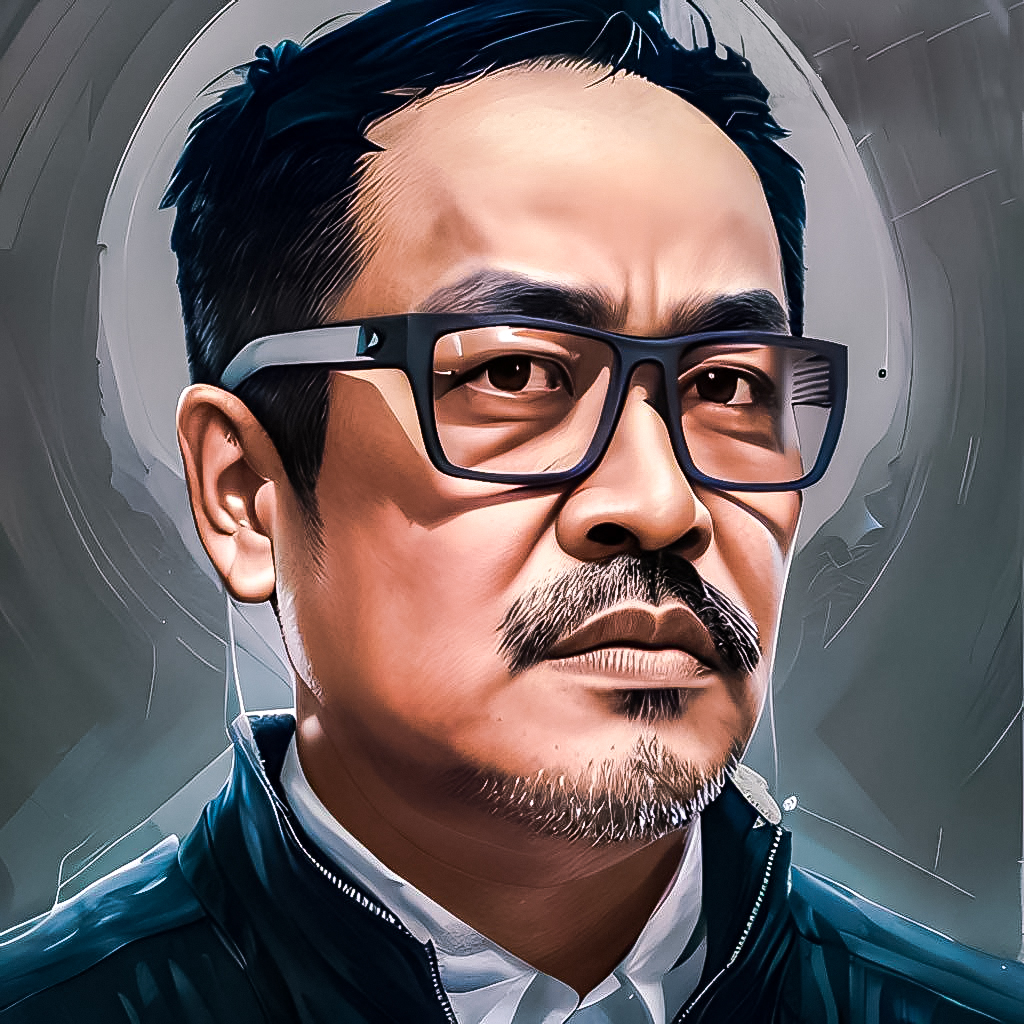
Por Than Muk or Ajarn Muk was an abbot of Keereekhan Temple. He was a mind center to develop the temple. It has been continually told that he was well-known during the Vietnamese War. The soldiers who went to battle and wanted to be safe from the War, they must think of Por Than Muk. Those who brought his holy coils would return safely. Moreover, he was respectful to all villagers. If someone fought and quarreled, he would be the intermediary. He taught everyone to live as brothers or sisters. He was also a monk who took an essential role in society, from building temples to schools and holy objects during the 2nd World War. Although he passed away, the villagers have kept respecting him as the sacred person of the Keereekhan Temple. 4. Por Than Muk or Ajarn Muk 39
ถ�ำแกวสุรกานตอยูในเขตอุทยานแหงชาติเขาหลวง อยูในทองที่หมูที่ 2 ตำบลเขาแกว อำเภอลานสกา กอน ถึงอุทยานแหงชาติประมาณสามกิโลเมตร ลักษณะเปนถ�ำหินปูน มีหินงอกหินยอยงดงาม มีน�ำหยดตามเพดานถ�ำ ความลึกของถ�ำประมาณ 700 เมตร ชาวบานมีความเชื่อวาในถ�ำแหงน��มีน�ำยาศักดิ์สิทธิ์อยู 3 บอ บอที่ 1 เปนบอยา ทานน�ำในบอน��จะทำใหโรคที่เปนอยูหาย บอที่ 2 เปนบออาถรรพ ชายหญิงคูใดทานน�ำในบอน��จะครองรักกัน บอที่ 3 เปนบอยาหายเมา แกการหลงตนเอง ใครผานมาทางถ�ำแกวสุรกานตก็จะบนบานและไหวแสดงความเคารพ แตการ บนบานนั�นก็ไมมีการแก ตอนหลังปดประกาศคืนที่ของชุมชนใหกับอุทยาน ก็กลายเปนวาปดการทองเที่ยว จะไมมี คนทองเที่ยว แตเมื่อกอนมีอุทยานเขาจัดใหคนมาพัก ระยะสิบปยี่สิบปที่ผานมาก็ยกเลิก มีเพียงปายกับที่ถายรูปแลว ก็สรางพระไว ในอดีตถ�ำแกวสุรกานตเปนที่พักของคนโบราณ ในการเดินทางไปสรางพระบรมธาตุหร�อคนยุคหิน ประวัติศาสตร ที่เขาเขียนไวตรงขามเปนทาเร�อ ถัดไปก็เปนปาคนไปเดิน ตรงกลางก็เร�อ ยุคที่ไดชื่อวาถ�ำแกวสุรกานต ก็เพราะวาพบ ลูกแกว ลูกแกวของสุรกานต เจาเมืองที่จะมาสรางพระธาตุมาจากพังงา มาจากเวียงสระ มาจากไชยา จะเอาเงินทอง แหวนตาง ๆ เอาไปสรางพระธาตุ ทราบขาวถึงพญานาคเขาก็ขุดเอาลูกแกวมาใหพรานสุร�ยะ ใหนายพรายสำเร็จก็ผุด ขึ้นมาเปนแสงแกวแวววาว เปนแกวสุรกานตที่หนาถ�ำแลวพรานก็ไปมอบใหเจาเมืองเพื่อประดับไวที่ยอดพระธาตุ ที่มา ของถ�ำแกวสุรกานตที่เลามาคนที่เลาเปนครูใหญโรงเร�ยนคีร�กัณฑชื่อครูพิศเปนนักประวัติศาสตร ทานเสียชีวิตนานแลว เปนปูชน�ยบุคคล ถ�ำแกวสุรกานตถาเขาไปขางในแลวสามารถทะลุออกขุนทะเลได (พรชนก ศักดิ์ธาน� และปใหม เปลงแสง, 2565, สัมภาษณ) พิกัด : N 8.367163 E 99.785224 5. ถ�ำแกวสุรกานต 40
This cave is located in the Khao Luang National Park area, three kilometers before the national park, in Village No.2, Khao Kaew Sub-+district, Lansaka District. It is a limestone cave, 700 meters deep, with beautiful scenery of stalactites and water drops all over the cave ceiling. The villagers have kept believing this cave has holy water in three wells: 1. The medicine well. People who drink the water from this well will be better from their sickness. 2. The mysterious well. The couple who drink the water from this well will love and live happily ever after. 3. The sober well. Those who drink the water from this well will recover from narcissism. The passerby who travels to the Kaew Surakarn Cave will pray and worship to pay respect. However, there is no ritual to make a votive offering. However, when there was an announcement to return this community place to the national park, the tourist activity was stopped. There were no more tourists. The national park previously organized the accommodation for the passerby around 10-20 years ago, but then it canceled. Only signs and photo locations are provided, including building an image. In the past, the Kaew Surakarn Cave was the accommodation for the ancient people who traveled to build the Buddha's relics or for the cave dwellers. Based on the historical record, there was a port opposite this place, and the forest was next to it, as the area people used to make a journey. The place for boats or ships was in the middle of the port and forest. The event that led to the name of the Kaew Surakarn Cave Age was the founding of Surakarn's crystal balls. Surakarn was the city ruler's name. He traveled from Phangnga Province and passed Wiang Sa and Chaiya. He took his precious things like crystals, rings, gold, and money to this place to build the Buddha's relics. His arrival was heard by the King of Nagas, who dug to get the crystal balls and gave them to the hunter Suriya. When he gave the crystal balls to the hunter Suriya, sparkling and glittering suddenly shone out from the crystal balls, becoming the Surakarn glass in front of the cave. The hunter took these crystals to the ruler to decorate the top of the Buddha's relics. The principal of Keereekhan School and a historian, Ms. Pis, told the history of Kaew Surakarn Cave. She passed away a long time and was considered a venerable person. Visitors nowadays can travel to the Khun Talay through this cave by going inside. (Sakthani and Plengsang, 2022, Interview) 5. Kaew Surakarn Cave 41
ตาหลวงสองคือคนที่มีวิชา เมื่อตายไปแลวก็สามารถเนรมิตรูปรางตาง ๆ ได ตาหลวงสองเปนเสือ ใครเขาไป ปาไปหาสัตวตองเอยชื่อทาน ทานรักษาแนวเขา ชาวบานเชื่อวาทานน�าจะมาจากเสือ เพราะสิ�งที่ชาวบานเห็นตอนปรากฏ กายคือเปนเสือ เปร�ยบเสมือนเจาปาเจาเขาที่ดูแลขุนปาขุนเขา เวลาชาวบานจะเขาปาก็น�กถึงตาหลวงสอง ชาวบานศรัทธา และเชื่อวาตาหลวงสองกับยายทองแจมซึ่งเปนภรรยาของตาหลวงคอยปกปองดูแลลูกหลานใหแคลวคลาดปลอดภัย ตั�งแตน�ำตกกระโรมจนไปถึงคีร�วง เวลาชาวบานขึ้นไปทำสวนทำไรก็เอยชื่อตาหลวง เวลาจะทานขาวก็ตั�งสำรับใหตาหลวง กอนแลวเอยชื่อทาน เวลามาไหวตาหลวงก็น�ยมไหวดวยเหลาขาว 1 แกวเหมือนกับไหวเจาที่ (พระครูสุธรรมคณารักษ, 2565, สัมภาษณ) ทานเปนที่พึ่งทางจิตใจ รูปปนของตาหลวงอยูที่ทางขึ้นน�ำตกกระโรม จะมีเปนศาลตั�งอยู เปนรูปปน ดินดำ ลุงชื่นเปนคนปน ปนกอนป พ.ศ. 2531 ตอนนำตาหลวงสองขึ้นไปมีกลองยาวนำขบวน เอาไปตั�งทางขึ้นน�ำตก กะโรมใตโคนตนไม เปนสิ�งศักดิ์สิทธิ์ที่คนในตำบลใหการเคารพนับถือ คนในถิ�นเวลาไปเที่ยวก็ตองยกมือไหวขออยา ใหเกิดเหตุการณอันตราย เน��องจากเปนพื้นที่สูง มีตนไมกิ�งไมปกคลุม (กุลศานต เจร�ญสม และสนั�น ผลหิรัญ, 2565, สัมภาษณ) พิกัด : N 8.368949, E 99.753363 6. ตาหลวงสอง ยายทองแจม 42
Ta Luang Song (Grandpa Luanf Song) was a person who knew the magic. After his death, he could transform his body into various looks. He was a tiger, and when people entered the forest, they had to say his name. He helped protect the range of the hill. The villagers believe that he was transformed from the tiger because they saw him in the appearance of the tiger look. He was like the King or God of the forest, living to protect the forest and the mountain. When the villagers went into the woods, they would think of him. The villagers have faith and believe Ta Luang Song and his wife, Yai Thong Jam (Grandma Thong Jam), have kept protecting the descendants from dangers in the Karom Waterfall along the Kiriwong area. The villagers said his name when they went to the mountain to do their orchard and farm. Before the meal, they would place the food tray for Ta Luang Song and say his name. People worshiped him by offering a cup of rice whisky, like making a sacrifice to gods. (Phra Kru Suthamkanarak, 2022, Interview) Ta Luang Song is a mind center. His image is established under the tree on the way to Karom Waterfall. There is a shrine for his statue. Uncle Chaen was an artisan sculpting the black clay statue in 1988. When the statue of Ta Luang Song was brought up to the way of Karom Waterfall, the long drums played in front of the parade. He is a sacred person for district people paying respect. Due to the nature of this place, which is high ground and covered by branches and trees, the locals who travel there have to worship him to avoid the dangerous incident. (Charoensom and Polhiran, 2022, Interview) 6. Ta Luang Song and Yai Thong Jam 43
เปนเจาที่เจาทางเจาปาเจาเขา ทวดมออาศัยอยูในพื้นที่หมู 2 และหมู 3 ชาวบานนับถือกันมาหลายชั�วอายุคน ทวดมอจะอยูทางทิศใต เขาไปถึงลานสกาคือฝงทวดมอ รักษาคนคนละฝงเขากับตาหลวงสอง มีบทบาทตอชาวสวน เวลาชาวบานเขาปาไปหาสัตวหร�อไปทำสวนตองเอยชื่อขอพร และตองตั�งของบูชาซึ่งสวนใหญจะตั�งเปนขาวตมเปยก ซึ่งเปนของชอบของทวด (พระครูสุธรรม, 2565, สัมภาษณ) ของไหวนอกจากเปนขาวตมเปยกแลว ก็ยังน�ยมไหวดวย ใบกระทอม ถึงฤดูกาลผลไมก็เอยชื่อทวดมอใหผลผลิตงดงาม ราคาดี ขึ้นสวนทำไรขอใหไมเจอสัตวราย สัตวมีพิษ ชาวบานน�ยมไหวทวดมอหลังเก็บเกี่ยวผลผลิตเชน เก็บทุเร�ยน เก็บมังคุด แลวก็จะมีงานประจำปของอำเภอลานสกา พิธีบวงสรวงผลไม มีวัดคีร�กัณฑแลวก็วัดลานสกาใน วัดลานสกาในทำตอนหลังแลว มีพิธีสมโภชผลไม พิธีขอขมา การสมโภชผลไมก็น�กถึงเจาปาเจาเขาที่ดูแล ทวดมอมีบทบาทกับวิถีชีวิตของชาวสวน คนรุนปูยาตาทวดและรุนลูกรุน หลาน เขาไปในปาเขาน�กถึงสิ�งศักดิ์สิทธิ์ ปจจุบันก็ขอใหทานชวยในเร��องการทำงาน ชวงเทศกาลเดือนสิบก็เอาขนมพอง ขนมลา ขนมบา ไปถวาย พอถึงฤดูกาลเก็บเกี่ยวไดผลผลิตมากก็ซื้อหัวหมู ซื้อไก ซื้อเหลา ไปถวายเพื่อความเปนสิร� มงคล (พรชนก ศักดิ์ธาน� และปใหม เปลงแสง, 2565, สัมภาษณ) ถามีใครลบหลูดูหมิ�นก็จะมีเหตุเภทภัย หากจะทานขาวก็ตองตั�งสำรับใหทวดรับประทานดวย หากไมตั�งก็จะ มีเหตุการณที่ทวดสำแดงใหเห็น เชนเปนงูขึ้นไปทับบนหนาอก ปจจุบันชาวบานก็ยังระลึกถึงทานอยู เวลาจะทำอะไร ที่เสี่ยงตออันตรายก็จะเอยชื่อทานใหทานคุมครองใหปลอดภัย เชนเวลาชาวบานขึ้นตนไม ชาวบานก็จะเอยชื่อทานใหทาน คุมครอง (ราตร� แปนเหลือ, 2565, สัมภาษณ) 7. ทวดมอ 44
Tuad Mor (great-grandfather Mor) is the God of the forest and mountain. When he was alive, he lived in Villages No. 2 and 3. The villagers have kept respecting him for generations. He lived in the south, entering the Lansaka area, called Tuad Mor side. He protected this side, and another was Ta Luang Song's side. He played an essential role for the orchardists. When the villagers entered the forest to hunt the wild animals or do their orchards, they had to say his name and make a wish. They also placed the offering, mainly the rice paste, because it was his favorite dish. (Phra Kru Sutham, 2022, Interview) Besides the rice paste, people preferred to offer Kratom leaves. When the fruit seasoning arrived, the orchardists said his name for asking about the great fruit products and high prices. When they went up to do the orchards, they prayed to him, asking him not to face the fierce, venomous, or poisonous animals. The villagers preferred to pay respect to Tuad Mor after fruit harvesting, such as durian and mangosteen. In the past, the annual ceremony of Lansaka District, fruit worship, was organized by the Keereekhan and Lansaka Nai Temples. However, the Lansaka Nai Temples managed this activity latterly. There were also the fruit celebration and fruit apology ceremony to think of the forest and mountain gods. As mentioned above, Tuad Mor played an essential role for the orchardists. The ancestors, like great-great grandparents and grandparents, including the descendants, would think of the sacred things or persons when they entered the forest. Nowadays, people ask Tuad Mor for help with their job. They will offer Kanom (snack) Pong, La, and Ba to Tuad Mor. When the harvest season arrives, and they get fruitful production, they will buy the boiled-pig head, chicken, and alcohol to offer him for auspicious life. (Sakthani and Plengsang, 2022, Interview) 7. Tuad Mor 45
ตาสีรุงคือปูโสมเฝาทรัพย ทานเปนคนที่มีวิชา มีบทบาทในอดีตเปนมัคทายกวัด หร�อวาบุคคลที่อยูในศีลใน ธรรมดูแลวัด (พระครูสุธรรมคณารักษ, 2565, สัมภาษณ) ตาสีรุงทานเปนคนรักษาถ�ำ ในถ�ำมีทรัพยสมบัติมหาศาล ปจจุบันมีหินมาปดปากถ�ำแลว ไมมีใครเอาไปได เวลามีงานชาวบานก็จะไปเอาของที่นั�นมาใช มีครบทั�ง ถวย จาน หมอ กระทะ แตพอชาวบานไปเอาแลวไมสงคืน หร�อบางทีสงคืนไมครบ ตาศร�รุงก็เลยปดประตูถ�ำ ไมมีใครเปดได ปจจุบันน�� สรางเปนสำนักสงฆ มีพระมาอยูบาง ไมมีบาง เปนที่ของกรมศาสนา มีชาวบานไปเชาปลูกผลไม ตาศร�รุงเปนคนศักดิ์สิทธิ์ ตอนเล็ก ๆ เคยเห็นกับตามีลูกคนแถววัดไปขึ้นตนลางสาด ตกตนลางสาดจนกระทั�งพาไปหาหมอ หมอก็รักษาไมหาย หมอใหพากลับบานใกลจะสิ�นใจแลว น�ำลายฟูมปาก ชาวบานเลยไปขอใหตาสีรุงชวย เขารางทรง ตาสีรุงก็ทรงแลวกำ ขาวสารเสกปาใสตัวเด็ก ปรากฏวาเด็กลุกขึ้นยืน เดินไดเปนปกติ จึงเปนที่นับถือวามีอภิน�หารเร��องรักษาไข รักษาทาง ดานไสยศาสตร ใครโดนของตาสีรุงสามารถเอาออกไดหมด เปนบุคคลที่มีความสำคัญในอดีต (ราตร� แปนเหลือ, 2565, สัมภาษณ) คุณพรชนก ศักดิ์ธาน�ไดนำเน��อหาจากขอมูลเฟสบุกของคุณอนงคลักษณซึ่งเปนหลานของตาสีรุงมาถายทอด ใหคนรุนหลังไดรับรู เพราะตาสีรุงไดสรางคุณประโยชนมากมายใหกับชาวเขาแกวในอดีต ดังรายละเอียด ซึ่งคุณพรชนก ไดกลาววา “หากมีขอมูลสวนหน��งสวนใดผิดพลาดผมตองกราบขออน�ญาตขอขมากรรมตอดวงจิตดวงวิญญาณของ ทวดดวย บทความตอจากน��ไปเปนบทความของ คุณอนงคลักษณ สุวรรณปาน เปนลูกหลานของทวดตาสีรุงเขียนไว ในเฟสบุก คุณพรชนกขออน�ญาตนำมาเผยแพรตอโดยไมตัดตอนหร�อแกไขใดๆทั�งสิ�น” ตาสีรุง คือทวดของหน�เองคะสวนเร��องถ�ำนั�นตามคำบอกเลาของแมเฒา พอเฒาและแมเองไดบอกไววาทวดปด ตายปากถ�ำไวเพราะกลัวพวกละโมบโลภมากจะเขาไปโขยทรัพยสินมีคาไปขายหร�อเอาไปเปนสมบัติสวนตัว(ที่ปจจุบันอาจ ประเมินราคาไมได) รวมถึงสิ�งสำคัญอยางหน��งที่หลาย ๆ คนหมายจองเอาไปครอบครองแตไมสามารถเอาไปไดดั�งใจ หวังแมจะเอาผูมีวิชามาทำการเปดปากถ�ำหร�อลองของกับทวดแลวก็ตามแตก็ไมสามารถเปดปากถ�ำได (หลังจากทวด ปดตายปากถ�ำแลวก็เปนไปตามที่ทวดคิด ชวงหลายปหลัง ๆ มาน��ก็เลยไมคอยเห็นใครมาลองของกับทวดอีก) สวนวัด นอกวัดในมีอยูจร�งเพราะบานหน�และที่สวนอยูติดกับวัดนอกซึ่งไดเปนวัดรางมาประมาณ 150 ปเห็นจะได (รางมาตั�งแต ร. 5 เสด็จประพาสน�ำตกกะโรม ซึ่งสมัยนั�นถาจะเสด็จผานวัดนอกระยะทางมันไกลมากบรรดาเหลาขาราชการก็เลยหา เสนทางใหมซึ่งไดถนนที่ใชในปจจุบันเปนเสนทางเสด็จผานและไดสรางวัดคีร�กันทราวาสขึ้นทำใหวัดนอกและวัดในราง ตั�งแตบัดนั�นเปนตนมา ซึ่งหลังจากนั�นวัดนอกก็มีคนมาเชาเพื่อทำสวนผลไม (ไมขอเอยนาม) สมัยเด็ก ๆ ก็เคยเห็นมี There was a story of his sacredness. If someone disparaged him, they would face danger. If people had a meal, they also had to place the food tray for him. If not, Tuad Mor would show his power through some situations. For example, he transformed into a snake and crawled to overlay on the chest. The villagers nowadays still think of him. When they take some risks, they will say his name to ask for protection, such as when the villagers climb a tree, they will say his name for protection. (Panleur, 2022, Interview) 8. ตาสีรุง 46
พระไปอยูที่วัดบางแตก็อยูไดไมกี่วันก็ตองไปเพราะไมมีกุฏิใหพระ ปจจุบันวัดนอกมีพระมาประจำอยู 1 รูป ซึ่งทางชาว บานไดรวมกันสรางกุฏิถวายเปนของสงฆเพื่อหวังวาจะไดมีพระเดินอยูในวัดสักรูปแบบยาว ๆ ก็ยังดี สวนอุโบสถนั�นยัง คงมีฐานอยูซึ่งยังไมไดมีการสวดถอนลูกน�มิตแตอยางใด ซึ่งหากจะใชทำพิธีทางศาสนาก็ยังสามารถทำไดอยู ซึ่งตอนน�� พวกเราชาววัดนอกอยากไดวัดกลับมาเปนวัดเหมือนเดิมแตก็ไมรูวาจะเปนไปไดอีกเมื่อไหร ฯลฯ สวนวัดในนั�นก็กลาย เปนสวนของชาวบานไปตั�งแตบัดนั�นเชนกัน (สมัยกอนทั�งวัดนอกและวัดในเปนปาดงดิบมีสัตวรายเยอะหน��งในนั�นถาจำ ชื่อไมผิดก็คือ "อีคราน" เปนชื่อเสือ ที่ชอบกินสัตวที่ชาวบานเลี้ยงไว ก็ไดทวดรุงเปนคนคอยกำราบให ผลงานและคุณ ความดีของทวดรุงมีเยอะมาก หลักฐานของวัดในที่มีก็คือกุฏิไมหลังเกา ๆ 1 หลัง ซึ่งตอนเด็ก ๆ เขาใจวาเปนหนำแต แมบอกวาคือกุฏิวัดในที่เหลืออยู (ปจจุบันไมทราบวายังอยูหร�อไมเพราะไมไดเดินเขาไปเที่ยวเปนหลายปแลวคะ ในน��เรา จะเร�ยก "สวนบานใน" สวนที่บานเราจะเร�ยกเลน ๆ วา "สวนบานนอก" ที่ขางวัดในจะมี "หนาน" ซึ่งสูงมากใชเปนเสน ทางเดินขึ้นสวนพอถึงชวงหนาฝนจะมีสายน�ำไหลเหมือนน�ำตกซึ่งสวยงามมากแตพอหนาแลงน�ำก็จะหมด (มีไหลร�น ๆ เล็กนอย) ตอนเด็ก ๆ พอหนาฝนเราก็จะไปเลนน�ำหนานกันอยางสน�กสนานมากเลนแบบไมน�กกลัวน�ำปากันเหมือน สมัยน�� พอถึงหนาแลงก็จะไปเลน อีหยับกัน ซึ่งตรงหนานน��จะมีลานหินที่กวางและเย็นชื่นใจมาก สวนเร��องถ�ำนั�นหลาน ๆ เหลน ๆ โหลน ๆ คุยกันมานานแลววาตองการปลอยใหเปนตำนานไมตองการใหพูด ถึงจนเปนที่รูของคนทั�วไปนักเพราะกลัวจะมีพวกละโมบโลภมากมาลองของหร�อคิดจะเปดปากถ�ำเหมือนเมื่อครั�งกอน ๆ อีก ตามที่ทราบขาวคนพวกน��สวนใหญลวนจากโลกไปดวยความน�าเวทนาทั�งสิ�น Ta Si Roong was a gnome who protected precious wealth. He knew the magic and was a spiritual guide of the temple or a person who practiced morality and took care of the temple. (Phra Kru Suthamkanarak, 2022, Interview) Ta Si Roong was also the cave protector because there was a lot of precious wealth in the cave. The rock closes the cave's mouth so no one can take the wealth. It was said that the villagers often brought utensils in the cave, such as a bowl, plate, pot, or pan, to organize their house activity. However, after finishing the ceremony, they did not return all stuff or make an incomplete return, Ta Si Roong decided to close the cave door, and no one could not open it. This place is now transformed into a house of priests authorized by the Department of Religious Affairs. Sometimes, there are monks living there, and sometimes there are not. The villagers rent to plant their fruits. Ta Si Roong was a sacred person. When he was young, someone experienced with his eyes that a child of people living near the temple climbed the Langsad tree and fell. He was injured and taken to the doctor. Sadly, the doctor could not cure him and told the parents to take him home. He was closely dead, and his mouth was full of saliva. The villagers asked Ta Si Roong for his help. Ta Si Roong turned into a medium to communicate with spirit. He grasped the consecrated rice and threw it to that child. Surprisingly, the child could stand up and walk regularly. Then, he was considered a sacred person with magic in curing other people. His cure was based on superstition. For those who were affected by black magic, Ta Si Roong could completely take it out. He was a valuable person in the past. (Panleur, 2022, Interview) 8. Ta Si Roong (Grandpa Si Roong) 47
Mr. Pornchanok Sakthani brought the information from the Facebook of Ms. Anonglak, Ta Si roong's granddaughter, to pass on to the new generation because Ta Si Roong made great benefits to Khao Kaew villagers in the past, as mentioned previously. Mr. Pornchanok said, "if there are some mistakes in continuing this information, I would like to sincerely apologize to the soul and spirit of Ta Si Roong. The following article was written by Ms. Anonglak Suwanpan, granddaughter of Ta Si Roong, on her Facebook. I have permission to publicize this information without extracting or editing."The article details are as follows: Ta Si Roong was my great-grandfather. For the cave story based on my grandmother, my grandfather, and my mother, my great-grandfather was a person who closed that cave door permanently. He was afraid some hogs were entering to take the valuable wealth for sale or possession (nowadays, that property is valueless). Moreover, there is an essential thing that many people have kept intending to take as their possession. However, they could not take it as they wished. Although other magical persons tried to open the cave door or challenge my great-grandfather's magic, they could not. (After my great-grandfather closed that door, the situation happened under his prediction. However, no one was trying to challenge him in the last several years.) Nok and Nai temples exist because my house and orchard areas are close to the Nok Temple, which has been abandoned for 150 years. It has become a wasteland since King Rama 5 traveled to the Karom Waterfall. At that time, it was very far to take this path, passing the Nok Temple, so the government officials sought the new route, which is the current road, as the path for the King's travel. Moreover, the Keereekhan Tharawas Temple was established, causing the unoccupied Nok and Nai temples since then. After that, someone rented the Nok Temple to do the fruit orchards (I don't want to reveal their name.) When I was young, I saw some monks staying at the temple. However, they lived shortly. Then they left because there was no monk's dwelling. At present, a monk is staying at the Nok Temple permanently. The villagers worked together to build the monk's residence because they just hoped to see a monk living permanently in the temple. The base was left for the Buddhist chapel (Ubosot), but it has yet to pray to take Lok Nimitr (round stones buried in the ground to mark the sacred limits of a temple) out. It is still possible to do the religious rites at this temple. As the Nok Temple villagers, we want to get our temple back but need to know when it can happen. The Nai Temple became the villagers' orchards since then as well. (In the past, both Nok and Nai temples were placed in tropical rainforests. There were many fierce wild animals. One of them was "E-Kran," a tiger that liked eating the domestic animals of the villagers. Tuad Roong (great-grandfather Roong) was a person keeping suppressed it. There were a lot of work and significant contributions by Tuad Roong.) The evidence of Nai Temple was an old dwelling. When I was young, I just thought it was a small Thai house, but my mother said it was the dwelling left in the temple (nowadays, I have no clue if it still exists because I have not walked to visit it for a long time.) In this place, we call it "Suan Ban Nai" (orchard of Ban Nai area), but we informally call the site of our house "Suan Ban Nak" (orchard of Ban Nok area). Inside the Nai Temple was "Nan," a very high location used to walk up to the orchards. When it was rainy season, the water flew like a waterfall. It was wonderful. However, the water stopped flowing during the dried season (only a tiny stream flew gently). When I was young, my friends and I liked playing in the 48
รอยควายคือตำนานทรพีทรพา ประตูเขาแกวน�ทานรามเกียรติ์ บร�เวณหุบเขาเมืองตนน�ำที่ลอมรอบดวยเทือก เขาหลวง มีควายเผือกตัวหน��งชื่อทรพามีบร�วารตัวเมีย 500 ตัวอาศัยอยู กลาวยอนกลับไปในอดีตชาติของควายเผือก ตัวน��ในอดีตเคยเปนยักษชื่อนนทกาล เปนยักษที่ทำหนาที่คอยเฝาประตูวัง (นายทวารบาล) บนเขาไกรลาศของพระศิวะ หร�อพระอิศวร ทุกเชานางมาลีผูรับใชพระอิศวรคอยเก็บดอกไมมาใหพระอิศวรเพื่อบูชาพระเวท ยักษนนทกาลเห็นนาง มาลีก็มีใจชอบอยูจึงแอบตามเขาไปในสวนแลวเด็ดดอกไมโยนใสนางมาลีหยอกเยาตามจีบ นางมาลีโกรธไปฟองพระอิศวร พระอิศวรสาปยักษนนทกาลใหไปเกิดเปนควายชื่อทรพาอยูในปาเมื่อมีลูกตัวผูเกิดมาก็มาฆาพอทรพาก็จะพนคำสาป แลวมาเกิดเปนยักษเฝาประตูวังเหมือนเดิม นนทกาลมาเกิดเปนควายเผือกมีบร�วารนางควาย 500 ตัว หากินอยูในปา และเมื่อควายตัวเมียตัวใดออกลูกมาเปนตัวผูจะถูกฆาตายทั�งหมด ยังมีนางควายชื่อน�ลาตั�งทอง นางแอบไปซอนตัว เกิดลูกที่ถ�ำสุรกานต แลวลูกออกมาเปนตัวผูรางกายกำยำตั�งชื่อวาทรพี แลวเลาเร��องของพอฆาลูกทุกตัวที่เกิดมา เปนตัวผูและนางฝากลูกใหเทพเทวดาในถ�ำชวยเลี้ยงดู เทวดาในถ�ำสุรกานตสงสารชวยกันเลี้ยงทรพี เมื่อทรพีโตขึ้นจึงออกจากถ�ำมาเจอรอยเทาทรพาที่เคยมาหากินแถวหนาถ�ำและหยียบเปนรอยไว ทรพีจึงมา วัดรอยเทา จนเกิดเปน “หินรอยควาย” เมื่อเห็นวามีขนาดเทากันก็ออกตามหาทรพาเพื่อตอสู ในที่สุดทรพีฆาทรพาตาย ทรพีเมื่อรูวาตัวเองเกงก็ออกทาทายทารบกับเทพเทวดาตาง ๆ ไปทาพระอิศวร พระอิศวรใชใหไปสูกับพาลีผูครองนคร ขีดขิน พาลีก็ปราบควายทรพีไมได ก็น�กขึ้นมาไดวาน�าจะมีเทพเทวดาปกปกษรักษาอยูจึงทาทายทรพีไปรบกันในถ�ำที่ เจาเกิด กอนที่จะเขารบกันในถ�ำ พาลีไดสั�งกับนองสุคร�พวาศึกครั�งน��พี่จะรบแค 7 วัน ถาครบ 7 วันแลวพี่ยังไมออกมา ก็ใหชวยกันขนหินปดปากถ�ำอยาใหทรพีออกมาหร�อถาภายใน 7 วันเห็นเลือดที่ไหลจากถ�ำสีจาง ๆออน ๆ ก็เปนเลือด ของพี่ แสดงวาพี่ตายใหร�บเอาหินปดปากถ�ำโดยเร็วเพราะเลือดทรพีคนบาปสีแดงขน เมื่อสั�งเสียเร�ยบรอยพาลีก็เขาถ�ำ สุรกานตเพื่อรบกับทรพี rainwater at Nan. It was enjoyable, and we were not afraid of the flood like the present. When it was the dried season, we played "E-Yup" (hide and seek). Nan had an expansive and chill stony terrace, making us refreshed. For the cave, grandchildren, great-grandchildren, and great-great-grandchildren have been talking for a long time, and we want this story to be a legend. We do not want it to be mentioned and spread to the general public. We are afraid of the hogs who wish to challenge our great-grandfather or try to open the cave mouth like in the previous incidents. As I know, all these people left this world with tragic death causes. 49 9. หินรอยควาย
การสูรบเขามาสูวันที่ 7 ผลแพชนะก็ยังไมเกิด พาลีจึงออกอุบายถามไปวา มึงทรพีที่มึงเกงก็เพราะเทพเทวดา ดูแลมึงอยู ฝายทรพีตอบวาที่กูเกงก็เพราะตัวกูไมไดมีเทพเทวดามาปกปกษรักษา สิ�นเสียงทรพีลิงพาลีก็บอกเทพเทวดา วา คนเนรคุณที่ไมสำน�กบุญคุณเชนน��ไมสมควรที่เทพเทวดามาชวยรักษา วาแลวพาลีก็ฆาทรพีตาย (ที่มาของคำวาทรพี คนเนรคุณ) เมื่อทรพีตายบรรดาเหลาเทพเทวดาก็ดีใจชวยบันดาลฝนใหตกลงมาหาใหญจนละลายกับเลือดทรพีที่แดง ขนใหใสจางลงแลวไหลออกมาปากถ�ำ ฝายสุคร�พที่มานั�งรอพี่พาลีพรอมดวยบร�วารลิงที่บนเขารอบควาย (เขารบควาย) เมื่อเห็นเลือดไหลออกจากถ�ำน�ำใส ๆ ก็ตกใจคิดวาพี่ตายก็ร�บขนหินปดปากถ�ำตามที่พี่สั�งแลวพาบร�วารเดินทางกลับ ไปนครขีดขิน สวนพาลีที่ติดอยูในถ�ำก็พยายามหาทางออกจากถ�ำปนปายจนถ�ำทะลุแลวกลับมานครขีดขินไดก็มาดา วานองสุคร�พเพราะคิดวานองจะชิงเมืองไลนองออกจากเมือง แลวสั�งใหบร�วารที่ขนหินปดปากถ�ำใหไปอยูเฝาบนเขารอย ควายตรงขามปากถ�ำแกวสุรกานตเปนการลงโทษหามกลับเมือง จึงเปนที่มาของ “ลิงวัดชายเขา”เขาบอกวา ลิงวัดชาย เขาเปนบร�วารเปนลูกของสุคร�พทั�งนั�นซึ่งมันคลองจองกับรามเกียรติ์ สุคร�พเมื่อพี่ชายไลออกจากเมืองก็นอยใจ ไปเจอกับหน�มาน หน�มานชวนสุคร�พไปอยูกับพระราม สุคร�พก็ฟอง พระรามวาพาลีพี่ชายไลออกจากเมืองและยังแยงชิงคนรักที่พระศิวะประทานมาให ฝายพระรามรูดังนั�นก็แผลงศรมาฆา พาลีแลวใหสุคร�พมาครองนครขีดขิน ฝายพาลีตองศรพระรามก็บาดเจ็บสาหัสแตไมตายจึงใชใหบร�วารไปตามสุคร�พ มาครองเมืองแทนแลวสั�งสอนสุคร�พในการเปนผูนำและพี่นอง จึงเปนที่มาของ “พาลีสอนนอง” เมื่อพาลีรูวาพระรามคือ พระนารายณอวตารมาเกิดใหมเพื่อปลดปลอยคำสาปใหกับพาลี พาลีก็ปลอยใหศรทะลุหัวใจสิ�นใจตาย ศรพระรามเลย มาปกบนหนาผาเปนที่มาของ “ศรพระราม”เขาแกวตำนานชื่อหน��งเดียวในประเทศไทยบงบอกสถานที่ในรามเกียรติ์ (พรชนก ศักดิ์ธาน�, 2565, สัมภาษณ) Roi Kwai, or buffalo trace, is from the legend of Thorapee and Thorapa and Khao Kaew Gate in the Ramayana story. Around the valley of the water source city, surrounded by Khao Luang Mountain, a white buffalo named Thorapa and his 500 female followers lived here. In the past existence, this white buffalo was a giant named Nonthakarn. He was a guardian of the palace gate (Thawanbal or doorkeeper) on the Krilas Mountain, occupied by the God Siva or Phra Isuan. Every morning, Lady Malee, a servant of Phra Isuan, always picked flowers to give to Phra Isuan to worship Phra Wet. Nonthakarn saw Lady Malee and had a crush on her. He stalked into the garden, picked and threw the flowers to Lady Malee for courting her. Lady Malee was angry, so she told Phra Isuan. Nonthakarn was cursed by Phra Isuan to rebirth as a buffalo called Thorapa, living in the forest. Thorapa would be free from the curse when his son killed him, and he could be reborn as the same person, the guardian of the palace gate. Nonthakarn was reborn to be a white buffalo. He had 500 female buffalos as his followers. He made a living in the forest. When a female buffalo gave birth a male buffalo, Thorapa killed it. Thorapa killed all his sons. However, there was a female buffalo named Nila. She was pregnant and hid her son by giving birth in the Kaew Surakarn Cave. She got a son with a strong body. She called his son Thorapee and told him his father had killed all his sons. Nila left his son to the gods to care for and raise him. With sympathy, the gods in the Kaew Surakarn helped her grow Thorapee. 9. Roi Kwai Rock (Rock with Buffalo Trace) 50
51 When Thorapee grew up, he left the cave and found the footmark of Thorapa, who made a living in front of the cave and left his footmark. Thorapee measured the footprints compared to his feet, causing "Roi Kwai Rock" (Buffalo Trace Rock). He saw his feet as big as his father's, so he sought Thorapa to challenge the battle. Finally, Thorapee could kill Thorapa. Thorapee thought that he was a good fighter. He challenged the gods and Phra Isuan for the battle. Phra Isuan told him to fight with the monkey soldier Palee, the ruler of Keed Khin city. Palee could not overcome Thaorapee. He suddenly thought that there should be guardian gods protecting Thorapee. Thus, he challenged Thorapee to fight in its birthplace cave. Before battling in the cave, Palee ordered his follower and brother, Sucreep, that this fight would be seven days long only. If he could not beat Thorapee within seven days, Sucreep must carry rocks to close the cave mouth and not let Thorapee move out of the cave. Alternatively, within seven days, if he saw the bloodstream flowing from the cave in pale color, that must be his blood and meant he was already dead. Sucreep must hasten to carry rocks to close the cave mount because the sinner's blood, Thorapee, was thickened red. After giving parting instructions, Palee entered the Kaew Surakarn to fight with Thorapee. The battle continued to the seventh day without a winner or loser. Palee tried to trick Thorapee by saying he was a good fighter because he had the guardian gods. Thorapee said he was courageous alone, nothing related to having the guardian gods. After finishing his word, Palee told the gods that this buffalo was ungrateful and the gods should not protect him anymore. Finally, Palee could kill Thorapee (It led to the proverb "Thorapee, an ungrateful person"). When Thorapee died, the gods were pleased, so they made heavy rainfall. The rainwater mixed with the blood of Thorapee, causing his blood to turn pale and flow out of the cave. Sucreep and the monkey followers were waiting for Palee on the Khao Rob Kwai Mountain. When he saw the pale blood flowing out of the cave, he was shocked because he thought Palee was already dead. He rushed to carry the rocks to close the cave mount, as Palee had previously ordered. Then, Sucreep ordered his followers to return to Keed Khin City. Palee was stuck in the cave. He tried to find the way out, and he finally came out. He returned to his city and blamed Sucreep because he misunderstood that Sucreep wanted to occupy his city. Palee forced Sucreep to leave the city. He also punished the followers who carried the rocks to close the cave mount to watch on the Roi Kwai Mountain, across from the mount of the Kaew Surakarn Cave. These followers were disallowed to return to the city, leading to the word "Monkeys of Chai Khao Temple." It was told that all monkeys of Chai Khao Temple were the followers or children of Sucreep, which was related to the Ramayana story.
Sucreep felt neglected by his brother. He met Hanuman, who invited him to join Phra Ram's army. Sucreep told Phra Ram that his brother, Palee, forced him to move out of the city and took his girlfriend, given by Phra Siva. Phra Ram tried to kill Palee by shooting his arrow and then appointed Sucreep as the new ruler of Keed Khin City. Phra Ram's arrow seriously injured Palee, but he was still alive. He ordered his followers to invite Sucreep to rule the Keed Khin City instead of him. He also taught Sucreep to be a good leader and brother, causing the word "Palee teaches his brother." When Palee realized that Phra Ram was the Narayana reincarnated to rebirth for releasing the curse for him, he let the arrow pierce through his heart and died. Phra Ram's arrow was plunged on the cliff, leading to the word "Phra Ram's arrow." Khao Kaew is the only place in Thailand having a legendary name indicating its location in the Ramayana. (Sakthani, 2022, Interview) 52
หมาคาบแกวก็คือลูกแกว ลูกแกวที่อยูที่หนาผา หมาคาบแกวแมวคอยแลเปนเปลือกหิน เปนรูปหินแตมีลักษณะ เหมือนหมากำลังคาบแกว และแมวกำลังคอยมอง เมื่อกอนพญานาคเอาลูกแกวมาไวชาวบานเขาจะมองเห็น เขาเร�ยก วาหินลูกแกว จะเปนหินงอกขึ้นมาเปนตัวแมวแลวก็นั�งจับกิ�งไมนั�งดูอยู หมาคาบแกว แมวคอยแล จะเปนหินคลาย ๆ วาสุนัขคาบแกว มีแมวคอยดู ดูเปนตัวแมว เขาเลากันวามีคนหยอนเฮลิคอปเตอรมาขโมยลูกแกวไป (ปใหม เปลงแสง, 2565, สัมภาษณ) Mha Karb Kaew is a name describing the posture of a dog holding a crystal ball in its mouth, and that crystal ball is on the cliff. Mha Karb Kaew Maew Koi Lae is the rock rind. It looks like the posture of the dog holding a crystal ball in its mouth and a cat keeping an eye on that. The King of Nakas brought a crystal ball to the area where the villagers could easily see it. This crystal ball was called the crystal rock. The stalagmite emerged to shape like a cat in the posture of sitting down, holding the tree branch, and looking at the dog. It was said that someone descended from the helicopter to steal the crystal ball. (Plengsang, 2022, Interview) 10. หมาคาบแกวแมวคอยแล 10. Mha Karb Kaew, Maew Koi Lae (A dog holds a crystal ball in its mouth, and a cat keeps an eye on that.) 53
อยูในเขตหมู 3 ตำบลเขาแกว พื้นที่ตั�งแตบร�เวณหลังวัดคีร�กัณฑจนจรดเขาธงคือพื้นที่ที่มีแหลงแร ชาวบาน เวลาไปขุดหาแรก็เอยชื่อแมนางพังทราย ขอพรจากทานขอใหเจอสายแร สายแรยกเลิกไปเพราะดีบุกราคาถูกลง สมัย กอนน�ำในคลองน�ำขุนทั�งปเน��องจากคนไปลางแร จึงเปนที่มาของการตั�งชื่อหมูบานวาบานรอน หมู 4 การหาแรสมัยกอน ชาวบานทำกันมาก ทำบนเขา ขี้แรก็ตกลงในคลองชาวบานก็ลงไปหาในคลอง ปจจุบันการทำแรยกเลิกไปแลว แมนาง พังทรายจึงไมมีบทบาทตอคนรุนหลัง และเด็กรุนใหมคงไมรูจักแลว (พระครูสุธรรมคณารักษ, 2565, สัมภาษณ) Mae Nang Pang Sai is located in Village No. 3, Khao Kaew Sub-district. In the past, the mineral deposit was an area from the back of the Keereekhan Temple across to the Khao Thong Mountain. When the villagers dug to find the mineral, they called Mae Nang Pang Sai and prayed to her to help them find the fissure vein. However, finding a fissure vein was stopped because the tin's price became cheaper. Due to being the place where the villagers cleaned the mineral, the water in the canal was muddy all year, which led to the name of this village, "Ban Ron" (Ron = mineral dredging), in Village 4. Most villagers mainly earned their living by going to the mountain to find the mineral. The slag fell into the canal, and the villagers went there to find it. Nowadays, there is no mining anymore. Mae Nang Pang Sai does not influence the new generation, and young people may not know this lady. 11. แมนางพังทราย 11. Mae Nang Pang Sai (Lady Pang Sai) 54
“ลานสกา” ร.5 รวมพระยาดำรงเสนาบดีกระทรวงมหาดไทยตกลงกันวา หากตั�งที่วาการอำเภอระบบตำบลใด ใหใชชื่อตำบลนั�นเปนอำเภอ ตำบลลานสกา เปนตำบลที่มีประวัติความเปนมายาวนาน สมัยพระเจาศร�ธรรมโศกราชถือไดวาเปนเมืองโบราณ มากอน ดูไดจากวัดตนโพธิ์และตนตาล ลานสกาเปนเมืองโบราณระดับนครรัฐแตเรายังใหความสำคัญนอย เพราะขาด การศึกษาวิจัย ลานสกาเปนเมืองทาชายทะเลที่ติดกับขุนเขา เปนชื่อตำบลหน��งในอำเภอลานสกา ซึ่งเปนชื่อที่ซ�ำกับ อำเภอที่มา “ลานสกา” มีขอสันน�ษฐาน ๓ ประการจากขอสันน�ษฐาน ประการแรก ความหมายของคำวา “ลานสกา” คำวา “ลานสกา” น�าจะมาจากคำวา “แลงกา” ซึ่งแปลวา อาวเขา หร�อหุบเขา ซึ่งเสียงคนไทยมักเร�ยกตามอินเดียไมชัดจึงเร�ยกเปน “ลานกา” ภายหลังเมื่อหาความหมายไมไดและแปล ไมถูกก็เพิ�ม “ส” เขามาอีกหน��งตัวเปน “ลานสกา” หมายถึงสนามการพนันชน�ดหน��งซึ่งเร�ยกวา “สกา” แตความจร�งคิด วาคงไมใชเชนนั�น คงไมมีใครมาเลนพนันกัน น�าจะมีความหมายเพียงวาเปนอาวหร�อหุบเขา เทานั�นซึ่งตรงกับสภาพ ภูมิประเทศมากกวา บทที่ 3 ประวัติตำบลลานสกา
ประการที่สอง สันน�ษฐานวามาจากคำวา “ลาน” + “กา” หมายถึง ที่ราบเตียนโลงซึ่งมีฝูงกามาหากินเปน จำนวนมาก ชาวบานจึงพากันเร�ยกวา “ลานกา” ตอมาเมื่อมีการที่ชื่ออำเภอขึ้น ไดมีผูหวังดีเดิม “ส” เขาไปจนกลายเปน “ลานสกา” เพื่อใหรูปคำแลดูงดงามและมีน�ำเสียงไพเราะหร�อกระเดียดไปทางภาษาบาลีและสันฤตอันเปนภาษาทันสมัย ในยุคนั�น ประการที่สาม สันน�ษฐานจากเน��อความในตำนานเมืองนครศร�ธรรมราชวา พระเจาศร�ธรรมโศกราช ไดอพยพ ไพรพลหน�ไขหา (ไขยมบน) มาพำนักอยูในพื้นที่ตำบลลานสกา ปจจุบันอยูในพื้นที่หมูที่ 6 คือวังโบราณ พื้นที่หมูที่ 3 คือ บร�เวณตนอินตนจันและวัดลานสกา พื้นที่หมูที่ 2 คือ ถ�ำเขาวัง หลักฐานรองรอยที่พบเห็นในพื้นที่หมูที่ 6 คือ หัวนโมซึ่งเขาใจวาเปนเคร��องรางของขลังที่พระเจาศร�ธรรมโศกราช ใชหวานเพื่อปองกันไขหา และยังพบเศษถวยโถ โอชาม มากมายในน�ำพบแจกันทองเหลืองพานทองเหลือง เมื่อป พ.ศ.2515 พอทานขาบ ฐิตสํวโร ไดนำขันทองเหลืองที่ทานนำมาจากถ�ำแหงในหมูที่ 6 ไปหลอเปนพระศร� ธรรมโศกราช ขนาดหนาตักกวาง 3 น��ว พรอมกับจัดทำเหร�ยญ พระศร�ธรรมโศกราช (รุนแรก) ณ โรงหลอพระ แถวๆ สถาน�หัวลำโพง กรุงเทพมหานคร นอกจากน��บร�เวณถ�ำเขาวัง หมูที่ 2 มีการพบเศษถวยชาม มีรองรอยของการลับมีดดาบลงบนหิน (หินลับมีดดาบ) และที่วัดลานสกา หมูที่ 3 มีพัทธสีมาคู ที่ทำจากเปลือกหอย สันน�ฐานวาเปนเปลือกหอยที่พระเจาศร�ธรรมโศกราชนำ มาจากประเทศอินเดีย (กิตติพันธ เพชรชูและคณะ, 2557) ตามตำนาน และคำบอกเลาของผูเฒาในสมัยกอนเลาวา พระยาศร�ธรรมโศกราชพรอมดวนพระอน�ชา ไดอพยพ ไพรพลหน�ไขหา มาพักบร�เวณใตตนอินทร - จันทร และชาวบานใชชื่อเร�ยกวาสถานที่น��วาบานลานสกาตั�งแตนั�นมา (องคการบร�หารสวนตำบลลานสกา, ออนไลน) 56
The academicians have given information on Lansaka's history in many aspects. The history and legend of Lansaka District started from the story that King U-Thong immigrated from Suphanburi to build the Nong Sone as Sri Ayutthaya city. The cholera pandemic occurred at that time, and people spread out of the city to live in the forest, leading to the abandoned city. When King U-Thong was informed, he sent Phra Sri Maharaja, his close relative, to persuade Nakhon Si Thammarat people to build the new town in the plain area surrounded by two valleys called "Lansaka" (the current Lansaka). Those two valleys are Khao Wang Nok and Khao Wang Nai (currently located in the Khun Talay Subdistrict). Due to the surrounding of these two valleys, the opponent used the plain area inside to meet secretly. The two valleys surrounded and converged on the southern side of the Sao Thong Canal or Khun Talay. There was a small creek flowing out to the river. Some said that it was a "field" for the crow to gather regularly, leading to the name "Lan Ka" (crow field) called by the villagers. Alternatively, this area was probably the old graveyard. Vultures and crows gathered to eat the corpse. Then, someone adjusted the name of this place to avoid the awful or inauspicious feeling. The name was changed from "Lan Ka" to "Lansaka," as well as the changing from "Sala Tham Sop" (pavilion for cremating) to "Sala Tham Sop (pavilion for making Sawana)" (different spelling in Thai for Sop). (Petchu, et al., 2014) History of Lansaka Subdistrict 57
Piroj believed that "Saka" was one of the games played by rolling the dice. It can also be found in the dictionary, and the meaning aligns with the word mentioned in the ancient age of King Sri Dhamma Sokaraj. The cholera pandemic occurred while the King was building the city "Siri Thamma Nakhon" at Sai Kaew Beach. He and his people immigrated to live temporarily in Lansaka for 4-5 years. During these years, the Saka sport was created, and this area was called Lansaka as well (Lan = field, Lansaka = the sport field for Saka). The King and his people returned to Sai Kaew Beach when the cholera was relieved. It probably caused another presumption stating that "crows" gathered to eat the corpse caused by cholera in this field. (Petratkul, 1984) Ms. Arunee said that Lansaka is an authentic Thai name. "Lan" refers to plain or lowland. The crows always flew down here and gathered to sing pleasantly in the past. Thus, the villagers have called this field "Lansaka." (Kerdmanee, 1983) Aeid Srisurang said that "Lansaka" was the field to play Saka for King Sri Dhamma Sokaraj and his brother. It was also the field for practicing. After the cholera pandemic was resolved, the King returned to reconstruct the Chedi of Buddha's relics. (Srisurang, 2022) Another assumption relies on combining two words, "Lan" + "Ka," referring to the flat lowland where many crows looked for food. The villagers called this field "Lansaka." When the district was established, "sa" was added to Lan Ka to become "Lansaka." (Passakon, 2022, Interview) 58
พระมังคุดวัดเจดีย ตั�งอยูหมูที่ 1 ตำบลลานสกา อำเภอลานสกา มีความเปนมาจากคำบอกเลาวามีนายพราน คนหน��งมีความตองการกวางเขาคุดที่อยูในปาอายคุด ปาที่มีไมเบญจพรรณและสัตวนานาชน�ด นายพรานคนนั�นเขา ปาอายคุดเพื่อเอากวางเขาคุด ใชเวลานานเปนเดือนก็ไมสามารถจับกวางเขาคุดได จนกระทั�งคืนหน��งนายพรานฝนวา กวางเขาคุดมาเขาฝนวาถานายพรานอยากไดเขาคุดของเรา ใหนายพรานไปในปาไปใตตนไมใหญสามตน และทานตอง ดูแลเศียรพระพุทธรูปสิ�งศักดิ์สิทธิ์ที่ประจำอยูที่ตนไมใหญสามตน และเราจะผลัดเขาให เมื่อตื่นนายพรานก็เดินไปดูตาม ที่ฝนปรากฏวาความฝนของนายพรานเปนความจร�ง นายพรานรวมกับชาวบานนำเศียรพระพุทธรูปพรอมเขากวางคุด ทำพิธีบวงสรวงกราบไหวบูชาและเร�ยกกันตอมาวา พระคุด ตามเขากวางคุด ตอมาไดสรางวัดตรงควน (ควน คือภูเขาดิน, เน�นสูง มักใชเปนพื้นที่ทำสวน เชน สวนยาง สวนปาลม) ประดิษฐานที่วัด มีชาวบานน�ยมนำมังคุดไปถวาย หลังจาก นั�นเมื่อชาวบานพบองคพระเจดียหายอดและไดยายพระคุดจากวัดตรงควนมาสรางใหมชื่อวา วัดเจดีย และไดน�มนต พระคุดมาประดิษฐานในวิหารวัดเจดีย และชาวบานเร�ยกชื่อเปนพระมังคุดวัดเจดียในเวลาตอมา ความศักดิ์สิทธิ์ของพระมังคุดวัดเจดียที่ชาวบานนับถือ มีการขอบนบานใหหายปวยไขและนำน�ำมนตมาเปน สิร�มงคลกับบานเร�อนที่อาศัยใหอยูเย็นเปนสุข และหลังจากพระคุดมาประดิษฐานมีความศักดิ์สิทธิ์ของลูกคุดจากตนไม มงคลเปนสรรพคุณนำมารักษาแกโรคตาง ๆ และเวลาแกบนน�ยมนำมังคุดไปถวาย ทำใหมีคนเปลี่ยนเปนพระมังคุด เพี้ยนไปจากที่มากวางคุด กลายเปนชื่อผลไมมังคุด เปนที่มาของชื่อพระมังคุดที่เร�ยกกัน ทั�งคนในพื้นที่และตางพื้นที่น�ยม เขาไปเคารพสักการะขอพรดวยความศรัทธาจนถึงปจจุบัน (พระครูอภิรักษเจดีย และเอียด ศร�สุรางค, 2565, สัมภาษณ) พิกัด : N 8.334715, E 99.785962 เร��องเลา ตำนาน ตำบลลานสกา 1.พระมังคุด 59
Phra Mungkud Chedi is located in Village No. 1, Lansaka Sub-district, Lansaka District. From the narration, its history began through the story told that a hunter wanted to trap the buck with its Kud antler (contorted antler) living in the Pa Ai Kud, the forest with plenty of an assortment of plants and animals. The hunter went into the Pa Ai Kud forest to get the contorted antler. He still could not catch the buck with a contorted antler for more than a month. One night, the buck with its contorted antler appeared in his dream. It told him that if he wanted its contorted antler, he must go into the forest and find the big three trees. He must take care of the head of the sacred Buddha image at these big three trees. If he could do that, the buck would shed its antler and give it to him. When the hunter woke up, he walked along the path, appearing in his dream. Finally, he found that everything in his dream had become a reality. Then, he and the villagers helped together take the head of that Buddha image and the contorted antler to perform the ceremony and sacrifice for paying respect. This Buddha-image head was later called Phra Kud, according to as feature of the contorted antler. After building a temple at Kuan (The high hillcock usually usedas working space like rubber or palm plantation.) Phra Kud was invited to be enshrined at this temple. The villagers preferred to bring Mangosteens (Mungkud) to offer to Phra Kud. When the villagers found the five-storied pagoda, they moved Phrakud from Trong Kuan Temple to the rebuilt temple "Chedi Temple." Phra Kud was invited to be enshrined in the vihara of the Chedi Temple, leading to the way the villagers changed to latterly call this the sacred head of Buddha image to Phra Mungkud Wat Chedi. 1. Phra Mungkud 60
Phra Mungkud Wat Chedi had the sacredness for the villagers to pay respect. The villagers could ask to be better after sickness. They could bring the holy water to enhance the prosperity of their house to live peacefully. Moreover, after inviting Phra Kud to establish at this temple, Kud Look Kud or Kud fruit from the auspicious tree had the quality to heal diseases. However, the villagers preferred to offer mangosteens when they wanted to make a votive offering. It led to the change in calling from Phra Kud (Kwang Kud, the original name) to Phra Mungkud (Thai fruit or mangosteens). People inside and outside areas have had faith and preferred to pay respect, worship, and make a wish until now. (Phra Kru Apirakchedi and Aied Srisurang, 2022, Interview) 61
วังโบราณเปนสถานที่ศักดิ์สิทธิ์ ตั�งอยูหมูที่ 6 ตำบลลานสกา อำเภอลานสกา มีความเปนมาจากคำบอกเลาวา วังโบราณเปนลักษณะถ�ำที่เปนโพรงหินเขาไปไมได ไมมีความสวยงามเทาใดนัก ซึ่งน�ำในถ�ำไหลจากเทือกเขาของลานสกา น�ำจะตกแลวก็หายลงไประหวางซอกหิน น�ำน��ไปทะลุอีกถ�ำหน��งคือถ�ำน�ำศร�ธรรมโศกราชที่ตำบลขุนทะเล และวังโบราณ ตรงน��เปนสถานที่ปลอดภัย สมัยพระยาศร�ธรรมโศกราชที่อพยพไพรพลหน�ไขหามาพำนักในตำบลลานสกา นนทราช พระอน�ชาไดสรางตำหนักเปนวังหลังที่บร�เวณวังโบราณและวัดลานสกาในปจจุบัน มีหลักฐานและรองรอยการพบหัวนะโม ที่เปนเคร��องรางของขลังเพื่อปองกันไขหา และเปนสถานที่ที่ตั�งของพระพุทธรูปศร�ธรรมโศกราช ทำใหวังโบราณ เปนสถานที่ ประวัติศาสตรของตำบลลานสกาในปจจุบันน�� (เกียรติศักดิ์ อุตฤทธิ์, จำลอง ภาสกนธ และปร�ชา กฐินหอม, 2565, สัมภาษณ) วัดแหงน��ในอดีตพระเจาศร�ธรรมโศกราชทรงนำผูคนอพยพมาอยูบร�เวณน��ในราวพุทธศตวรรษที่ 18 (พ.ศ. 1700-1800) โดยมีเหลาพราหมณแนะนำใหพระองคทานนำปรอทมาหุงขัดยาทำเปนหัวนโมแลวโปรยตรงแหลงตนน�ำ เพื่อขจัดโรคหาระบาดหร�อไขยมบน ตอมาในป พ.ศ. 2510 ชาวบานไดรวมกันจัดสรางพระพุทธรูปพระเจาศร�ธรรมโศกราช เพื่อรำลึกถึงพระมหากรุณาธิคุณของพระองค (ดนัย รำพึงน�ตย, 2565, สัมภาษณ) พิกัด : N 8.294771, E 99.7855351 2. วังโบราณ 62
The sacred Ancient Palace is in Village No. 6, Lansaka Sub-district, Lansaka District. From the narration, the Ancient Palace was a cave with hollow rock. It could not be entered, and there had no beautiful scenery. The water flew from the mountain of Lansaka, then fell and disappeared into the crevice. This water passed through another cave, Tum Nam Sri Thammasok Raja, in Khun Talay Sub-district. The Ancient Palace was the safe place in the reign of King Sri Thammasok Raja, who escaped cholera by migrating his people to live in the Lansaka Sub-district. The King's brother, Nontharaja, built the Wang Lang (the palace for the third king) in the place where is the current area of the Ancient Palace and Lansaka Temple. Evidence and traces showed that the Namo gem was used as a talisman to prevent cholera, and this palace was the place to establish the Buddha image of Sri Thammasok Raja. With its importance, the Ancient Palace is nowadays the historical site in Lansaka Sub-district. (Uttarit, Passakon, and Kathinhom, 2022, Interview) In the past, King Sri Thammasok Raja migrated his people to live in this area around the 18th Buddhist Era (B.E. 1700-1800). The Brahmin suggested the King made the mercury extrusion and filled some parts of the herbal plants (which was believed could help to be invulnerable) to create the Namo gem. Then the Namo gem was spread into the water source to eliminate cholera or Yom Bon disease. In 1967, the villagers worked together to build the Buddha image of Sri Thammasok Raja to remember his benevolence. (Rumpungnit, 2022, Interview) 2. Ancient Palace 63
พอทานรอดเปนพระพุทธรูปศักดิ์สิทธิ์ของวัดลานสกา หมูที่ 3 บานน�ำรอบ ตำบลลานสกา อำเภอลานสกา ชาวบานเลากันวาที่วัดน�ำรอบ สมัยกอนประมาณป พ.ศ. 2518 เกิดน�ำทวมครั�งใหญ ทำใหโรงธรรมไดรับความเสียหาย พัดพากุฎิ วิหาร และสิ�งกอสรางตาง ๆ ไปกับน�ำหมด ยกเวนศาลาโรงธรรมที่มีพระพุทธรูปพระประธานในวิหารองคเดียว เทานั�น อยูครบทั�งหลังคา เสา ไมถูกน�ำพัดพาไป หลังจากนั�นเปนตนมาจึงเร�ยกวาพอทานรอด เปนพระพุทธรูปที่รอด จากอุทกภัย ตอมาชาวบานจึงทำหลังคาใหใหมและน�มนตพระไปอยู 1 รูป (ณรงค เจร�ญกิจ, 2565, สัมภาษณ) Por Than Rod, or a respectable monk named "Rod," is the sacred Buddha image of Lansaka Temple, located in Village No.3 Bann Namrop, Lansaka Sub-district, Lansaka District. The villagers said that around 1975, there was a severe flood at Namrop Temple. The dharma hall was ruined, and the monk's house, vihara, and other constructions were swept away by the flood. However, the dharma hall, which established the principal Buddha image in the vihara, was the only place not destroyed by the flood. Its roof and pillars remained. From this event, this Buddha image was called Por Than Rod because it could survive (survive or Rod in Thai) the flood. The villagers latterly built its new roofs and invited a monk to stay at this temple. (Charoenkit, 2022, Interview) 3. พอทานรอด 3. Por Than Rod 64
ตาหัวใหญเปนบุคคลที่ศักดิ์สิทธิ์ จากคำบอกเลาและความเชื่อวาตาหัวใหญไมเคยเห็นตัวตน มีแตหัว รูปตา หัวใหญจะประดิษฐานที่สำนักสงฆวิษละห (ถ�ำเหมา) โดยสำนักสงฆแหงน��เปนรอยตอของ 2 ตำบล คือ หมูที่ 1 ตำบล เขาแกว และหมูที่ 1 ตำบลลานสกา อยูทามกลางสวนไมผลซึ่งสวนใหญจะเปนสวนมังคุด สำนักสงฆก็อยูติดภูเขา มีถ�ำตื้น ๆ ใหเขาสัมผัสความเย็นได สมัยกอนที่ถ�ำเหมาเปนลานสวย เวลาจัดแขงหนัง แขงมโนราหก็จะจัดแขงกันที่นั�น สาเหตุที่ตาหัวใหญมีแตหัวไมมีตัวเน��องมาจากในคืนที่มีมโนราหแขง คนสงเสียงดังอึกทึก มีเหตุทะเลาะวิวาทกัน สมัยกอนอาวุธปนไมมี มีแตดาบ ตาหัวใหญแกก็เปนคนสูคนเขาไปรวมดวยจึงถูกฟนคอขาด พอถูกฟนคอขาดคนวิ�งกัน หมด รุงเชาพอชาวบานไปดูศพหัวขาด มีแตตัวนอนอยูหัวหายไป ชาวบานเก็บไดแตตัว สวนหัวมีชาวบานบางคนเห็น วาอยูในปาเห็นหัวกลิ�งไปกลิ�งมา พอเห็นคนก็กลิ�งเขาปาหายไป แกเปนคนที่หัวใหญผิดปกติมน�ษย ที่ไดเร�ยกวา ตาหัวใหญ เพราะหัวกลิ�งอยู ปจจุบันใครดวงไมดีหร�อมีเคราะห ก็ไปบนบานทาน ชาวบานในพื้นที่ใหความเคารพศรัทธา ไดสรางรูปทานขึ้นจากความศรัทธาบนไดไหวรับ ขอสิ�งใดไดสมปรารถนา และสวนใหญจะแกบนดวยเหลาและยาสูบ บางคนก็ดวงดีถูกลอตเตอร�� ตาหัวใหญมีบทบาทตอชาวบานคอนขางมาก ชาวบานรุนกอนจะบนตาหัวใหญกันทั�งหมด ตาหัวใหญมีบทบาทไปถึงเขาแกว มีชื่อเสียงคนรูจักไปถึงสงขลา ไปถึงหาดใหญ (เอียด ศร�สุรางค, 2556, สัมภาษณ) 4. ตาหัวใหญ 65
Ta Hua Yai (Grandpa Hua Yai) is a sacred person. From the belief and narration, he had no body but only his head. The image of Ta Hua Yai is established at Wissala House of Priest (Mao Cave). This house of the priest is the fringe between two sub-districts: Village No.1 in Kaokaew Sub-district and Village No.1 in Lansaka Sub-district. It is located among the orchards, which mainly plant mangosteens. The priest's house is next to the mountain with the shallow cave. The visitors can go inside the cave and touch its coolness. In the past, the Mao Cave had an expansive open patio suitable for organizing the shadow puppet and Manora dance contests. From the narration, Ta Hau Yai had only a head, without a body, because in the past, when there was a Manora dance contest at night, people often fought a battle. However, there were no guns, and it had only swards as the weapons to quarrel. Ta Hua Yai had a strong character, so he joined the fight and was beheaded. After the battle, everyone dispersed. When villagers checked the scene of action in the morning, they saw only the body of the dead without his head. Some people said they saw Ta Hua Yai's head rolling over in the forest. When the head saw people, it would disappear into the woods. This head was bigger than the average size of a human's head, so it was called Ta Hua Yai (Hua Yai = big head). Nowadays, people with bad luck or misfortune can pray to him. Based on the faith in Ta Hua Yai, the villagers in this area built his image to pray for fulfilling a wish. For example, some people won the lottery and wanted to make a votive offering; they mainly offered alcohol and tobacco. Ta Hua Yai influenced the villagers quite a lot. The former generations mostly asked Ta Hua Yai for help, spreading his reputation to the villagers from other areas like Kaokeaw Sub-district, Had Yai District, and Songkhla Province. (Srisurang, 2022, Interview) 4. Ta Hua Yai 66
พอทานขาบหร�อพระครูขาบ ฐิตสํวโร เปนพระเกจิศักดิ์สิทธิ์ อดีตทานเปนเจาอาวาสวัดน�ำรอบตั�งอยูหมูที่ 3 ตำบลลานสกา พระครูขาบเกิดเมื่อวันที่ 17 สิงหาคม 2441 บุตรนายบาว-นางปร�ง เจร�ญคำ สมรสกับนางพุม เจร�ญคำ มีบุตร 5 คน ที่บานทุงหลอ อำเภอรอนพิบูลย จังหวัดนครศร�ธรรมราช ความเปนมาจากคำบอกเลาสมัยทานมีชีวิตทาน เปนเจาอาวาสวัดน�ำรอบซึ่งเปนวัดโบราณ ผูคนสมัยนั�นนับถือทานมาก เพราะทานเปนพระที่มีเมตตาและมีวิชา เครงครัด ตอการปฏิบัติพระธรรมวินัย ใครเดือนรอนมีเคราะห ถูกของทางไสยศาสตร และมีโรคภัย ทานสามารถรักษาได นอก จากน��ทานยังสามารถตอกระดูกแตก กระดูกหัก ทำน�ำมันรักษาซึ่งเปนที่น�ยมของชาวบานทั�งในพื้นที่และตางพื้นที่ ให ความอุปการะแกเด็กผูยากไรใหไดเร�ยนหนังสือ รวมถึงไดสรางวัดน�ำรอบหลังใหมหลังไดรับความเสียหายจากอุทกภัยป พ.ศ. 2518 และไดบร�จาคที่ดินใหโรงเร�ยนวัดน�ำรอบเพื่อสรางโรงเร�ยน ทำใหทานเปนที่เคารพนับถือของชุมชนสืบตอกัน มาถึงทุกวันน�� (จำลอง ภาสกนธ และบรรจง นำนาผล, 2565, สัมภาษณ) ทานมรณภาพเมื่อวันที่ 30 เมษายน 2530 อายุ 89 ป พระราชทานเพลิงศพ ณ วัดน�ำรอบ หมูที่ 3 ตำบลลานสกา อำเภอลานสกา พิกัด : N 8.388572, E 99.770889 5. พอทานขาบ 67
Por Than Kab, or a respectable monk named Kab Thitsangwaro, was a monk who had expertise in magic. He was an abbot of Namrop Temple, located in Village No.3, Lansaka Sub-district. He was born on 17th August 1898; his parents were Mr. Bao and Mrs. Pring Charoenkum; he married Mrs. Pum Charoenkum and had five children. He lived in Bann Thunglor, Ronpiboon Sub-district, Nakhon Si Thammarat Province. His history has been told that when he was alive, he was an abbot of Namrop Temple, the ancient temple. People in the past treated him with the utmost respect because he was a kind monk and had expertise in magic. He also was rigorous in performing the disciplines. People who had trouble, misfortune, sickness, and were cursed by witchcraft could ask him for help. Moreover, he could heal bone fractures and create healing oil, which was the favorite item of the villagers from inside and outside areas. He provided foster care for children and the needy to get an education. He rebuilt the Namrop Temple after the flood ruined it in 1975. He donated the land to build Wat Namrop School. With his dedication mentioned above, he has received the utmost respect from the community until now. (Passakon and Numnapol, 2022, Interview) He passed away on 30th April 1987 at 89 years old. The cremation rite was held at Namrop Temple, Village No.3, Lansaka Sub-district, Lansaka District. 5. Por Than Kab 68
พอทานวิน จิตตคุโณ อดีตเจาอาวาสวัดลานสกา เปนลูกศิษยพอทานคลาย วาจาสิทธิ์ และเปนครูบาอาจารย ของพระอาจารยตนบูรณ ผลธัมโม ปลอดทอง หร�อพอทานบูรณ เจาอาวาสวัดลานสกาปจจุบัน เปนพระธุดงคที่มีความ ศักดิ์สิทธิ์และมีเมตตาธรรม จากคำบอกเลาของชาวบานวา ทานเปนพระสมัยพระเจาศร�ธรรมาโศกราช ทานจะนั�งธุดงค อยูในถ�ำทานสามารถน�มิตเห็นเคร��องตนถม เคร��องโบราณ ของกินของใช มีจาน มีขันโตก ทานเปนคนหัวสมัยใหมมี ความรูเร��องกอสราง ชาวบานเคานับถือวา เปนคนที่มีความรูทางดานกอสราง เวลาใครจะสรางบานก็ไปหาทานใหทาน ชวยแนะนำวิธีสราง มีความศักดิ์สิทธิ์ในทางนั�น (จำลอง ภาสกนธ, 2565, สัมภาษณ) พอทานวินสามารถรูลวงหนาวา ใครจะมาหาทาน ทานสามารถถอดวิญญาณได ชาวบานใหความเคารพนับถือ ทานสามารถลวงรูเห็นอาการได สมมติวา เราจะยกป�นโตไปวัดเชนเมื่อพระกำลังจะฉันขาวอยู ทานบอกวาใหรอประมาณ 15 นาที เพราะจะมีคนมาเพิ�ม เมื่อ กอนโทรศัพทก็ไมมีแตทานสามารถรูได แลวก็เปนจร�งดังที่ทานพูดไว (บรรจง นำนาผล, 2565, สัมภาษณ) พอทานวิน ยังมีความสามารถในเร��องการใบหวย คนน�ยมใหทานเจิมหัวรถ และถาทานตบหัวรถใครหวยก็จะออกตามนั�น พอใกล วันหวยออกรถจะมาจอดกันเต็มในวัด พอทานวินเลาวาทานไดวิชามาจากพอทานขาบ (เอียด ศร�สุรางค, 2565, สัมภาษณ) พอทานวิน จิตตคุโณ เปนพระอาจารยที่สังขารไมเน�าไมเปอย บรรจุในโลงแกวประดิษฐานในมณฑป พอทาน วินวัดลานสกาในทานไดรวมมือกับทาน พล.ต.ต. ขุนพันธรักษ ราชเดช พรอมดวยประชาชนชาวลานสกาทุกภาคสวน ฟนฟูบูรณะวังโบราณ และไดรวมกันสรางมณฑปพระเจาศร�ธรรมโศกไวเปนที่บูชา มีการขุดคนทางโบราณคดี ไดโบราณ วัตถุพวกกระเบื้อง และภาชนะตาง ๆ มากมาย (ขน�ษฐา สุขคง, 2565, ออนไลน) พิกัด : N 8.297092, E 99.786921 6. พอทานวิน พอทานวิน 69
Por Than (a respectable monk) Win Jitthakuno was an abbot of Lansaka Temple. He was one of the disciples of Por Than Klai Vajasit, and he was an instructor of Phra Ajarn Tonbool Polthammo Plodthong or Por Than Bool, the current abbot of Lansaka Temple. Por Than Win was a monk on pilgrimage with sacredness and kindness. From the villagers' narration, he was the monk in the reign of King Sri Thammasok Raja. When pilgrimaging and resting in the cave, Por Than Win could see signs of nielloware, outdated equipment, and consumer products like dishes or Kuntok (wooden utensils in northern Thailand). He was a modern person at that time with construction knowledge. The villagers respected him because of his construction knowledge. When some people needed help building their houses, he could suggest how to make them. This knowledge was his sacredness. (Passakon, 2022, Interview) Moreover, he could take the spirit out and foresee who would come to meet him. Suppose someone was carrying a tiffin to the temple close to the meal time for the monk; he told that person to wait around 15 minutes because there would be more people coming. Despite having no telephone, he could know in advance, and that event actually happened. He could also hint at buying lotteries; many people preferred to have their new cars decorated with auspicious markings performed by him. The registration number would match the lottery if he slapped on that car. When the lottery day arrived, people parked many vehicles in the temple. Por Than Win said that he got this magic from Por Than Kab. (Srisurang, 2022, Interview) Por Than Win Jittakuno was a dead monk whose body is incorruptible, contained in a glass coffin, and established in the Mondop. In the past, Por Than Win, Pol. Maj. Gen. Khun Pantharak Rajadej, and Lansaka people from all sectors worked together to rehabilitate and reconstruct the Ancient Palace, including constructing the Sri Thammasok Raja Mondop to worship. Archaeological excavations and many antiques were found, such as tiles and containers. (Sukkong, 2022, Online) 6. Por Than Win 70
พอทานเมียนอดีตเจาอาวาสวัดวังหงส หมูที่ 7 บานในไร ตำบลลานสกา จากความเปนมาทานเปนผูบุกเบิก วัดวังหงส วัดมหาน�กายกอตั�งเมื่อป พ.ศ. 2326 ความศักดิ์สิทธิ์ของทานจากคำบอกเลาของชาวบาน ทานเปนพระสมัย โบราณถือวา เปนพระที่เครงครัดในพระธรรมวินัย ชาวบานนับถือมาก รางของทานผอมเล็ก เชี่ยวชาญทางดาน ไสยศาสตร มีคาถาอาคมสูง คนไปกราบไหวขอพร ปจจุบันน��ชาวบานยังคงนับถือ บางคนยังไปกราบไหวบูชา โดยการ สรางรูปเหมือนของทานตั�งประดิษฐานไวที่วัดวังหงส (จำลอง ภาสกนธ, 2565, สัมภาษณ) ทำใหผูคนในพื้นที่และตาง พื้นที่มากราบไหวบนบานขอพร ไมวาจะเปนของหาย หร�อปวย เมื่อไดดังที่หวังก็จะมีการแกบน คนน�ยมแกบนดวยการ รำถวาย แตหากบนแลวไมแกก็จะมีเหตุตาง ๆ เกิดขึ้นกับผูขอ จึงกลายเปนความเชื่อสืบตอกันมาวาปากทานศักดิ์สิทธิ์ มาก พูดอะไรก็เปนไปตามนั�นคลาย ๆ กับพอทานคลายวัดสวนขันในปจจุบัน (บรรจง นำนาผล, 2565, สัมภาษณ) พิกัด : N 8.317613 E 99.776510 Por Than Mian was an abbot of Wanghong Temple, located in Village No. 7 Bann Nai Rai, Lansaka Sub-district. He was the pioneer who established the Wanghong Temple in Maha Nikai in 1783. For the history of his sacredness told by the villagers, Por Than Mian was an ancient monk who was rigorous in performing the disciplines. He was thin and short but had magic expertise; the villagers respected him and preferred to ask him for help. Nowadays, some people still pay respect to and worship him. His figure was established at Wanghong Temple (Passakon, 2022, Interview) to let people from inside and outside areas pray and worship, whether to find the lost stuff or get better from the sickness. When people get what they want, they will make a votive offering. Thai dancing is a popular way for a votive offering. If people who ask Por Than Mian for help do not make a votive offering, bad situations will happen to them. It has led to the belief that Por Than Mian has been very sacred. What people say or promise to him will happen exactly. His sacredness is similar to Por Than Klai of Suan Kun Temple nowadays. (Numnapol, 2022, Interview) 7. พอทานเมียน 7. Por Than Mian 71
เทวดาหนาแดง เทวดาหนาหลากเปนที่นับถือเคารพของผูคนในพื้นที่ตำบลลานสกา เพราะความศักดิ์สิทธิ์ และความเชื่อหินแดงที่ไดพบในสมัยกอนที่มีความแปลก หินดานหน��งแดง ดานหน��งขาว ซึ่งหินจะอยูใกล ๆ กันบนเขา และเชื่อกันวามีเทวดาประจำอยูบนเขาที่หินอยู จึงเปนที่มาของเทวดาหนาแดงเทวดาหนาหลากที่ชาวบานนับถือ ดวย ความศักดิ์สิทธิ์ เมื่อชาวบานขึ้นเขาไปทำสวน ทำไร หร�อหาของปา ชาวบานจะตั�งขาวตั�งแกงเอยชื่อเทวดาหนาแดงและ เทวดาหนาหลาก ซึ่งเปนความเชื่อคลาย ๆ กับทวดมอที่ชวยคุมครองใหแคลวคลาดปลอดภัยตามความเชื่อที่ปฏิบัติ สืบตอกันมา (ณรงค เจร�ญกิจ และบุญรัตน บันลือพืช, 2565, สัมภาษณ) People in the Lansaka Sub-district respect Na Dang and Na Lak Gods because of their sacredness. Based on this belief, the Dang (red) stone found in the past was strange, with red on one side and white on another. These stones were located near together on the mountain. The villagers believed that the Gods were living in the stone on the hill, leading to their respect for Na Dang and Na Lak Gods. With their sacredness, when the villagers went up to the mountain to do their orchards or farms or collect wild plants, they would place food (rice and Thai curry) and say the names of Na Dang and Na Lak Gods. It has been a successive belief to perform continuously, similar to the faith of Tuad Mor, a sacred person who helped protect people from all dangers. (Charoenkit, 2022, Interview) 8. เทวดาหนาแดง เทวดาหนาหลาก 8. Na Dang God and Na Lak God 72
ตนอินทรและตนจันทนเปนตนไมศักดิ์สิทธิ์ตั�งอยูหมูที่ 3 ตำบลลานสกา ตามความเชื่อที่เลาตอ ๆ กันมาวา เปนตนไมที่เปนที่พำนักของพระเจาศร�ธรรมโศกราชที่ไดพาทหารมาตั�งพัก ซึ่งลักษณะของตนไมน��ตนเดียวกันแตมีสอง ลูก คือลูกจันทนลูกแบนสีเหลือง และลูกอินทรลูกยาว กลม ชาวบานเชื่อวาสีเขียวเหมือนพระอินทร สีเหลืองเหมือน ดวงจันทร (ณรงค เจร�ญกิจ, 2565, สัมภาษณ) ปจจุบันมีแตแขนงลำตนของตนอินทรและตนจันทร ชาวบานทำศาลา ไวเพื่อกราบไหวบูชา อยูในที่สาธารณะเน��อที่ประมาณคร��งไร จากความเชื่อมีชายคนหน��งนำปนมาพิงไวที่ตนอินทร ตน จันทน แตพอจะยิงเสือ กลับไมสามารถยิงได ซึ่งแสดงใหเห็นความศักดิ์สิทธิ์ของตนอินทรและตนจันทน ตนอินทร ตนจันทนจะออกผลชวงเดือนกันยายน - ตุลาคม สามารถนำมารับประทานได (แฉลม สุร�โย และคณะ, 2549, 141) Inn and Chan is the sacred tree in Village No. 3 of Lansaka Sub-district. From the successive belief told by the villagers, Inn and Chan tree was where King Sri Thammasok Raja led his soldiers to set up the military camp and rest here. Inn and Chan were the fruit names of this tree: Chan was yellow and flat, and Inn was green, long, and round. These two shared the same tree. The villagers believed the green one was the same color as Phra Inn (Indra) and the yellow one was like the moon. (Charoenkit, 2022, Interview) However, it has only the limbs of this tree nowadays. The villagers built the pavilion to worship in an area with about half Rai (around 800 square meters). From the belief, a man put his gun down at the Inn and Chan Tree. When he would like to shoot a tiger, his gun misfired. This event showed the sacredness of this tree. Inn and Chan Tree will be fruitful from September – October, and its fruit is eatable. (Suriyo, et al. 2006, 141) 9. ตนอินทร ตนจันทน 9. Inn and Chan Tree 73
วัดน�ำรอบเดิมเปนวัดเกาแกวัดหน��ง ตั�งอยูหมูที่ 3 ตำบลลานสกา มีความเปนมาสมัยพอทานขาบหร�อพระครูขาบ ฐิตสํวโร เปนเจาอาวาส และเลากันวากอตั�งหลังสมัยพระเจาศร�ธรรมาโศกราช เดิมวัดน�ำรอบจะอยูเหน�อสะพานน�ำรอบ ขึ้นไป ที่เร�ยกวาน�ำรอบเพราะมีน�ำสองฝาย และมีวัดอยูตรงกลาง เมื่อวันที่ 5 มกราคม พ.ศ. 2518 เกิดอุทกภัย วัดได รับความเสียหายเกือบหมด ทั�งสิ�งกอสรางและที่ดิน ยกเวนศาลาหลังเดียวที่เหลืออยู ศาลาหลังนั�นไมถูกน�ำทวม รวมถึง พระพุทธรูปที่มี เมื่อน�ำลดก็ไมสามารถบูรณปฏิสังขรณไดดังเดิม ปจจุบันวัดน�ำรอบเดิมไดถูกปลอยใหเปนที่รกราง (ปร�ชา กฐินหอม, 2565, สัมภาษณ) พระครูขาบ ฐิตสํวโร เจาอาวาสไดประชุมคณะกรรมการวัด ซึ่งมีนายแมน หน�มาศ ผูใหญบาน เปนประธานลง ความเห็นกันวา ใหทำคำรองถึงกรมการศาสนา รองอธิบดีกรมไดออกมาสำรวจความเสียหายของวัดจึงไดอน�มัติเงิน จำนวน 900,000 บาทเพื่อใหสรางวัดใหม พระครูญาณธราภรณ เจาคณะอำเภอลานสกา เจาอาวาสวัดน�ำรอบพรอม คณะกรรมการวัด ไดลงมติกันยายวัดไปสรางใหมในที่ดินที่ซื้อจำนวน 15 ไร 56 ตาราง ซึ่งในครั�งแรกไดเก็บเศษวัสดุที่ หลงเหลืออยูจากที่น�ำพัดพามาประมวลกันสรางเปนกุฏิที่พักพระสงฆ สามเณร และเปนโรงฉันไปดวย โดยการนำของ พระภิกษุเน�ยม อวิธุโร รองเจาอาวาส ตอมา พระเล็ก พระดับ พระเฟอง ไดจัดการสรางกุฏิรูปละหลังรวมเปน 3 หลัง ที่ พักของพระภิกษุสามเณรชั�วคราว พอเปนวิหารกุฏิ และโรงฉันเสร็จเร�ยบรอย เมื่อวันที่10 กรกฎาคม 2520 และในขณะ เดียวกันก็ไดวาจางชางเร��มกอสรางอุโบสถวัดน�ำรอบตั�งอยูหมูที่ 3 ต.ลานสกา อ. ลานสกา (ไพโรจน ชัยชำนาญ, 2528, 90) พิกัด : N 8.388572, E 99.770889 10. วัดน�ำรอบ 74
The Namrop Temple was originally one of the ancient temples. Now it is located in the Village No. 3 of Lansaka Sub-district. Its background started in the period of Por Than Kab or Phra Kru Kab Thitsangwaro as an abbot of the temple. The villagers have successively told that this temple was founded in the reign of King Sri Thammasok Raja. It was initially located above the Namrop Bridge. The name "Namrop" (rounded by water) came from the environment of this area. There were two water routes, and the temple was in the middle. However, on 5th January 1975, there was a severe flood. Most of the temple, especially the buildings and land, was ruined. Only the pavilion with the Buddha image inside remained, not destroyed by the flood. When the water leveled down, it found that the temple could not be renovated anymore. The original Namrop Temple is left as a wasteland nowadays. (Kathinhom, 2022, Interview) 10. Namrop Temple 75
วัดวังหงส เปนวัดราษฎร สังกัดคณะสงฆมหาน�กาย ตั�งอยูที่หมูที่ 4 ตำบลลานสกา อำเภอลานสกา จังหวัด นครศร�ธรรมราช กอตั�งเมื่อพ.ศ. 2326 บร�เวณรอบวัดจะมีการตั�งบานเร�อนของชาวบาน วัดวังหงสเปนสถานที่ศักดิ์สิทธิ์ จากความเชื่อและบอกเลาของชาวบานคำวา วังหงส มาจากคนโบราณไดเห็นหงสมาอาบน�ำทุก ๆ วันพระวัดวังหงสมี ลักษณะเปนวังน�ำลึกหลายจุด เชน วังหงส วังไมปก วังจระเข เปนตน บร�เวณที่ลึกที่สุดของลำคลองก็คือวังหงส เปนวัด ที่สวยงามวัดหน��งของตำบลลานสกาในปจจุบัน (ปร�ชา กฐินหอม, 2565, สัมภาษณ) พิกัด : N 8.317613 E 99.776510 Wang Hong is the Raj temple, built by villagers and bestowed the area by the King under the Dhammayut Nikaya sect. It was established in 1783 and is now located in Village No. 4, Lansaka Sub-district, Lansaka District, Nakhon Si Thammarat. The villagers built their houses around the temple area. Wang Hong Temple is a sacred place. Based on the belief and narration of the villagers, the name "Wang Hong" was from the story that the ancient people saw swans (Hong) taking a bath at "Wang" (the deep-water spot of the canal) every day. Wang Hong Temple includes many deep-water spots, such as Wang Hong, Wang Mai Puk, and Wang Jorrake. The deepest area of this canal is Wang Hong. Moreover, Wang Hong Temple is one of the most beautiful places in the Lansaka Sub-district nowadays. (Kathinhom, 2022, Interview) 11. วัดวังหงส 11. Wang Hong Temple 76
วัดลานสกา (ใน) เปนวัดโบราณตั�งอยูหมูที่ 3 ตำบลลานสกา ในวัดจะมีอุโบสถโบราณ มีเสมาธรรมจักรเร�ยกวา พัทธสีมาซึ่งเปนรูปหอย อุโบสถจะมี 8 ทิศ ตอมาอุโบสถแหงน��ไดขึ้นทะเบียนเปนสถานที่โบราณของกรมศิลปและมีการบูรณะ ใหคงเหมือนสภาพเดิมอยูมีหลักฐานรองรอยใหคนปจจุบันไดเห็นกัน นอกจากน��วัดลานสกา (ใน) สมัยกอนพระเกจิชื่อ ดังพอทานวิน เปนพระที่เมตตาธรรมเปนพระที่คนนับถือมาก พอทานวินเปนลูกศิษยพอทานคลาย ไดเดินธุดงค แลวมา พบวัดลานสกา(ใน) และทานไดบูรณะจนเปนที่เลื่อมใสของพระพุทธศาสน�กชนทั�งหลาย (เกียรติศักดิ์ อุตฤทธิ์ และณรงค เจร�ญกิจ, 2565, สัมภาษณ) วัดลานสกา (ใน) กอตั�งขึ้นในสมัยตนอาณาจักรตามพรลิงค มีอายุประมาณ 1,200 กวาป พระเจาศร�ธรรมา โศกราชเปนผูกอตั�งหลังจากสรางพระบรมธาตุที่หาดทรายแกวสำเร็จ ใชชื่อวา “วัดโคกพูน” โดยมีพระมหาเถรพุทธคำ เพร�ยนซึ่งเดินทางมาจากประเทศศร�ลังกาเปนประธานสงฆหร�อเจาอาวาสเปนรูปแรก จากนั�นวัดโคกพูนก็มีการเสื่อมลงและ เจร�ญขึ้นสลับกันเปนยุค ๆ มาถึงสมัยอาณาจักรศร�วิชัยเปลี่ยนชื่อจากโคกพูนเปน “วัดลานสกา” ตามชื่อของหมูบาน เมื่อ พ.ศ. 2518 เกิดอุทกภัยครั�งใหญวัดจึงรกรางอีกครั�ง และเมื่อพ.ศ. 2525 พอทานวิน จิตตคุโณ ไดบูรณะวัดขึ้นอีกครั�ง และไดรับการยกฐานะเปนวัดที่สมบูรณแบบ เมื่อวันที่ 16 พฤษภาคม พ.ศ. 2546 โดยใชชื่อ “วัดลานสกา (ใน)” จนถึง ปจจุบัน (วัดลานสกาใน, 2565, ออนไลน) วัดแหงน��ตั�งอยูในพื้นที่อพยพผูคนจากโรคไขหาระบาดหร�อไขยมบนในสมัยพระเจาศร�ธรรมโศกราช และมีการ สรางวัดและพระอุโบสถแบบมหาอุตมศิลปะอยุธยาตอนตน พื้นที่โดยรอบอยูใกลแหลงตนน�ำของเทือกเขาหลวงเชื่อมตอ ไปยังพื้นที่ภูเขาฝงทะเลอันดามัน (บุญสม วรรณจรุง, 2565, สัมภาษณ) พิกัด : N 8.297092, E 99.786921 12. วัดลานสกา (ใน) 77
Lansaka (Nai) Temple is an ancient temple located in the Village No. 3 of the Lansaka Sub-district. There is an old Buddhist monastery inside, and Sema Dhammacakka called Patthasema (monastic boundary) designed in shell figure. The sanctuary includes eight directions. It was registered as an ancient place of the Fine Arts Department and renovated to remain in its original condition. Visitors can see some traces left in the temple. Moreover, Por Than Win, a well-known, kind, respectable monk and disciple of Por Than Klai, pilgrimaged and discovered the Lansaka (Nai) Temple. His help with temple renovation led to the respect of the Buddhists later. (Uttarit and Charoenkit, 2022, Interview) The Lansaka (Nai) Temple was founded in the early period of Tam Porn LinK Kingdom, aged around 1,200 years. After finishing the construction of Phra Boromathat, King Sri Thammasok Raja established this temple, and the name "Kokpoon Temple" was given. Phra Mahathera Buddha Kumprian traveling from Sri Lanka was the monks' first president or the temple abbot. The Kokpoon Temple kept alternately degenerating and prospering during the ages. Based on the village's name, it changed from "Kokpool" to "Lansaka Temple" in 1975. However, when it had a severe flood, the temple was left as a wasteland again. In 1982 Por Than Win Jiitakuno renovated the temple. On 16th May 2003, the temple was upgraded to be an absolute temple under the name "Lansaka (Nai) Temple" until now. (Lansakanai, 2022, Online) This temple was initially located where people migrated to escape cholera or Yom Bon disease during the reign of King Sri Thammasok Raja. The temples and monasteries were built based on the art and style of Maha-Ud in the early period of Ayutthaya. The surrounding area was close to the water source of Luang Mountain, which connected to the mountain area of the Andaman Sea. (Wannajarung, 2022, Interview) 12. Lansaka (Nai) Temple 78
วัดในปุดเปนวัดโบราณ ตั�งอยูที่หมูที่ 1 ตำบลลานสกา หางจากตัวอำเภอลานสกาประมาณ 5 กิโลเมตร เปน วัดที่มีพระพุทธสิหิงคองคใหญอีกองคหน��งในประเทศ ประชาชนชาวลานสกาไดพบรอยพระพุทธบาท จึงไดมอบที่ดิน ใหแกวัดพระมหาธาตุวรมหาวิหารนครศร�ธรรมราช และทางวัดมหาธาตุไดสงคณะสงฆ ตั�งเปนสำนักสงฆในที่ดินดัง กลาว และเปลี่ยนมาเปนวัดในปุดกาญจนาคีร� ปจจุบันเปนวัดราษฎร สังกัดคณะสงฆธรรมยุติกน�กายไดรับความ อุปถัมภจากพระครูเมธี ตอมาพระมหาไมตร� ปภารตโน เจาอาวาสวัดพระนคร กับประชาชนชาวตำบลลานสกาไดรวมกันสรางรูปหลอ พระพุทธสิหิงคองคใหญที่สรางจากโลหะ ตามแบบวัดพระมหาธาตุ มีขนาดหนาตักกวาง 5 เมตร นอกจากน��มี องคจตุคามรามเทพ รวมทั�งพระโพธิสัตวกวนอิม ไวใหกราบไหวบูชา และโบสถมหาอุตม เปนสถานที่ศักดิ์สิทธิ์สำคัญ ประจำวัด (ปร�ชา กฐินหอม, 2565, สัมภาษณ) วัดแหงน��สรางขึ้นเมื่อ พ.ศ. 2500 โดยเร��มเปนสำนักสงฆซึ่งอยูในพื้นที่บร�เวณเขตเมืองเกาในยุคโบราณที่มี การอพยพผูคนหน�ไขหาระบาดหร�อไขยมบน ตอมาก็มีการบูรณะอีกครั�งในป พ.ศ. 2534 และไดรับการจัดตั�งเปนวัดฝาย ธรรมยุตน�กายของวัดพระมหาธาตุวรมหาวิหาร (พระอธิการผอง ชินวังโส, 2565, สัมภาษณ) พิกัด : N 8.198761 E 99.46466 13. วัดในปุดกาญจนาคีร� 79
Nai Pud is an ancient temple located in the Village No.1 of the Lansaka Sub-district, five kilometers from the Lansaka District. It is a Thai temple with a giant statue of Phra Buddha Sihing established. In the past, Lansaka people found the footprint of the Buddha. Therefore, they gave the land to Phramahathat Woramahawihan Temple. Consequently, the Mahathat temple sent a group of monks to establish a priest's house in this area. The name of Nai Pud Temple was changed to Nai Pud Karnjanakiri Temple later. Nowadays, it is the Raj temple (a temple built by villagers and bestowed the area by the King) under the Dhammayut Nikaya sect and is patronized by Phra Kru Methi. Then, Phra Maha Maitree Papharatano, an abbot of Phra Nakhon Temple, and Lansaka villagers worked together to mold for casting a giant statue of Phra Buddha Sihing. This statue was designed following the Phra Mahathat model, made of metal, and had a five-meter-long measure of the figure in the meditation posture. Moreover, people could worship and pay respect to Jatukam Ramathep and the Goddess of Compassion and Mercy. The Maha-Ud monastery was the sacred place of this temple. (Kathinhom, 2022, Interview) This temple was founded in 1957. It started to be the house of a priest in the ancient city in old age when there was a migration of people to escape cholera or Yom Bon disease. It was renovated in 1991, then established as the temple under the Dhammayut Nikaya sect of Phramahathat Woramahawihan Temple. (Pastor Phong Shinwangso, 2022, Interview) 13. Nai Pud Karnjanakiri Temple 80
เขาวังตั�งอยูหมูที่ 2 ตำบลลานสกา บนเทือกเขาทิศตะวันออก สถานที่เปนถ�ำเร�ยกวาถ�ำเขาวัง มีความเปนมา สมัยพระเจาศร�ธรรมาโศกราชไดอพยพไพรพลมาอยูที่เขาวัง สมัยกอนหน�ไขหา (อหิวาตกโรค) ขึ้นมาตามลำคลอง แลว มาขึ้นที่บร�เวณฝายชลประทานที่มีศาลาตาขุนพลอยู และก็ขึ้นตรงบนเขาวัง ซึ่งเขาวังแหงน��จะมีถ�ำเขาวังสถานที่อัน ศักดิ์สิทธิ์ ซึ่งบร�เวณถ�ำจะมีพระพุทธรูป และในถ�ำมีเคร��องใชตาง ๆ สมัยโบราณ ซึ่งปจจุบันเขาวังจะมีชาวบานขึ้นไป บุกเบิกทำสวน ทำไร รถยนตขึ้นไมได ไปไดแตจักรยานยนต (จำลอง ภาสกนธ และบรรจง นำนาผล, 2565, สัมภาษณ) The Khao Wang is located in the Village No 2 of Lansaka Sub-district on the eastern mountain. There is also a cave called Khao Wang Cave around here. The history of this place started when King Sri Thammasok Raja migrated his people to escape cholera by living at Khao Wang. The King and his people traveled along the canal and went ashore at the area of irrigation weir where the Ta Khun Pol Pavilion was located. Then they moved up to live at Khao Wang, which had a sacred cave called Khao Wang Cave. Around the cave area, there was the Buddha image and ancient utensils found inside the cave. Nowadays, the villagers go up to the mountain and do their orchards or farms. However, they must ride a motorcycle to the hill because driving the car up is unable. (Passakon and Numnapol, 2022, Interview) 14. Khao Wang (Wang Mountain) 14. เขาวัง 81
เขาชางสีบร�เวณแหงน��ในอดีตเปนพื้นที่สำหรับพักชางหร�ออาบน�ำชางหลวงหร�อชางพระเจาศร�ธรรมโศกราช เปนพื้นที่เชื่อมโยงระหวางอำเภอลานสกาและอำเภอรอนพิบูลย ทั�งน�� เมื่อวันที่ 24 ธันวาคม 2564 ไดมีการเปดจุดชมวิว ใหเปนที่แวะพักของคนเดินทางและนักทองเที่ยวทั�วไป (ปใหม เปลงแสง, 2565, สัมภาษณ) เขาชางสีมีที่มาเร��องเลา แตกตางกันออกไป คุณพรชนก เลาวาถาดูพื้นที่ภูมิประเทศของตำบลลานสกา บร�เวณใกลเขาชางสีจะมีวังโบราณซึ่ง อยูใกลวัดลานสกาซึ่งเปนวัดอารามหลวงมาในสมัยโบราณ มีเขาวัง ดวยทำเลที่ดีเยี่ยมที่มีภูเขาสายน�ำและตำนาน ของเมืองโบราณลานสกาที่ครั�งหน��งพระเจาศร�ธรรมโศก (พระเจาจันทรภาณ�) ปกครองเมืองนครก็เกิดโรคหาที่เร�ยกวา ไขยมบนระบาดที่เมืองนครศร�ธรรมราช สองพี่นอง (พระเจาจันทรภาณ�และพระเจาพงษาสุระ) จึงยายเมืองมาตนน�ำ มาปกหลักสรางเมืองอยูใกลๆวัดลานสกาซึ่งเคยเปนรองรอยของเมืองเกามาตั�งแตครั�งโบราณ พระองคทานนำไพรฟา ประชาราษฎรรวมทั�งขาวของชางมามาดวย ดวยพื้นที่ทางทิศใตเปนภูเขาก็ไดเอาชางหลวงมาปลอยหากิน ชาวบานเลย เร�ยกภูเขาลูกน��วาเขาชางศร�หมายถึงภูเขาเลี้ยงชางของพระเจาศร�ธรรมโศก (พรชนก ศักดิ์ธาน�, 2565, สัมภาษณ) 15. เทวดาเขาชางสี 82
เขาชางสีเปนสถานที่ทองเที่ยวที่มีปะติมากรรม เปนเขาที่เปนรอยตอระหวางตำบลลานสกากับตำบลหินตก ของอำเภอรอนพิบูรณเปนลักษณะเขาหินปนดิน เดิมคือมีลักษณะเปนชองทางเดินระหวางคนลานสกา คนรอนพิบูรณ เปนชองแคบ เปนชองทางที่สัตวตาง ๆ จะผาน แลวก็เปนทางเดินของสัตวหลาย ๆ ชน�ดรวมถึงชาง ตรงนั�นหากวาชาง เดินเปนฝูงมันจะตองผานชองแคบของเขาสองลูก ธรรมชาติของชางเวลามันคันมันก็เอาตัวสีกับเขาสองลูกน��เลยเปน ที่มาของเขาชางสี ประการที่สองที่เร�ยกวาเขาชางสีเพราะตรงนั�นเปนปะติมากรรมรูปชาง ทำดวยสำร�ดมีทั�งหมด 4 ตัว เปนที่มาของพื้นที่ ชาง 4 ตัว หน��งเปนชางทรงเคร��อง คือแตงรูปชางเพราะมีฉัตร มีธง เปนชางลักษณะชางยืน ทำดวย สำร�ดสวยงามมาก ตัวที่สองเปนลักษณะชางหมอบ เปนชางทรงเคร��องดวยเหมือนกัน ลักษณะเหมือนชางหมอบกราบ ในการทำพิธีอะไรสักอยาง ตัวที่สามเปนลักษณะชางนอนลักษณะทำเหมือนรูปที่เขี่ยบุหร�� ตัวที่สี่หาไมเจอ แตคนที่ครอบ ครองชางสามตัวน��เขาบอกวา มีอีกตัว ชางยืนจะอยูที่นายตุด ศร�มิลา ตอนน��ทานเสียแลว เมื่อคนเดินผานทางเขา ชางสีตองผานความลำบากในการเดินทาง มีสัตวปา และสัตวที่น�ากลัว เวลาผานทางนั�นชาวบานเลยคิดถึงเทวดาเขา ชางสี คนที่ผานไปผานมาจะเคารพ นับถือกราบไหวสถานที่ตรงนั�น หลังจากที่ทำถนนผานก็เลยตั�งเปนศาลลักษณะศาล เทวดาเขาชางสี อยูกลางสันเขาเปนลักษณะชั�นเดียว อยูซายมือติดกับขอบถนน ขึ้นผานไปแลวจะไปเจอ คนที่ผานตรง นั�นก็ตองเคารพนับถือ ถาขับรถตองบีบแตร จนถึงปจจุบันน�� คนที่ผานก็ลงไปไหวสักการะเทวดาเขาชางสีทำใหคนที่ ผานไปผานมารูสึกแคลวคลาดปลอดภัย (ปร�ชา กฐินหอม, 2565, สัมภาษณ) อีกประเด็นหน��งที่ไดมีการสรางศาลเน��องจากความเชื่อที่เลากันวาไดมีการสรางถนน ในขณะที่กำลังสรางนั�น เกิดมีสิ�งที่อัศจรรยกับรถที่มาทำถนน รถไมสามารถทำงานตอไปได จึงไดมีการบนบานศาลกลาวขอใหทำถนนใหสำเร็จ หลังจากสรางถนนเสร็จชาวบานจึงชวยกันตั�งศาล เขาชางสีวันน�� กรมทางหลวงไดกอสรางโครงการสงเสร�มและพัฒนา การทองเที่ยวจังหวัดนครศร�ธรรมราชเพื่อเปนจุดทองเที่ยวแหลงใหมของอำเภอลานสกา (ณรงค เจร�ญกิจ, บรรจง นำนาผล และบุญรัตน บรรลือพืช, 2565, สัมภาษณ) พิกัด : N 8.19878 E 99.46469 83
Kao (Mountain) Chang Si was initially an area to leave or take a shower for royal elephants or elephants of King Si Thammasok Raja. It is a connected area between Lansaka and Ronpiboon District. On 24th December 2021, it started as a scenic rest stop for travelers and tourists. (Plengsang, 2022, Interview) Khao Chang Si is a tourist attraction point with exciting sculptures. This rocky and soil mountain is located as a boundary among Lansaka, Hin Tok, and Ronpiboon Sub-districts. It used to be a narrow pathway for people to travel from Lansaka to Ronnpiboon and for different animals, including big animals like elephants. While the herd of elephants was walking through this path, flanked by two mountains, they rubbed their body simultaneously, leading to the name "Khao Chang Si" (the place where the elephants rubbed their body with the hills). The second reason it was called Kao Chang Si came from its environment. It had the sculpture designed like the elephant (Chang). Four sculptures made of bronze led to this place's history. The first sculpture was the elephant made of superior materials. The standing elephant was made of bronze and decorated beautifully with a tiered umbrella and flag. The second was the crouching elephant. It was also the elephant made of superior materials, which looked like it was crouching in some ceremonies. The third was the sleeping elephant, which looked like an ashtray. People could not find the fourth sculpture. However, the three elephant sculpture owners said there was another one. The owner of the standing elephant was Mr. Tud Srimila, but he passed away. When people walked through the pathway of Khao Chang Sri, they faced the difficulty of the wild and dangerous animals. People prayed to the God of Khao Chang Sri to pass this difficulty. The travelers respected God and worshipped this place. After road construction, the shrine of Khao Chang Si God was established in the middle of the mountain ridge. People can see the single-floor shrine on the left and close to the roadside when they walk up. The passerby has to pay respect. If they drive, they have to blow a horn. Nowadays, when people pass by this place, they stop to worship the Khao Chang Si God for a safe trip. (Kathinhom, 2022, Interview) Another issue leading to the shrine's establishment is the belief that while the road was being constructed, some magic happened to the construction vehicle. The workers could not start the vehicle's engine. Therefore, they requested to let them finish the work. After the road construction was completed, the villagers worked together to establish the shrine. (Charoenkit, Numnapol, and Banlue, 2022, Interview) 15. Khao Chang Si God 84
85
ตำบลขุนทะเล เปนตำบลที่มีประวัติความเปนมายาวนานเลากันราวพุทธศตวรรษที่ 10 กอนพระเจาศร� ธรรมโศกราชสรางพระธาตุ พ.ศ. 1790 ที่หาดทรายแกวหลายรอยป สถานที่ที่เปนตำบลขุนทะเลปจจุบันยังเปนพื้นที่ตน น�ำติดตอกับอาวไทยทางตะวันออก และติดกับเขาวังทางทิศตะวันตก เมื่อกาลเวลาลวงเลยมานานวันเขามีการเปลี่ยน แปลงทางระบบน�เวศวิทยา ทำใหน�ำทะเลในสวนน��กลับตื้นเขินเปนหาดทรายแกวทอดยาว ตั�งแตในเขตอำเภอเมือง นครศร�ธรรมไปจนถึงอำเภอหัวไทร พระเจาศร�ธรรมโศกราชไดสรางเมืองตามพรลิงคขึ้นที่หาดทรายแกวแหงน��ไดสราง พระบรมธาตุเจดีย แตยังสรางไมทันเสร็จไดเกิดโรคหาขึ้นกอน (โรคไขยมบน) พระเจาศร�ธรรมโศกราชจึงนำไพรพล หน�ไขหาขึ้นไปอยูบนเขาวังชั�วคราว ซึ่งตอนนั�นพื้นที่สวนที่เปนตำบลขุนทะเลในปจจุบันยังเปนทางน�ำหร�อแมน�ำที่กวาง ใหญไหลมาจากร�มเชิงเขาวัง ไปสูอาวไทยกระแสน�ำที่เกิดขึ้นจาก เขาวังในตำบลลานสกา เขาแกวน�ำตกกระโรมมารวม กันที่เขาเชิงผา บานตุมปน ดูเหมือนวาตนน�ำทั�งหมดเกิดอยูที่ถ�ำพระเจาศร�ธรรมโศกราชไดเสร็จขึ้นไปยังเขาวังโดย ผานถ�ำน�ำคลุง - บานในลา ขึ้นไปตั�งที่ประทับอยูที่ถ�ำพระเจาศร�ธรรมโศกราชบนเขาวัง พื้นที่หมูที่ 4 ตำบลขุนทะเลใน ปจจุบัน โดยสำรวจพื้นที่ที่เปนที่ราบในหุบเขากวางใหญหลายรอยไร ซึ่งมีลำหวยไหลผานกลางที่ราบที่มีหุบเขาลอมรอบ ลำหวยน��เกิดจากน�ำตกเขาวัง ซึ่งอยูดานหนาถ�ำพระเจาศร�ธรรมโศกราช บนเขาวังและน�ำไดไหลลอดภูเขาออกที่ถ�ำน�ำ คลุง (ถ�ำน�ำวังศร�ธรรมโศกราช ) ที่บานในลา หมูที่ 4 จากความเปนมาทั�งหมดจึงเร�ยกพื้นที่น��วา “ ขุนทะเล” หมายเหตุ น�าจะเปน พ.ศ. 1325 พระเจาศร�วิชัย ศร�ธรรมโศกราช สรางพระธาตุเจดียทรงศร�วิชัยครอบองคเดิม ที่สราง พ.ศ. 1089 สมัยกา 4 ฝูง น�าจะตั�งแตน��เปนตนมาซึ่งในป พ.ศ. 1329 เปนการสรางพระธาตุครั�งที่ 3 สมัยน��มีทาเร�อ ใหญ เดินทะเลที่วัดคงคาเลียบปากพญา ถึง ทาเร�อ และอูตะเภากลางแมน�ำตาป ที่ อำเภอทุงใหญ โดยเฉพาะทาเร�อมี พื้นที่ 50,000 ไร เปนทาเร�อศร�วิชัยที่ตองสืบคนตอไป เมืองนครจะมี 4 ยุค คือ ยุคเขาวัง ยุคทาเร�อ ยุคพระเกียงและ เสนาเมือง และยุคกำแพง (กิตติพันธ เพชรชูและคณะ, 2557) บทที่ 4 ประวัติตำบลขุนทะเล