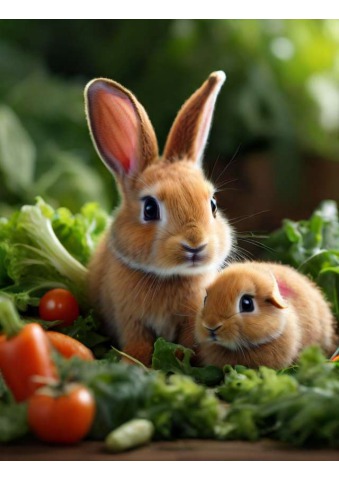
The Best Diet for Pregnant and Nursing Rabbits
As you saddle up for the journey of breeding rabbits, it's crucial to equip yourself with the knowledge of optimal nutrition for your furry companions. You're not only responsible for the well-being of the doe but also for the nourishment of the unborn or nursing kits.
It's imperative to understand that the dietary requirements for pregnant and lactating rabbits are significantly heightened, and meeting these needs is akin to preparing a banquet fit for kings—only in this case, for queens and their royal offspring.
While quality hay remains the cornerstone of their diet, the intricacies of what else to include might elude you. It's essential to strike the right balance of vitamins, minerals, and additional protein to support growth and milk production, without tipping the scales towards obesity or digestive issues.
Your doe's health and the future vitality of her kits hang in the balance, and knowing the common pitfalls to avoid could be the difference between thriving offspring and a litter fraught with complications.
As you ponder the stakes, you'll find that there's much more to learn about crafting the perfect menu for these stages of a rabbit's life.
Understanding Rabbit Nutritional Needs
To ensure the health of your pregnant or nursing rabbit, it's crucial to grasp her specific nutritional requirements. During these critical stages, her body demands more energy, protein, and vitamins to support growth and milk production.
You'll want to provide a balanced diet that's rich in fiber. This means plenty of fresh hay—timothy or other grass hays are perfect as they aid digestion and dental health. Avoid alfalfa hay though; it's too high in calcium for the everyday diet of adult rabbits.
Her pellet intake should increase slightly. Choose pellets formulated for pregnant and nursing rabbits, which contain the extra nutrients she needs. However, don't go overboard with pellets; they should complement, not replace, her hay consumption.
Fresh vegetables are also important for variety and additional nutrients. Opt for dark, leafy greens like romaine lettuce and parsley. But be careful with veggies high in calcium or oxalates, like spinach, as they can lead to urinary issues.
Lastly, always ensure she's access to clean, fresh water. Dehydration can quickly become a serious issue, especially for a nursing rabbit.
Essential Nutrients for Gestation
Understanding your rabbit's nutritional requirements leads us to the essential nutrients that are critical during gestation to support both the mother and her developing kits. A well-balanced diet is vital, and it starts with high-quality hay. Hay provides the fiber necessary to keep your rabbit's digestive system functioning properly.
Next, you'll want to ensure she's getting enough protein. This is crucial for the growth of the kits and helps the mother maintain her own health. Look for a pellet that's formulated for pregnant and nursing rabbits, as it'll have a higher protein content than regular pellets.
Don't skimp on the fresh vegetables either. They supply important vitamins and minerals. Dark, leafy greens like romaine lettuce and kale are excellent options. However, be cautious with high-calcium veggies as too much can lead to health issues.
Vitamin supplements can be helpful, especially if your rabbit's diet isn't varied enough, but consult with your vet before adding any. Water, although not a nutrient, is equally significant. Make sure she's constant access to clean water as her requirements might increase during pregnancy.
Lastly, avoid sudden diet changes which can stress your rabbit and potentially lead to digestive problems. Stick to a consistent feeding routine with these nutrient-rich foods, and you'll be setting the stage for a healthy litter.
Ideal Foods for Pregnant Rabbits
When catering to the dietary needs of pregnant rabbits, focus on incorporating a variety of ideal foods that ensure a balance of essential nutrients. You'll want to offer a constant supply of high-quality hay, such as Timothy or oat hay, which provides the fiber necessary for a healthy digestive system.
Include fresh, leafy greens like romaine lettuce, dandelion greens, and parsley, but avoid iceberg lettuce as it's low in nutrients and can cause diarrhea. Aim for a handful of greens per two pounds of your rabbit's body weight daily.
Pellets should be given in moderation; look for those with a high fiber content and make sure they're specifically formulated for pregnant or nursing rabbits. During pregnancy, you can increase the pellet portion slightly to meet the higher calorie needs.
Fresh water must be accessible at all times, and it's beneficial to rinse the greens to add an extra hydration source. Avoid sugary fruits and starchy vegetables as treats, since they can lead to obesity and other health issues. Stick to small amounts of carrot or apple as occasional treats.
Feeding Nursing Doe and Kits
Nursing does require a nutrient-rich diet to support both their recovery from childbirth and the growth of their kits. You'll need to provide an abundance of high-quality alfalfa hay, which is high in calcium—essential for milk production. Supplement this with a balanced pellet feed, rich in protein to aid in the doe's recuperation and to ensure the kits receive the necessary nutrients through the milk.
You should also make sure fresh water is always available. A nursing doe drinks more to keep up with the demands of milk production. For the greens, opt for dark leafy vegetables like romaine lettuce, dandelion greens, and carrot tops. However, introduce these slowly and in moderation to prevent gastrointestinal issues.
Once the kits begin to nibble at solid foods,https://canrabbiteatit.com/ typically around three weeks, you can start offering them the same diet as the doe. This transition is crucial for their development. Monitor their growth and health closely and adjust their diet as needed.
Common Dietary Mistakes to Avoid
While ensuring a nutrient-rich diet for nursing does and kits is crucial, it's equally important to be aware of dietary missteps that could undermine their health. Don't overlook the risk of overfeeding pellets. While they're a concentrated source of nutrients, too many can lead to obesity and digestive issues. Stick to the recommended serving sizes based on your rabbit's weight and condition.
Avoid the temptation to treat your rabbits with human foods, such as bread or sweets. These can disrupt the delicate balance of their digestive system and cause serious health problems. Remember, rabbits need a diet high in fiber and low in sugar and fat.
You might think variety is key, but introducing new foods too quickly can upset your rabbit's stomach. Gradually mix new items into their diet over several days to prevent gastrointestinal distress.
Neglecting to provide enough fresh water is another common mistake. Nursing does require ample hydration to maintain milk production for their kits. Make sure they've constant access to clean water.
Lastly, don't underestimate the importance of fresh hay. It should be the cornerstone of their diet, providing essential fiber to keep their digestive system running smoothly. Always have plenty of fresh hay available for your pregnant and nursing rabbits.
Conclusion
You've got this! Keep your pregnant and nursing rabbits healthy by focusing on high-quality hay, fresh veggies, and pellets rich in essential nutrients. Remember to provide plenty of water and avoid sugary treats.
Stay vigilant about their diet to ensure your bunnies and their babies thrive. Any concerns? Consult your vet.
By sidestepping common feeding errors, you're setting the stage for your furry family's well-being.
Now, hop to it and watch them flourish!