ENVIRONMENTAL
FUNCTIONAL PUBLIC
SCULPTURE IN SOLVING
WASTE MANAGEMENT
(FORM FOLLOW
FUNCTION, FROM WASTE
TO WEALTH)
PREPARED BY
DR RINA ABDUL SHUKOR (Project leader)
&
GROUP MEMBERS
ASSC. PROF. DR DZULKARNAIN AHMAD
PROFESSOR DR. ABDUL SHUKOR HASHIM
KHAIRUL AZUWAN ISHAK
UNIVERSITI SELANGOR
ABSTRACT
The research incites an innovative product design in art whereby,
creative minded professionals injecting new spirit dan life towards selected
waste for beautification. This waste management system has improved the
quality of artistic appearance, aesthetic ambient and a sustainable
environment in Visual Art Department building located at Universiti Selangor
(Unisel), Bestari Jaya. A conversion of waste materials into a
functioning public sculpture directly associates valuable messages in
cultivating space and community. On the other hand, it constructs a
healthy environment with visual qualities and a systematic
policy on sustainable waste management.
As resulted, a gulf of waste produces contemporary
creative space using recycle and upcycle materials. Scavenging
method undertakes collecting, restoration, cleaning and redesigning into a
follow function art product. Consecutively, waste to wealth approach had reduced
vandalism behavior in the society and beautifies aesthetically the visual qualities of
the pilot test area. In line with the Metamodernism culture which mediates
the modern and postmodern as a forward-thinking approach ideas
& technology merges positive gran of traditional narratives. Significantly
from the students’ point of view since its promoting amenities towards the
community and area by developing sense of pride and
ownership. It also contributes to the waste material solution and raising
improvement of quality and creation of vitality within the area.
Vibrant vitality of the sculpture emphasizes its role in meeting
community perception towards public art as a function. This project has
inspired creativity in the workplace at the University radius. It has also encouraged social
interaction experience in university’s community daily lives during the engagement of the
humaninstallation. The idea to accommodate the aspect of community and
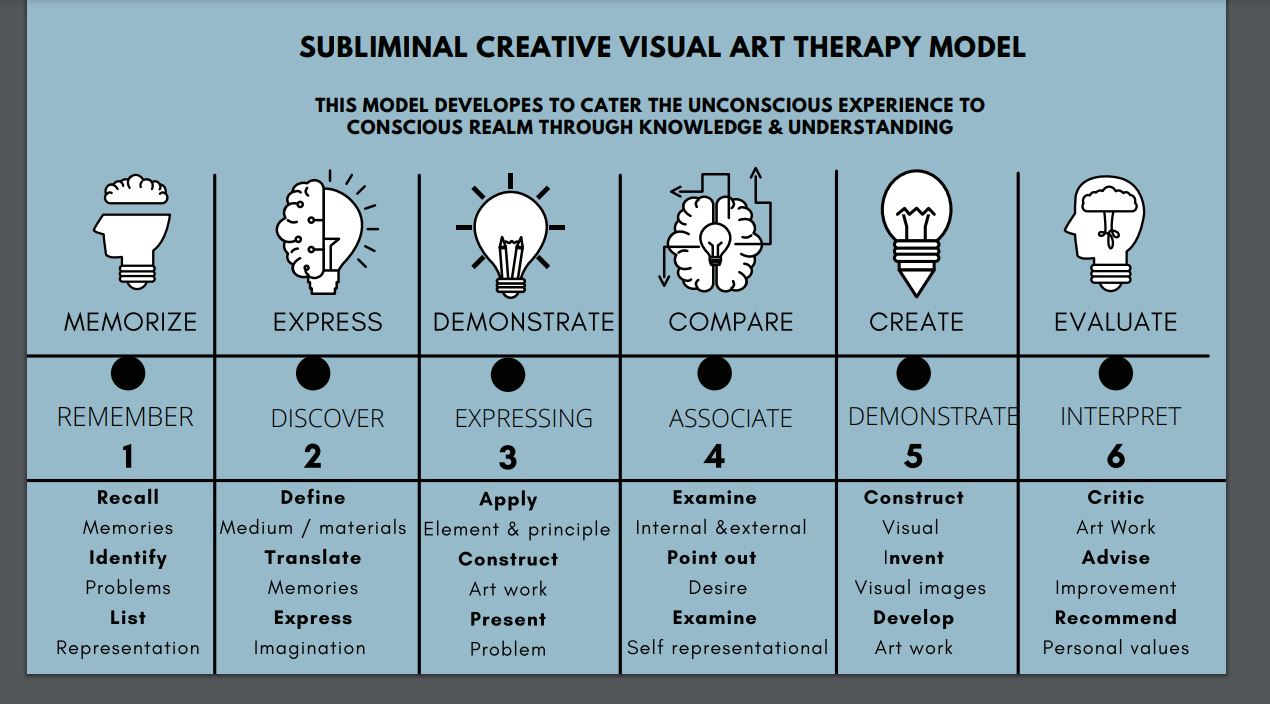
interaction with the art of subconscious mind has been
achieved. Whereby, waste management issues in the radius area will be solved by recycling
and reusing materials into an environmental public art. Hence, the theory and model
developed in this research has proved the power of public art has benefitted Designers and
Visual artist in innovating environment with a new waste to wealth (follow function) system.
INTRODUCTION
Follow function from waste to wealth is a relationship of solving material such as plastic, glass, paper,
metal, wood, chemical and other polyester medium that causes hazardous to environment into a functional
public sculpture that invites friendly environment. Thereby, this research project has formed into a new
constructive functional sculpture that will help to contribute towards the society. For example, the functional
sculpture form waste will be created into chairs, bench, tables, gazebo, wall paintings and other constructed
form will also enhance the aesthetic of art towards the landscape and environment. The purpose of this
project has established the selected waste for beautification and improving quality in the Visual Art
Department building as a pilot test area. Art of functioning public sculpture directly associates valuable
messages in cultivating space and community.
On the other hand, it is to construct a healthy environment and spaces with innovative and
aesthetic qualities. The vitality of the sculpture emphasizes its role in meeting community perception
towards public art as a function. The idea accommodates the aspect of community and human
interaction with the art of subconscious mind. Whereby, waste management issues in the radius
area will be solved by recycling and reusing materials into an environmental public art. The use of
materials is characterized by perceptual openness and receptiveness to internal and environmental
stimuli with the sense of unity between medium and message. On the other hand, media and
materials evoke a perceptual emphasis where the creative level interacts the synthesis of
kinesthetic, sensory, perceptual, affective, cognitive and symbolic components of expression and
emphasizes emergent, self – actualizing forces. This framework process application improvises new
aesthetic work with new image-based technologies is the process of imagery rather than creating
from raw (recycle & upcycle). Similarly, this practical theory heightens awareness towards our
environment whereby, artists / designers / environmentalist / educationist converting waste material
in order to satisfy their urge in sustaining our planet resources. Various poetic and evocative follow
function product contributes practical function, serving as furniture, lighting, and wall art.
Adapted by Astec Waste Management Philosophy, 2017 This is in line with the postmodern
art replaced the modern art is a
forward-thinking approach ideas &
technologically and positively and gran
narratives. At the beginning of Dadaism
and pop art the postmodern multiple
artistic forms including conceptual art
minimalism video art, public sculpture
and installation. The ironical and
playful fragmented subject are
aesthetically and original emphasis of
image. (Zebraci, 2018) According to
Leo Tolstoy (1935), art is a motion of
human behavior towards art viewing
that is consciously a symbol towards
feelings, emotion and the process of contentment (Rhuberg, 2000). It requires
diversion of sensitivity with the relationship towards audience. Audience and viewers
will be able to form the aesthetic of beauty as a depiction towards human behavior.
The environmental benefits whereby recycled materials and item solved a waste
management system into an art product, By reducing the amount of waste in the area,
creating and innovating with new design philosophy will also promote value towards
the product.
Adapted by Astec Waste Management Philosophy, 2017
The artwork of Gerhard Bar consists interventions in business industries and social context where he
connects viewer with the product. A designer and environmental activist has brought ideas to upcycle
plastics and produce them into furniture designs (Baer G., 2013) Thereby, upcycling and recycling waste
into an art product with a functioning character has solve part of waste system management. Waste system
managing has provided scientific framework and social framework. In order to test framework outcome,
some studies are pivotal in the recycle art development. To develop knowledge and education towards
public about why recycling and upcycling is important to reduce waste pollution and diverting waste into
beneficial product (Tudor H., 2016). Harriet Tudor, 2016 has created a framework of how to increase
recycling awareness through public art with artists collaboration in both lab and studios. A showcase node
was activated in what recycle materials can transform into, benefits (opportunities) and education
awareness strategies (Camic, P. M. 2010 & 2016).
Adapted from Harriett Tudor Raising recycling awareness
through Public Art , 2016
OBJECTIVE
The purpose of this project is to establish the selected waste in order to:
1.Reduce vandalism behavior in the society and area proposed
2.To produce rationale contemporary creative space / area from waste to wealth (framework)
3.Making use functional public sculpture to adequate space from form to function.
4.Beautify and improving the visual quality of the area.
SIGNIFICANCE OF THE PROJECT
The importance of the project is:
1.Solving waste material and system in the area proposed.
2.Creating and generating sustainable environment for public to use the space as a recreation
area. (framework)
3.Promoting the amenities towards the community and area to develop sense of pride and
ownership.
4.Raising improvement of quality and creation of vitality in its radius.
PROJECT SCOPE
The project will be focused to:
1. Identified area with suitable landscape, recreation and radius that is appropriate.
2.Proportional surface that is applicable with the functional sculpture in needs of the area.
3.Concentration on upcycling waste material to solve hazardous of the area
4.Scavenging method that concentrates on educational experimental projects on sustainable living.
METHODOLOGY • Educational experimental case study
• Phenomenological Practical work
Process flow of Waste to Wealth - Follow function.
(Dzulkarnain A., 2019)
5. QUALITY CHECK
Result (product) → Function →Safety→ Product testing→ Product function
6. CRITIQUE & PRODUCT DISPLAY
Aesthetic →Value →Improvement→ Evaluation→ Exhibit / Display
FORMAL ELEMENT ANALYSIS
• Formal Element Analysis framework criteria
OUTCOME/ RESULT
This has resulted that organization and arrangement of elements and principle of design in
constructing waste materials were purely aesthetic with visual aspects of function. The visual aspects of
product function have composed, combined and created overall effect of the product design. Therefore, the
product has created relationship between the elements of visual art aspect through the conversion process of
waste material. The process of converting waste material into a follow function art product yielded aesthetic
values such as giving diversity, unity and balance energy towards the concentrated space or area.
This innovative research project is part of a waste reduction and waste management strategy being applied
through education as a new teaching method in implementing recycling concept to create new artistic products.
Waste materials in the campus area includes paper, plastic, site construction scraps, mechanical parts, wood,
foam glass and abandoned were dismantled and assembled or reconstructed together into an aesthetic art
piece. The aesthetic art piece describes an intervening conversion process where, artist and designer has
contributed innovative concept in the conventional art.
The aesthetic of public art has benefited contributions of designer planner, engineers, elected officials and
community in the use of waste. The public art produced has encourage social interaction experience their daily
lives engaged with the installation. Through this social experimental research experience, a framework and
environmental model developed that could be implemented to some areas of courses in education institutions.
This model has broadened curriculum the concept of recycling and upcycling waste materials facilitates
knowledge, affective and cognitive skill applied during field work production. Thereby, this method has benefitted
appropriate process in enhancing aesthetic value, functionality and artistic contemporary concept into sustainable
development as well as improving industrial production.
APPENDIX
Product Design Outcome
Product 1: Twin chair (Furniture design)
Medium: tyres, glass & wood plank
Product 2 : Bus stop design (Public mural art)
Medium: bus stop, paint, plywood, Perspex & cement
Product 3: Wooden plank bench (furniture design)
Medium: wood palette, wood plank, plywood, bricks and pebbles
Product 4: Wooden plank bench (furniture design)
Medium: wood palette, wood plank, plywood, bricks and pebbles
Product 5: Wall Art Installation (Installation Art)
Medium: wood palette, Perspex glass, vinyl, acrylic plaque, plywood and oil paint
Product 6: Wall Art Installation (Installation Art)
Medium: wood palette, Perspex glass, vinyl, acrylic plaque, plywood and oil paint
Product 8: Post Box (Product design)
Medium: PC compartment casing, iron rod, tyres, pebbles and paint.
Product 9: Wooden Pallet sofa set (Furniture design)
Medium: wood palette, plywood, bricks and pebbl
The words you are searching are inside this book. To get more targeted content, please make full-text search by clicking here.
environmental art public sculpture (form following function)
Discover the best professional documents and content resources in AnyFlip Document Base.
Search
Environmental Art (Waste to wealth)
- 1 - 22
Pages: