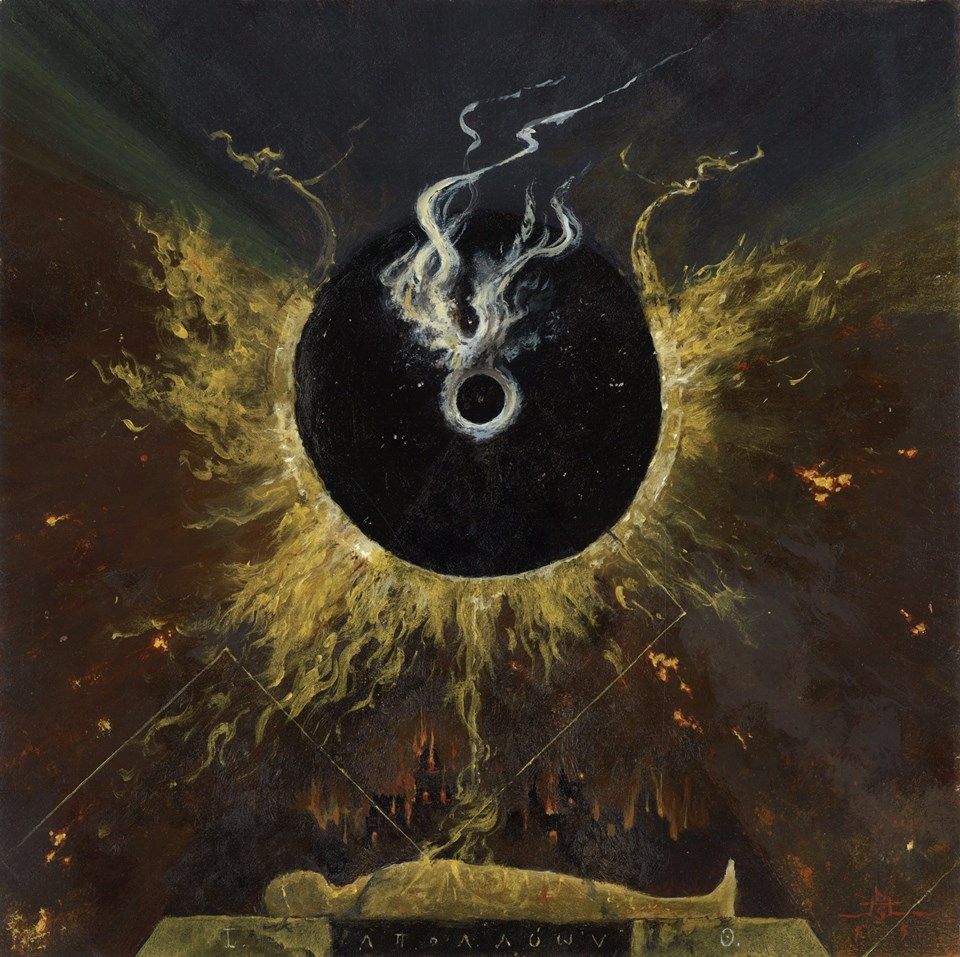
300+ Unique Roll Tables to Enhance Your Worldbuilding, Storytelling, Locations, Magic and More for 5th Edition RPG Adventures ben egloff the game master’s book of Illustrations by Jasmine Kalle, Doug Kovacs and Chris seaman contributions from Jim Davis, Marty, Matt and Nick Forbeck Plus 3 One-Shot Adventures! Foreword by Robbie Daymond ASTONISHING RANDOM TABLES
the game master’s book of 300+ Unique Roll Tables to Enhance Your Worldbuilding, Storytelling, Locations, Magic and More for 5th Edition RPG Adventures ben egloff ASTONISHING RANDOM TABLES
the game master’s book of contents 04 06 Foreword | Introduction 08 Worldbuilding Building a Pantheon pg. 10 Defining Magic pg. 12 Building a Planet pg. 14 Building a Realm pg. 20 Forms of Government pg. 22 Population Type pg. 32 Building a Population pg. 34 Creating an Economy pg. 40 Creating Customs, Laws and Their Consequences pg. 46 Establishing Beliefs pg. 48 Businesses pg. 50 Guilds and Unions pg. 62 Local Color pg. 68 80 Session Building Random Encounters pg. 81 Chase Complications pg. 106 Side Quests pg. 116 Skill Challenges pg. 120 Environmental Hazards pg. 130 Travel Complications pg. 150 152 Magic & Miscellany Spell scrolls and their functions, potions and their possibilities, magical prisoners, multiple mutations, blessings and boons, curses and charms, reincarnation results, the contents of a person’s pocket or their dreams and hundreds of other interesting ideas all contained in a somewhat organized section. Spell Scrolls Scrolls by Level pg. 153 Unexpected Spell Scroll Results pg. 156 Transmuted Damage Types pg. 157 Positive & Negative Potions Potion Type pg. 158 Beneficial Potions & Elixirs pg. 158 Detrimental Potions & Elixirs pg. 162 Mixed Potion Interactions pg. 167 Items With Personality Good Sentient Magic Item Personalities pg. 168 Evil Sentient Magic Item Personalities pg. 169 ASTONISHING RANDOM TABLES
280 Index 230 One-Shot Adventures Never Tell Me the Odds pg. 232 Animated Defense pg. 248 Things Are Not What They Seem pg. 264 Personalities in Items Object Occupants (Dead) pg. 170 Object Occupants (Living) pg. 171 Teleportation Gone Wrong pg. 172 Variant Wild Magic pg. 176 Pickpocketing pg. 180 Gifts & Curses Divine Blessings pg. 182 Boons pg. 183 Curses pg. 184 Charms pg. 186 Common Magic Items pg. 189 Dreams Nightmarish Dreams pg. 194 Pleasant Dreams pg. 194 Prophecy Constellations & Heavenly Portents pg. 196 Soothsayers and Fortune Tellers pg. 197 Reincarnation Reincarnation Results & Unexpected Side Effects pg. 198 Strange Mutations pg. 200 Tools of the Trade Spellbook Appearance pg. 202 Arcane Focus Appearance pg. 202 Druidic Focus Appearance pg. 203 Holy Symbol Appearance pg. 203 Heraldry & Crests pg. 204 Books Contents of an Ancient Grimoire pg. 206 Book Titles pg. 207 Art Objects pg. 208 Wares That May Not Strictly Be Legal pg. 210 Location Upkeep pg. 210 Drinking, Carousing and Consequences Ballads, Ditties & Songs pg. 211 Drink Name Generator pg. 213 One Good Time Too Many pg. 214 Unintended Criminal Acts pg. 215 Ships and Shipwrecks Strange Things in a Shipwreck pg. 216 Ship Name Generator pg. 216 The Weird, the Wild and the Random Weirdos, Hermits & Wanderers pg. 218 NPC Primary Motivation pg. 219 Rumors on the Street pg. 219 Hags & Their Lairs pg. 220 I Wouldn’t Touch That pg. 220 Gelatinous Cubes pg. 222 Atmosphere Enhancement pg. 222 Demonic Demands pg. 223 Giants & Their Things pg. 223 Gnomish Inventors pg. 224 Hallucinations pg. 225 Useless(?) Junk pg. 226 Portals to the Unknown pg. 226 Ghosts pg. 228 Gravestones pg. 228
“Nearly every off -the-cuff question that has ever stumped me as a GM, large or small, could’ve been resolved in a dice roll or two with this book. There are lots of random tables out there, but few as creative and comprehensive as these!” - Ginny Di youtuber, tabletop gamer, singer and cosplayer ginnydi.com
“Hmm? What’s that, again?” I say, looking up into the eyes of the hopeful young man with the Welsh accent. It’s early 2022 and I’m in the UK. As a veteran voice actor in video games, anime and animation, I’m often at comic cons like this on the weekends. These days, I’m busier than ever, because I’ve just fi nished my nearly year-long run on the hit D&D live-play shows Exandria Unlimited and Critical Role, thrusting me into the TTRPG world as well. Meeting fans from around the globe is perhaps the best part of my job. I can answer most questions about any show or game I’ve ever worked on, but this one catches me a bit off -guard. “I loved you at the table!” he exclaims. “You’re such an interesting player, I’d be excited to see what you could come up with as a Game Master!” “Oh,” I reply, a bit timid. Not wanting to disappoint him, I give a noncommittal answer. “Well, it sounds like fun, but I’ve only just learned to play. I don’t think I have the skills yet….” “Ha!” he playfully scoff s with a friendly smile, “I GMed the third game I ever played!” We laugh, have a quick d20 roll-off (he won) and off he goes, disappearing into the sea of con-goers, not knowing he had sparked an idea in my mind. Many others would come to nurture this thought with their good-natured tales of the magical experience of running a gaming session and inspire me to one day do the same. Now, let me be clear as to why I was so hesitant to answer his question and potentially GM a game of my own. As a new player (and a person who tends to overthink almost everything), I’d always been consumed by the “how” of it. Sure, I get the concept. I can imagine Foreword myself at the head of a TTRPG table, weaving tales and leading combat, but I wasn’t quite sure where to actually start. After all, my fi rst GMs were literal masters: Matt Mercer and Aabria Iyengar. To me, what they do is almost mystical; balancing plot, pace, characters and gameplay. I might be able to convince myself that someone like me, a relative newbie, could have the vision to take my friends on a fantastical adventure, but did I have the tools to execute a single session, much less a long-running campaign? Thankfully, as time passed after my initial run as a player on EXU and CR, the TTRPG community has graciously opened its arms to me and shown me a massive new world of resource books; compendiums; reference guides; and original, playable stories that span millions of words beyond the offi cial material. This book, the very same one you are about to enjoy, is one of the fi nest such guides. This vast tome contains an impossibly broad spectrum of creative ideas in an easily consumable format that even a novice like me can make sense of. The form and function of how these ideas are presented and the versatility with which they can be implemented should also keep the most experienced GMs happy for campaigns to come. I can only give my highest praise to the team that put The Game Master’s Book of Astonishing Random Tables together. Also, the one-shots by Ben, Jim and the Forbecks look so fun I hope someday to fi nd myself in one of their exploits. So, whether you’re the new kid behind the screen or the king of the quest, this book has a little something for everyone. Even me. I’m sure when I run my fi rst session, I’ll be pulling some tips and tricks from this book and many of the others in the series. Perhaps, someday, I’ll let you know how it goes…. Wishing you well, Robbie Daymond “WHEN ARE YOU GOING TO GM?!” The Game Master’s Book of Astonishing Random Tables 5
Introduction Welcome to The Game Master’s Book of Astonishing Random Tables... I t’s happened to the best of us. You’ve lured your party into an untenable situation and they’re on the run from the dual threat of notorious hag Granny Mu’Pau and the implacable mechanical army of Dr. Orryn Belanteraith (in league with the Duke, which means the law is decidedly not on their side). They’ve managed to piss off the Honorable Purveyors of Rest and Respite, so finding a place to sleep is a quest unto itself. And that’s when they have a brilliant idea. “What if we just leave this city altogether?” says the druid. “Let’s just steal a wagon and head for the next town over.” “Why stop there?” asks the bard. “Why don’t we go to another country? I could parlay with local leaders and we could build an alliance and maybe lead a rebellion.” “That’s OK,” you think as you rub your temples and consider your next move. “I’ll get them at the border.” “I can drive a boat!” shouts the fighter, who has never once used his background as a sailor. It’s fine. They’ll never be able to commandeer a ship, gather a crew and master the waves. And yet, a few Charisma checks later, the party is setting sail in a stolen vessel with a crew of 35 easily persuaded goblins, steered with all the wind they could need courtesy of the druid’s ability to spam gust all afternoon. They’re fleeing the places you spent hours preparing, en route to a continent you’ve not yet imagined, all because you told them “This is an open world, explore it as you see fit.” Why do we do this? Why not just play Monopoly?! It’s a question that’s come up for most Game Masters at some point or another, and the answer is always the same: the story. The story is what everyone—you, your players, perhaps even an audience—cares about. As the Game Master, you act as the facilitator of the story and its setting, bringing to life a world rich with opportunity, intrigue, magic, danger, dungeons and perhaps a dragon or two. You create a universe where you and your friends collaboratively conjure tales together. You must also answer questions about how that world looks, feels and influences the narrative. Every detail you provide about your world is a snare that can capture the players’ imaginations, providing set pieces for gripping combat or narrative encounters and the context that ensures those scenes have meaningful stakes, which is why you might invest hours of your time developing a place for them to explore. To which your players will inevitably respond, “Where else can we go?” It’s a lot of work. Luckily, this book is a tool and, in some ways, an automaton, created to take some of that work off your hands. Whether you’re an old hand or you’re GMing your first game, the tables presented throughout this book are designed to generate content on your behalf or spark new ideas within you. These tables were created to help you focus your attention on the things you care about so that when your players ask about things you haven't considered (“What’s in his pocket?” or “What’s the name of the trappers guild?” or “What’s on the menu?”) you not only have an answer—you have a potential hook for another chapter in your ongoing adventure. What This Book Is The Game Master’s Book of Astonishing Random Tables is many things, but first and foremost, it is a spark. It’s here to help you take the inner workings of your creative mind and put them on display for those around you. It’ll do some of the work for you so you can focus on creating epic stories with your players. It is, at its core, exactly what it’s called: a book of (astonishing) random tables. These tables add spontaneity to your sessions, a bit of tension to already tense situations and a touch of chaos—whether by your hand or the hands of your players—based on the will of the dice. If they didn’t, they’d be called predictable tables. It is also a fully functional campaign generator. It will take you through the steps of creating a setting and filling that setting with interesting places and people and the governments that rule them: the motivations behind leaders of powerful guilds, nefarious cults and secret societies—some hoping to change the world for the better, others not so much. It will help challenge your players through social interaction and fierce combat,
The Game Master’s Book of Astonishing Random Tables 7 but most importantly, it will provide hooks for further adventures that will entice your players to continue to explore the playground you’ve created. The Worldbuilding section does what it’s called, with dozens of tables designed to help you create a campaign or adventure setting from scratch. From the elder earth deities that created your realm to the name of the secret order of clerics making plans in a shadowy tavern to lock those gods away, this section will help you fill in every detail of your world, whether you’re starting with your own big bang or just answering the question “What’s over yonder hill?” The Session Building section is also well-named, featuring tools meant to aid you as you prepare for (or, as is often the case, fully improvise) a session of play. There are level-appropriate random encounter tables for nearly any environment, chase complications for those same environments, a quick side quest generator for those sessions when you aren’t sure what your players want to do and they aren’t either, travel complications to sully said side quests and environmental hazards for when the barbarian gets cocky and roars “That all you got!?” in an avalanche-prone ravine. The Magic & Miscellany section is, well, everything else. Spell scroll and potion generators, teleportation mishaps, curses, things you might find in someone’s pocket, stuff you shouldn’t touch (which could pair well with things you might find in someone’s pocket), sentient weapon likes and dislikes. Explore it with caution. This book also includes three one-shot adventures that feature some of the tables covered in the first three sections. These adventures can be run in a single session or serve as a major story arc or means of kicking off a campaign if that’s your preference. They are scaled for specific levels but can shift as needed depending on party composition and GM benevolence. What This Book Is Not The Game Master’s Book of Astonishing Random Tables is not the definitive work on how to create a world, a setting or a session. You are the final arbiter of your entire realm. You will not be arrested for fudging rolls to generate an outcome more in line with the stories you want to tell. This book is not responsible for player death. That’s you again. A 5th-level fireball dropping on the party as a result of a wild magic surge is hilarious when every player is fully rested and has 90 hit points. It’s less fun when they’re all first-level (or first-time) players and the result on a 1d100 table leaves everyone rolling up a new character the moment the sorcerer casts her first spell. Your story should come first. Enforce the outcomes as well as the rules to serve and shape your story—keep what you like, change what you don’t. This book is not a universe in a box. Despite best intentions to include everything you could possibly need to create epic settings and sessions, there are only so many tables one can fit on a single page (trust me). Do not let the expansive but still limited options contained in this tome inhibit the exponentially more important power of your own creativity. How to Use This Book Text styled like this is flavor text and should be read out loud to describe specific actions, relay important info or provide details of the characters’ surroundings. Not reading it to your party might mean they miss out on essential info, funny lines or both. GM NOTE: THIS IS A NOTE FOR YOU Text contained inside a box that looks like this is meant to draw your attention to information that is important for you to know or is imperative to a plot point in the one-shot adventures. It is also used to point out places where you can make a variety of choices for different reasons or call attention to places that might lead to important things you need to consider when using different options at your table. They are important to read, which is why most are fairly short. Tables. Each table in this book is associated with a particular die value (d4, d6, d8, d10, d20 or d100). Some tables will ask you to roll a particular type of die once, others offer a chance to generate different options on the same table using multiple rolls to combine different results. Many of the tables contain all of the information you will need to apply the result of the roll; however, in some places, the text required for explanation got a little unwieldy inside the table itself. Those options are presented as a simple list and expounded upon in the copy that follows. You got this. Maps. The maps in this book are presented on a grid, with each square representing a 5-foot-by-5-foot space unless otherwise noted. The Index. On pg. 280 is a complete index of all the tables contained inside this book. Several tables were sacrificed on the page count altar in order to accommodate the index. Please make use of it so their deaths were not in vain. Without further ado, please enjoy The Game Master’s Book of Astonishing Random Tables. Being the all-powerful deity of your universe is a ridiculously time-consuming job full of creation, destruction and sometimes constant worry. But with this book at your side, your players will think twice before building a boat to explore another realm. And if they do, you can always roll on the Level 17-20 Coastal Environmental Hazards table and send them immediately back to shore.
S tories are about people. People are shaped by worlds. Overall cultures, great societies and individual persons are all products of the environments in which they struggle to survive, thrive or prevent others from doing the same. Sometimes they shape the environments in kind. The arcs of a major campaign or minor one-shot are nearly always focused on the characters, and we watch the story unfold through their perspective because, as GMs or players, we’re the ones bringing each character to life. We see them deal with challenges, overcome adversity and find joy and contentment (or at least a place to bed down for the night). We watch them take on horrid villains in numerous forms, be they sneak thieves, shape-shifters or otherworldly cultists hell-bent on raising their devilish queen from the underworld to devour the sun (all in a day’s work, really). We cheer them on as they struggle to overcome seemingly insurmountable problems placed in their path. Your players endeavor to do their best to navigate the narratives you create together by bringing their characters to life. As GM, the “character” you give life to each week is the world your players inhabit. It is an NPC unto itself. Sometimes, like when you describe the sound a stone makes as it plunks into a bog, or the lingering whisper of a foul breeze, it even has a funny accent. Worldbuilding So you want to build a campaign setting from scratch but have no idea where to begin? Relax. Let the gods of chaos (or, you know, a few dice rolls) do the work for you.
The Game Master’s Book of Astonishing Random Tables 9 The environment of a campaign—the world and setting where it takes place—informs and influences so much of the story. The locale, whether that be tropical forests where strange beasts dwell, arid deserts where lack of water and violent sandstorms thrash the landscape and challenge its inhabitants or vibrant cities full of explosions of cultures, sights and sounds, is just as important as the characters. In the real world, we often tie our memories to certain places. The same is true for players exploring your fantasy realm. Think of the first time you set foot in a large city, the hustle and bustle and press of the crowds almost overwhelming you as the sights, smells and raucous noise of thousands of people pressed down upon you. Consider the first time you saw the ocean, vast stretches of water spreading out before you as the horizon became the limit of your view. Everyone has a similar story save for those who’ve never left their small town, and that experience has a way of binding people together. As people, we can imagine the awe of viewing a natural wonder like the Grand Canyon, the stretching Serengeti or the clouded heights of Mount Fuji or Mount Everest. We all understand the power an engaging setting can have over the stories we tell, yet in many cases GMs using pregenerated modules are left with very little to work with when it comes to worldbuilding. It can be daunting to create entire realms from scratch. So why not let the dice do the work for you? The tables that follow in this section are designed to help you create a massive world for your players to inhabit. You may not need all of them (You may not even need any, in which case, sorry for wasting your time…enjoy the other sections?). But what you will need as you engage with the material in this section is an unbridled ego. You are, for all intents and purposes, a god. You have the power to shape the abyssal void into any number of planets or earthburgs, and within those swirling masses of land and sea, a collection of continents. On those continents, you can place various environments with access to the oceans or streams flowing down from the mountains. Whether those streams are made of molten rock or flesh-searing acid is also your call. Embrace your inner deity. Just remember that because your story is likely to include humanoid races, you’ll need to consider aspects of each of their cultures. Where did they settle down? Why there? Once settled, what did they start to do with their time? It would be easy to fall down the rabbit hole and get lost in the myriad possibilities that exist. I suggest a technique that has served me well through many years of gaming (and creating custom minis): Start by painting broad strokes before you deal with specifics. Decide on some general features of your setting. Work from big picture to small specific locations as you zero in on where your story is going to take place, determining which aspects of the environment you wish to play a major role in the narrative. Detail the general feel of the planet or place that will contain your story. Block out, in rough terms, the overall world (desert planet, water planet, cotton candy planet) and how it fits together before focusing on adding detail to the areas where your campaign is going to play out. Be a selfish deity and determine what’s important to you. What aspects of the environment affect your plot? What aspects of the setting will influence and challenge your players as they progress through the story you want to tell, as well as the one you’re trying to tell together? I will confess I have, on numerous occasions, spent copious amounts of time creating places, people and encounters my players will never see (or even ask about). I have spent hours detailing the rising peaks of ice and snow-covered mountains, or the twisting warren of tunnels that runs underneath, knowing full well the party will never go there—despite my repeatedly mentioning them through covert (and overt) means. I’m not bitter! These creations aren’t a waste. In fact, the detail work you do when worldbuilding isn’t even really for the players: It’s for you. These moments of creation do wonders for your own understanding of the world over which you have complete dominion, making the story richer and the game more immersive. And in the event your sunny beach-based adventure needs a change of pace, well—there’s always the mountains. The tables in this section go from the macro (How many gods are there in your pantheon? And why are they so pissed off?) to the microcosmic (What would happen to the economy if one of those gods visited a little boy in a small town and told him to scare off all the sheep?). You can use them all in conjunction with one another to create an entire universe or just cherry-pick the elements you need in order to augment aspects of the world you’ve been tinkering with for ages. You’re a god. Wield these extensions of your power however you like.
Worldbuilding Building a Pantheon Within the realms of fantasy tabletop role-playing games, a deity (or a pantheon of deities) can influence the shape of a story or a campaign nearly as much as the setting over which they preside. From benevolent gods of life and healing to warmongers that seek to enslave or destroy, the relationship between the gods and the people that serve them is absolutely something that will affect how your players navigate through and interact with your world. Sometimes gods are physical manifestations of large, overarching ideas (love, the harvest, bad luck), and in other worlds they are merely humanoids who reached the apex of their potential and found immortality. Whether the party is in service to these gods as clerics or shamans or in opposition to those who seek to forever change the landscape, divine influence can be an easy-touse storytelling tool that can add depth and meaning to your setting. It can also get real hairy real fast. When looking to create a pantheon of gods, it’s easy to get overwhelmed with the wealth of possibilities available. Instead of trying to build an entire group of gods to cover every aspect of your world, focus instead on the predominant gods ruling over your corner of the multiverse and the ways in which they interact. To determine how many predominant gods exist in your world, roll a d10. The number rolled is the number of gods who are currently mixing it up in your realm. For each of these gods, roll on the tables that follow to learn a little more about who they are and what they want. Deity Alignment This table will determine where each of your primary gods sit on the 5e alignment chart. To account for the fact that some gods are simply beyond our understanding of right or wrong, or order and chaos, there is the option for a deity to be unaligned. If you think this complicates things too much, or that the world you want to create isn’t just a series of gray areas merging into one another, feel free to disregard any roll (or this table altogether) at your discretion. Alignment 1d10 This god is... 1 ...Lawful Good 2 ...Neutral Good 3 ...Chaotic Good 4 ...Lawful Neutral 5 ...True Neutral 6 ...Chaotic Neutral 7 ...Lawful Evil 8 ...Neutral Evil 9 ...Chaotic Evil 10 ...Unaligned Divine Domains The domain a deity presides over is just as important as their alignment. Alignment and domain are key drivers for a deity and their followers and have a dramatic impact on story. Subtle shifts in those two aspects of a divine entity can change their approach to the world and can help you determine whether they are one of the party’s allies or one of their potential antagonists. It’s the difference between a deity of the Death domain who abhors the undead and wishes to see the natural cycle of life wax and wane and a deity of the same domain who embodies pain, murder and negative energy. For each of your deities, roll 1d4 to determine the number of domains the god or goddess presides over. Regardless of the rolls, no matter how strange the combination, determine how it might make sense. For example, a god or goddess who presides over the domains of Nature, Life and Death could be responsible for the natural cycles of the seasons and of mortal aging—both a nurturer and a destroyer. Once you have determined the number of domains, roll that many times on the Determined Domain(s) table. Determined Domain(s) 1d8 This god presides over... 1 ...Knowledge 2 ...Life 3 ...Light 4 ...Nature 5 ...Tempest 6 ...Trickery 7 ...War 8 ...Death Divine Status Now that you have the spirit and feel of these deities you need to determine how they interact with one another. Is there one entity who stands out as the king or queen of your pantheon? Has a god been exiled or banished from the celestial realm? Is a goddess being forgotten, her followers extinct, her power waning? All of these things can create interesting storylines and provide you with possible directions for a campaign. Is the party solicited by or working unknowingly for a banished deity who is trying to move pieces on a cosmic chessboard to end its punishment and take power? Does the god, who is losing power, on the verge of death, know a secret that can save life in the known universe? Find out each deity’s status by rolling once per entity on the Divine Status table to determine each god’s status in your realm, rerolling or embracing any repeats (e.g., if you have two “rulers of the gods” they could share duties as co-leaders; more than one god can be considered “dying”).
Divine Status 1d20 This god is/has... 1-8 ...a stable power base with many followers. 9 ...exiled from the realm of the gods and stripped of most of their power. 10 ...banished to the material plane. 11 ...dying. 12 ...losing followers and being forgotten. 13 ...growing in power. 14 ...imprisoned and forced into eternal slumber. Their dreams touch and influence the world. 15 ...missing. Their power ebbs and flows. 16 ...secretly trying to seize power. 17 ...losing power. 18 ...going mad. 19 ...detached from the material plane and interested only in their personal pursuits. 20 ...the ruler of the gods. The deities you create using this method need not be the be-all and end-all of your pantheon. Continue to create and add members to the ranks of your gods as your story evolves. Remember that the goal is not to define every aspect of your setting down to the smallest detail but instead to build a framework that will support the rich environment and epic tales you and your players will create together. Some of the most amazing story points and moments can arise, giving your players agency as they role-play. Those moments are what will fill your world with depth and substance. But it’ll be easier for them to play their role when they understand more about the world their characters inhabit. The Game Master’s Book of Astonishing Random Tables 11
Defining Magic Magic is the backbone of most fantasy tabletop role-playing games. It is the primordial glue that holds the universe together and drives the course of development for the people who live in realms where the vast powers of creation and destruction can be wielded and shaped by individuals. One question you can (and probably should) consider as you’re laying down the foundational aspects of your world is fairly straightforward, but can lead you into complicated territory depending on how you choose to answer it: Where does the magic come from? The answer to this question will affect the way your stories play out within your setting and can have a profound effect on your players and how they navigate your world. Or, you know, it won’t. But it should! There are numerous possibilities for the source of arcane power in a universe: maybe an astronomical catastrophe unlocked an ancient magical power; maybe it has always been accepted as residing in an individual’s spirit. Thinking about this complex topic in broad categories will allow you to pinpoint the specific source as you outline the emergence of magic in your realm. Roll 1d4 and consult the table below to begin. Source of Arcane Power 1d4 Magic is derived from... 1 ...a massive calamity 2 ...divine influence 3 ...mortal invention/scientific study 4 ...a naturally occurring element After determining the form of the arcane power’s genesis, consider specifics of the events that birthed magic into being. Each entry has a corresponding table for your convenience, but you can also use these to inspire your own source of magical power. Massive Calamity Throughout fantasy literature we see the inexorable forces of the universe bring waves of change to the settings of those stories. In many cases, these events are pointed to as the reason magic exists. Was magic released or created by some universe-shaping event like the explosion of two suns at the exact moment life evolved on your planet? Did some earth-shattering natural disaster release an ancient power into the world? Roll on the following table. Massive Calamity Details 1d6 1 Two planes of existence collided. The ensuing explosion created an eternal source of magic. 2 A black hole at the center of the galaxy consumed a supernova, creating a source of arcane power that permeates the universe. 3 At the dawn of creation, a celestial conjunction created a weave of magic around the planets of the solar system. 4 A trio of comets crashed into one another as they entered the atmosphere, releasing a surge of power that rained magic upon the realm. 5 A devastating earthquake fractured the planet’s core, releasing an ancient power. 6 A powerful solar flare bathed the planet in roaring fire, resulting in the essence of magic settling onto the world. Divine Influence The gods in so many stories send the breath of life into the world and with it magic is infused into the very core of existence. How have the actions of the gods influenced the source of magic in your universe? Was magic born out of self-sacrifice on the part of a divine entity? Did the birth of the gods themselves create the well of arcane power drawn on by those who wield magic? Use the following table to find out. Divine Influence Details 1d6 1 Two gods merged to create a source of overwhelming power others can tap. 2 One god, seeing sentient life needed a powerful tool to survive, sent part of its essence out into the world. 3 A divine civil war resulted in the deaths of numerous powerful beings. Their departing life force spread to the world in the form of magic. 4 At the beginning of time, the sheer force of the gods being born into existence created a well of power that can be wielded as magic. 5 An impossibly old, snake-like dragon orbits the universe, its breath and its movement sending magic into the world. 6 Magic seeps from the flowing blood of an ancient demon imprisoned by the gods. Worldbuilding
The Game Master’s Book of Astonishing Random Tables 13 Mortal Invention or Scientific Study Mortalkind is ingenious. Humanoids of all sizes, shapes and flavors (just ask a purple worm) have a penchant for twisting the world and everything in it to their own designs. Was your magic born from experimentation and unbridled research? Did learned scholars develop complex mathematics and a formulary that defined and harnessed the underlying pillars of reality? Or is magic simply born of the deeply ingrained belief that spells exist and magic will work? Regardless of the reason, mortals who use and shape magic have an effect on its source and operation. Roll on the following table to determine how mortalkind discovered or created your source of magic. M o rta l I n v e n t i o n / S c i e n t i f i c Study Details 1d6 1 Magic is the product of communal belief that spells will just work if you get the hand movements right. 2 An errant alchemical experiment created a rift between worlds from which all magic flows. 3 Through thousands of years of study, mortals learned to define reality through mathematical expression, accessing the forces of creation. 4 Wielding magic is a product of individual will as they control the force of magic residing within themselves. 5 Over millennia, mortalkind has developed words of power that harness and disrupt the fabric of reality and has passed them on memetically. 6 In the early days of mortalkind, learned scholars created an artifact that taps into the power of the astral bodies. It funnels magical energies into the world. Natural Source Under this type of source, magic just is. It is a force that exists in the world and its power is generated by the energy of the planet itself. Whether it’s the primal forces of the elements that burn and thrive or the life force of every living breathing thing that walks the planet’s surface, magic is as magic does. Roll on the following table to define how magic is generated from a natural source in your world or in your universe. Natural Source Details 1d6 1 Magic resides in all living things and creates a tangible force that can be tapped and wielded. 2 Magic flows from the primordial energies of the elements. 3 Residing in the core of the planet is a cauldron of creation and destruction that feeds and renews the forces of magic. 4 Magic is drawn from the collection of all the souls that have passed from mortal life and from those that have yet to be born. 5 The power of magic resides in the land itself, the soul of the planet, which is a living, utterly sentient thing. 6 Magic is created by the movement of the sun, moon and stars as they traverse the heavens. Status of Magic (Optional) To keep things simple, you could just say magic is commonplace in your world (it’ll certainly help explain why everyone has a bag of holding and your adventurers keep running into people who can cast counterspell). However, if you want to add another layer to your presentation of arcane power, the table below contains a few different ways that you can affect the status of magic in your setting. The Status of Magic 1d8 1 The power of magic is waning and casters are rare. 2 Magic is outlawed and casters are hunted. 3 The power of magic is strong, but wielded only by a select few. 4 Magic is neither exceedingly rare nor commonplace. Magic is viewed with skepticism and fear. 5 Use of the arcane arts is uncommon, and casters are sought out for their skills. 6 Divine casters are commonplace and accepted in society but other arcanists are carefully watched. 7 Being blessed with divine magic is uncommon; divine casters are revered for their uniqueness. 8 Magic is commonplace and casters are part of normal society. Every kid has a spellbook. GM NOTE: LAWFUL GOOD VS. LAWFUL NOT-SO-GOOD Some of the options on the Status of Magic table can affect the way a spellcaster is played in your campaign. Magic being outlawed on a grand scale will definitely provide you and your players the opportunity to explore memorable story moments; however, it does make playing a casting class more complicated for your players. Make sure you have a conversation with your players about any of the options you select for your setting that might influence their ability to play a casting class without pissing off the guards every time they cast sending or mending or prestidigitation.
Building a Planet Now that you’ve established the metaphysical and divine aspects of your world, you have a foundation upon which to create your setting. And that means establishing some kind of planet (or, you know, an ancient tortoise balanced on another tortoise, perched precariously upon yet another tortoise, etc. ad infinitum). Building a world from nothing is a daunting task. What does your world look like? How many continents are there and what ecosystems dominate those continents? Where do its people reside? How’s the weather? It’s a lot to consider, but again, it helps to focus in on the things that will actually impact your story. As tempting as it can be to spend hours of your day detailing the type of timber one might be able to harvest in the Halcyon Wood, there’s a reason people say you can lose the forest for the trees. Put another way, if you’ve spent your time imagining a roaring waterfall called the Banshee’s Breath, but your party never visits, does it make a sound? It helps to spend most of your time developing the areas where your party will be spending most of theirs. But because there’s always that one player who asks something like “What are the phases of the moon on this world?” it helps to also have a basic understanding of the cosmos connected to your creation, if only so you can casually answer “Actually, it’s moons.” To that end, start by determining the number of continents on your planet. Roll on the Continental Configurations table to determine the makeup of the landmasses you’ll have to play with. Continental Configurations 1d8 This planet features... 1 ...1 continent or Pangea 2 ...2 continents 3 ...3 continents 4 ...4 continents 5 ...5 continents 6 ...6 continents 7 ...7 continents 8 ...Small island nations/aquatic world Environments Now that you’ve determined the (literal) bedrock, you can fill each continent with environments chock full of arcane attractions, terrifying creatures and other points of interest your party will find impossible to ignore (or avoid). Choose one of the landmasses to be the central focus of your efforts and roll 1d8 to determine how many different environments exist on that continent. Roll on the Environments table for each distinct environment. GM NOTE: SEEING DUPLICATES? Relying on dice to determine aspects of your world means that inevitably those dice will roll the same number. Keep them. It could mean there is a massive forest that dominates the landscape, or there are numerous misty forests dotting the countryside begging to be explored. If those options bore you ignore the dupe and roll again. Environments 1d8 This continent features... 1 ...temperate forests 2 ...jungles 3 ...mountainous regions 4 ...sweltering deserts 5 ...swamps/marshland 6 ...arctic tundra 7 ...grassland 8 ...hills Remember, strange combinations can be a lot of fun and can add interesting story elements and hooks. Why is there a tropical rainforest next to an arctic tundra? Discovering why could be the impetus for a major adventure arc in your campaign. GM NOTE: PANGEA PANACEA If your Continental Configurations roll resulted in a 1, consider rolling 2d8 to determine how many times you roll on the environments table. This will provide some additional variety to your huge chunk of land. The environments you select will have far-reaching effects as you continue to build your setting. When you place your environments, think about how they will affect your story as a whole. A desert environment might introduce survival elements (such as lack of water and extreme heat) for your party to deal with. Conversely, temperate forests might make for more plentiful foraging and hunting, but could also mean more potential to run into predatory creatures who are also looking for a Worldbuilding
The Game Master’s Book of Astonishing Random Tables 15 bite to eat. No environment exists in a vacuum, so take a moment to consider what each of these areas might contribute to your story as well as the possible gameplay options that could be available for you and your party. Environments impact everything, including imports and exports, architecture, cuisine and recreation. Considering what the environments are and how they inform the civilization you’re creating will help you create a rich framework for the adventures to come. Wonders of the World/Points of Interest (Optional): Cities and towns are not the only areas of intrigue that could exist in your world. The wilds and uninhabited places can sometimes hold secrets and wonders that are just begging for groups of brave (or perhaps idiotic) adventurers to explore them. The following tables provide some marvelous places that could be added to your continent before you begin to build your civilization. They could be landmarks near which cities would grow or awe-inspiring places that give birth to legends and folktales. They are organized by environment, but don’t let that stop you from adding any of them wherever you please. After all, you’re a god. To add some, roll 1d6 times on the d20 tables associated with each environment on your continent. Temperate Forest 1d20 1 A pine grove made up of multiple concentric circles of trees, at the center of which is a faerie ring that serves as a portal to the feyrealms. 2 A house built into a massive tree populated by a colony of talking squirrels. 3 A tree-filled grotto that surrounds a pool where the essence of a god is said to dwell. 4 A rock formation that looks like a hag. It spawns at a different spot in the forest each dawn. 5 A long-abandoned cemetery rumored to be haunted. Ghastly wails echo through the trees and rumors of ghosts are common. 6 A doorway made of twisted vines that hums with latent magic. 7 A large, ring-shaped tower with no windows or doors. In the center of the ring grows a pure white elm tree. 8 In a remote part of the forest, a deep gloom envelops an area several miles in diameter. At the center, beasts of shadow guard a gate. 9 Centered in a clearing dominated by giant glowing purple stalks of vines stands a jet black obelisk inscribed with jagged markings. 10 On the edges of a great forest is a large stand of trees that grows to towering heights overnight, providing an almost endless supply of lumber. 11 At the bottom of a twisting gorge is a massive yawning cavern. It is rumored that a great wolf god slumbers in its depths. 12 In a hidden glade, sentient trees with glowing flowers produce fruit that can cure any disease when distilled into a tonic. 13 A seemingly abandoned city of strange spherical buildings built on the vast caps of colossal vibrant blue mushrooms. 14 Overlooking a dense cluster of petrified trees is an imposing oak made of pure iron that never seems to rust. 15 A strange city made of buildings carved from giant pumpkins, populated by intelligent mice. 16 An antlered skull the size of a large building. 17 A stretch of territory said to be home to an immortal silver stag that will make real one’s greatest desires if caught. 18 A spring of lilac-scented fluorescent purple water that bubbles out of the massive stump of an ancient tree. 19 A section of forest that is always on fire but never burns to the ground. 20 A mine, deep in the forest, worked by diminutive fey creatures that will trade diamonds for foodstuff.
Worldbuilding Jungle 1d20 1 A massive waterfall in a hidden valley. The churning waters at the bottom of the falls are said to hold the secret to eternal life. 2 A series of earthmotes that float high over the landscape are connected by the roots of the great trees that grow upon them. 3 A crater of unknown origin from which a strange blue-green gas wafts upward. 4 An overgrown temple ruin rumored to have a degree of sentience. 5 A river of molten rock that runs down into a deep cave at the bottom of which is a portal to the plane of flame. 6 An invisible city of the fey high in the canopy. 7 Deep in the jungle is a fantastic garden dominated by a series of terraced pools of pristine water attended by treants and dryads. 8 Along a winding path through the foliage stand wooden totems of fantastic beasts. From time to time faces appear in the carvings to offer advice. 9 Hidden deep in the jungle is a city constructed of pure gold, haunted by the souls of the dead. 10 Nestled around a great lake is a peaceful village, where the residents never age. 11 Across the landscape on hills that poke out from the canopy is a series of titanic archways. 12 Miles upon miles of towering, narrow columns of rock covered with vines and moss. The air above is full of floating chunks of rock. 13 Choked by the undergrowth and hidden from view by the canopy is a massive, eight-armed, mandibled monstrosity encased in rich amber. 14 A rushing river runs in a spiral from and around the peak of a vegetation-covered mountain 15 A cluster of trees that creates a ladder up the face of a cliff into a shrouding mist. 16 Several square miles of territory completely covered in dense spiderwebs. 17 A squat, vine-covered, ruined temple that is actually a colossal mimic. 18 A path that stretches for miles, lined in faerie lights, that leads to a glade tended by an awakened tree. 19 An ancient coliseum rises out of the jungle. Entering explorers are treated to hallucinatory visions of contests from ages past. 20 A grove of carnivorous, house-sized plants. Mountain 1d20 1 Large rock formation in the shape of a bear. A great waterfall spills from its mouth. 2 A deep canyon that contains a portal to the elemental plane of earth. 3 A large cliff wall carved and painted in strange arcane shapes that predate known civilization. 4 A series of caverns that features a continuously forming glowing blue crystal. 5 High on a windswept overlook, a teleportation circle has been carved into the rock. 6 A giant anvil set into the side of a snowcapped mountain. 7 An altar of jet black stone concealed in a hidden valley, used to make sacrifices to dark gods. 8 A river of lavender water spirals down the side of a towering mountain peak. 9 A colossal statue of an elven woman holding a cracked crystal torch. 10 Spanning between two great peaks is a bridge that leads to a door sealed with dwarven runes. 11 An everlasting tornado of ash and flame that belches forth from a bottomless pit. 12 Carved deep into a sheer cliff wall is the door to a cathedral dedicated to a long-dead god. 13 Spanning the width of a desolate mountain pass is the rib cage and weathered spine of an immense beast. 14 Five narrow mountain peaks that look like the grasping hand of a titanic earth elemental. 15 A mountain peak of pure red stone riddled with caverns rich with veins of mithral ore. 16 Visible from a high overlook is a sprawling valley covered in perpetual mist. 17 Dominating what was once a high mountain peak is a giant stone mechanism of rotating concentric circles. 18 A mountain range that looks like the slumbering form of a giant woman. 19 A pair of mountain peaks that look like they grew around each other like a helix. 20 Around the peak of a tall mountain is a ring of orbiting spheres of molten rock.
The Game Master’s Book of Astonishing Random Tables 17 Desert 1d20 1 A great oasis that serves as a grand bazaar, attracting merchants of all kinds. 2 A series of ruins, half buried in the sand, from which enticing voices call to passing travelers. 3 A large flat plane of sand where sentient whirlwinds roam the landscape. 4 The petrified corpse of a colossal worm. 5 A secluded oasis resort staffed by goblins. 6 A really cool rock. That’s definitely haunted. 7 A cliff featuring the carving of a demon’s face. It speaks prophetic words every century. 8 A huge whirlpool of sand called “The Tug.” 9 An extensive network of caves leading to a lake. The walls are covered with an edible moss. 10 A buried building housing an endless arcane library hidden below the sand. 11 Standing alone in a swath of featureless sand is a gilded mirror, the size of a man, etched with runes in an unknown language. 12 A perfectly measured circle made up of immense discarded snail shells. 13 The destroyed pieces of a megalithic tower. A demon made of wind and sand stalks the ruins. 14 A square mile devoid of gravity. 15 A rocky butte surrounded by black clouds that spit orange lightning. 16 A region dominated by massive stone arches streaked through with azure gemstones. 17 A jet black pyramid, with no entrance, ringed by a circular wall of stone. 18 Standing sentinel over a canyon entrance are two giant, lifelike dragon statues. 19 A large area strewn with rocks that are actually the eggs of a long-dormant species. 20 A humanoid skull the size of a palace. Swamp and Marshlands 1d20 1 A decrepit floating cottage housing an old crone who is rumored to have great power. 2 A great colony of lizardfolk who reside in a series of grand caverns beneath the swampgrass. 3 A murky bog full of darting wispy lights where it is rumored wishes spoken will be granted. 4 A large whirlpool that spins counterclockwise 5 An abandoned bridge over a rushing river, the end of which is shrouded in mist. 6 Inside a sunken ruin is a round door made of pure adamantine that has been sealed for centuries. 7 A quarry where gold-veined black marble is abundant but hard to mine due to all the tentacled creatures laired nearby. 8 In the midst of moss- and vine-covered dark black trees is a vast field of giant lily pads with vibrant yellow flowers. 9 A sunken forest where purple crystals grow from the muddy skeletons of a dozen dragons. 10 Under the arching roots of ancient trees is a menhir featuring a snake eating its own tail. 11 A dank cavern that descends into the swamp that has walls made of crystalline mirrors. 12 A flooded marsh with gnarled trees. The water runs red and wailing faces appear in its surface. 13 An eerie column of green light shines up from a tower covered in thorny vines. 14 Ancient trees, their branches forming intricate cages, house pulsing lightning bugs. 15 Flocks of flightless pink river birds with magical feathers roam an area dominated by large trees with massive, visible roots. 16 Black mushrooms the size of trees, with gills that create a vibrant yellow light. 17 A grove of trees with honeycombed seed pods. Their nectar (a favorite of area insects) is said to have healing properties. 18 Levitating over a dais of pure marble is an orb inscribed with celestial symbols. 19 A cemetery where bodies are interred in clear crystal coffins that float on the surface of a bog. 20 Powerful gouts of water shoot from the surface of part of a swamp. The sprays pull precious metals and jewels to the surface with each blast.
Worldbuilding Arctic 1d20 1 A large, abandoned palace of ice in the middle of an open tundra. 2 The icy corpse of a troll species thought extinct. 3 A large chasm that spews frigid air and icy water in a plume 100 feet high. 4 Hot spring in the middle of a snowy plain where strange fey creatures have been seen. 5 A forest made purely of ice and snow where a rare flower grows in abundance. 6 Inside a ring of standing stones, on a frozen plateau, it is always spring. 7 Just visible below the translucent ice of a vast frozen lake is a building made of ancient coral. 8 A windswept rocky plateau with a massive sundial carved into it. 9 A glacial wall that has the wreck of an immense ship sticking out of it. 10 A broken archway sparking with eldritch power on the surface of a perpetually frozen pond. 11 A ski lodge run by garrulous gnomes. 12 Inside of a cavern made of ice is an alien structure built out of glowing stone cubes. 13 Beautiful lights streak across the sky in a variety of colors, heralding the arrival of valuable forms of starmetal. 14 Massive pale yellow crystals stick out of a frozen mountain. Inside the crystals are giant shadowy shapes that sometimes move. 15 An area of the rocky tundra covered with bright pink permafrost. Creating potions using this substance increases their yield by 1d4. 16 Giant glowing columns of ice stretch high above the landscape. Roaring blue flames burn at the top of each column. 17 Perched regally on a high plateau is the form of a gargantuan petrified dragon that has steam constantly running from its nostrils. 18 On a vast frigid sea, massive icebergs move unpredictably. Many of these icebergs are rumored to hold ancient treasures. 19 A network of wide, labyrinthine tunnels that lead to a small yeti colony. 20 Frozen into the side of a mountain is a sphere that appears to contain a living aurora borealis. Grasslands 1d20 1 On a large verdant plain, the windswept grasses create a maze that confounds careless travelers. 2 A pool of crystalline blue water that has healing properties is guarded by wild buffalo. 3 A gargantuan effigy of a primitive man made from ever-growing grass. 4 A solitary tree in the middle of the plain has a door carved into its base. 5 A field of razor-sharp grass that can be deadly to the unwary adventurer. 6 A field of yellow roses that put people into an enchanted sleep where they dream of pleasant things until they cease to breathe. 7 Haunting music being carried on the wind from an abandoned tower. 8 In the middle of the plains, there is a massive clawed footprint captured in stone. 9 The hilt and part of the blade of a titanic sword sticks out of a barren plain. 10 A solitary rough-cut crystal statue that animates in the light of the setting sun. 11 An ornate walled garden full of petrified creatures. 12 High above the grasslands floats an ornate castle of pure white stone that is protected by a magical wall of force. 13 Spaced out around a vast plain are huge trees with very narrow trunks and overwhelming canopies of red branches with magenta leaves. 14 On a gully-strewn plain, large oblong rocks move to and fro of their own volition. 15 From a rocky outcropping, a stairway of pure light rises from the ground into the sky, disappearing as it climbs. 16 Stretching across the rolling plains is an ancient battlefield, still wet with blood and strewn with skeletons. It is watched over by a towering colossus. 17 Buried in the ground, near the surface, are glowing blue orbs of precious stone. Mining them is difficult as they seem to resist being removed. 18 An area where a symphony of natural music rises as the wind rubs the blades of grass together and crickets and cicadas harmonize. 19 An immense stone human head with an ancient crumbling city built atop it rises from the ground in the middle of a barren plain. 20 An ant colony the size of a small city.
The Game Master’s Book of Astonishing Random Tables 19 Hills 1d20 1 A community of giant halflings, outcasts from their respective communities. 2 The skeleton of an ancient titan half-buried under the rolling landscape. 3 A series of long-abandoned signal beacons that sometimes blaze to life. 4 A wrecked vessel of unknown origin that sits inexplicably atop a large hill. 5 A chessboard carved into the rolling hills with pieces the size of large creatures. 6 The largest giant bee colony in the world. The scent of honey can be smelled for miles. 7 A collection of rocky crags filled with a pink gas that causes a form of spiritual euphoria. 8 A series of ever-shifting hills and valleys that are said to be formed by the god of snakes. 9 A barren moor where large canine footprints are burned into the landscape and the air around smells of sulfur. 10 Hovering 1,000 feet above the ground is a disc of sandstone engraved with stellar patterns. 11 An island that looks like a crashing wave sits in the middle of a deep lake. The sounds of surf echo off the lake’s placid surface. 12 Built into the side of a hill is a miniature replica of the closest city. It magically changes, grows or shrinks to match its double. 13 Starburst-shaped shards of valuable crystal tower above the landscape near a group of hills. 14 A blinding dust cloud hovers, unmoving, masking an ancient elven civilization in the clouds. 15 Isolated earthquakes shake the landscape in a 5-mile radius, often revealing rich veins of valuable metal and gems. 16 A gaping tunnel mouth under a large overhang of rock that leads down into a massive cavern full of ancient bones made of clouded glass. 17 Gold constantly washes up on the shores of an ancient lake, though the source of the precious metal has never been found. 18 Set in the rocky ground are numerous totem poles, carved to look like various animals. Touching the totems allows you to see through the eyes of a nearby creature matching the statue’s appearance. 19 An expansive magical network of tunnels. As soon as a creature enters one, they are teleported to the exit of another. 20 Standing atop a hill is a lonely well. The bottom is not visible, but the scent of roses wafts from the dark depths.
Worldbuilding Building a Realm There are numerous ways you can divide a continent into countries, territories, fiefdoms, duchies or “the stuff that’s ours.” Some lines are drawn by peace treaty, then redrawn following a violent expansion. Others are created by natural barriers such as mountain ranges or wide waterways or exist as nebulous “we don’t go into their wood, and they stay out of our city” cultural norms. Some kingdoms consist of “everything the light touches.” Others are precisely measured down to the last micron. You could spend hours developing the ranging, bloodsoaked history of the borders within each continent, or (if you’re feeling less ambitious) you could roll a few dice. Assuming you choose the latter, the tables that follow will help you determine where territorial lines ought to be drawn, creating the potential for intrigue and conflict between the peoples of those places. Start by rolling on the Country Configuration table for the continent upon which you’re starting your adventure to determine the number of countries that exist therein. As you continue to develop your world, you can come back to this table for each of the continents you’ve created in order to map out the political reality of each. Country Configuration 1d10 This continent features... 1 ...two large countries, one medium country, three smaller countries 2 ...four large countries, two medium countries 3 ...one large country, four medium countries, five small countries 4 ...three large countries, one tiny country with all the goodies 5 ...six medium countries 6 ...two large countries, three smaller countries 7 ...three large countries, three medium countries, two small countries 8 ...one large country that spans the entire continent 9 ...anarchists or separatists who oppose any form of government and have carved out a territory they control. Roll again on this table to determine country make up. Ignore this result on a duplicate roll. 10 ...a nomadic tribe wandering the continent, beholden to its own form of government. Roll again on this table to determine the country make up. If you roll another 10, add another tribe before rolling once more. GM NOTE: OUTLIERS, NOMADS AND MALCONTENTS Huge swaths of open land are not always completely overtaken by cities and towns. In these spaces, humanoids still gather and exist, sometimes on the outskirts of civilization. There are always those that eschew the rigid nature of populated cities and controlling governments. The Country Configuration table contains two options for groups such as this. Are there anarchists or separatists who are disenchanted with the governing bodies and are gathering in secluded places in the wilds? Or perhaps instead, they have taken territory claimed by one of those governments they so despise and “liberated it,” carving the territory out for themselves because they believe it to be their right. Are nomadic tribes of peoples who follow game migration and the seasons accepted by society or viewed with distrust and derision? Regardless of how you decide these peoples fit into your world, these types of groups might provide interesting story hooks or possible conflicts for your players. Every realm that contains intelligent humanoids is going to be a hotbed for activity, both good and bad. Each one of the countries you are creating will have times of prosperity and recession. There will be wars, encroachments, subterfuge and other challenges resulting from creatures with a tribal or nationalistic streak living in close proximity to one another. Using the Country Status table, you can gain a general sense of the main source of conflict within its borders. Is it an era of good feeling or a time of tension? Is there an arms race underway due to limited resources or are neighboring kingdoms working together to overcome an existential threat? Are the peoples of this land suffering from disease or famine? Roll to find out. Country Status 1d6 This country is... 1 ...at war 2 ...suffering from famine 3 ...afflicted by disease 4 ...at peace 5 ...in a time of plenty and prosperity 6 ...balanced, neither suffering nor too prosperous
The Game Master’s Book of Astonishing Random Tables 21 GM NOTE: WAR! A CAMPAIGN UNTO ITSELF A country experiencing a time of war is a unique status due to its overarching effects on a region’s population. War can bring famine and disease. It can also spur development and bring an economic boom to a struggling population. Where the war is taking place is the most important thing for you to determine, because the proximity of the fighting is going to determine the magnitude of its effect on your players and the context of many of your encounters. Roll on the War table to determine the nature of the conflict. That’s what it’s good for. War 1d4 The country is in a... 1 ...civil war 2 ...war with an immediate neighbor 3 ...war with a country on the same continent 4 ...war with a distant foe The next table, Countries and Conflicts, provides an additional way to break down your continent and includes some ideas for how the nations within that continent interact with one another (but can be used to add context to the result of the Country Configuration table). It also provides some general ideas as to potential conflicts and story hooks that may exist in those regions. Countries and Conflicts 1d6 The continent features... 1 ...one medium country sandwiched between larger warring countries. 2 ...one large and two medium countries participating in a mutually beneficial alliance and one small country that is isolationist, xenophobic and teeming with wild magic. 3 ...one large country that is trying to take over the smaller countries, which have formed a mutually beneficial (if tenuous) alliance. 4 ...one large country led by religious zealots bordered by medium countries that act as a bulwark against expansion, providing protection to other smaller countries. 5 ...countries of relatively equal size linked together by an extensive trade network. One of the countries harbors a dark secret. 6 ...three of the included countries all angling through political intrigue to gain control over a large resource-rich (and neutral) territory.
Worldbuilding Forms of Government Pick one of the countries you have created as your “country of origin.” This will be the place where your adventures begin (at least as far as your party is concerned). The question “Who’s in charge around here?” is liable to come up when there’s a murder to investigate or a monster bounty that needs to be paid or a fiendish plot to replace the monarch with a mummified cat underway, so you need to start thinking about who it is that leads this country and how they exercise their rule. The form of government in your country (and city, and township) will inevitably set the tone for its citizens, which in turn will establish the social environment in which your players are mucking about. Those in power run the spectrum when it comes to how they view and interact with their subjects/citizens. The form of government itself can start to lend flavor and feel to your story before the leadership of that government is ever established. Consider how a society functions under a democratically elected government that (presumably) answers to and works for the people contrasted with a government run by the wealthy whose goals are to increase and hold their wealth (Spoiler alert: These could describe the same country). In terms of the ideal forms of rule, those who can choose their rulers have more leeway to chase their own wants and desires than those who don’t; those who may be forced to adhere to the whims of a ruthless oligarchy that barely allows its subjects to achieve anything beyond subsistence may be less thrilled to be serving their leaders than those who live in, like, a utopia. Taking things a step further, the person (or persons) in power are going to affect the way the government is run, perhaps even more than the form of government itself. A shadowy council that wants to maintain an iron grip on trade and wealth to enrich themselves is going to create a vastly different country than a collective interested in controlling an area’s economy to ensure there is fair competition, a lack of monopolies and enough opportunity to go around. Thinking about how each of those different scenarios is going to affect the tone and color of the world you are building provides different overtones to your setting, as well as opportunities to organically seed plot hooks with which to bait your party. As you go about determining the overall government in the country you are creating, also start thinking about how that form of government will affect the cities, towns and villages inside the country’s borders. Large capital cities are likely to have functionaries installed by the ruling government, where border towns or backwater villages may not have seen a member of the government in decades, if ever. To determine the form of government currently ruling the country you are fleshing out, roll 1d10 on the Type of Government table. Once determined, refer to each government’s writeup in the pages that follow. Type of Government 1d10 1 Authoritarian 2 Democracy 3 Monarchy 4 Oligarchy 5 Aristocracy 6 Theocracy 7 Tribalism 8 Communalism 9 Dictatorship 10 Utopian Authoritarian In an authoritarian state, the government has total control over the citizens, who abide by a principle of unthinking submission to the power of the state and its leader. It’s a system in which individual thought and action are secondary to the needs of the governing body. To the outside eye, a governmental system such as this one could be mistaken for a free state, but this is merely non-arcane casting of major image on a grand scale. Many of the actions taken by a government under authoritarian rule are taken to dupe the people (and, to an extent, neighboring states) into thinking their leaders are benevolent and the people are free; however, those actions vary in degrees of success. In many cases, despite their best efforts, there are cracks in the facade and the true nature of the government’s rule becomes apparent. Most authoritarian governments do not have a highly developed guiding ideology and will often tolerate social organization of their peoples as they do not in reality have the absolute power to effectively control every aspect of their citizens’ lives. In many cases, the leader of a government of this kind truly believes they are acting in the people’s best interest. These beliefs are, as often, self-serving. Leaders in this type of government are typically capricious and wield their power without any regard for written laws. There are no elections (at least not in the fair and free sense) so there is very little hope for change without violent upheaval. Authoritarians act arbitrarily according to their own whims, and the driving force behind what they do is maintaining the status quo. In most circumstances, an authoritarian government is thought of as a highly concentrated, strongly centralized form of government upheld through the dual arms of repression and the exclusion of political challengers. In sum: a perfect system if you’re building a campaign built around a possible revolution.
The Game Master’s Book of Astonishing Random Tables 23 Questions to Consider • What would this type of government do to the morale of its people? • With a wide range of social controls designed to stifle free thought and discourage opposition to the establishment, what would the atmosphere of this country be like? • How does this government keep its people in line? Is it through control of the military or does it maintain its grip on the population by creating a bureaucracy most citizens could never hope to navigate? • Consider alignment: How does lawful good authoritarianism differ from neutral evil? When thinking about who leads a regime like this, remember it is not always readily apparent from the outside looking in that the people living under this rule are oppressed or mistreated. Authoritarian leadership could consist of a charismatic person who puts on a very good act or a clandestine group that runs things behind the scenes. To determine the leader of this type of government, refer to the Authoritarian Leaders table and roll 3d4 to randomly select the leader(s), their goals and their methods. Authoritarian Leaders 1d4 Who Goals Methods A(n)... who seek(s) to... by... 1 shadow council of masked lords control all trade and wealth installing a powerless figurehead leader 2 triumvirate of judges aggressively expand their borders utilizing a secret police force 3 female half-elf mage rule from the shadows with an iron fist using mind control 4 human artificer ban all religion in the city overreliance on science and invention Democracy Democracy is a system of government by which the common people are supposed to be the driving factor in decision-making. Individuals are given the ability to vote in elections for their leaders as well as potential laws and policy changes. In a direct democracy, the majority rule of every individual in the nation is what decides legislation. In a representative democracy, the people use their vote to elect people to do the voting for them, trusting (or at least hoping) these elected individuals have their best interests at heart. In this form of government, the people are granted rights and privileges that are not supposed to be infringed upon by those in power. People in a nation ruled in this way are allowed to say what they want, practice the religion they want and are free to meet with people of like mind. Laws are mutually agreed upon for the benefit of everyone. What’s important is that in this form of government, unlike so many others, power is not held solely by a single individual or by a small elite group of individuals. Power is wielded by the people. Their voices are paramount when decisions are made. These protections for the people are usually codified in official documents like constitutions or charters that outline everything the government can and cannot do. That’s not to say a document like this does not change and evolve with the people it applies to, but it acts as a guide for what is supposed to happen and how. Within this system, people vote on issues great and small, from who will represent them on the international stage, who will command their armies, who will execute laws and what the punishments for breaking them should be. Everything from these lofty issues to something as simple as whether or not someone can open a new tavern on a particular corner (Thanks for voting “no” on this one Gary! Unbelievable!) can be influenced by the average citizen. Assuming they vote. Many don’t. Some can’t. And therein lies the rub as far as democracies go: If the people who have the power are unable to wield it, it creates a power vacuum into which any number of megalomaniacs can creep. Questions to Consider • How would this type of system affect the atmosphere of your country? • What types of social and political intrigue story hooks for your players could arise out of a system like this? • Is there anyone trying to subvert, undermine or overthrow the people’s primacy? How would they go about it? And to what end? • Will one of your party run for office? What happens if they win?
Worldbuilding To determine the leader of this type of government, refer to the Democracy Leaders table and roll 3d4 to randomly select a leader, their goals and their methods. Democracy Leaders 1d4 Who Goals Methods A(n)... who seek(s) to... by... 1 dragonborn mayor improve conditions for all people turning to science and invention 2 group of elected senators amass wealth for themselves supporting and financing local business and trade 3 city council peacefully absorb neighboring territories to increase their own influence forming an alliance with a powerful mage college 4 chief minister bolster their reelection righting a recent wrong (in the wrong way) Monarchy The old fantasy role-playing staple. Innumerable adventures have been started at the behest of a makebelieve king or queen (and, it should be said, real ones). Inevitably heroes of the scale your players will become over the course of your story will garner the attention of a monarch or two. So often when we journey through the stories placed in a sword and sorcery setting we think of governments like this being the prevailing system. The presentation of a great quest from a regal, benevolent ruler is a provocative image. Many of the most wellknown fantasy stories begin this way and as a result, though we’ve never been in that scenario, it’s easy to imagine and therefore easier to roleplay than some of these other governmental systems. It’s also simpler to run. At its core, monarchy is a form of government in which a single person is the head of the state until they abdicate the throne or they shuffle off this mortal coil (from natural causes or something more sinister). Usually, the monarch has complete authority that covers everything in their domain. They make the laws, which they judge in accordance to their whims and enforce as they, and they alone, see fit. Sort of like a GM. Monarchs are typically chosen by heredity and birthright. The title or the crown or the vibrant pink bunny tiara (It’s your kingdom!) is passed from parent to child for generations. As they say, “The King is dead. Long live the King!” This does, however, put significant pressure on a ruler to set a good match and create strong progeny so the line of rule is not broken. Wars, assassinations and political infighting often result after the death of a monarch who has no children as the nobility and aristocrats squabble and fight to rise to the throne, which they will then cede to their own heir and so on and so on until the monarchy comes to an end. In short, there’s stability in progeneration. Because of the way a monarchy works and how it changes hands, its effect on the people can vary. The common folk could live for decades under the benevolent rule of a wise queen only to find themselves instantly suffering under the rule of her tyrannical offspring. Questions to Consider • Because the king or queen has absolute authority over everything and everyone within their domain, for good or for ill, what sort of ruler are they? How does the personality of a monarch affect the citizens of this nation? • Are the people pleased with the rule of their monarch or is there displeasure with the government, bordering on sedition? • How do the other nobility, including the monarch’s relatives, view the king or queen? Are there secret plots to remove them from rule? What about openly stated plots? How are these plots addressed? • What was the approach of the previous generation’s ruler and how does that influence the way the current monarch approaches their rule? • How did your ruler gain the throne? Put another way, how did the previous ruler die? What about the ruler before them? If you are struggling to determine a leader for your newly minted monarchy, refer to the Monarchy Leaders table and roll 3d4 to randomly select a leader, their goals and their methods. Monarchy Leaders 1d4 Who Goals Methods A(n)... who seek(s) to... by... 1 genteel queen elevate the position of the people on the international stage expertly negotiating trade deals 2 child king guide every aspect of the everyday lives of their citizens engaging in tactical but brutal military campaigns 3 charismatic prince (whose father is missing) gain control of neighboring territory subterfuge and espionage 4 stoic emperor ensure their name and reign echoes throughout history acting with benevolence and empathy
The Game Master’s Book of Astonishing Random Tables 25 Oligarchy In an oligarchy, literally “rule of the few,” the members of the ruling elite are the wealthiest or otherwise most powerful people in the country. They use their money and influence to set the stage for them to get richer, be more powerful and leech more from the common man, who they see as an inferior creature. These super-rich cabals are in many cases inherently corrupt, seeing the act of governance as nothing more than another opportunity to line their pockets. Aristotle postulated an oligarchy contrasted to other forms of government by a select elite, characterizing it as a rule of the few for corrupt and unjust purposes. An oligarchy might also be operating behind the scenes of a realm ostensibly ruled by another form of government. An elite caste can wield its power to unfairly influence the official government and bend it to their desires. As a general rule, these leaders work solely to make things better for themselves and could really give two shakes of a dead goblin about anyone else. The drawback (for the leaders) is that these societies rarely last. That isn’t to say they won’t persist for an extended period of time, but the good times can only roll for so long. Inevitably the poor become poorer, the desperate become more desperate and before you know it they are chopping off heads in city squares while slicing some delicious cake. It is possible that those living in the shadow of great riches may not feel the pinch of poverty. People’s lives do continue under this system of government and it is totally possible to survive and thrive. It is also possible that the people living in this nation do not know the rich rule everything. Just because the super-rich rise to the top and work to keep themselves there, does not mean everyone else lives in utter destitution. However, oligarchies inherently create inequality. It isn’t an overnight process—it could take generations—but in the end, the wealth all ends up in one place (the top) while everyone else has to fight to survive at their feet. Questions to Consider • How will a ruling class of incredibly wealthy individuals impact the tone of your setting? • How long has this group been in power? An oligarchy in its infancy might not look or feel too awful for those who live in it. But, if you choose this form of government and decide it has been the form of rule for generations, what would that look like for the citizenry? • How will this system affect your players, their options and their ability to act? • If a group of de facto rulers has a seemingly endless source of wealth, how would they wield it to remain in power? If necessary, how would they wield it against the party? To determine the leader of this type of government, refer to the Oligarchy Leaders table and roll 3d4 to randomly select a leader, their goals and their methods. Oligarchy Leaders 1d4 Who Goals Methods A(n)... who seek(s) to... by... 1 group of dwarven gem magnates obtain a monopoly to consolidate power sabotaging their rivals 2 council of guild leaders expand into new territories controlling all the trade routes 3 collection of five noble families control the economy with an iron fist bribing anyone who stands in their way 4 gnomish alchemist and a few close friends purchase and own all major businesses turning lead into gold Aristocracy Oligarchy’s even more self-righteous cousin, aristocracy might be described as “Rule by a few of the best.” The idea is that the morally and intellectually superior govern in the interest of all, a definition surely created by aristocrats. These fine folk, who decide on behalf of all people that they are better than everyone else, rule because they are presumed to be the most qualified. There are aristocratic classes inherent in many forms of government. In a monarchy, for example, the nobility form the aristocracy. They claim to be better because they are “born better.” The mere circumstance of their birth is all they need to be counted among the powerful. In a democracy, the “best” are put forward by the common man and elected to a position of power; they create a de facto aristocracy regardless of their beginnings or their intentions. This term “best” is so subjective that the ruling caste can grow out of a variety of sources. In the simplest terms, the aristocracy is the upper crust of society, the elite. This part of society can be found everywhere from the top ranks of government to the hierarchy of a religious organization. Simply, this system categorizes people into very defined parameters. Their opportunities, connections and contacts are all going to be determined by where they fall in the social ladder and how hard they work to climb it. Their worth will be defined by who their parents are and what characteristics set them above the rest of the rabble in the eyes of their peers.
Worldbuilding Questions to Consider • How does this very defined divide between sections of society affect your story and setting? • What sort of social intrigue and political machinations could your party be ensnared by when engaging with this system? • How does the separation of the social strata in your nation affect the people that your party will interact with? How does it affect the party? • Where did your player characters come from? Are they all working folk or were they born into the ruling caste? How does this affect how they interact with one another and the social structures around them? When considering who would lead a country in this fashion, you could select a group of individuals who pull the strings of government and really define what that group means to your overall story. Or, you could look at it from the perspective of following a single person within this social structure, who is working, either benevolently or nefariously, to better their own position. Go with whatever helps you to tell the story you are crafting. To determine the leader of this type of government, refer to the Aristocracy Leaders table and roll 3d4 to randomly select a leader, their goals and their methods. Aristocracy Leaders 1d4 Who Goals Methods A(n)... who seek(s) to... by... 1 elven duke believed to be the most intelligent creature alive increase the wealth and influence of their territory falsifying an attack from another realm 2 congress of self-appointed overlords dictate policy that will maintain the division of wealth creating propaganda that influences the people to be compliant 3 circle of learned mages amass the greatest collection of knowledge in the realm any means necessary (and also magic) 4 baroness with a dark secret bring about the night that lasts forever elevating the best people with the brightest ideas Theocracy Those who rule in a theocracy do so because they believe they are guided by the divine. In a system such as this, clergy or priests hold the highest places of government, and prevailing law and policy are all generated through the study of religious texts. It is hard for the common person to argue with the statement “because the gods said so.” After all, their immortal souls are on the line. In a government system such as this, it is believed and commonly recognized that the leadership has a direct connection with the gods or whatever divine being the religion of the land recognizes as their sovereign. It is a system in which the average everyday citizen can do little more than follow the laws and traditions as set down in their religious practice. When looking at how this type of government is going to affect your setting there are several important things to consider. The nature and domain of this deity will dictate a lot about the nation that follows them. A nation dedicated to a deity of trade or knowledge may forge its people into masters of negotiation or expert treaty mediators. A nation dedicated to a god of war may not be the most pleasant neighbor if their deity of choice tends to the evil side of the alignment axis or demands its worshipers show their commitment by waging a forever war. Secondly, it’s a good idea to determine how the leadership of the government interprets and follows the doctrines of their gods. We must remember that the people who are putting these divinely-inspired methods into practice are still just people (unless, you know, they’ve been transformed or something). Questions to Consider • Which deity does the country or nation follow? Assuming they exist, how does the deity feel about this? What would it mean if they weren’t real? • Do the country’s religious leaders practice their religious beliefs as they were originally intended or as the deity laid them down? Or do they corrupt those practices, twisting them to their own ends for their own benefit? • What obstacles arise for your players out of a skewing of religious ideology? What dangers lie ahead of them when the desires of men warp something born of divine will? • How do the religious practices of the nation influence their people and their approach to life? The atmosphere of a region governed by a theocracy is going to be heavily dependent on the nature of the religion they follow and the people who are putting the principles of that religion into practice. Make sure to take this into account when adding details to your setting. To determine the leader of this type of government, refer to the Theocracy Leaders table and roll 3d4 to randomly select a leader, their goals and their methods.
The Game Master’s Book of Astonishing Random Tables 27 Theocracy Leaders 1d4 Who Goals Methods A(n)... who seek(s) to... by... 1 high priest(ess) convert all citizens to their religious beliefs being overly charitable and mission oriented 2 child of prophecy spread their god’s doctrine to other lands bankrolling crusades to conquer unbelievers 3 council of nine bring an avatar of their god to the material plane unleashing the power of the moon key 4 mute confessor root out heresy and those who question divine word paying excessive bounties to those who help the cause Tribalism Typically, a government of this type is a loosely based affair that focuses on a group of people who share the same mythology, traditional practices and likely a lot of common genealogy. It immediately drives home the strong implication that there is a shared cultural or ethnic identity separating them from members of other organized groups. Groups like these traditionally form for mutual survival, but evolve lasting cultural, linguistic and social ties by living in close, quasi-familial proximity. Most humanoid groups are social creatures and as a whole do not live their best lives on their own. Social structures inside a tribal society help keep the group together and strong despite, or perhaps in the face of, difficult personal relationships. The focus of this form of government is to maintain the traditions, culture and safety of the members of the tribe at any cost. The focus of the group, their surroundings and location are going to determine a lot about how a nation governed in this way interacts with the world at large. If their position is secure and their people content and well-cared for, it is highly possible a group like this would have much to offer members or even outsiders. If life as part of the tribe is still a constant fight for survival, as a people, they could become more violent, pursuing survival at any cost. Questions to Consider • Is the nation composed entirely of migratory peoples? If so, how does this affect the physical structure of the country? Are there settlements or just simple trading posts and supply depots? • Have traditionally migratory people recently settled and put down roots? How does this manifest? Do they build great cities? • How does this nation navigate participation on the international stage while still maintaining their traditions and identity? • What obstacles could the party come up against in the face of such traditions? What story hooks might interactions with a government like this provide? To determine the leader of this type of government, refer to the Tribalism Leaders table and roll 3d4 to randomly select a leader, their goals and their methods. Tribalism Leaders 1d4 Who Goals Methods A(n)... who seek(s) to... by... 1 council of elders keep the tribe’s existence hidden practicing isolationism and xenophobia 2 shaman maintain their people’s traditions and way of life holding close to their convictions and promoting their ideology 3 trio of fierce warriors retain access to a special resource discouraging encroachment by means of magical suggestion and brute force 4 chieftain ensure the tribe’s defense through aggressive offense retaliating for any slight, real or perceived Communalism Communalism is a style of government where the people form cooperatives based on commonalities. These could be formed on the basis of religion, race, socioeconomic status, profession or any of a thousand different identifiers that might tie people together. These groups begin to govern themselves as well as interact with other groups founded in the same way for similar reasons. Inside a system such as this, people create and maintain strong attachments to the community to which they belong, be it one based on a profession or solely on geographic location. It is a fractious society where each of these autonomous groups tries to interact, live and survive. This is not to imply there is no central leadership. There are instances where councils formed of representatives from each of these communities come together and try to work toward the common good. Perhaps this community has elected a strong central leader who is adept at managing the different factions and is moving the whole society toward better circumstances. Even with a strong leader, this is a society with so many working pieces that there’s ample opportunity to place your party in a position to make friends and enemies that will further drive your story. Questions to Consider • How does a government run in this way change the atmosphere of your setting? • Would it feel akin to anarchy where all of these different factions and communities are fighting with
Worldbuilding one another for superiority? Or is it organized? • Are each of these communities in conflict for mere survival, or have they learned how to sustain their communal ideals? Think about the political machinations that would exist inside a tumultuous congress formed from representatives from these different factions and how each might affect your players. • Are any of your players from this place and do they now have their loyalties torn between their community and their party (whose goals might not align)? • How does the leadership of this nation and their methods influence the way the party interacts with the government if your story dictates they should? To determine the leader of this type of government, refer to the Communalism Leaders table and roll 3d4 to randomly select a leader, their goals and their methods. Communalism Leaders 1d4 Who Goals Methods who seek(s) to... by... 1 A merit-based conclave of seven faction representatives maintain a balance for all the different groups among the citizenry encouraging extensive discourse and argument 2 The First Minister keep the peace between the factions and groups utilizing espionage and blackmail 3 The Faces of the Many, elected representatives of all the factions find a common enemy hiring assassins and faking incursions 4 No central leadership (each faction operates on their own goals) ensure the survival of the larger collective violent, antagonistic conflict Dictatorship A dictatorship is a form of government in which one person possesses absolute power with no limitations. This differs substantially from a monarchy because in a monarchy there are laws, traditions and policies that can limit the power of a monarch. In a dictatorship, the person holding the position of authority has done away with all of that. There are no limitations. This person can act however they see fit with no repercussions. They are the law and the law is whatever they feel like it should be on any given day. Living under a dictatorship may feel very similar to living under an authoritarian ruler, however, unlike the latter a dictator rarely tries to hide their actions or present themselves as anything other than what they are. In an authoritarian state, a single individual does not need to hold all the power; a large scale bureaucracy (or a specific group) can hold power just as easily as a single person. Under a dictatorship, a lone individual acts as the god of their domain and does so unapologetically. Dictators tend to be tyrannical, turning to intimidation, terror and outright violence to control the populace. They generally lead the military and any other institutions of power, and they wield those institutions like weapons against anyone else who would stand against them. They maintain power through force. All the while, they are feeding their people a neverending stream of propaganda that presents what they are doing as the only right thing to do, sometimes going as far as to say the oppression the people live under is for their own good and protection. A dictator is typically a morally bereft individual who is addicted to power and will do anything they can to get it and keep it. While this form of government is traditionally viewed on the evil end of the alignment table, that is not necessarily always the case. Think about how a society led by a lawful good paladin might look. This may be a society where any crime—even something as benign as public intoxication—might carry an extreme form of punishment. This leader may believe they are acting with the people’s best interest in mind and working on behalf of the greater good. Their actions and absolute authority are still despotic. The people are no more free in this circumstance than they would be under an evil warlord dedicated to a dark god. In short, the only good dictatorship is one you can use as a narrative device. This type of government will, from the jump, provide an antagonist for your party. This may not be the BBEG of your campaign, but navigating a society held in the clenched fist of a dictator will provide many challenges for your party from the very beginning of your story. It is an environment ripe with opportunities for your player characters to be heroes (or, if they get caught, martyrs). Questions to Consider • How do the dictator’s goals affect the atmosphere in the nation? What happens if they align with the goals of the party? • How is the party viewed by the government and what obstacles would present themselves if the party were considered enemies of the state? • Would the way the party is viewed by the general population change if they were believed to be allies of the government? • Does the dictator have a specific (and/or expressed) ideology or do they operate chaotically in the absence of any guiding principles? • How are the lives of the people in the nation affected on a day-to-day, moment-to-moment basis?
The Game Master’s Book of Astonishing Random Tables 29 Getting dictatorship as a result on your roll for Type of Government may instantly bring to mind a horrible warlord or conniving princess who will lead the government. However, if you are struggling to come up with something, refer to the Dictatorship Leaders table and roll 3d4 to randomly select a leader, their goals and their methods. Dictatorship Leaders 1d4 Who Goals Methods A(n)... who seek(s) to... by... 1 hobgoblin general amass power and wield it carefully imprisoning malcontents in labor camps 2 elven empress rule this realm and every other forcing conscription in the military 3 merfolk warlock conquer in the name of their patron or higher power employing dark magic and demonic alliances 4 giantkin warlord enslave all those of smaller stature allying with an ancient dragon Utopian In a utopian society, everyone is equal and has a fair share. Every citizen has an equal voice when it comes to policy, procedure and law. Everyone has an equal share of the wealth and of necessary resources. In a society such as this, every religion is valued, every opinion is considered, and discourse about differences is constructive and cordial. In other words—a total fantasy. But you’re creating a fantasy realm, so why not indulge? The biggest question to answer when applying this type of society or government style to your setting is “How’d they do it?” What series of events occurred that allowed this society to grow into one of utter bliss? Was there an invention or magical item constructed that provided for the needs of all of the people? Was there some form of divine intervention that led to everyone’s basic needs being met, allowing them the time to pursue their own interests, or is the entire system a facade, with a single illusionist pulling all the strings? The second aspect of this type of society to keep in mind is how your players are going to react to it. Some may find it too good to be true. Are they right? Questions to Consider • How will the people of a place like this react to the party? What things might be asked of the characters that might be outside of their normal methods of operation? • How will the party react to their initial exposure to this setting? • Will they find it is actually a utopian society or is there more to it? • How will the party react if they find they truly are living in a utopia, but it’s being threatened by an outside force? • Does gold have any value here? If not, how will the party acquire new items? • What sort of fallout would there be if the cost of maintaining this utopia were significantly high for only one or two party members? To determine the leader of this type of society, refer to the Utopian Leaders table and roll 3d4 to randomly select a leader, their goals and their methods. Utopian Leaders 1d4 Who Goals Methods A(n)... who seek(s) to... by... 1 elephantkind guru spread societal enlightenment providing for everyone and sharing resources equally 2 human mage expand their approach to a non-sentient workforce leaning on magic and alchemy 3 set of halfling triplets treat everyone like it’s their birthday allying with creatures of the fey wild 4 aberrant hivemind meet all the needs of their citizens, both physical and economic creating a large-scale illusion GM NOTE: CITY GOVERNMENTS The tables associated with a form of government are designed to be applied to a country as a whole. The likelihood is that all the cities and towns you are building will follow the government style of the nation to which they belong. However, there are always outliers. If you want, you can repeat the process using the Type of Government table and the appropriate Leader table applying those rolls to individual cities and towns as it fits your storytelling purposes.
Worldbuilding Puppet Government We all know things are not always as they seem on the surface when it comes to the leadership of a country or a city. Sometimes there are nefarious things going on behind the scenes and the person (or persons) pulling the strings is operating from the shadows. The front-facing government is just a puppet or a shill for those truly in power. After establishing your type of government, you could roll a d8 on the Puppet Government table if you want to add another layer of secrets and intrigue to your political setting. Puppet Government 1d8 This region’s true rulers are... 1 ...the result of a roll on the Influential Guilds table (pg. 63) 2 ...the result of a roll on the Criminal Organizations table (pg. 72) 3 ...the result of a roll on the Religious Cults table (pg. 72) 4 ...the result of a roll on the Secret Societies table (pg. 72) 5 ...the result of another roll on the Type of Government table (pg. 22) 6 ...the avatars of a benevolent deity 7 ...the avatars of a malevolent deity 8 ...the government(s) of another country When choosing to incorporate a puppet government into your setting, it’s a good idea to think through when (if ever) and how you plan to reveal the truth. Is there a large scale plot the party can uncover, or is the fact that there’s someone whispering in the king’s ear telling him precisely what to do common knowledge among the populace? Once you’ve established the nature of the puppet government, spend a little time determining their aims and factor in where they diverge from the party’s. It’s also interesting to consider where the desires of this secretive group might align with those of the party. Just because they’re working in secret does not mean they’re malevolent (although...). Unique Government Agencies Most governments have a few unique agencies or groups that operate on the official payroll, from crime fighters and investigators to healers and wellness professionals to the folks who audit you every year out of spite (the FBI, the CIA, the IRS). These agencies are well known to the public and interface with society as a whole on a daily basis. Some governments also have a few groups that operate in the shadows in order to ensure the aims of the leader(s) come to pass. Government agencies are a wonderful tool for you to use as your players navigate your story and can be powerful and useful allies or meaningful foils who act in opposition to the party at every turn. After all, the alabaster sultan hasn’t been ruling for centuries by doing all his own dirty work. He outsources. If you want to add a unique agency to your country’s government hierarchy, roll 1d12 on the Unique Government Agencies table. Unique Government Agencies 1d12 1 A group of sorcerers and wizards who investigate crime using divination magic. 2 A cloister of clerics who run a governmentsponsored hospital for the injured and ill. 3 A cadre of knights who ride young metallic dragons in battle to defend the nation. 4 A small collective of urban druids tasked with maintaining and acquiring water sources. 5 A crew of highly specialized gnomish accountants who ensure every copper of the treasury is where it belongs. 6 An engineering corp of inventors and machinists responsible for construction and civic improvements. 7 A collaboration between governmentsponsored scribes and performers who spread news and important notices. 8 An order of paladins responsible for the regulation and sale of magical items. 9 An elite group of warriors who are responsible for transporting important dignitaries and valuables around the nation. 10 A group of government-sponsored rangers who specialize in hunting bounties and recovering stolen goods. 11 The Intracity Teleportation Authority, a government-sponsored guild of sorcerers and wizards who conduct government trade by way of teleportation magic. 12 W.A.M.S. (Wellness and Mental Support), a group of bards and clerics tasked with monitoring and bolstering city morale. 30 The Game Master’s Book of Astonishing Random Tables
The Game Master’s Book of Astonishing Random Tables 9
Worldbuilding Population Type With your government(s) chosen and designated, roll 3d6 to determine the number of major cities and towns that serve as points of interest within that country. Once you have determined how many there are, roll as many times on the Population Centers table to determine the nature of each. Population Centers 1d10 1 Settlement 2 Thorp 3 Hamlet 4 Village 5 Small Town 6 Large Town 7 Small City 8 Large City 9 Metropolis 10 Megacity Settlement A settlement is a very small group of people who have banded together to form a new place to live. Most often numbering 20 people or fewer, a settlement is not going to have the trappings of an established city. They may not even have a mayor. Or a bar. Settlements are most likely to be found in remote places a good distance away from the heart of their respective civilization, but typically exist for a reason. Perhaps they are close to a crossroads or natural wonder, or it’s possible the settlement is a front for an underground city. When developing a settlement, think about why the folks who dwell there choose to stay. Thorp Having a population between 20 and 60 people, a thorp is likely to only be a small collection of buildings and homes. A place like this is normally established near the nexus of valuable resources, be that farmland, mineral mines or particularly abundant lakes and rivers. A thorpsized community likely grows out of a small settlement where people stayed to ply their trades and work the land. As their families grew, so did the settlement. Hamlet Numbering between 60 and 120 residents, a habitation of this size could be described as a handful of houses that cluster around a crossroads. While it’s likely to be surrounded by farmland and homesteads, it’s still some distance away from the next settlement. Attachment to the land and the ability to eke out a meager living from resources in the area kept people in a small place like this for a generation or two, or perhaps there’s a resource they benefit from that is particularly valuable, either due to sentiment or forward-thinking. Village A village typically has a population of 120–500 people. The homes are clustered around an important central point in the area like a town hall or a temple. It is likely to have several essential craftsmen as well as a central marketplace. Villages pop up in places of natural convergence and in places where resources are rich and plentiful. Think a comfortable sleepy collection of people on the edge of a great forest full of timber and game or a wind-beaten and sea spray-covered group of houses on a great bay full of small fishing vessels. Small Town A habitation of this size will have between 500 and 2,000 residents. Imagine clusters of homes around important points of interest including a marketplace, town hall, temple and/or port. When resources are plentiful enough, people stay put and small towns grow and thrive. Most of the population in a place like this has lived there for generations during which times they create and develop their own customs and traditions. While it may not have the same defenses as a larger town or city, there may be a small garrison or volunteer guard. Large Town A large town will have a population between 2,000 and 5,000 residents. Likely to have a strong trade system both internally and with neighboring settlements, there will typically be several important points of interest such as a large temple, library or guildhall. A population of this size requires access to enough resources and opportunity for trade to support them. The ability to trade and purchase resources allowed the town to grow and sustain its population. Perhaps this town grew up around a high-yield silver mine and ample farmland or there’s a fissure that seeps harnessable arcane energy and a bit of a boomtown has emerged as would-be billionaires stake their claim. Small City A community of this size is going to support a population of between 5,000 and 10,000 residents. There will be numerous taverns and inns supporting all manner of clientele, several important places within the city and a varied economy. There is likely to be significant guild activity, both legal and illegal. A place like this is likely situated on a heavily traveled road or along the side of a great river or beautiful overlook. Plentiful trade in a place like this provides the opportunity to advance and better one’s position. It is the kernel of hope that draws people to the city. Finding their fortune (or continuing to chase it) is what keeps them there.
The Game Master’s Book of Astonishing Random Tables 33 Large City To be considered a large city, a municipality will support between 10,000-25,000 residents. The government of such a place will have multiple offices. Temples to numerous gods will be present within the city limits. The economy will have many facets and trade guilds are likely to hold significant sway. A place like this may include more obscure but still vital venues like mage colleges, houses of learning and legendary marketplaces and bazaars. A large city will grow out of an area that has access to numerous types of resources from great fisheries and farms to rich mines and vast forests (or, at the least, a major port where every necessity can be easily shipped in). Generations of leadership that have capitalized on necessary resources through trade and treaties have allowed for continued growth. Growth has allowed the residents of the city to attract specialized merchants, powerful mage guilds, learned scholars and master craftsmen. All of these facts provide even more opportunity (along with opportunities for exploitation). Metropolis Sporting a population of between 25,000 and 100,000 residents, there is little a community this size can’t offer. Likely to have significant defenses and military presence, a habitation of this size will be a place to flee to in times of struggle. Likely to support a vastly varied socioeconomic population, a metropolis is a place of vast wealth and extreme poverty. Time and opportunity have allowed for a large city to ever expand its borders and reach. The arts thrive. Businesses do too. So does crime. Mega-City With a population numbering more than 100,000 people, a municipality of this nature is likely to be the crown jewel of any country. With vast opportunity, widely varied social structures, heavy guild influence and a host of resources a community like this can provide just about anything from the services of a high-level mage to a black market trade of magical items and strange creatures.
Worldbuilding Building a Population Now that you’ve determined the number of cities, towns and villages that exist within the country you selected, pick the city or town you want to focus on: the place where your epic tale is going to begin, or a place you think will be significant to the arc of your story. The next set of tables will help you determine its shape, its defenses, the nature of the people who live there and the architecture and construction of buildings in the place they call home. You can repeat this process for as many settlements as you’d like to develop throughout your campaign. City Shape The size of a settlement definitely plays a role in how it will influence and affect the nation it sits in. It might also play a role in how prominently it is featured in your story. Big cities have a way of lingering in the consciousness of even the smallest towns, but small towns still make the news when something exciting or unthinkable happens there. The placement of a city is also crucial when it comes to the role that it plays in the overall portrait of the country you are creating. Part of that placement is the shape of the city itself. Sometimes the shape of a city is dictated by the landscape in which it is built. A city built on a coastal cliff will naturally take on a crescent shape as it expands along the coast and further inland. A city that straddles a great river is going to take on a rectangular or rhomboid shape as it grows along the river and out from its banks. The shape of a city can also be a little more free form, particularly when natural barriers don’t create any borders. These cities tend to take on a round or oval shape as they slowly expand out from the original settlement. Perhaps the city was designed in a spiral shape on purpose for some sort of religious or long-lost arcane reason. Maybe your city is star-shaped, cordoned off into different districts or crossshaped because it developed around a great crossroads. To randomly determine the shape of your settlement, roll 1d12 on the City Shape table. City Shape 1d10 This settlement is a(n)... 1 ...circle 2 ...rectangle 3 ...crescent 4 ...oval 5 ...rhomboid 6 ...teardrop 7 ...cross 8 ...hexagon 9 ...triangle 10 ...square 11 ...spiral 12 ...star Notable and Unique Defenses Some population centers have a garrison of guards, while others rely on the might of a guy named Chuck. In a realm where threats are plentiful, walls are too. But these aren’t the only form of defense a city can employ. Every so often, an ingenious inventor or powerful spellcaster will turn their attention to the defense of the place they call home. Some settlements look to the skies and say “You know, guards are cool...but you know what’s really cool? Guards on griffons.” If you want your city or town to have a defense method that adds a potential storytelling opportunity, refer to the Notable and Unique Defenses table and roll a d12 to determine the result. After adding one of these items to the landscape of your city or town consider how these defenses might come to play in the arc of your campaign. Depending on the story you are trying to tell, it’s possible that these defenses will be brought to bear against the party. To add one at random, roll 1d12 on the Notable and Unique Defenses table, incorporating the result into your settlement’s lore. Notable and Unique Defenses 1d12 This settlement is guarded by... 1 ...crystals set all along the city walls that can be activated to launch magic missiles at attackers. 2 ...a kennel (or multiple kennels) of fire-breathing drakes, tended by skilled trainers, that can be brought to bear in times of trouble. 3 ...multiple wood or stone golems that appear to be normal statues standing in city squares but which animate in the city’s defense. 4 ...a shield of pure force that can envelop the city, providing protection from external threats. 5 ...enchantments laid into the city streets that can be activated to turn roads and pathways into a sticky sludge to stall attackers. 6 ...floating automatons that can observe the city and spring to its defense with magical attacks. 7 ...trained mimics strategically placed around the city in a state of suspended animation that can be awakened to the city’s defense. 8 ...strange metallic towers that can be used to create a web of electrical energy used to seal off selected parts of the city. 9 ...concealed floating platforms that can be activated to give city defenders an aerial advantage. 10 ...a network of permanent teleportation circles allowing city defenders instant access to all parts of the city. 11 ...constructed spheres that can be lobbed at attackers or troublemakers to bathe the area they strike in magical darkness. 12 ...a moat full of hungry giant eels.
The Game Master’s Book of Astonishing Random Tables 35 Ancestries As you work to define a settlement, roll 1d4 to determine the number of predominant ancestries in that place. This will inform the general racial makeup of your city or town. There may be other communities within the population, but establishing the nature of the majority of the population can be a shortcut for determining the rest of its makeup. Is this a city full of dwarves that has a sizable community of halflings and dragonborn? Is this a small town entirely populated with elves and half-elves except for a small ostracized community of humans? Let the dice decide. Roll on the City Ancestry Makeup table a number of times equal to the result of your roll on the d4. City Ancestry Makeup 1d10 1 Humans 2 Elves 3 Half-elves 4 Halflings 5 Gnomes 6 Dwarves 7 Dragonborn 8 Tieflings 9 Half-Orcs 10 Uncommon (roll on Uncommon Ancestry table) Additional Languages Having determined the ancestries or races of people who live within a given area, you should have a pretty good idea of what languages are going to be used the most inside your city by default. If most of the population is elven, elvish will be the predominant language. If it is a city of kobolds then draconic will be the language of choice for most people inside the city limits. Common is named common for a reason—most races speak it— but that doesn’t mean you can’t create a city where the denizens only speak druidic. It is not outside the realm of possibility that other languages have made their way into the common vernacular, creating new dialects or even strange combinations of languages that grow into a local patois unique to the area. Additionally, the presence of another, possibly rarer language inside the city could be a story hook in and of itself. How is it that this settlement with no apparent attachment to the subterranean lands has come to use undercommon in its day-to-day interactions? Why does the merchant class in the city do all of their dealings in celestial? This will likely pique your player’s curiosity and lead them to investigate. To add additional languages on top of the languages of the predominant races in your city, roll a d20 and refer to the Additional Languages table. Additional Languages 1d20 1-2 Dwarvish 3-4 Elvish 5-6 Draconic 7-8 Gnomish 9-10 Halfling 11 Goblin 12 Orc 13 Abyssal 14 Celestial 15 Giant 16 Deep Speech 17 Infernal 18 Primordial 19 Sylvan 20 Undercommon GM NOTE: UNCOMMON ANCESTRIES The City Ancestry Makeup table includes a result for uncommon ancestries. If you do not wish to introduce atypical or monstrous races into your city’s makeup, either ignore this result or roll again. Just know that you’re leaving dozens of possible story hooks on the cutting room floor. Uncommon Ancestry 1d20 1 Angelic offspring 2 Birdfolk 3 Elementalkin 4 Goblins 5 Hobgoblins 6 Lizardfolk 7 Minotaurs 8 Giantkin 9 Serpentfolk 10 Kobolds 11 Sentient oozes 12 Owlkin 13 Centaurs 14 Insectoids 15 Elephantkin 16 Rabbitfolk 17 Ogrekin 18 Sentient mechanoids 19 Shapechangers 20 Feyfolk
Worldbuilding General Architecture What does your city look like? This simple question can spiral out of control very quickly when you are looking to build an environment within your overall world. It is easy to fall into the trap of equating the look and feel of your cities with something that is easily identifiable on planet Earth. We could spend all day talking about the differences between the architecture styles of Western Europe in the early 1800s and the types of architecture in Japan during the same time period. But this is a trap, because that is not the world you are building: You are building a fantasy world where the social and historical events that occurred on Earth during the 19th century did not happen. The Butterfly Effect doesn’t just apply to interpersonal relationships—art, architecture and society itself rely on historical input to exist. Does that mean you need to start from scratch? Let me answer your question with another question: Have you been reading this book? The trick is to build off what you know, what your party understands and/or what you’re able to conjure out of your imagination and find ways to link them all together. The common practice for sword and sorcery tabletop role-playing games is to build on settings that mimic the look and feel of medieval Europe. There is nothing wrong with that. There is also nothing wrong with breaking the mold and setting your story in a time and place influenced by other cultures and eras—or whatever you conjure from your unbridled brain. Fantasy happens everywhere, and the look and feel of your world does not necessarily need to fit the common stereotype. That is not to say examples of types of architecture and design are not influential, or that they will not ultimately come into play as you describe your city and environment to your players. But that should not be the focus of your thinking when it comes to the architecture of your fantasy world. A table describing the Corinthian columns of Classical or Neoclassical architecture might not fit the feel of your world if you are playing something modern or futuristic. That’s why this section is focused on the functionality of the architecture involved in the construction of your cities and towns as well as the effect geographic location might have had on the way the people of your cities went about constructing their habitat. The material used in the construction of your city is the first thing to consider. Are your houses going to be made using a wattle and daub technique or are they made (or even carved) out of stone? Has your civilization discovered the use of concrete or has it found a rich source of a unique material left behind by an ancient culture? To determine the predominant construction material of your city or settlement, roll 1d8 on the Predominant Construction Material table. Predominant Construction Material 1d8 Most buildings are made out of... 1 ...straw 2 ...wattle and daub 3 ....wood 4 ....brick 5 ...wood and plaster 6 ...stone 7 ...concrete 8 ...strange plasteel left behind by an ancient civilization Following the same line of thought, out of what material are the roofs constructed? Throughout the course of history, a variety of materials were used to keep the rain and snow off our heads as we huddled in our homes protected from the elements. Is your town partial to thatch or stone slabs as a covering for their buildings? Each of these materials has pros and cons, but all you need to concern yourself with is how this choice affects your story and your players. Will the party be forced to spend the night in a barn where the thatched roof is sodden and leaking or are they lulled to sleep by the sound of a storm rhythmically rattling a tin roof? To determine your city’s predominant approach to roofing, roll 1d8 on the Predominant Roofing Material table. Predominant Roofing Material 1d8 Most roofs are made from... 1 ...ceramic tile 2 ...slate tile or stone slabs 3 ...thatch 4 ...aluminum or tin 5 ...wood and plaster 6 ...wooden shingles 7 ...long timbers 8 ...bone How are residential buildings constructed in your city? Are they a series of single-story homes large enough for one family or are they huge multi-story multi-unit complexes rivaling modern-day New York City or Tokyo? Are all homes built with two stories packed close together or are they sprawling complexes of one-story residential units? Think about how this choice would affect the atmosphere of your city. Huge towering skyscrapers can create narrow shadowed alleys next to large boulevards designed for lots of foot traffic. An open neighborhood of adorable single-story homes can evoke a sense of welcome and tranquility. To randomly decide your building layout, roll 1d4 on the Residential Construction Style table.
The Game Master’s Book of Astonishing Random Tables 37 Residential Construction Style 1d4 Most citizens live in... 1 ...single-story homes 2 ...two-story homes 3 ...multi-story multi-unit complexes 4 ...single-story multi-unit complexes Consider how these buildings are decorated, as this will also add different elements to the atmosphere of your settlement. Are the buildings squat, blocky and unadorned structures or are they all inlaid with multicolored stones or painted riotous colors? The way the buildings look and what adorns them helps establish atmosphere, which can play a role in how your players approach the location. Brutalist buildings with sharp edges and angular accented lines have a different narrative effect than those covered with intricate, artful stone carvings or grand columns. To determine the predominant decorative style of your city, roll 1d6 on the Decoration Style table. Decoration Style 1d6 The city/settlement is known for... 1 ...unadorned blocky structures. 2 ...angular buildings with accented lines and sharp-cornered overlays. 3 ...simple buildings with sweeping arches and curved lines. 4 ...buildings adorned with intricate stone carvings and statuary. 5 ...structures decorated with carved columns and decorative moldings. 6 ...buildings inlaid with multicolored stone and painted riotous colors. GM NOTE: LARGE CITIES VS. SMALL VILLAGES When considering the features of this section, think about how they would apply to different sizes of settlements. A village or a small town may have a single unifying style and be constructed of all the same materials with the same level of decoration and aesthetic. However, a large city may have a plethora of districts, each with its own sense of place and decor utilizing varied materials, forms or techniques as they evolved over time. Don’t be afraid to take a larger settlement and divide it up into different districts built around commerce, the arts, the sudden influx of a specific culture unique to the area or any other modifier you can imagine. Should you choose to do so, repeat rolls on all the tables in the Architecture section for each district to create a landscape that rewards exploration and feels as lived-in as the cities that inspired it. Architecture by Region Regional effects on architecture are also important when it comes to the functionality of the buildings within your city. Different regions are going to have unique weather to deal with as well as varied requirements for temperature regulation and durability when it comes to the elements (or, you know, the nearby giant population). The tables that follow have some suggestions for architectural features that would likely be present in temperate regions, jungle climates, coastal areas, deserts and arctic regions. If the city you are working on building is located in one of those environments, you can choose to roll 1d10 on the Architectural Features table for that environment. Temperate Forest Architectural Features 1d10 1 Storm shelters in subterranean levels 2 Rectangular buildings that face east to west 3 Large open porches with seating areas 4 Sloped roofs to assist with snow removal 5 Multiple windows on all sides of the buildings to provide ventilation in warmer months 6 Open balconies 7 Storm shutters to help protect windows from storm damage and to help insulate during the colder months 8 Use of jettying upper floors protruding past lower floors to shelter the lower section of the house from weather and take advantage of rising heat 9 Liberal use of round rooms to help with the regulation of temperatures 10 Use of basements for food storage and workshops during hot months Jungle Architectural Features 1d10 1 Structures built in the trees or suspended above the ground on great platforms. 2 Strategic use of aqueducts and fountains to provide natural cooling. 3 High-peaked ceilings with air outlets. 4 Walls featuring large openings and windows to allow airflow. 5 Prolific use of wide, covered paths to provide heat insulation and shade. 6 Heavily pitched roofs to shed rainwater. 7 Highly elevated floors to avoid flooding during rainy seasons. 8 Planned positioning of large trees with wide canopies to provide shade. 9 Outdoor covered kitchens to move primary heat sources outside. 10 Elongated eaves to provide additional shade.
Worldbuilding Coastal Architectural Features 1d10 1 Buildings built up on stilts to avoid unpredictable tides. 2 Heavy shutters for windows to protect from vicious storms. 3 Homes and buildings surrounded by exterior storm walls. 4 Community built on large, resilient floating platforms. 5 Strategically placed offshore breakwaters to weaken waves. 6 Lighthouses to guide ships in low visibility. 7 Large seawalls to protect docks and harbors. 8 Homes with adjacent or attached docks. 9 Flat or low sloped roofs to prevent damage in high winds. 10 Buildings that are short and squat to avoid wind damage. Desert Architectural Features 1d10 1 Buildings have large sweeping awnings above and around them to protect from the sun 2 Open floor plans and large windows allow for improved airflow 3 Sloped walls that block the sun and provide shade ring the area 4 Buildings are lined with heavy clay that repels heat and cools the interior 5 Stone or tiled floors to insulate against heat 6 Liberal use of wide courtyards painted in light colors or with fountains to reflect sunlight 7 Buildings are built underground or into hills and cliff walls 8 The use of wind towers that catch wind and funnel it down into all levels of the structure 9 Buildings and homes have domed roofs with air vents to naturally cool the interior 10 Buildings have roof ponds with movable screens to trap heat and release it at night to facilitate evaporative cooling Arctic Architectural Features 1d10 1 Walls of buildings are lined with heavy fur or layered cotton to hold in heat. 2 Metallic pipes channel heat from a central boiler or furnace. 3 Homes partially set underground to minimize profile to wind and snow. 4 Heavily sloped, peaked roofs. 5 Large fireplaces or furnaces with chimneys that go through all floors to radiate heat. 6 Raised floor of ceramic plates or tiles with pipes of heated water below to warm the floor. 7 Ringed buildings with dark roofs meant to catch sunlight from any direction. 8 Houses are narrow and built close together to help shelter structures from icy winds. 9 Buildings are built on heavy pillars, just above the ground, to prevent repeated heating and cooling of the permafrost. 10 Windows are constructed with multiple panes and are of smaller size to reduce heat transfer. GM NOTE: ADDING DETAILS Architecture is one of those elements that players either love (in which case you’ve likely already spent time thinking about it) or completely ignore until it comes up in a meaningful way (e.g. “Is there a balcony I can throw this guy off of?”). As you consider how to incorporate these element into your own game, start by determining the ways in which your players will benefit from an understanding of the way the world around them looks. How will it empower them to explore, examine or, on occasion, exploit the places in which these spaces exist? Embellish as you like, with the knowledge that any time you describe something unique, it is likely to draw your players’ attention. What you do with that attention once you have it is at your discretion. 38 The Game Master’s Book of Astonishing Random Tables
The Game Master’s Book of Astonishing Random Tables 9
Worldbuilding Creating an Economy The health of your city’s economy can have an incredible impact on the environment your players navigate. Economic health speaks to citizen contentment, availability of goods and services and the overall ability of the government to operate and function. There are so many aspects of an economic system that this has been traditionally where most storytellers simply handwave what is going on (e.g., “It was the best of times, it was the worst of times”). Adding to the complexity is the fact that most of us don’t even understand our own economy, much less the interconnected systems of a fantasy realm where magic and mayhem exist in equal measure. Everything from tax rates and collection, the overall contents of the city treasury and the breakdown of wealth among different socioeconomic layers of the citizenry could have dramatic but unseen effects on the health of a nation, and all of these facts have an impact on a city’s ability to engage in trade and manage successful commerce. These factors influence a city’s ability to import the items it needs from its neighbors as well as its ability to export its surplus items. It’s enough to make you say, “Let’s play Monopoly instead.” But you can simplify your realm’s economy by focusing only on the stuff that matters to your story. Wealth and Poverty The first thing you need to determine when it comes to your city’s economic health is how the wealth is distributed. This will give you a good base idea of how the citizens of the city are living. Is there a fairly even distribution of social classes among the districts of your city, or are some areas effectively penning off the poor like animals? Does the middle class outnumber the poor, or is this a city of have-nots with no haves in sight? Consider how the city you’re envisioning is a reflection of the wealth gap you imagine is present there. Are there people sleeping in the streets? Do beggars fight over street corners? Is there rampant disease because of these conditions? Or is the populace generally well-compensated for honest work and the only folks on the bottom of the economic ladder are those who tried to upset a successful system and were punished severely for not doing their fair share? To determine the distribution of affluence in your city, roll a 1d10 on the Wealth and Poverty table. Wealth and Poverty 1d10 General Breakdown of Wealth 1 5% aristocratic, 10% wealthy, 10% comfortable, 55% modest, 10% poor, 5% squalid, 5% wretched 2 1% aristocratic, 24% wealthy, 20% comfortable, 20% modest, 30% poor, 5% squalid, 0% wretched 3 10% aristocratic, 5% wealthy, 10% comfortable, 10% modest, 25% poor, 30% squalid, 10% wretched 4 2% aristocratic, 18% wealthy, 15% comfortable, 30% modest, 20% poor, 10% squalid, 5% wretched 5 0% aristocratic, 30% wealthy, 10% comfortable, 40% modest, 10% poor, 5% squalid, 5% wretched 6 15% aristocratic, 5% wealthy, 35% comfortable, 5% modest, 5% poor, 15% squalid, 20% wretched 7 3% aristocratic, 15% wealthy, 20% comfortable, 22% modest, 10% poor, 15% squalid, 15% wretched 8 1% aristocratic, 5% wealthy, 25% comfortable, 25% modest, 20% poor, 20% squalid, 4% wretched 9 0% aristocratic, 2% wealthy, 8% comfortable, 20% modest, 40% poor, 18% squalid, 12% wretched 10 1% aristocratic, 0% wealthy, 10% comfortable, 40% modest, 30% poor, 15% squalid, 4% wretched Taxes Everyone hates the word, but like it or not, taxation of the citizenry is a necessary thing to maintain the structures involved in governance. Soldiers cost money, importing grain costs money and repairing the city walls costs money—that money has to come from somewhere. This system is far more complicated than simply saying “taxation is a certainty,” as there are usually layers upon layers of tax codes that quantify who pays what and when, but we’ll leave all that to the economists and CPAs. All you need to think about here is supporting the story you’re trying to tell. There is a causal effect between the tax rate inside a city and the level of contentment experienced by its citizenry. In general, the tax rate and what those taxes provide for the populace operate on the X and Y axis of a quadrant mapping the contentment of the citizens. If you’re paying a lot but getting a lot, you’ll be happier than folks paying a lot and getting nothing in return. If the tax rate is low, people are likely to be happier, as long as the government is still able to provide necessary services established as part of the reason for taxes in the first place. There is a Goldilocks zone to taxation, and it rests somewhere in the space between “I’m paying my fair
The Game Master’s Book of Astonishing Random Tables 41 share” and “I’m getting what I pay for.” To determine the tax rate inside your city roll 1d8 on the Tax Rates table. Tax Rates 1d8 1 5% 2 10% 3 12% 4 18% 5 25% 6 30% 7 35% 8 40% Going hand in hand with the tax rate is the method by which the government assesses its taxes. Is it based on property ownership? Overall income? Is it a percentage of what the person has on hand at the time they enter the city? These methods each have pros and cons, as well as complications that could arise as those funds are collected. Do people have tax collectors bursting into their homes unannounced to collect money or things of equivalent value? Is there a tax collector seated at each of the city entrances divesting people of coin at a particular rate and if you can’t pay you don’t get to enter? How would a circumstance like this affect or antagonize your players? The possibilities for obstacles, story beats and story hooks here are numerous. But only as numerous as you want them to be. To determine the method by which the government assesses taxes, roll 1d4 on the Method of Tax Collection table. Method of Tax Collection 1d4 1 Annual tax on percentage of the value of all owned land. 2 Annual tax on a percentage of all income. 3 Sales tax on all goods purchased within the city limits. 4 Taxed a percentage upon entry to the city. The rate of taxation and method for determining tax liability directly affect the status of the city treasury. How much money the government has on hand can affect just about everything, but most importantly, it will affect the amount of money a government entity is able to pay your stalwart adventurers to engage in acts of bravery (or insanity, depending on the task). All of these factors ultimately define how content the citizens are with what they pay in taxes each year. To determine the status of the coffers in question, roll 1d6 on the Status of the City Treasury table. Status of the City Treasury 1d6 The city’s treasury is... 1 ...completely full. The city’s wealth is secure. 2 ...75% full. The city’s financial prospects are pretty good. 3 ...50% full. The city’s economy is always in a state of flux. 4 25% full. The city is in the midst of economic hard times. 5 10% full. The city is on the verge of total economic collapse. 6 ...empty. The city is broke and unable to pay for anything. GM NOTE: CONTENTMENT AND DISCORD Now that you have dealt with both the form of government and the status of the economy in the area where your story is taking place, start thinking about the overall effect those two factors could have on the people that reside in, work around and pass through this area. In other words, are the people happy or sad? And which people? And by what metric? If you have set your players in a city under despotic rule but with a good economy where everyone is able to eat and house themselves, how likely are they going to be to go against the government and assist the party in overthrowing the area’s leadership? To give another example, if the city treasury is full and the local lord is able to have feasts and elaborate parties every other night but these ends are achieved by taxing people into poverty, what effects will that have on the NPCs your players encounter? Contentment and discord can play as big a part in your story as you want it to, but don’t forget to at least address this issue as you describe the setting to your players.
Worldbuilding Trade Trade is the pumping heart of any community and its ebb and flow will change the landscape of a city. If trade is strong and goods and services are in abundance, life for citizens is (typically) good. If trade routes are blocked or if trade is interfered with by some outside source, the opposite will be true. Trade has an effect on the overall economy of a city, so as you work through this section and start thinking about what items your city imports and what materials they export, consider how these two factors may interact with each other. Start by determining the status of your city’s trade relationships. Is the trade network between cities and other nations strong? Consider whether the government or guilds drive the trade system between your cities, moving goods and services around from location to location to cover shortages and to take advantage of surplus. Does your city maintain international trade routes, bartering goods and services across borders without fear of being robbed or accosted? How are those routes protected and who protects them? Are the routes dangerous and unpredictable or do they run smoothly? What opportunities does this provide for your players? Can they make a bit of gold guarding a merchant’s wagon train or in dire circumstances make even more by retrieving stolen goods and bringing the bandits responsible for the theft to justice? For the strength of your city’s trade routes, roll 1d4 on the Trade Relations table. Trade Relations 1d4 This locality has... 1 ...excellent intracity trade, non-existent international trade. 2 ....several established and protected trade routes with neighboring cities and nations. 3 ...several tenuous and dangerous trade routes internationally, intracity trade at normal levels. 4 ...very little trade outside of the marketplaces of the city. After determining the strength of your city’s trade routes and relationships, turn your attention to what your city is trading. The goods your city ships out to the rest of the world are (usually) the ones in which it has a surplus. A city that sits next to an enchanted forest where great trees of many varieties grow from sapling to towering heights overnight would likely make a mint on timber exports, while a city founded near a rich vein of iron that has yielded the metal in abundance for years will find it can trade iron with its ore-poor neighbors. Abundance and scarcity have a direct impact on the goods available for a city’s citizens to purchase at any given time. An iron-rich city like the one mentioned above is likely to have numerous blacksmiths and weaponsmiths. Weapons, armor and other items made from iron and steel would therefore be plentiful and likely found at a good price. Conversely, a city must import items that are scarce— anything from gems to cows to apples to orangutans. These items, since they are not in abundance locally, will cost more and be harder to find when perusing wares at the local marketplace. It’s a lot to consider and track, and you have enough on your plate already. Rather than determine every aspect of trade in your city, narrow it down to major exports (abundances) and major imports (scarcities), and assume that they have enough of the rest to get by in a pinch. Roll 1d6 to determine the number of different items your city has in abundance to export. Roll that many times on the Resources table to specify the resources the city has a surplus of or easy access to. Repeat the same process to determine the materials or resources that the city must actively import. In the event of duplicates, consider your city a zone where that particular commodity is routinely bought and sold (in which case prices can fluctuate dramatically). Resources 1d10 1 Livestock 2 Precious Metals 3 Gems 4 Minerals and Ores 5 Grains and Produce 6 Alcohols 7 Armaments 8 Building Materials 9 Scrolls and Books 10 Magical Items GM NOTE: WHAT DO YOU ALREADY HAVE? Earlier in this chapter, we discussed points of interest placed on your world map before you started considering cities and towns. Some of those options provided different resources that might be available to your settlements due to proximity. For example, you may have determined that because your city is on a coast with abundant fishing, you want that resource to play a heavy part in your city’s economy. Don’t be afraid to make decisions if they feel right for what you already have in place. Use the resource(s) you’ve already determined in place of one of the random rolls. You can also use it in addition to the dice rolls. You could move forward using the broad categories presented in the Resources table as your imports and exports. If your players are not really interested in exploring marketplaces or spending a session shopping for different things, these broad categories may serve you just fine. However, you could take things a step further to help you determine exact items that are readily abundant
The Game Master’s Book of Astonishing Random Tables 43 or items that would be hard to get. Magic items are rare by default, but perhaps availability of specific items or artifact types could be impacted by the abundance or scarcity you’ve just outlined (“Sorry—all we have is magic wool. Heaps of the stuff. Do any of you knit?”). Once you have determined the categories of each of your major imports and exports, refer to the table associated with each to ascertain a specific good. Livestock 1d20 1 Cattle 2 Elk 3 Bison 4 Horses 5 Sheep 6 Goats 7 Pigs 8 Poultry 9 Llamas and Alpacas 10 Fish 11 Camels 12 Elephants 13 Dinosaurs 14 Shellfish 15 Giant Insects 16 Reindeer 17 Donkeys 18 Yaks 19 Bees 20 Rabbits Precious Metals 1d8 1 Gold 2 Silver 3 Electrum 4 Copper 5 Platinum 6 Adamantine 7 Mithral 8 Cold Iron Gems 1d100 1-3 Azurite 4-5 Banded Agate 6-7 Blue Quartz 8-9 Eye Agate 10-11 Hematite 12-13 Lapis Lazuli 14-15 Malachite 16-17 Moss Agate 18-19 Obsidian 20-21 Rhodochrosite 22-23 Tiger Eye 24-25 Turquoise 26-27 Blood Stone 28-29 Carnelian 30-31 Chalcedony 32-33 Chrysoprase 34-35 Citrine 36-37 Jasper 38-39 Moonstone 40-41 Onyx 42-43 Quartz 44-45 Sardonyx 46-47 Star Rose Quartz 48-49 Zircon 50-51 Amber 52-53 Amethyst 54-55 Chrysoberyl 56-57 Coral 58-59 Garnet 60-61 Jade 62-63 Jet 64-65 Pearl 66-67 Spinel 68-69 Tourmaline 70-71 Alexandrite 72-73 Aquamarine 74-75 Black Pearl 76-77 Blue Spinel 78-79 Peridot 80-81 Topaz 82-83 Black Opal 84-85 Blue Sapphire 86-87 Emerald 88-89 Fire Opal 90-91 Opal 92-93 Star Ruby 94-95 Star Sapphire 96 Yellow Sapphire 97 Black Sapphire 98 Diamond 99 Jacinth 100 Ruby
Worldbuilding Minerals and Ores 1d10 1 Iron 2 Coal 3 Phosphorous 4 Gypsum 5 Sodium 6 Magnesium 7 Tin 8 Lead 9 Nickel 10 Feldspar Grains and Produce 1d20 1 Wheat 2 Rice 3 Oats 4 Corn 5 Barley 6 Grapes 7 Apples 8 Citrus 9 Stone Fruit 10 Bananas 11 Berries 12 Melons 13 Lettuce, Spinach and Cabbage 14 Potatoes 15 Peppers 16 Soybeans 17 Vegetables 18 Beans and Legumes 19 Herbs and Spices 20 Tomatoes Alcohols 1d8 1 Whiskey 2 Brandy 3 Vodka 4 Rum 5 Gin 6 Tequila 7 Ale 8 Wine Armaments 1d8 1 Swords and Knives 2 Armor and Shields 3 Polearms, Spears and Javelins 4 Bows and Arrows 5 Axes and Impact Weapons 6 Firearms 7 Alchemical Explosives 8 Siege Engines Building Materials 1d8 1 Timber 2 Steel 3 Clay and Brick 4 Slate 5 Limestone 6 Marble 7 Granite 8 Glass Scrolls and Books 1d12 1 Maps 2 History Books 3 Alchemical Knowledge 4 Biology and Botany 5 Religious Texts 6 Science and Engineering 7 Spell Scrolls up to 1st level 8 Spell Scrolls up to 2nd level 9 Spell Scrolls up to 3rd level 10 Spell Scrolls up to 4th level 11 Spell Scrolls up to 5th level 12 Spell Scrolls up to 6th level Magic Item Type 1d8 1 Wondrous items 2 Weapons 3 Armor 4 Potions 5 Rings 6 Rods 7 Wands 8 Staffs 44 The Game Master’s Book of Astonishing Random Tables
The Game Master’s Book of Astonishing Random Tables 9
Worldbuilding Creating Customs, Laws and Their Consequences Sentient beings are weird. All over the world, within fantasy and reality, any time groups of thinking creatures get together and start to cohabitate, strange habits start to form. Sometimes those habits grow into unique customs, things that are done because they have always been done. If these customs persist long enough, they often become codified as laws that govern behavior (or become outlawed, because such habits are deemed harmful to society). As such, some weird things get written into law and sometimes even stranger punishments become part of the legal system. Even anarchy has a guiding principle (the only law is that there aren’t any). Your civilization will follow suit. The impetus for the customs and laws of your city or country may be lost to time or may be related to a specific event that’s part of the fabric of the area’s history. Maybe many generations ago someone slighted a powerful fey creature and now the whole town must leave milk and honey on their doorsteps every fortnight to appease and atone. It’s possible a blaze that began in someone’s kitchen led to the destruction of an entire village, which is why the town was rebuilt from brick and all cooking takes place outside the city limits. Perhaps at some point, someone (likely in a stupor from being too far in their cups) poured a barrel full of liquor off the end of the dock. A passing sea beast then came ashore and drunkenly destroyed the merchant’s district. As such, giving alcohol to sea creatures is illegal (bugbear pirates are exempt). Regardless of the genesis of these strange customs, unique laws and bizarre punishments, they are part of the tapestry of the city you are building and will therefore affect how your players experience the atmosphere and setting. Perhaps when they entered the city, they did not know that being in public without wearing a mask was an insult to those around them or that using parchment in any form is utterly taboo. What social situations or encounters may arise from circumstances like these? And how will your party deal with the consequences? Customs Customs are traditions that are held in high regard inside a social structure but might not necessarily be codified into law. Take our own world for example: It is considered polite to shake hands when meeting someone new, but it’s not a law. You won’t be punished for saluting or bowing or offering an elbow to bump instead, but the choice you make impacts how you are viewed by those who maintain the handshake is proper etiquette. Participating in the customs of the area can grease the wheels of social interaction; shunning those customs will label you an outsider and you may be seen with suspicion or disdain. To add a new layer of social intricacy to your city, roll 1d20 on the Strange and Unique Customs table. Strange and Unique Customs 1d20 In this locality... 1 ...all citizens wear masks; showing one’s face in public is considered an insult. 2 ...no one drinks alcohol if the sun is up. 3 ...everyone leaves a bowl of milk and a vial of honey by their door to appease fey creatures. 4 ...the customary greeting is to slap the other person in the face to display your own strength and your respect for theirs. 5 ...paper is seen as a sign of disrespect for nature. Writing is inscribed on stone or clay tablets. 6 ...citizens are always behind a threshold by dusk to avoid a horror they refuse to name. 7 ...in the middle of town, the citizens tend a fire that has burned for generations. It is said if the fire goes out calamity will follow. 8 ...all citizens wear short sleeves as a way to show they have no hidden weapons. 9 ...at the age of 14, everyone gets a tattoo of a starburst on their neck to ward away evil. 10 ...people of the town refuse to get into the water after dark and scoff at those who do. 11 ...clerics dressed in all black with blank masks show up any time someone dies. They take the body for funeral rites. No one questions this. 12 ...on the occasion of their eighth birthday, a child can enact one law that must be followed in the community until that child dies or leaves town. 13 ...before all social dealings, everyone in town offers their companions a sip of clear blessed water from a small crystal vial. They claim it promotes honesty and transparency. 14 ...at dawn, all of the area residents stand outside their homes and sing a hymn to a nature deity. 15 ...every fortnight a large eagle is crafted out of stone and wood, upon which is carved the greatest desire of the day. An old mage then animates the eagle and it soars away. 16 ...no one in town will use a sword and they consider those who do to be untrustworthy. 17 ...many citizens place 2 cp into a fountain each day to appease the spirit that keeps the town prosperous. By dawn, the coins vanish. 18 ...no one wears shoes. All the city’s residents say it is to stay in close connection with the ground that nurtures and feeds them. 19 ...locals walk into every building backward to ensure they aren’t followed by a vicious nature spirit they claim kidnaps the less vigilant. 20 ...each citizen has composed a brief autobiographical song to be sung when introducing themselves to others.
The Game Master’s Book of Astonishing Random Tables 47 Odd Crimes and Punishments Uncommon laws can provide interesting challenges for a party as they navigate the ins and outs of a new city. Add some strange laws and unique punishments to your city by rolling 1d4 to establish the number of laws to add, then roll 1d20 for each table below. Strange and Unique Laws 1d20 In this locality... 1 ...magic shall not be used on the day of midweek. 2 ...vegetables cannot be eaten on the second and seventh day of every third week. 3 ...wind instruments are banned. 4 ...bags of holding are illegal inside city walls. 5 ...intoxication is not tolerated on every fourth day. 6 ...one day a year each citizen must volunteer to catch vermin or clean the streets. 7 ...all property disputes shall be settled by magic snail races. 8 ...wizards must wear the symbol belonging to their school of magic. 9 ...spellcasters must register with the city guard upon entry into the city. 10 ...if weapons are drawn in the city they must draw blood but not cause death. 11 ...hoods and hats are illegal. 12 ...at noon every day the city goes silent for one hour. Sound of any kind is illegal. 13 ...art depicting animals of any kind is prohibited. 14 ...donkeys and horses are prohibited from sleeping outside. 15 ...it’s illegal to charge money for water. 16 ...crops and herbs cannot be collected at night. 17 ...bear fights must take place indoors. 18 ...blades longer than 2 inches are prohibited inside the city walls unless you are a butcher. 19 ...feeding alcohol to a sea creature is prohibited. 20 ...all citizens and visitors must purchase and carry a walking pass to move about the city. Strange and Unique Punishments 1d20 The guilty party will be... 1 ...subjected to bestow curse for 1d100 days. 2 ...forced to submit a blood sample so they can be monitored by magical scrying. 3 ...petrified and must serve as a city statue for 1d100 hours. 4 ...transported to a solitary demiplane where horrid music plays constantly. 5 ...forced to dress as a jester or fool and perform on street corners for a total of 1d20 hours. 6 ...compelled to shave off their eyebrows and drink them mixed with mead. 7 ...made to choose a body part to have permanently removed. 8 ...told to paint a self-portrait-style tattoo on their body and have it critiqued by local artists. 9 ...made to wear only orange for 1d6 years. 10 ...unable to pass anyone in town without bowing and apologizing for their indiscretion. 11 ...placed in suspended animation. Their consciousness is placed in a rune-carved skull and given to the victim of the crime for a week. 12 ...stuffed in a locked box with hundreds of (mostly harmless) insects for 2d4 hours. 13 ...subjected to a version of the hideous laughter spell that lasts 1d4 weeks. 14 ...locked in a room with a screeching kobold choir for 1d6 hours. 15 ...affected by a version of polymorph, turning their head into a goat’s for 2d4 weeks. 16 ...forced to tend the city’s garbage heap and care for the cantankerous otyugh that resides there for no less than one month. 17 ...hung upside down in the square and subjected to a day’s worth of beatings by any/ all comers. 18 ...cursed with a magic mouth spell on their forehead for one month. If anyone comes within 10 feet of them the mouth screams, “I’m a degenerate and cannot be trusted!” 19 ...affected by a spell that makes anything they consume taste like burning hair for 4d6 months. 20 ...placed under a geas and must act on behalf of the government for a period of time commensurate with their crime. GM NOTE: CRIME AND PUNISHMENT Adding unique customs, laws and punishments to your fantasy setting should not override the common conventions of law and justice that prevail in civil society. Murder should still be illegal. Theft should still be prohibited. Kidnapping a noble and enticing him with delicious sweets filled with truth potion so he spills all his secrets may make for an entertaining session, but actions of this sort should still result in meaningful consequences—that said, those consequences can be as bizarre as you want them to be. Perhaps instead of public execution for committing a murder, the offender gets shunted to a solitary demiplane where they are tickled mercilessly with a roc feather. It’s your kingdom. Make ’em pay.
Worldbuilding 6 In a concealed grotto is a beautiful fountain where it is said the spirit of an ancient silver dragon visits from time to time to grant wishes. 7 In the middle of a green space at the city’s center sits a trio of stone archways, placed end to end to create a triangular structure. Legend has it the archways can take you to other planes of existence, though no one has ever witnessed this. 8 A king who ruled long ago made the city or town his home. This king was said to have owned a crown that gave him great sway over the minds of men. The crown went missing centuries ago but is rumored to be buried somewhere in town. 9 The unassuming building near the edge of town was once home to an arcanist who rose to lichdom. Some believe the entire structure serves as his phylactery—an explanation for why it’s still standing after all these years. 10 A massive tree abutting the border must be kept alive or else the creatures locked within it will escape and destroy the modern realm. 11 When it rains, if you listen carefully, you can hear the continual moans of the former council, all of whom were drowned following a dereliction of duty. 12 If you wish for a child under a full moon, the spirit of the woods may grant you one. But you must raise it according to the old customs. 13 The deceased must be laid to rest near their most beloved (person, place or thing); otherwise, they will rise and wander. 14 It’s long been prophesied that a group of outsiders will bring glory to the realm after drinking from the nearby waterfall. The prophecy also mentions “bouts of mania.” 15 The horses of this region are believed to form a spirit bond with their riders, but only if one does whatever the horse requires. 16 You don’t go to the caves. You just don’t. 17 A red sky is a bad omen. A starless night is a worse one. Businesses shutter their doors for weeks following either. 18 The horde of Illgonbrat was left behind after the adventurers that slew him claimed the bounty. It’s close. Just...you know. Miles below the surface. 19 If you see the whispering lights at dawn, you can try to follow them to the wreckage of the High Caravan, a collection of merchant vessels that went missing more than a century ago. 20 The citizens of the next town over are all certainly ghosts but should be treated as kindly as you can. You wouldn’t want to speak ill of the dead, right? Establishing Beliefs Whether enshrined in regional lore as the basis for a custom or law or studied daily by the devout within the staggering walls of an ancient temple, what the members of a community collectively believe is in many ways as important as what they’re actually able to prove. Beliefs influence action, they inform habits. They can cause a crusade or be the reason one is avoided. By establishing an area’s beliefs, you can easily telegraph to your party what many of its citizens think about the world around them. These notions may not be rooted in any form of truth, but their persistence is part of what gives them power. Any time something has inherent power, it is inevitable that the wickedly ambitious will use it to their own aims. What that means for you and your party is at GM discretion. Myths and Legends Local myths and legends start in similar ways to customs. A unique event evolves into a generational memory. Strange occurrences (all the cattle died the same day a dwarf wandered into town) beg for strange explanations (“Dwarves must possess the ability to curse cows with a thought...”) and tend to gain embellishments with each passing generation (“It is hereby decreed that dwarves must be offered a sacrificial side of beef the moment they are seen in the city limits, lest their anger at cattlekind result in the destruction of a farmer’s entire stock.”). An area’s folklore or legends can serve as adventure hooks or simply local color, but either way, they will add to your narrative arsenal as you work to lure your players deeper into your realm. To include one, roll 1d20 on the Local Legends and Myths table. Local Legends and Myths 1d20 1 It is said the avatar of a death deity wanders the streets during the day, looking for souls to steal. This phenomenon is blamed whenever someone dies unexpectedly. 2 Outside the walls of the city is a large humanoidlooking rock. It is rumored it comes to life if the less-fortunate are in danger. 3 Numerous people go missing every year inexplicably. The disappearances are blamed on a strange cloud of lights that clicks like a giant insect that people claim to have seen in the surrounding forest. 4 It is said that 200 years ago, a great hero singlehandedly defeated an army of invading orcs. A statue erected in their honor bellows out a war cry on the anniversary of his victory. 5 The hot spring in the nearby hills is home to a weirding woman who can predict your future, but only if you give her something you don’t want to lose.
The Game Master’s Book of Astonishing Random Tables 49 Temples As you have already determined, your fantasy world is a place of powerful gods and the religions or cults that worship those gods (or not, and if so feel free to skip this next bit). Temples or churches become focal points inside a community. In cities and towns large and small, clergy hold a fair amount of sway among the people, and sometimes the leadership of the settlement. In this world where the gods grant substantial power to their devout followers, it’s not surprising that their places of worship on the material plane carry some significance. If you already have a good idea of which god from your pantheon is going to be the dominant power in this locality, have the largest temple or church be dedicated to that deity. However, if you are undecided on this point, or if you want to introduce worship of several different deities into this one location, the following tables are meant to aid you. To determine the number of temples or churches associated with your locality, roll 1d12. From there, select the alignment and domain associated with each temple. Roll 1d6 on the Temple Alignment table, then roll 1d8 on the Determined Domains table on pg. 10. Temple Alignment 1d6 The god of this temple is... 1 ...lawful good 2 ...neutral good 3 ...chaotic good 4 ...neutral 5 ...chaotic neutral 6 ...lawful neutral After you have determined alignment and domain, simply select one of the gods in your pantheon who fits. This could result in multiple temples to a single deity or one temple dedicated to a variety of gods. Sometimes space is at a premium and worshipers have to share! GM NOTE: TEMPLE VOLUME AND POPULATION DENSITY The number of congregations present in your city or town can be affected by the number of people who live there. If you want to limit the number of religious institutions present or boost them according to population, you can apply the following modifiers to the initial 1d12 roll. For communities of the size of a village or smaller apply a -4 modifier (minimum of 1). If your locality is a metropolis or larger, apply a +4 modifier. Evil-Aligned Temples (Optional) Wherever civilization grows, evil is likely to fester, sometimes overtly, other times hidden and unknown. Adding a temple dedicated to an evil deity into the social landscape of your city can provide a wealth of story material as well as possible side (or main) quests for your party. If you want to add a temple dedicated to evil, roll on the following tables for the alignment and domain the temple is dedicated to. Evil Temple Alignment 1d3 This temple’s god is... 1 ...chaotic evil 2 ...neutral evil 3 ...lawful evil E v i l T e m p l e D o m a i n s 1d4 The god’s domain is... 1 ...knowledge 2 ...trickery 3 ...war 4 ...death GM NOTE: A CHANCE OF EVIL You could also leave the question of whether or not to include an evil-aligned temple within your locality up to chance by rolling 1 d100 for each of your cities and towns. On a 25 or lower, congrats: One of your temples is dedicated to an incredibly powerful being and its followers are unlikely to be model citizens. Have fun!